Ulun Danu Beratan Temple: A Day Trip From Ubud to Bali’s Lake Temple
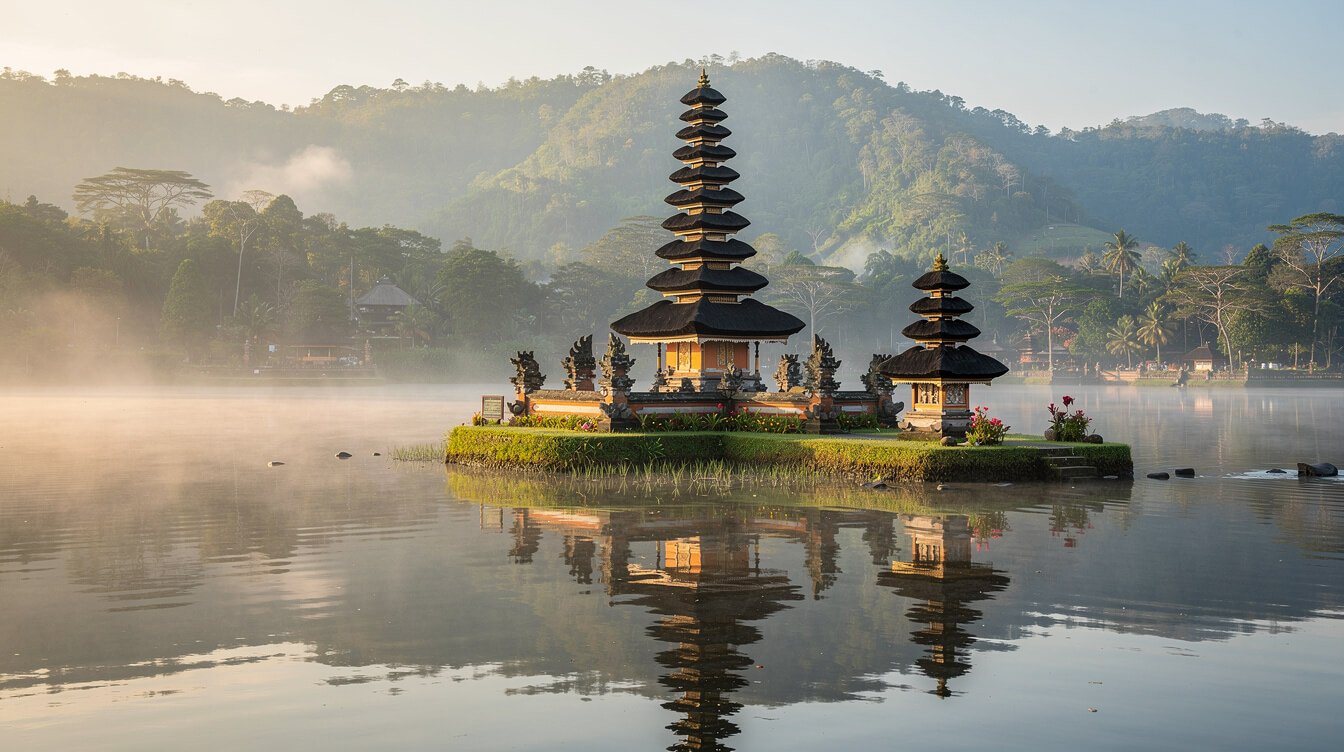
The mist on the lake moves before you do. It lifts off the water in slow sheets, and for a moment the tall, tiered shrine at the shoreline seems to float on nothing at all, its black thatched roofs stacked eleven high against a wall of green mountain. The air smells of wet grass and incense, and it is cold enough for a jacket. This is Ulun Danu Beratan Temple, the lake temple of the Bali highlands, and from Ubud it is one of the most rewarding day trips you can make.
Most guides treat it as a photo stop on a busy south Bali tour: pay the fee, take the picture, move on. We’d like to give you something better. This guide explains where the temple is and how to reach it from Ubud, why a temple stands on a lake at all, what you’ll see, how to beat the crowds and the fog, how to skip the tourist props and visit with care, and how to turn the morning into a full highland day with markets, rice terraces and quiet lakes. The famous photograph turns out to be the least interesting part.
Where Is Ulun Danu Beratan Temple, and How Do You Get There From Ubud?
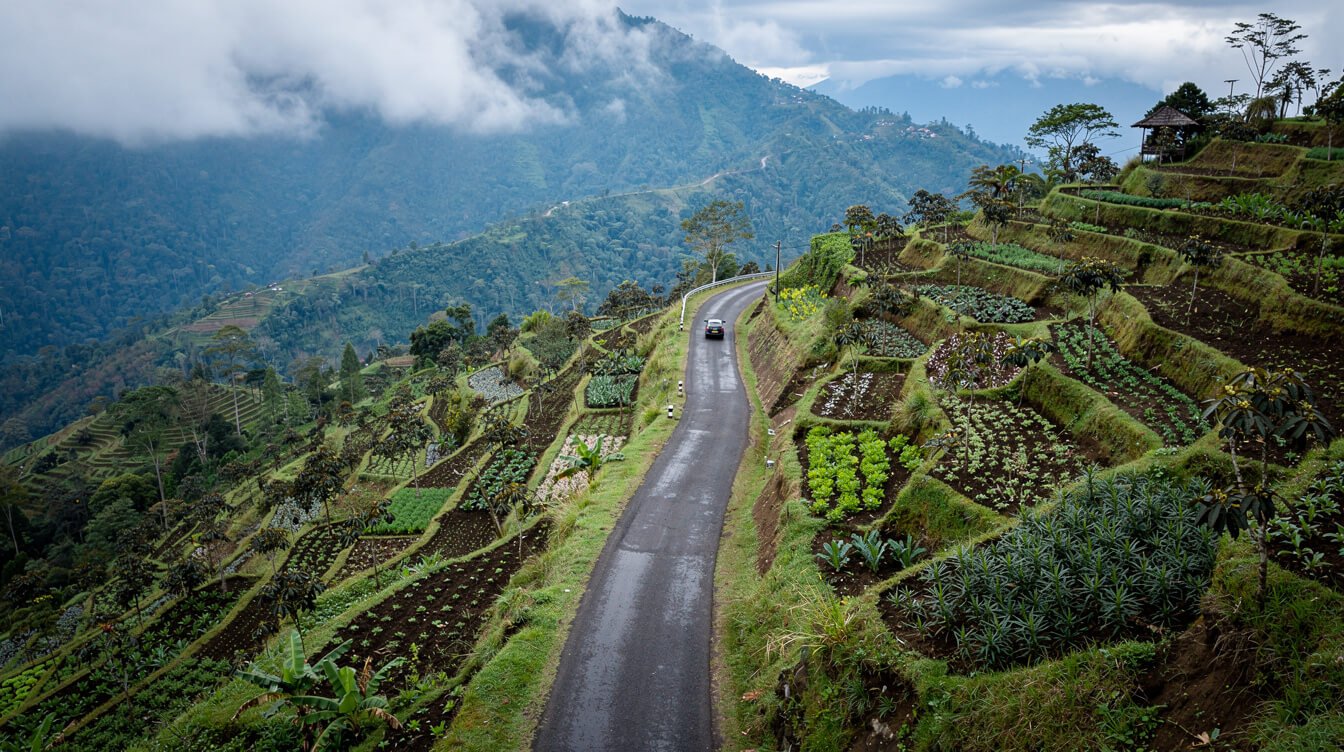
Ulun Danu Beratan Temple sits on the western shore of Lake Beratan, in the village of Candikuning in the Bedugul highlands of Tabanan Regency, central Bali. The lake fills the crater of an ancient volcano, and the temple stands at roughly 1,200 meters (about 3,900 feet) above sea level. That altitude shapes everything about your visit: the cool air, the drifting fog, the strawberries and cabbages at the roadside stalls, the pine and clove trees on the hills.
From Ubud the drive takes about 1.5 to 2 hours each way, depending on traffic and the route your driver prefers. The road leaves the rice country behind, climbs through small market towns, then winds up through forest and terraced vegetable gardens. On a clear morning you’ll watch the temperature drop out of the car window, one bend at a time.
Private driver or scooter?
For almost everyone, a private car with a driver is the right choice. The mountain road is steep and twisting, it is often wet, and the fog can close in quickly in the afternoon. A driver also lets you build a loop through the highlands (more on that below) without worrying about directions or parking. Expect to pay a full-day rate, usually agreed in advance. If you are staying with us, ask the team to help you find a trusted driver and plan the timing for your dates.
Scooters are possible for confident, experienced riders, but this is not the place to learn. Rain, sharp bends and heavy tour-bus traffic on weekends make it a demanding ride, and the cold at altitude catches many people out.
How long should you plan for?
Give yourself a full day. The temple grounds deserve 1 to 2 hours, a boat on the lake another hour, and the highlands around Bedugul reward slow wandering. If you want the quiet morning light, leave Ubud around 5:30 to 6:00 a.m. and you’ll arrive close to opening time.
Why a Temple on a Lake? Dewi Danu and the Water That Feeds the Rice
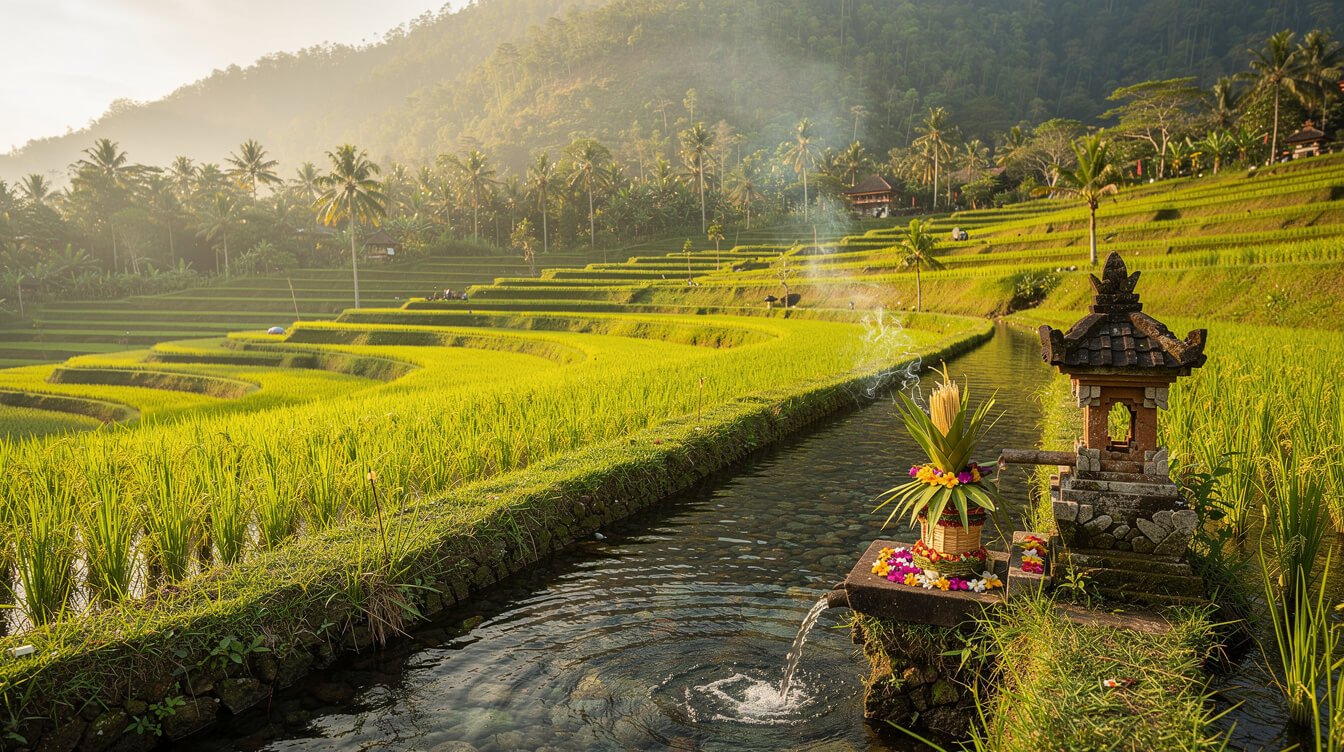
To understand Ulun Danu Beratan Temple, follow the water. Ulun danu means roughly “head of the lake,” and the temple is dedicated to Dewi Danu, the Balinese goddess of lakes, rivers and water. In a farming culture built on irrigated rice, she is one of the most important presences on the island.
Lake Beratan is a source of water for the farmland below it. Rain falls on the mountains, gathers in the crater lakes, seeps through the volcanic ground and reappears as springs and rivers that run down toward the coast. Along the way it is shared out by the subak, Bali’s centuries-old cooperative irrigation system. Each subak is a community of farmers who divide water fairly between their fields, and each has its own small water temples where offerings are made before the water is opened to the rice. The lake temples at the top of the system are, in a sense, where that whole chain of gratitude begins.
According to the Babad Mengwi, a historical chronicle, the temple was founded in 1633 or 1634 by I Gusti Agung Putu, the ruler who went on to found the kingdom of Mengwi. Farmers from across the region still bring offerings here, and ceremonies at the lake ask for water and fertility for the fields below. When you stand on the shore and look down toward the lowlands, you are looking at the start of the water that may end up in the rice fields outside your villa in Ubud.
The temple isn’t on the lake for the view. It’s there because the lake is where the rice begins.
If you’d like more background on Balinese Hinduism before your visit, our gentle guide to Bali religion explains the gods, the offerings and how to be a respectful guest. For the farming side of the story, read our short piece on the water you hear long before you see the rice fields.
A note on UNESCO
In 2012 UNESCO listed the “Cultural Landscape of Bali Province: the Subak System” as a World Heritage Site. Lake Beratan’s temple is not one of the formally listed sites (the listed lake temple is Ulun Danu Batur, on Lake Batur), but the nearby Jatiluwih rice terraces fall inside the protected Catur Angga Batukaru landscape. That makes Beratan and Jatiluwih a natural pair: the lake that feeds the water, and the terraces that receive it.
What You’ll See at Ulun Danu Beratan Temple
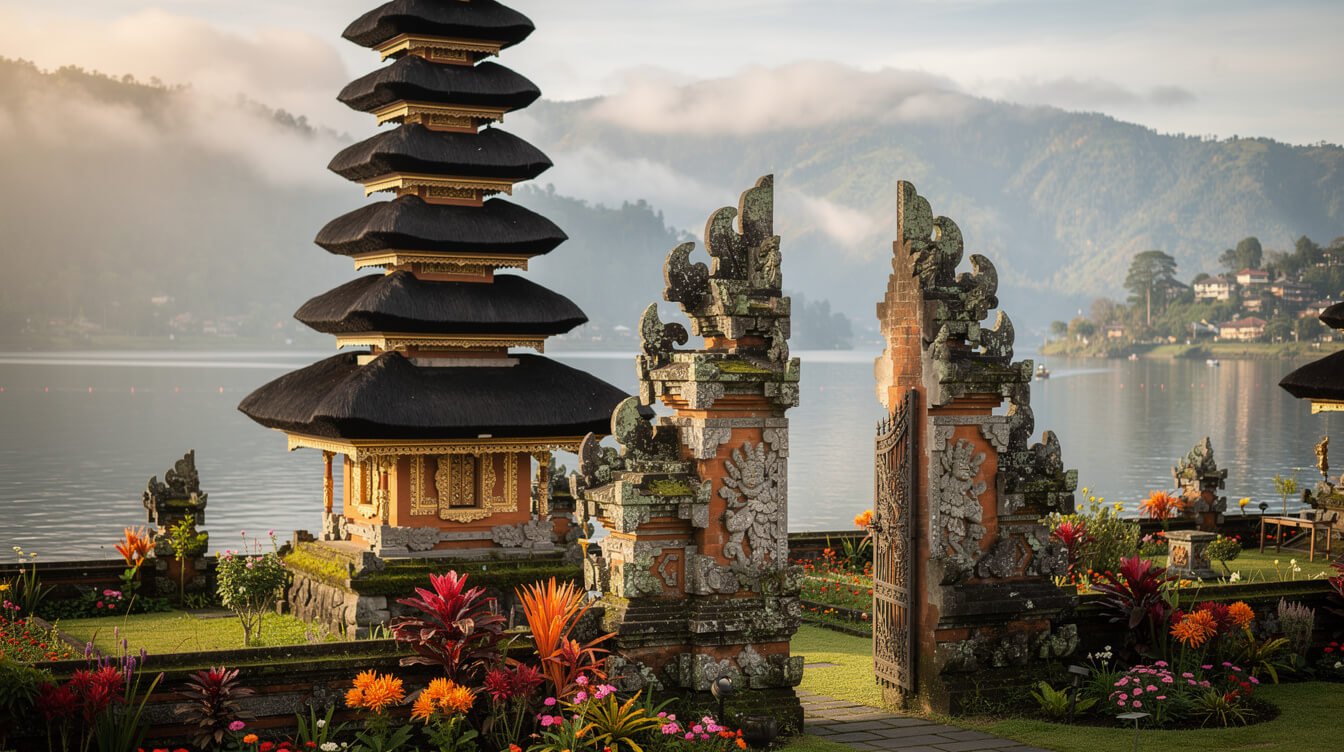
The complex is larger than most first-time visitors expect. Beyond the ticket gate you walk through landscaped lawns and flower beds toward the lakeshore, where several temple courtyards stand side by side. Balinese temples are open-air compounds, divided into courtyards by low walls and carved split gates, with the most sacred shrines in the innermost space. Visitors can walk the grounds and see the shrines from outside, but the inner sanctums are reserved for worship.
The meru on the water
The two shrines on the famous postcards sit on small islets just off the shore. The taller is an eleven-tiered meru, a pagoda-like shrine whose stacked roofs are thatched with black palm fiber. In Balinese temple design, the number of roofs is always odd, and eleven is the highest, reserved for the most important deities. Beside it stands a smaller three-tiered meru. When the lake is high, usually in the wet season, the water reaches right around their stone bases and the shrines appear to float.
The Buddhist stupa
Just outside the main temple area stands a small Buddhist stupa. It surprises many visitors, but it reflects a long tradition of coexistence in Bali, and it is a quiet corner worth a few minutes of your time.
The gardens and the lake
The lawns are neat and full of flowers, and on a clear day the backdrop of forested mountain is spectacular. On a misty day it is even better: the far shore disappears, the shrines go soft and grey, and the whole place feels hushed.
The banknote
If the scene looks familiar, there is a reason. Ulun Danu Beratan Temple appeared on the back of Indonesia’s older 50,000-rupiah banknote, with the Balinese national hero I Gusti Ngurah Rai on the front. You may still spot one in circulation.
For the bigger picture of temple visiting on the island, see our guides to Ubud’s sacred sites and ceremonies and the Ubud temples to visit closer to home.
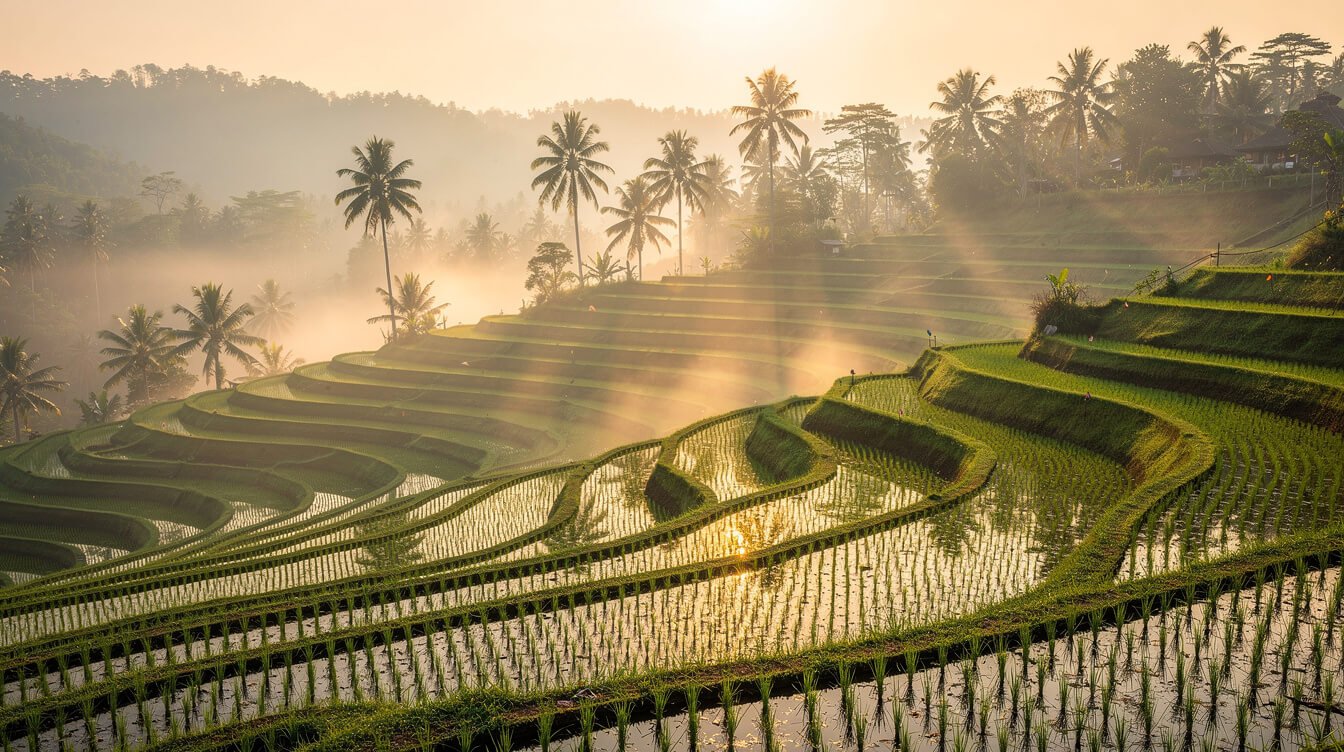
Get a free 3-day sample itinerary
Three good days in Ubud: rice field walks at first light, a temple morning, a market, and a slow village afternoon, with room for a highland day trip. We will send you a free 3-day sample itinerary.
Beat the Crowds at Ulun Danu Beratan Temple: Timing, Fog and the Wet Season
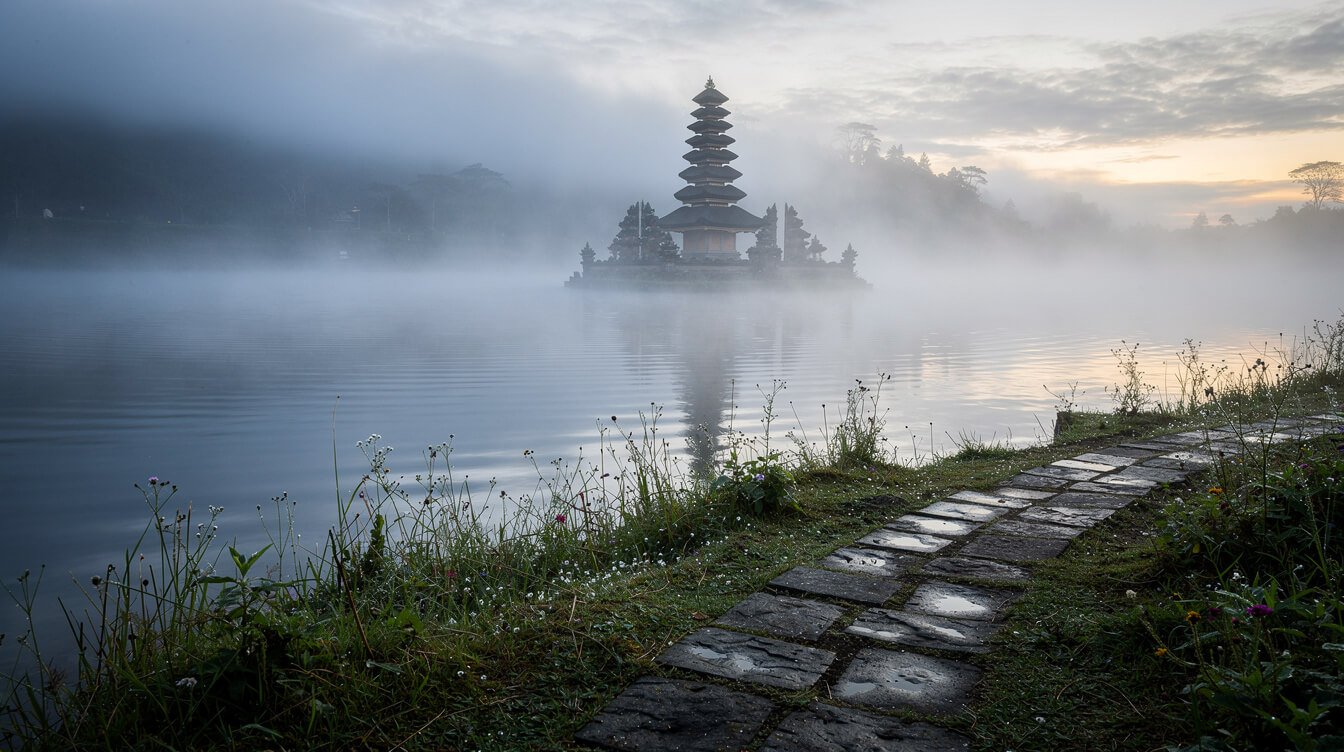
Timing makes more difference here than at almost any other temple in Bali. Ulun Danu Beratan is one of the island’s most visited sights, and by late morning the tour buses from the south have arrived. Come early and you’ll share the lakeshore with gardeners, a few photographers and the morning mist.
The best time of day
The temple grounds open at 7:00 a.m. and close at 7:00 p.m. Aim to be there between 7:00 and 9:00 a.m. The light is soft, the lake is often glass-still for reflections, and the crowds are thin. Weekdays are calmer than weekends, and Indonesian public holidays and long weekends bring heavy domestic crowds.
Fog is part of the experience
Up here, cloud often rolls in from late morning or around midday, and some afternoons the far shore vanishes entirely. Early mist that lifts as the sun warms the water is one of the most beautiful sights in the highlands. Thick afternoon fog is less forgiving for photographs. Another reason to start early.
Visiting in the wet season
From roughly November to March, the wet season brings more rain and more cloud to the mountains. It is still a lovely time to come. The lake is full, the gardens are lush, and the shrines are more likely to stand in the water. Plan for showers, usually heavier in the afternoon, and pack a light rain jacket. Our Bali rainy season guide and Bali weather in November explain what to expect across the island.
Dress for the cold
This is the surprise that catches most visitors from Ubud. Daytime temperatures at the lake often sit below 25°C (77°F) and drop further in the evening and in the rain. Bring a warm layer, closed shoes if it has been wet, and something to keep your camera dry.
Skip the Props: A Kinder Way to Visit Ulun Danu Beratan Temple
Here is the honest part. Over the years, the grounds around the temple have filled with attractions that have nothing to do with Dewi Danu: oversized photo frames, heart-shaped swan props, novelty sculptures, a children’s petting area and a string of cafes. Some visitors enjoy them, especially families with small children. Many find they crowd out the calm and meaning of the place.
Say no to animal photo stalls
The one thing we’d ask you to skip entirely is the animal photo opportunities, where owls and other wild animals are held for tourists to pose with. Owls are nocturnal and easily stressed by handling, noise and daylight. Paying for a photo keeps the practice going. A smile and a “no, terima kasih” (no, thank you) is all it takes.
Take a traditional boat instead
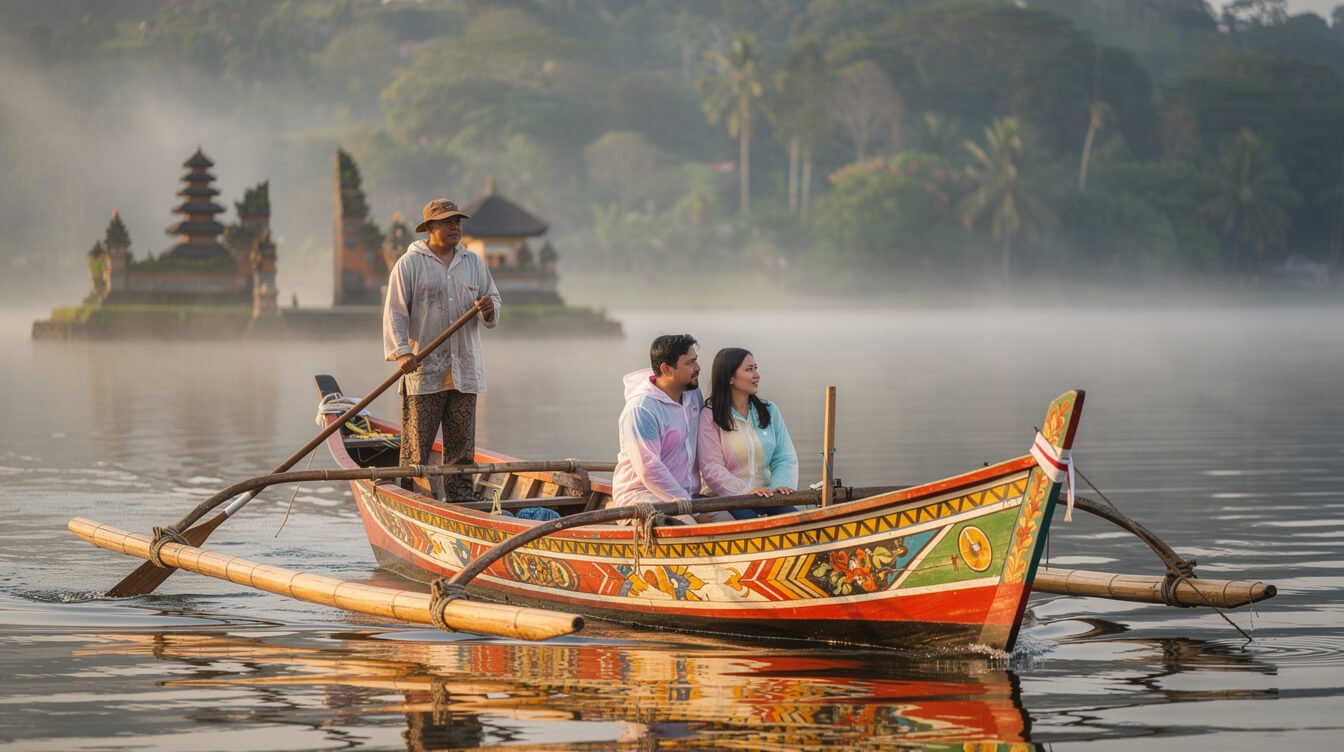
The most peaceful way to see the temple is from the water. Inside the complex you’ll find a boat kiosk with speedboats, swan pedal boats and short rides, usually charged per person for around 30 minutes. Outside the complex, a little way around the lake, local boatmen offer rides in a jukung, the colorful Balinese outrigger canoe with bamboo stabilizers on each side. Travelers report paying around IDR 300,000 for an hour on the lake for a boat with a boatman, with room for up to four people, though prices are negotiated on the spot and change with the season.
Out on the water the noise of the gardens falls away. You hear paddles, birds, and the wind across the lake. The boatman will usually know the best angles for the shrines, and in the quiet you understand why people have prayed here for nearly four hundred years.
Small things that matter
- Give way to worshippers. If a ceremony is under way, step back, keep your voice low and never walk in front of people praying.
- Don’t climb on shrines or walls for a photo, and don’t stand higher than a priest.
- Watch where you step. Small palm-leaf offerings are placed on paths and steps. Walk around them.
- Use a drone only with permission. Flying over an active temple without asking is disrespectful.
Book the Villa
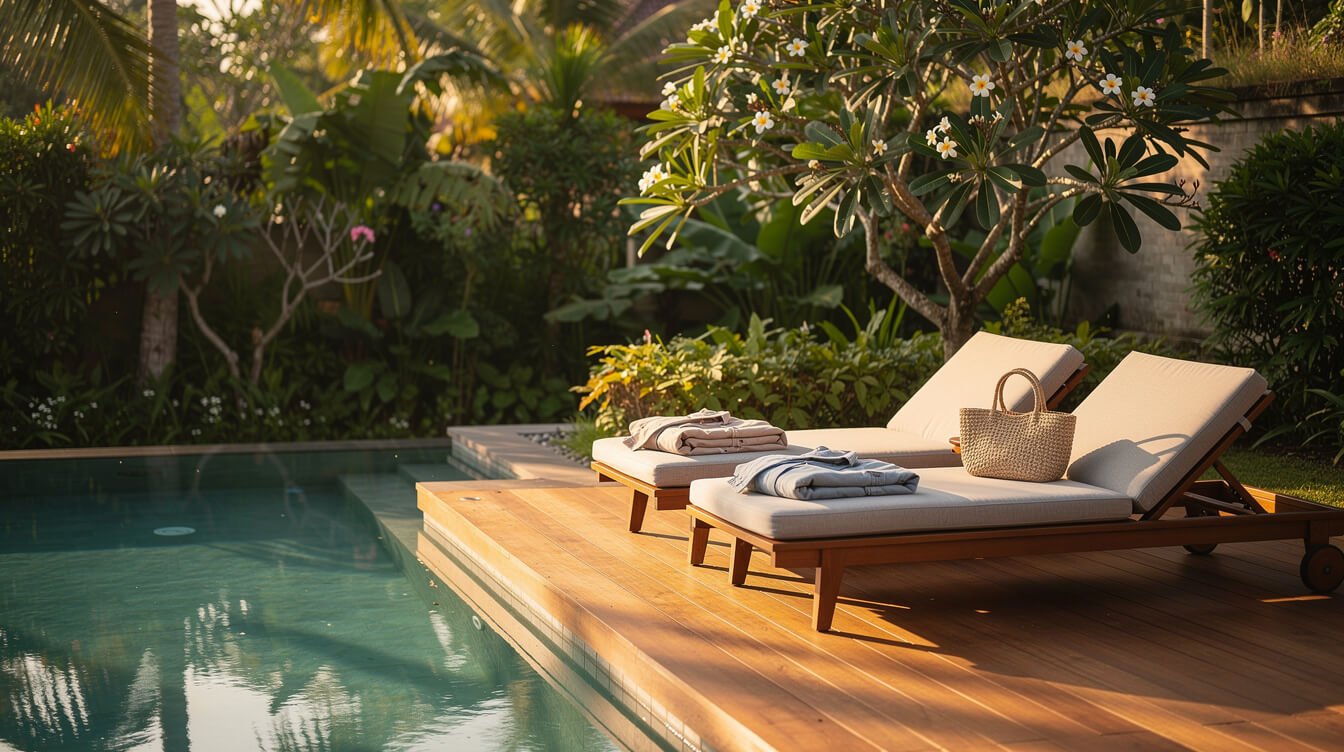
Come down from the cool highlands to three bedrooms, a private pool and a quiet tropical garden in Ubud, with a team on hand so your days stay yours. Check availability for your dates.
Make It a Highland Day: Bedugul Market, Lakes and Jatiluwih

The real gift of a trip to Ulun Danu Beratan Temple is the highland world around it, cool, green and very different from the Ubud you know. Here are the best ways to fill the rest of your day.
Candikuning market
A few minutes from the temple, the market at Candikuning sells what grows best in the cool air: strawberries, passion fruit, tamarillo, carrots, potted orchids and heaps of fresh vegetables. It is a cheerful, colorful stop, and a good place for a hot drink if the mist has chilled you.
Bali Botanic Garden
Next to the market, the Bali Botanic Garden (Kebun Raya Bali) covers a large stretch of hillside with orchids, ferns, giant trees and quiet forest paths. It is a lovely place to walk off the drive, and far less crowded than the lake temple.
The twin lakes and Munduk
Continue north-west and the road climbs past Lake Buyan and Lake Tamblingan, two quieter crater lakes ringed by forest, with viewpoints along the ridge above them. Beyond lies Munduk, a village of clove and coffee gardens, waterfalls and long views to the sea. Our story on Munduk Pakel village and its subak fields and the legend of Lake Tamblingan make good reading for the drive.
Jatiluwih rice terraces
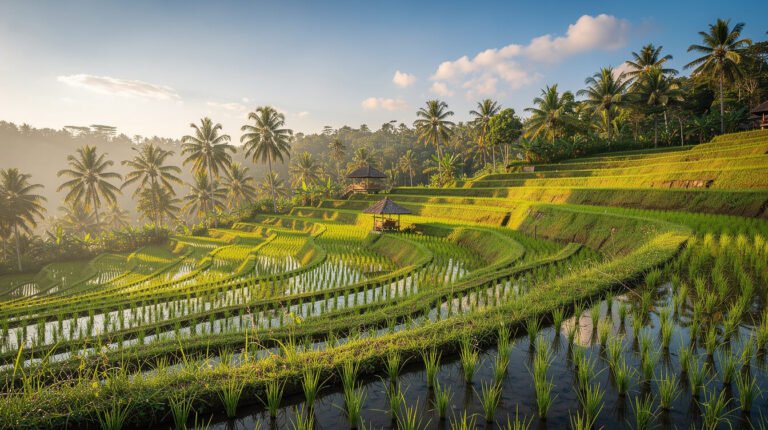
For many guests, the perfect pairing is Ulun Danu Beratan Temple in the early morning and the Jatiluwih rice terraces after. Jatiluwih lies on the slopes of Mount Batukaru, about an hour’s drive from Bedugul, and its sweeping terraces are among the largest and most traditional in Bali. You see the lake where the water begins, then the fields where it ends up. For more terrace ideas, browse our rice terrace day trips from Ubud and our wider list of day trips from Ubud.
A sample highland loop from Ubud
- 6:00 a.m. Leave Ubud, coffee in hand.
- 7:30 a.m. Ulun Danu Beratan Temple as it opens, in the morning mist.
- 9:00 a.m. A jukung ride on the lake.
- 10:30 a.m. Candikuning market and the Botanic Garden.
- 12:30 p.m. Lunch with a view, then down to Jatiluwih.
- 2:00 p.m. Walk the Jatiluwih terraces.
- 5:00 p.m. Back in Ubud for a swim before dinner.
Treat this as a sketch rather than a timetable. Rain, ceremonies and traffic all change the rhythm of a Bali day, and that is part of the charm.
Practical Guide to Ulun Danu Beratan Temple: Fees, Dress Code and FAQ
Entrance fee
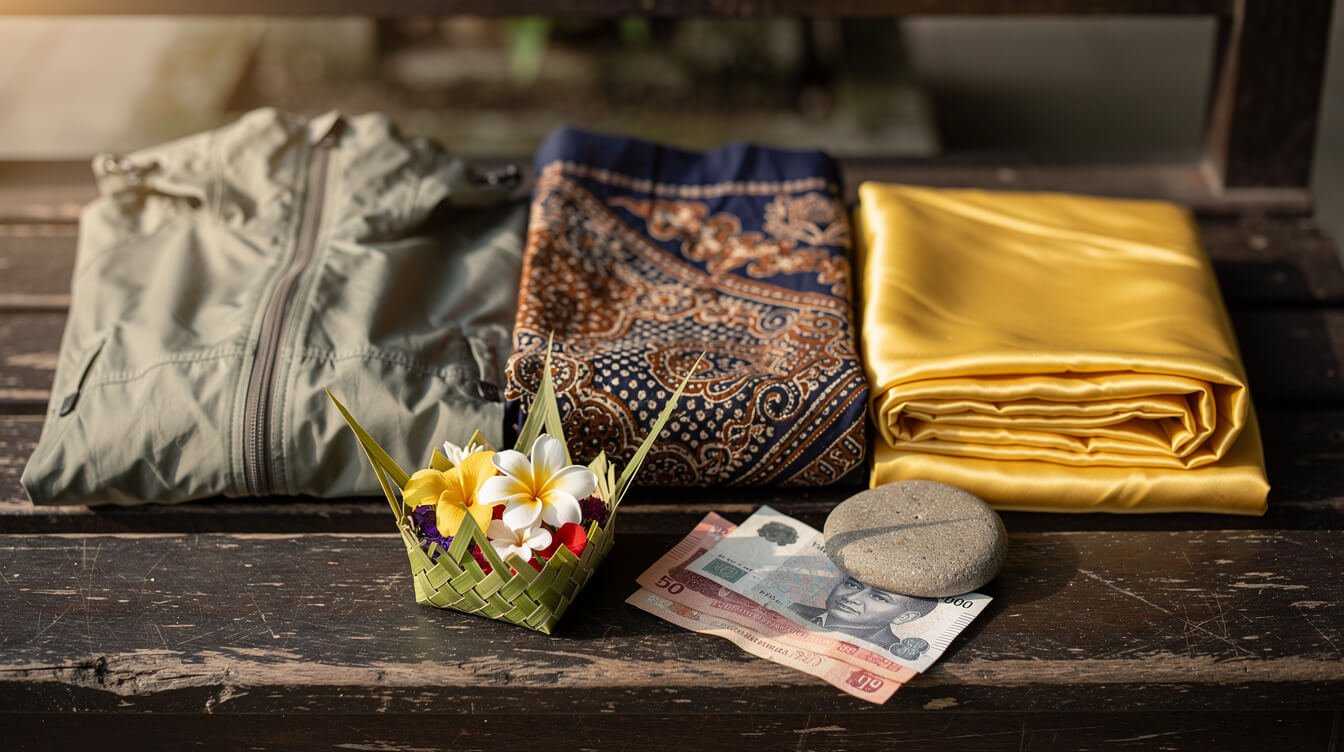
Ticket prices rose in July 2026. At that point the fee for international adults was about IDR 100,000, and IDR 75,000 for international children aged 5 to 10, with children under 5 free. Indonesian residents pay less. Prices change, so treat these as a guide and check the temple’s official channels before you go. Tickets are bought at the gate, and both cash and cards are generally accepted. Car parking is a few thousand rupiah, so keep some small notes handy for parking, the market and boatmen.
Opening hours
Daily, 7:00 a.m. to 7:00 p.m. Arrive by the early morning for the best light and the fewest people.
Dress code
Dress as you would for any Balinese temple: shoulders and knees covered, with a sarong and a sash around the waist. The grounds have become relaxed about this in practice, but a sarong is a simple sign of respect, and it keeps your legs warm in the cool air. Pack your own or rent one on site. By Balinese custom, women who are menstruating are asked not to enter temple areas, and people with open wounds are asked the same.
What to bring
- A sarong and sash
- A warm layer and a light rain jacket
- Comfortable shoes that can handle wet grass
- Cash in small notes
- Patience for a slow, winding drive
Ulun Danu Beratan Temple FAQ
Where is Ulun Danu Beratan Temple located?
On the western shore of Lake Beratan in Candikuning village, Bedugul, in Tabanan Regency, central Bali, about 1.5 to 2 hours’ drive north-west of Ubud.
Is Ulun Danu Beratan Temple worth visiting?
Yes, if you go early and give it context. The shrines on the lake, the mountain air and the meaning of the place make it special. Arrive at opening time, skip the props and add a boat ride and the highlands to make the trip worthwhile.
Can you go inside the temple?
You can walk the gardens and lakeshore and see the shrines from the outer areas. The innermost courtyards are for worship, and the shrines on the water cannot be entered.
When does the temple look like it is floating?
When the lake is high, which is most often in and just after the wet season (roughly November to April). In the dry season the water can drop and expose more of the shoreline.
Which god is honored at Ulun Danu Beratan?
The temple is dedicated above all to Dewi Danu, the goddess of lakes and water, with shrines in the complex honoring other Hindu deities as well.
Is it worth also going to Tanah Lot?
Tanah Lot is a sea temple in the lowlands of the same regency, but it is in the opposite direction. From Ubud, it’s better to make it a separate trip.
Can I visit with children?
Yes. Children usually love the boats, the gardens and the strawberry stalls at the market. Pack warm clothes for them, and remember the long drive.
Ulun Danu Beratan Temple is at its best when you arrive the way the water does, slowly, early and with a little reverence. Watch the mist lift off the lake, take a boat into the quiet, buy a bag of strawberries at the market, then follow the water down through the rice terraces toward home. By the time you are back in Ubud, warm again and watching the evening light on the garden, you’ll understand Bali’s rice fields a little differently. For a closer look at another sacred water site, read our guide to Tirta Empul Temple, or plan your next mountain morning with our guide to Mount Agung.

Join our newsletter — fun, new, exciting Bali news
Ceremony days, market finds, new trails and small stories from Ubud. Delivered now and then, always worth opening.