Wedding in Bali: Your Complete Guide to Planning the Perfect Celebration
A wedding in Bali begins long before the ceremony — it starts the moment you decide that your celebration deserves more than a banquet hall and a standard catering package. It starts when you picture warm tropical air on bare shoulders, frangipani petals scattered across a stone pathway, and the sound of a gamelan drifting from a nearby village temple as you exchange vows. This is what draws thousands of couples to the island every year, and this guide will walk you through everything you need to know to plan a wedding in Bali that feels genuinely yours.
Whether you are imagining a clifftop ceremony overlooking the Indian Ocean, an intimate garden celebration surrounded by rice terraces, or a barefoot gathering on white sand, Bali offers a depth of possibility that few destinations can match. But planning a destination wedding — especially in a country with different customs, legal frameworks, and seasonal patterns — takes real preparation. We have helped guests plan celebrations from our private pool villa in Ubud, and we know what works, what surprises people, and what makes the difference between a stressful event and an unforgettable one.
Why Bali Is One of the World’s Best Wedding Destinations
Bali’s appeal for weddings goes beyond the obvious beauty. The island has a hospitality infrastructure built around celebration — the Balinese celebrate ceremonies constantly, from temple anniversaries to tooth-filing rites to elaborate cremation processions. Ceremony is woven into the fabric of daily life here, which means the local understanding of how to stage a meaningful event runs deep.
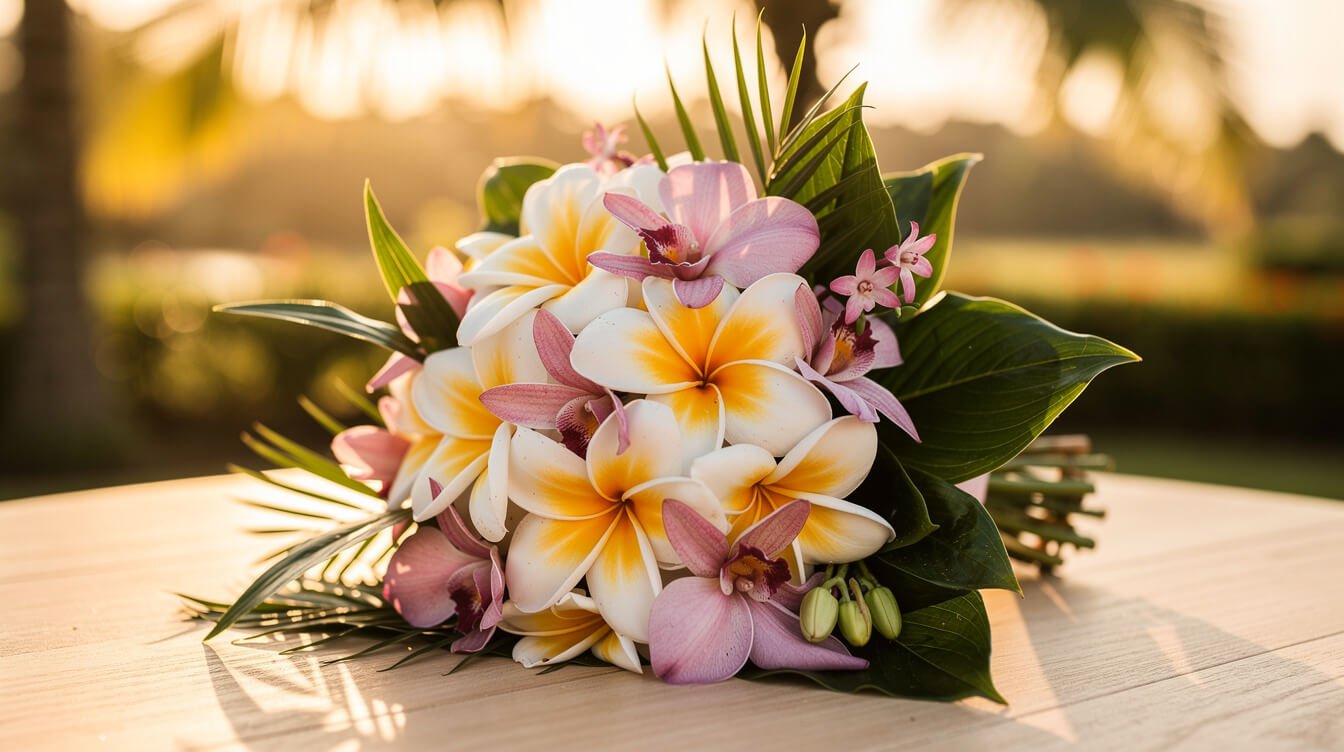
The practical advantages are significant too. Bali offers world-class floral artistry at a fraction of Western prices. A full floral arch that might cost $3,000–5,000 in Australia or the United States can be created for $300–800 here, using tropical flowers that would be exotic imports back home — frangipani, orchids, bougainvillea, tuberose, jasmine. The same cost advantage applies to catering, photography, videography, and venue hire.
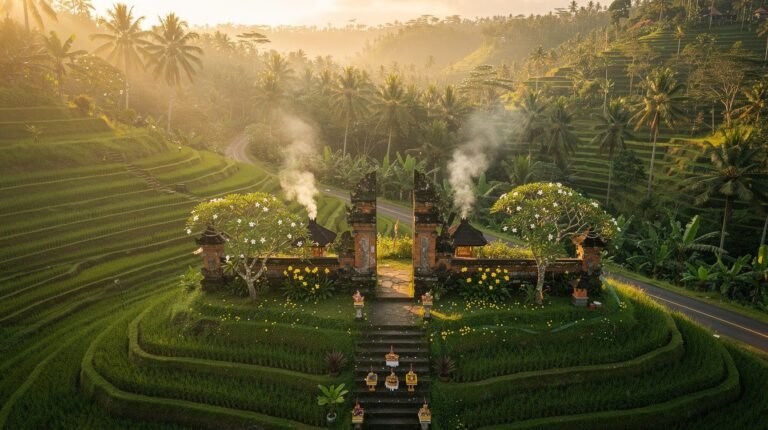
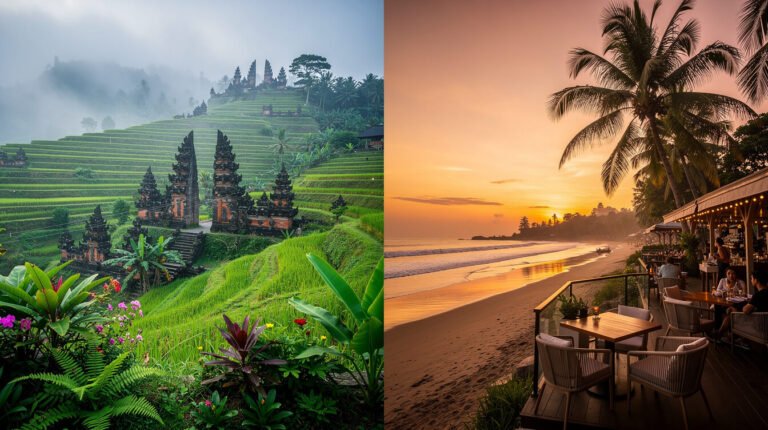
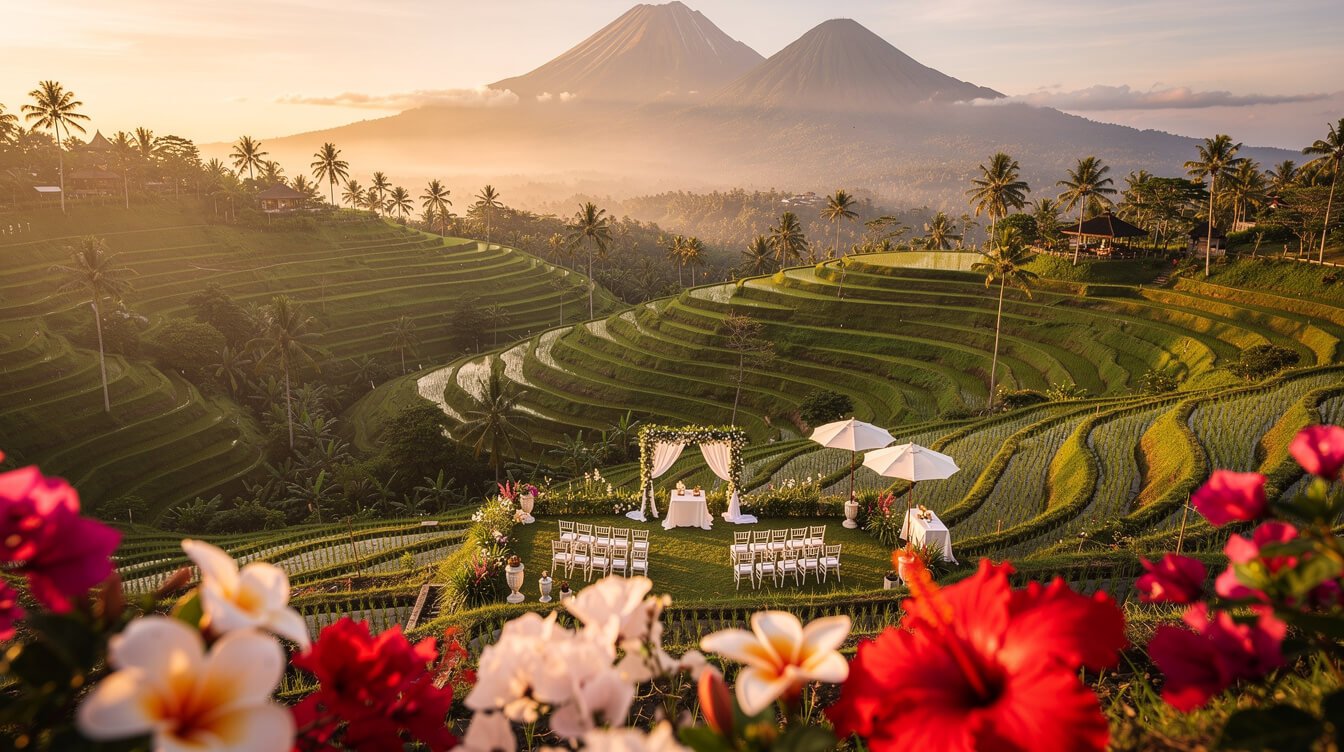
Then there is the setting itself. Within a single island, you can choose between jungle canopy, volcanic ridgelines, river gorges, rice terrace panoramas, ocean cliffs, and white sand beaches. No other destination wedding location offers this range of natural backdrops within such a compact geography. A couple married in Ubud’s rice terraces at sunrise could host their reception overlooking the ocean at Uluwatu by sunset — the two are only ninety minutes apart.
The weather cooperates too. Bali’s dry season runs from April through October, offering reliable sunshine and comfortable humidity. Even during the wet season (November through March), rain typically comes in short afternoon bursts, leaving mornings and evenings clear. Your wedding planner will know how to time your ceremony around the weather patterns, but the dry season remains the safest choice.
Wedding in Bali: Types of Celebrations and Ceremony Styles
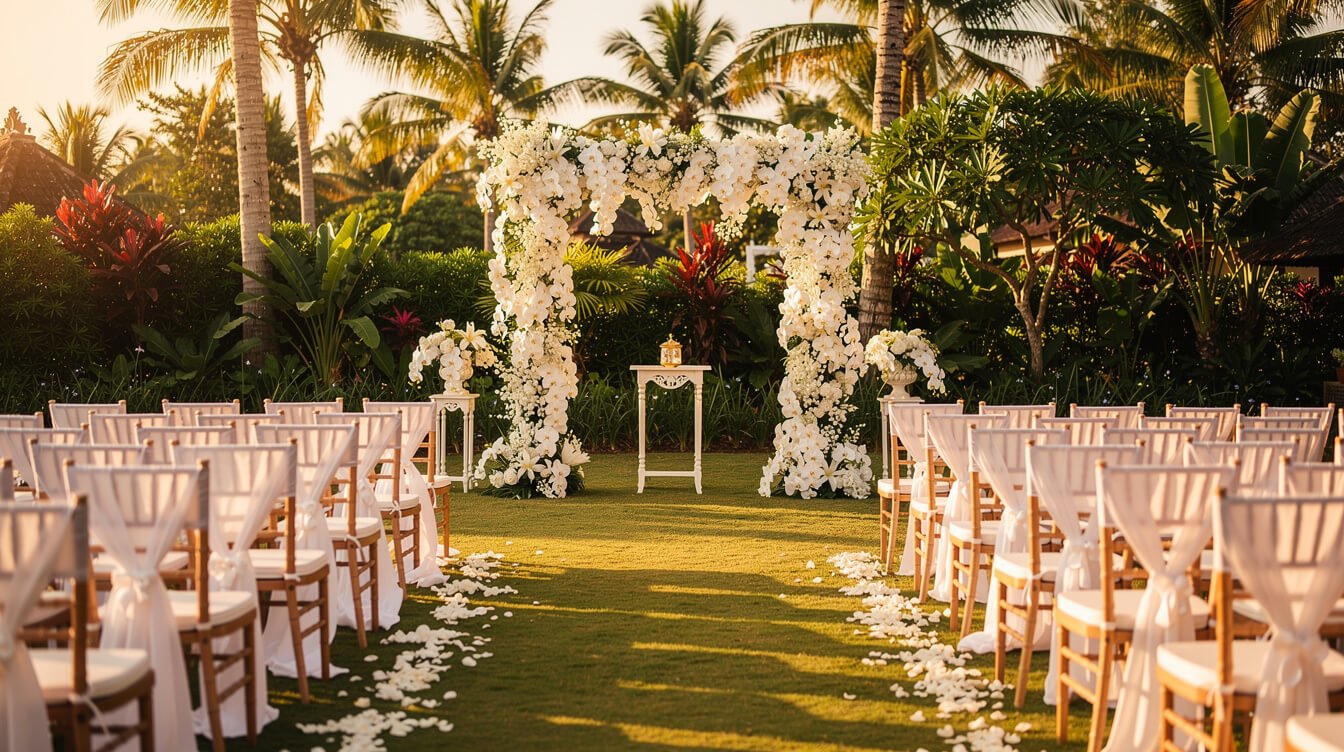
One of the first decisions you will face is what kind of ceremony you want. Bali accommodates nearly every style, and understanding the options early will shape everything from venue selection to guest count.
Legal Civil Marriage
Indonesia requires that marriages be registered under one of six recognized religions. For foreign couples, this typically means a Christian ceremony officiated by a licensed Indonesian pastor, followed by civil registration at the local Catatan Sipil (Civil Registry Office). The legal process requires several documents: original birth certificates, passport copies, a Certificate of No Impediment from your home country’s embassy, and translated/apostilled versions of each. Processing takes 2–4 weeks, so plan your document preparation at least two months before the wedding date.
Symbolic or Blessing Ceremony
Most destination couples choose a symbolic ceremony — legally meaningful in their home country (they register the marriage there before or after) but emotionally centered in Bali. This approach avoids the Indonesian paperwork entirely while giving you complete creative freedom. You can write your own vows, choose any officiant, and design the ceremony around what matters to you rather than around bureaucratic requirements.
Balinese Blessing (Melukat)
A Balinese water purification ceremony, or melukat, is one of the most powerful experiences a couple can share. Conducted by a Balinese priest (pemangku) at a water temple or sacred spring, the ceremony involves prayers, holy water, and flower petal offerings. Many couples incorporate a melukat into their wedding week — either as the ceremony itself or as a pre-wedding spiritual preparation. It is deeply moving, culturally authentic, and connects your celebration to the island’s living spiritual tradition. If you are planning an intimate elopement in Bali, a melukat ceremony at Tirta Empul or a private temple setting can be the centerpiece.
Elopements and Micro-Weddings
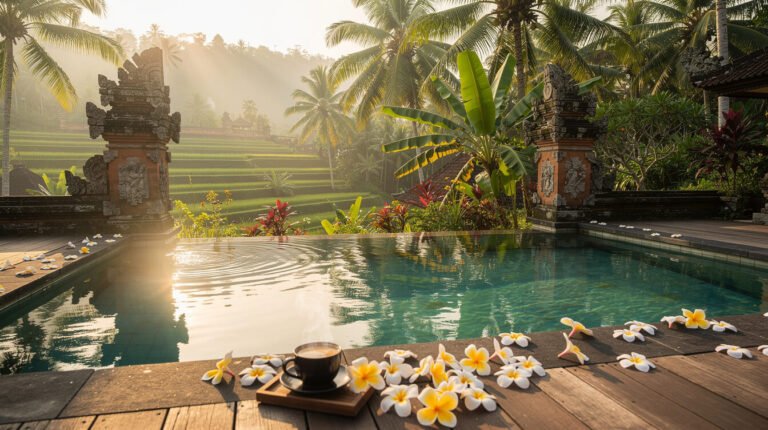
Bali has become one of the world’s top elopement destinations, and for good reason. Intimate celebrations of 2–20 guests allow you to invest in experience over scale — a private chef dinner, a ceremony in a hidden waterfall clearing, a blessing at a centuries-old temple with only your closest people present. The cost drops dramatically, and the emotional intensity increases. Many couples staying in a staffed private villa use the villa itself as their ceremony and reception venue — the garden, the pool deck, the dining terrace become the wedding setting, and the villa team becomes part of the celebration.
Get a Free 3-Day Sample Itinerary
See what a few days at Villa Amrita actually look like — morning markets, private chef meals, rice terrace walks, and quiet pool mornings. Yours free.
Where to Have Your Wedding in Bali: Region by Region
Each area of Bali offers a distinct wedding personality. The venue you choose will shape the entire tone of your celebration.
Ubud — Jungle, Rice Terraces, and Culture
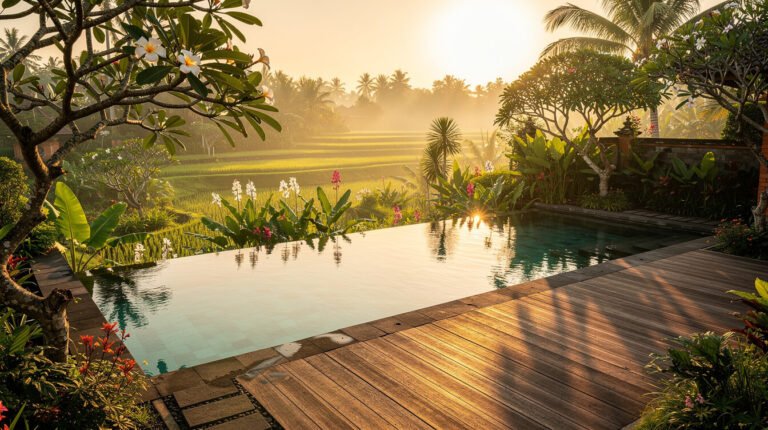
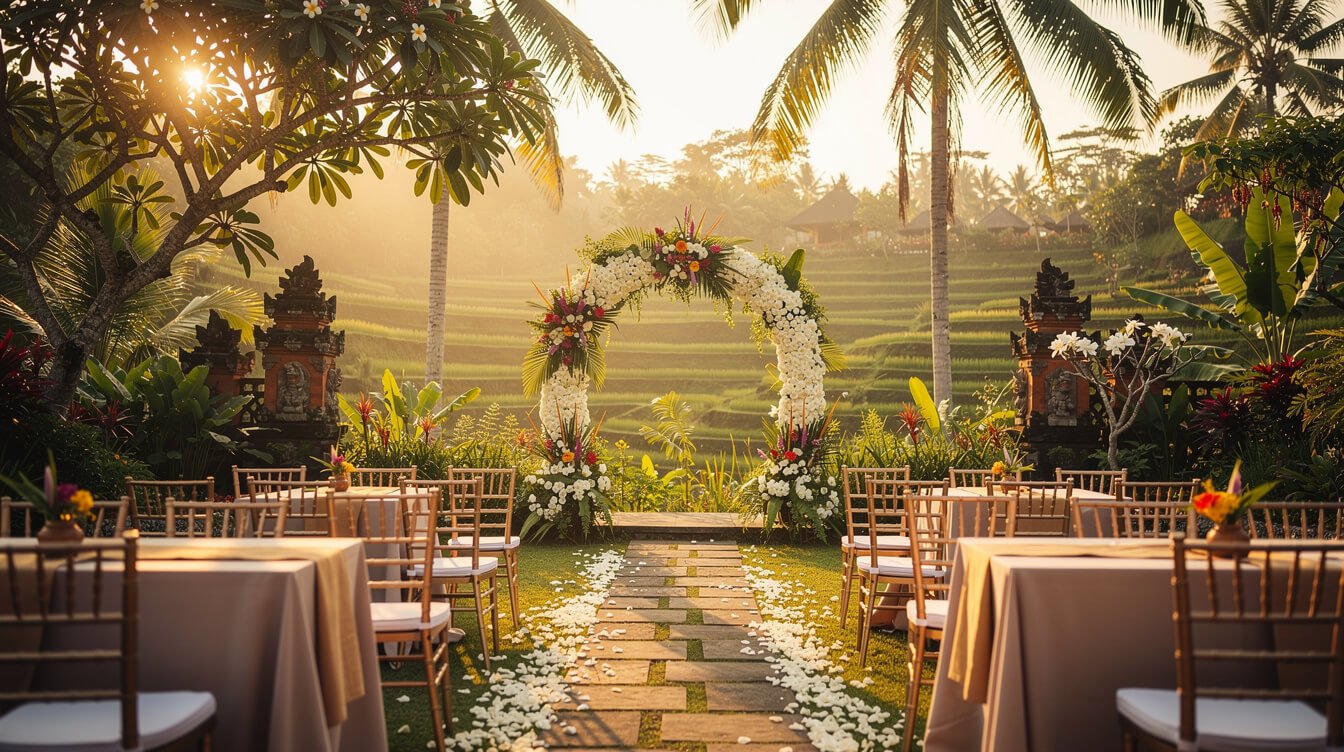
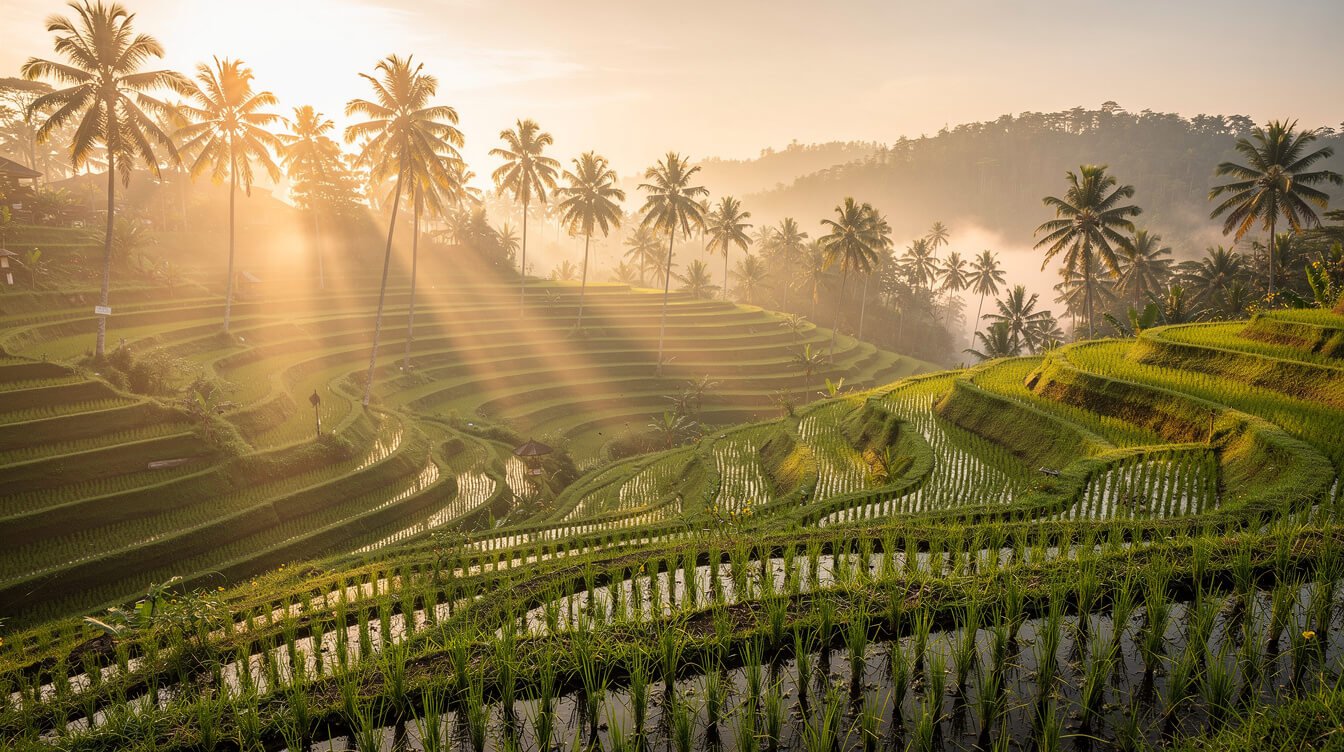
Ubud is Bali’s cultural heart, and weddings here feel immersed in the island’s spiritual and natural essence. Venues range from luxury resort terraces overlooking the Ayung River gorge (Four Seasons Sayan, COMO Uma) to intimate private villas surrounded by rice fields. The atmosphere is lush, green, and deeply calm — perfect for couples who want their wedding to feel like a retreat, not a production. Morning ceremonies catch the mist lifting off the rice terraces. Evening celebrations glow with candles and kerosene torches. The local creative community means exceptional florists, musicians, and artisans are nearby. If you are deciding where to stay in Ubud, the Penestanan and Sayan areas offer the most private, photogenic settings.
Uluwatu — Clifftop Drama
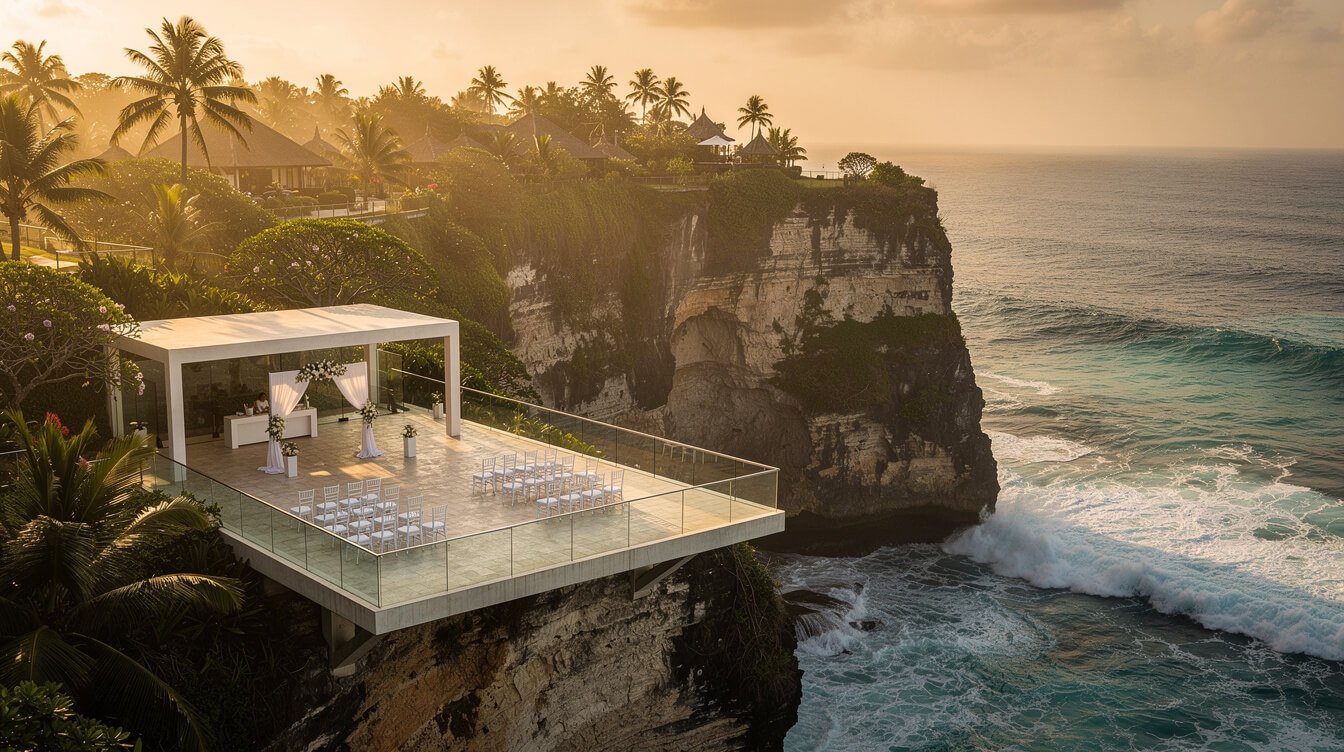
The southern Bukit Peninsula delivers the dramatic ocean panoramas that define Bali’s most photographed weddings. Venues like Tirtha Uluwatu, The Edge, and Bulgari Resort offer glass-walled chapels and open-air platforms perched above crashing waves. Sunset ceremonies here are cinematic. The tradeoff is wind — Uluwatu is consistently breezy, which affects hairstyling, veil choices, and candle placement. It is also the most expensive wedding area on the island.
Seminyak and Canggu — Beach and Boutique
The southwest coast offers barefoot beach ceremonies, rooftop cocktail receptions, and easy access to Bali’s nightlife for after-parties. Venues like Seminyak Beach, Potato Head, and The Lawn bring a relaxed, modern energy. These areas suit couples who want their wedding to flow into a festive weekend rather than a single formal event.
Nusa Dua — Resort Polish
Nusa Dua’s international resort strip (St. Regis, Mulia, Conrad) offers manicured gardens, white sand, and full-service wedding coordination packages. The experience is polished and predictable — ideal for larger guest lists and couples who prefer a one-stop solution. It is Bali’s most controlled wedding environment, which means fewer surprises but also less of the island’s wild, authentic character.
East Bali — Off the Beaten Path
Sidemen, Amed, and Candidasa offer dramatic volcanic scenery, terraced rice fields, and far fewer tourists than southern Bali. Venues are rarer but stunning — think private estates with Mount Agung as a backdrop. East Bali suits adventurous couples who want a truly unique, uncrowded celebration.
How Much Does a Wedding in Bali Cost: Realistic Budget Breakdown
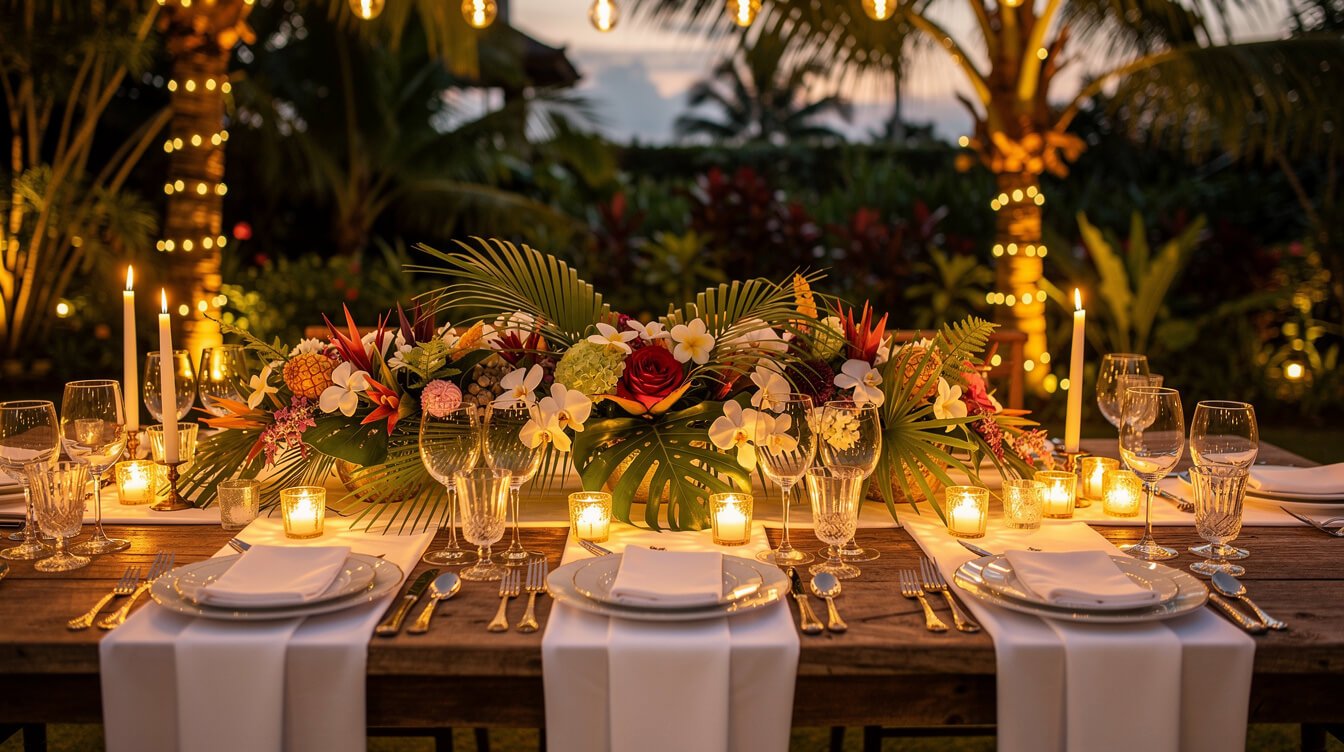
Bali wedding costs vary enormously depending on scale, location, and style. Here is a realistic breakdown based on current 2026 pricing:
Intimate Wedding (2–20 Guests): $2,000–8,000
An elopement or micro-wedding can be remarkably affordable. This budget covers a celebrant ($200–500), floral arrangements ($300–800), a photographer for 3–4 hours ($500–1,500), basic hair and makeup ($150–300), and a celebration dinner at a restaurant or private villa. If you are staying in a staffed villa, your private chef can prepare the wedding dinner — an intimate, memorable alternative to catering.
Mid-Range Wedding (30–60 Guests): $8,000–25,000
This range covers a professional wedding planner ($1,500–4,000), a dedicated venue ($2,000–6,000), full floral design ($800–3,000), catering ($30–80 per guest), photography and videography ($2,000–5,000), entertainment ($500–2,000), and decor and styling ($1,000–3,000). Most destination weddings in Bali fall into this category.
Luxury Wedding (60–150+ Guests): $25,000–80,000+
High-end Bali weddings at premium venues (Tirtha, Bulgari, Four Seasons, The Edge) with international-standard catering, bespoke floral installations, live entertainment, and full production coordination. At this level, Bali still offers exceptional value compared to equivalent celebrations in Europe, the US, or Australia — a wedding that would cost $100,000+ in Sydney or Los Angeles can be executed at the same quality level for $40,000–60,000 in Bali.
Hidden Costs to Budget For
Beyond the obvious line items, plan for: vendor meals on the wedding day ($5–10 per vendor), tips for local staff (customary and appreciated), transport for your wedding party between venues, accommodation for your officiant (if they travel), and a pre-wedding site visit trip if you want to meet vendors in person before committing. Wedding insurance that covers destination events is also worth investigating.
Planning Your Wedding in Bali: Timeline and Logistics

A well-planned Bali wedding follows a timeline that accounts for distance, documents, and the realities of coordinating across time zones.
12–18 Months Before
Set your date, choose your ceremony style (legal vs. symbolic), and book your venue. Popular venues during dry season (May–September) book 12–18 months ahead. Begin researching wedding planners — a good local planner is the single most valuable investment for a destination wedding. They handle vendor negotiations, logistics, cultural navigation, and the thousand small decisions you cannot make from overseas. Start your guest list and send save-the-dates early — destination weddings require guests to plan flights and accommodation months in advance.
9–12 Months Before
Book your photographer, videographer, florist, and entertainment. If pursuing a legal marriage in Indonesia, begin the document preparation process with your home country’s embassy. Choose accommodation for yourself and your guests — a private villa in Ubud can serve as both lodging and an intimate wedding venue for smaller celebrations. Plan your trip to Bali including any pre-wedding activities you want to organize for your guests.
6–9 Months Before
Finalize your menu, confirm your ceremony structure, and book hair and makeup artists. Arrange guest accommodation options at different price points — your guests will appreciate having choices. If you want a Balinese blessing or melukat ceremony, connect with a local priest through your planner or villa manager.
3–6 Months Before
Confirm all vendor contracts and deposit payments. Plan your wedding week itinerary — most destination wedding couples spend 5–10 days in Bali, with the wedding falling mid-trip. Schedule a Balinese cooking class, a spa day, or temple visits as pre-wedding activities for your group. Finalize your seating plan and any dietary accommodations.
1–3 Months Before
Confirm final guest count with all vendors. Send your ceremony script to your officiant. Finalize your playlist or live music selections. Arrange airport transfers and local transport for your wedding party. Pack or ship any personal items you want at the wedding (heirloom jewelry, custom decor, specific wines).
Wedding Week
Arrive 3–4 days before the ceremony. Schedule a final venue walkthrough, a hair and makeup trial, and a rehearsal if your ceremony involves processionals or readings. Use the early days to decompress from travel — jet lag and wedding stress are a difficult combination. Your villa team can help arrange welcome dinners, morning yoga sessions, or quiet pool mornings for your arriving guests.
What Makes a Private Villa Wedding in Bali Different
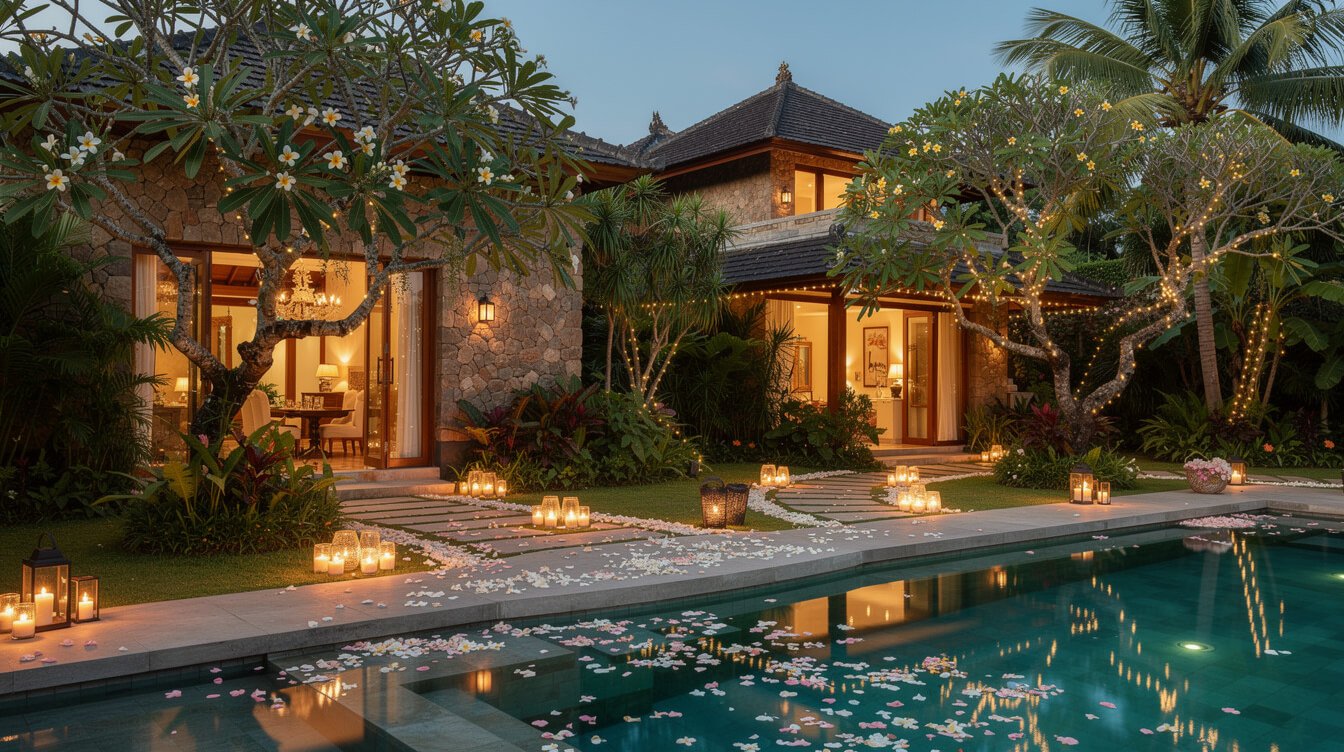
While resort and dedicated venue weddings dominate the Bali wedding industry, private villa celebrations offer something that no hotel ballroom can — the feeling that this place is genuinely yours for the duration.
When you book a staffed private villa for your wedding week, the entire property becomes your personal celebration space. The garden for the ceremony, the pool deck for cocktails, the dining terrace for the reception, the bedrooms for getting ready. There is no other wedding happening next door. No hotel guests walking through your ceremony. No time pressure to vacate the ballroom by midnight.
The staff become part of your wedding experience in a way that resort employees rarely can. Your villa manager helps coordinate local vendors, recommends the best florist, arranges the ceremony permits if needed. Your private chef designs a wedding menu around your preferences — perhaps a rijsttafel (Indonesian rice table) for the reception, or a seven-course dinner featuring dishes you fell in love with during your stay. The gardener strings lights through the frangipani trees. The housekeeper arranges the bridal suite with fresh flowers. Everyone has been part of the preparation, and it shows.
Villa weddings work especially well for intimate celebrations of 10–30 guests. At this scale, the villa’s existing capacity handles the event naturally — no external catering tents, no rented chairs, no production crew turning your garden into an event space. Your honeymoon can begin the morning after, in the same place your celebration happened, with the same team looking after you.
The cost equation also favors villas for smaller weddings. Instead of paying venue rental fees plus accommodation separately, your villa booking covers both. The private chef eliminates catering costs. The intimate setting reduces floral and decor requirements — the garden provides most of the beauty you need.
Plan Your Bali Celebration
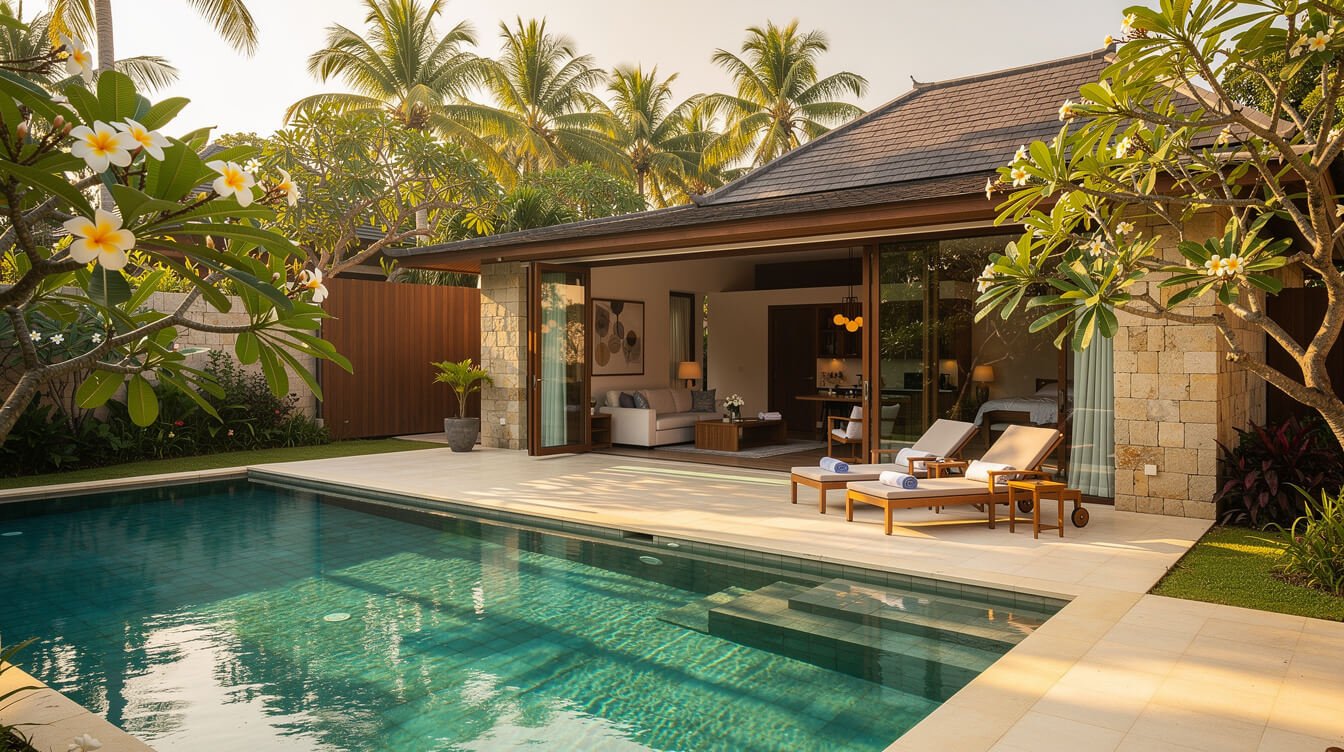
Villa Amrita is a staffed 3-bedroom pool villa in Ubud — the kind of place that turns a wedding week into something unforgettable. Tell us your dates.
Essential Tips for Your Wedding in Bali
After years of helping guests celebrate at our villa, here is the practical advice we share most often.
Hire a Local Wedding Planner
Even if you are a meticulous planner, a Bali-based wedding coordinator is essential. They speak Bahasa Indonesia, they know which vendors deliver and which overpromise, they understand the local permit requirements, and they can solve problems on the ground that would leave you scrambling from overseas. Budget $1,500–4,000 for a full-service planner — it is the best money you will spend.
Time Your Ceremony for the Light
Bali sits close to the equator, so sunset happens between 6:00 and 6:30 PM year-round. Late afternoon ceremonies (4:00–5:00 PM) catch the best golden light for photography and flow naturally into a sunset cocktail hour. Morning ceremonies (8:00–9:00 AM) work beautifully in Ubud, where mist rises off the rice terraces and the air is cool and gentle.
Plan for the Heat
Bali is tropical. Even during dry season, daytime temperatures reach 28–32°C (82–90°F). Choose lightweight fabrics, provide fans or parasols for seated guests, offer cold towels, and ensure your ceremony space has shade options. Hydration stations with infused water are a thoughtful touch.
Respect the Culture
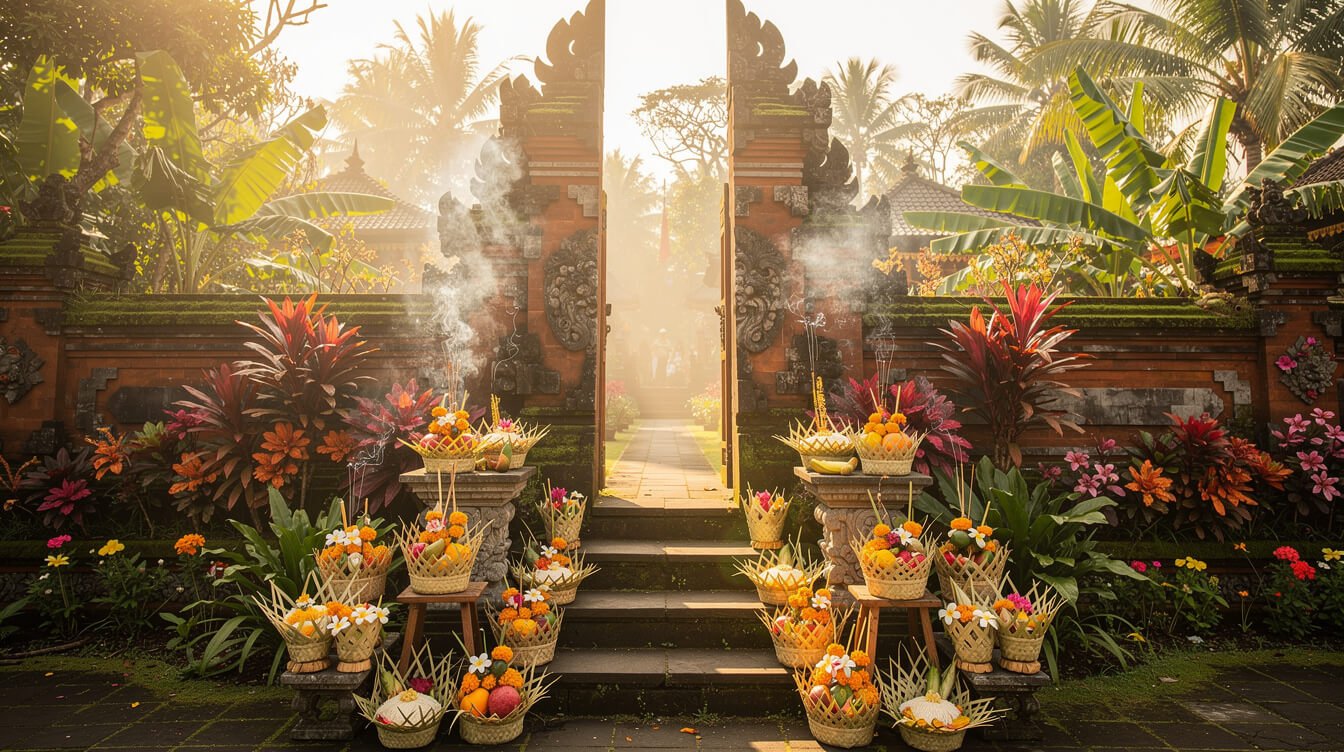
Bali is a deeply spiritual island. If your ceremony takes place near a temple or in a traditional setting, ask your planner about any cultural protocols. During major Balinese holidays (Nyepi, Galungan, Kuningan), certain activities may be restricted. Temple ceremonies require appropriate dress — sarongs and sashes. Your planner will navigate all of this, but showing genuine respect for Balinese traditions will make your celebration richer, not more constrained.
Create a Guest Information Pack
Your guests may never have visited Bali. Send them practical information well in advance: visa requirements (most nationalities get visa-on-arrival), recommended vaccinations, what to pack, currency exchange tips, and transport options. Link them to your food guide so they arrive excited about the cuisine. Include restaurant recommendations around your venue area so they can explore independently.
Have a Rain Plan
Even in dry season, a brief shower is always possible. Your venue or planner should have a wet-weather contingency — a covered terrace, a quick-deploy tent, or a beautiful indoor alternative. The best rain plans are not emergency measures but genuinely lovely alternatives that feel intentional rather than improvised.
Frequently Asked Questions About Weddings in Bali
Is a wedding in Bali legally recognized in my home country?
If you complete the legal marriage process in Indonesia (civil registration through Catatan Sipil), it is recognized internationally, though you may need to register or apostille the Indonesian marriage certificate in your home country. Many couples choose a symbolic ceremony in Bali and handle the legal marriage registration at home before or after — this is simpler and equally valid.
What is the best month for a wedding in Bali?
June through September offers the most reliable dry weather, with July and August being peak season (higher prices, busier venues). May and October are excellent shoulder months — good weather, lower costs, and easier vendor availability. April and November can work but carry slightly higher rain risk.
How many guests should I invite to a Bali destination wedding?
Expect 40–60% of your invite list to attend a destination wedding. Most Bali weddings host 20–80 guests, though larger celebrations of 150+ are certainly possible at resort venues. Smaller guest counts allow you to invest more per person in the experience — better food, more thoughtful activities, deeper connection.
Do I need a wedding visa for Bali?
No special wedding visa exists. Most nationalities enter Indonesia on a visa-on-arrival (30 days, extendable to 60 days). If pursuing a legal marriage, you will need to visit the Civil Registry Office during your stay, which your planner can coordinate.
Can I bring my own dress and suit to Bali?
Yes — carry your wedding attire as hand luggage rather than checking it. Bali also has excellent tailors who can make custom suits in 3–5 days at a fraction of Western prices. Several boutiques in Seminyak and Ubud specialize in wedding-day alterations. The humidity will affect heavy fabrics, so lightweight, breathable materials are strongly recommended.
What about alcohol for the reception?
Bali is the one exception to Indonesia’s conservative alcohol policies — wine, beer, and spirits are widely available. However, imported wines and spirits carry heavy import duties, making them expensive (expect $30–50 for a mid-range bottle of wine at a restaurant). Many couples opt for cocktail bars using local spirits (Bali arak-based cocktails are excellent), local Bintang beer, and a limited wine selection for toasts. Your villa chef or caterer can advise on the most cost-effective approach.
A wedding in Bali is not just a ceremony in an extraordinary setting — it is an experience that transforms your entire wedding week into something your guests will talk about for years. The island’s natural beauty, cultural depth, and genuine hospitality create a container for celebration that banquet halls and country clubs simply cannot match. Start planning early, hire a local planner you trust, and let the island do what it does best — hold your celebration with warmth, beauty, and care.

Join Our Newsletter — Fun, New, Exciting Bali News
Ubud stories, villa updates, and Bali travel tips delivered to your inbox. No spam, just genuine warmth from the island.