Ubud 3 Day Itinerary: Your Complete Guide to the Best of Ubud, Bali
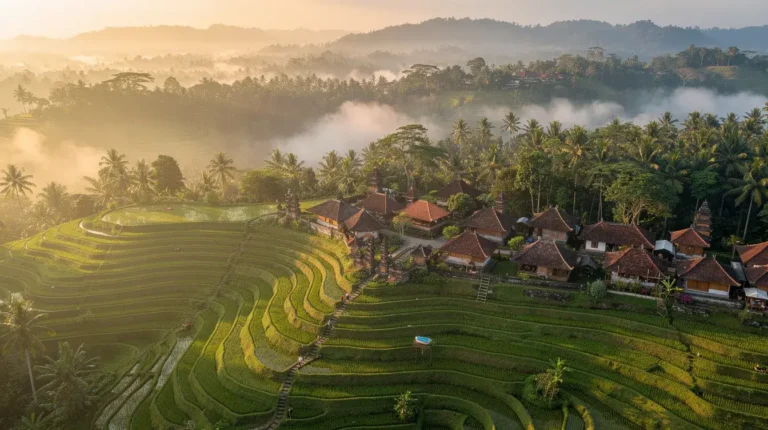
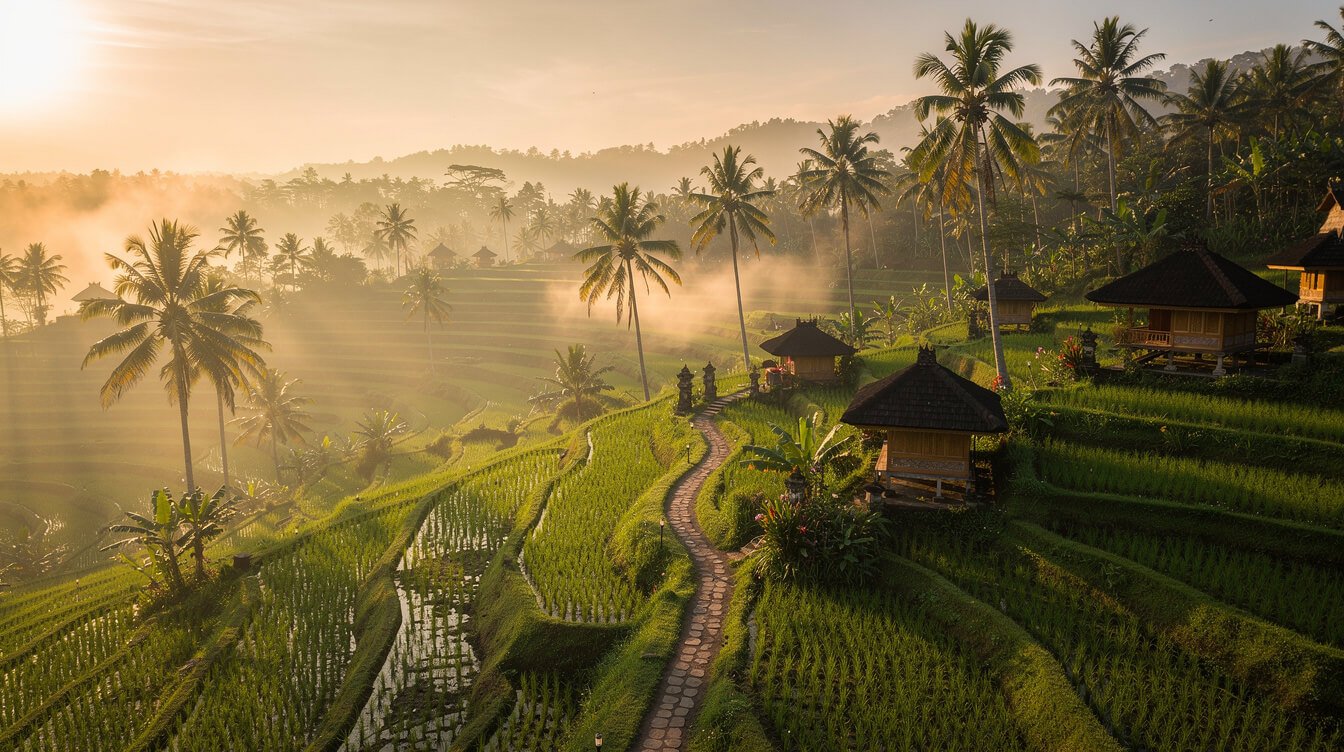
Your ubud 3 day itinerary starts with one decision most travel guides skip entirely: where you wake up. The right home base changes everything — the scent of frangipani through an open window, the sound of the gardener clipping flowers before sunrise, hot coffee already waiting on the pool deck. Ubud rewards the traveler who slows down enough to feel it, and three days is exactly enough time to move through rice terraces, sacred temples, hidden waterfalls, and village rhythms without rushing a single morning.
This is not a checklist. It is a sensory map — day by day, hour by hour — designed for couples, families, wellness seekers, and anyone who wants Ubud to feel like a personal invitation rather than a guided tour. We have walked every path in this guide, eaten at every table, and stood in every temple doorway. Here is how we would spend three days if we were handing Ubud to you.
Ubud 3 Day Itinerary: Day One — Rice Terraces, Monkey Forest, and Your First Ubud Sunset
Morning: Tegallalang Rice Terraces Before the Crowds
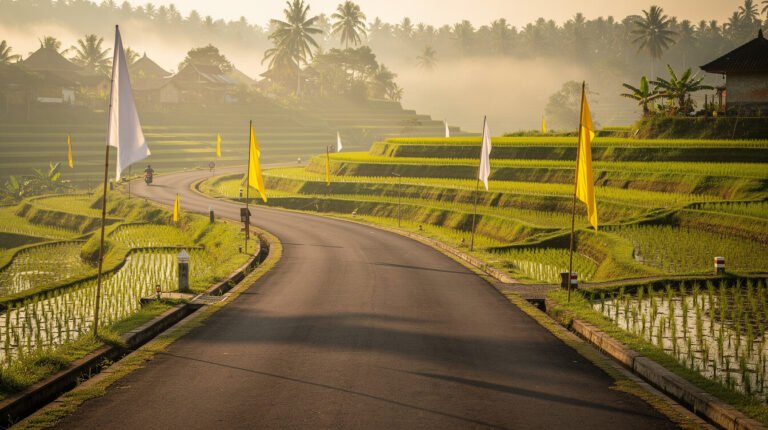
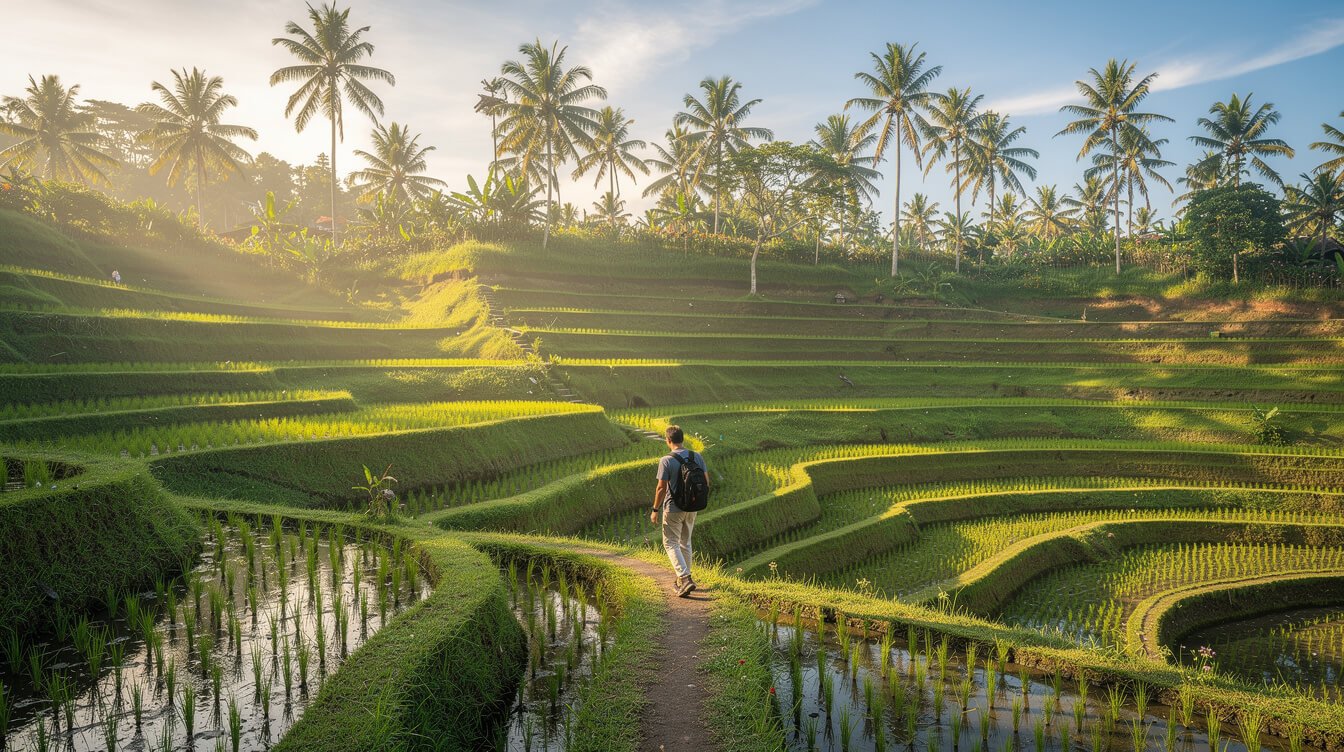
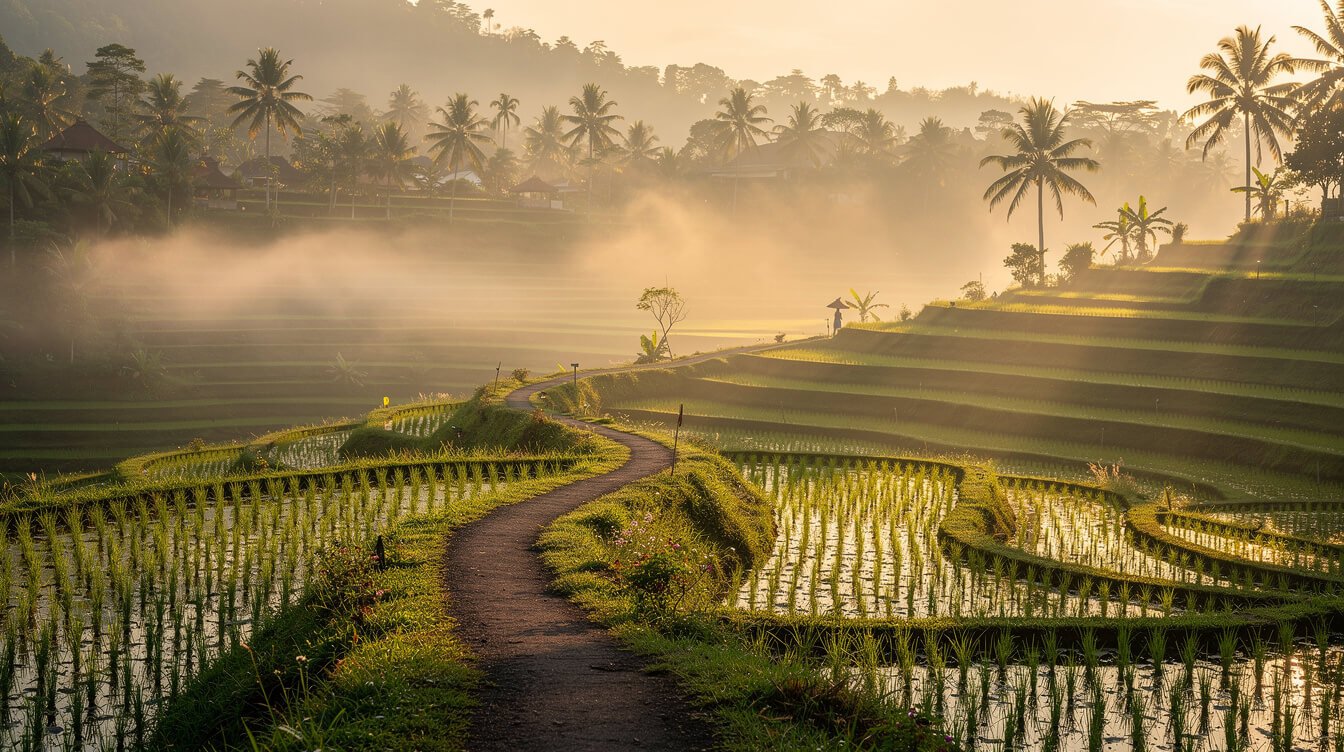
Leave by 7:30 AM. The air is still cool, the light is soft gold, and the tour buses have not arrived yet. Tegallalang is the rice terrace you have seen in every Bali photograph — emerald green steps carved into the hillside, coconut palms reaching above the canopy, farmers bending into centuries-old rhythms with the water and the earth.
Walk the lower paths, not the upper platforms where most visitors cluster. Down here, the terraces stretch in every direction without a railing or a selfie stick in sight. The sound is wind through palm fronds and water trickling through the subak irrigation channels — the same system Balinese farmers have used for a thousand years.
Budget about 90 minutes. Wear shoes you do not mind getting muddy. Bring water but skip the drone — the terraces are a no-fly zone, and honestly, your eyes will do a better job than any camera.
Midday: Ubud Palace and the Art Market
Head back toward central Ubud and stop at the Royal Palace (Puri Saren Agung). The carved stone entrance and frangipani-shaded courtyard are open to visitors during the day. This is not a museum — the royal family still lives here, and you can feel that in the way the stone is maintained, the offerings refreshed, the gardens swept.
Across the street, the Ubud Art Market unfolds in layers. The front stalls sell the expected sarongs and wooden carvings, but walk deeper — past the second and third corridors — and you will find hand-painted ceremonial masks, woven rattan bags made in the village, and silver jewelry from Celuk. Bargain gently. These are artisans, not warehouses.
Afternoon: The Sacred Monkey Forest Sanctuary
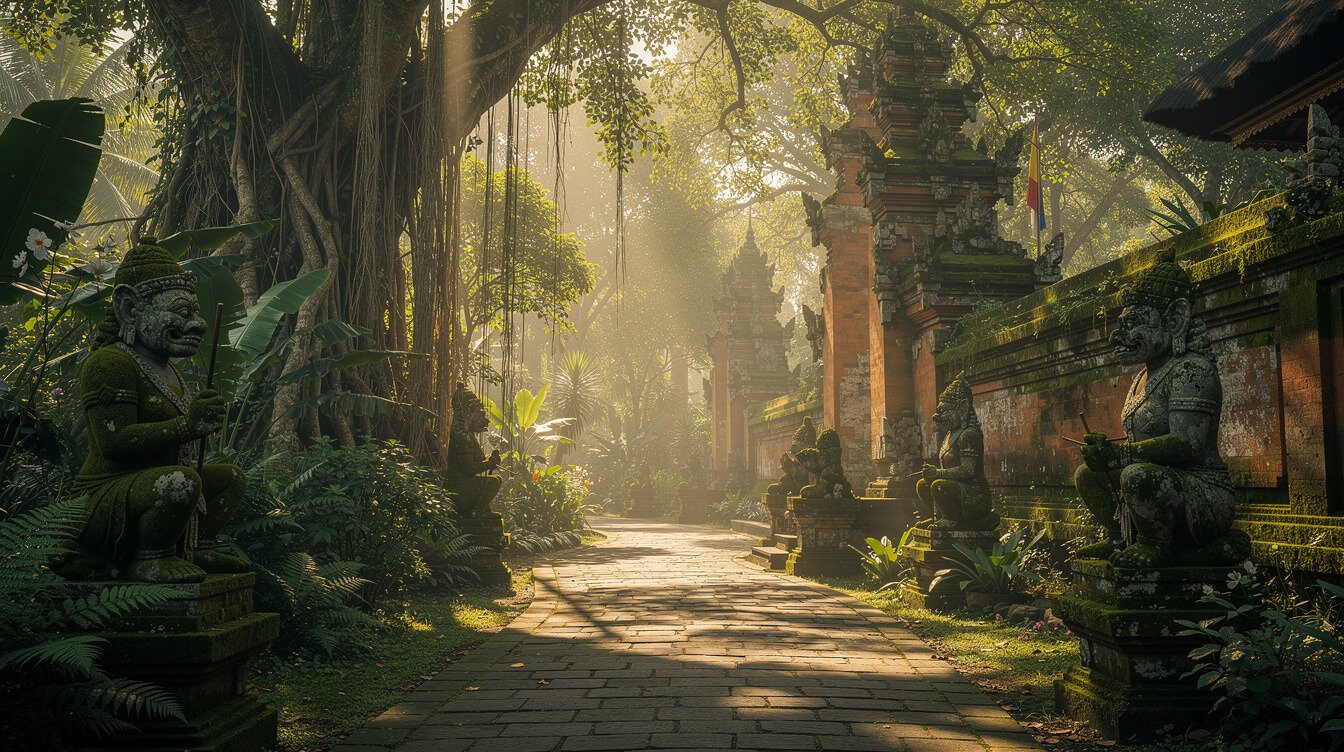
The Monkey Forest is exactly what it sounds like — a dense jungle sanctuary in the middle of town where long-tailed macaques rule every banyan branch, stone stairway, and moss-covered temple ruin. The atmosphere is otherworldly: ancient trees with roots that swallow stone, dappled light that shifts with every step, and the sound of monkeys calling through the canopy.
Two rules that will save your morning: carry nothing loose (no sunglasses on your head, no dangling bags) and do not feed or touch the monkeys. They are wild animals with very strong opinions about personal space. Admire from a respectful distance and you will have an extraordinary hour among the temples and pathways.
The forest covers about 30 acres with three ancient temples inside. Give yourself at least 90 minutes to walk the full loop — the dragon bridge and the moss-draped ravine at the back are worth the extra steps.
Evening: Sunset and Your First Ubud Dinner
For sunset, walk the Campuhan Ridge. The path starts near the Ibah hotel and traces a narrow spine between two river valleys — rice paddies falling away on both sides, the sun dropping behind Mount Batukaru. It is a 30-minute stroll, no entrance fee, and the light at golden hour is the kind that makes you put your phone away and just stand there.
For dinner, try Locavore NXT for inventive Indonesian tasting menus, or keep it simple at Warung Biah Biah — a family-run spot where the nasi campur changes daily and the sambal is made fresh each morning. If you are staying at a staffed villa with a private chef, ask them to prepare a traditional Balinese dinner on the terrace. There is something about eating under the stars with the sound of the river below that no restaurant can replicate.
Get a Free 3-Day Sample Itinerary
We have mapped out the morning-to-evening rhythm of three days in Ubud — the walks, the meals, the quiet moments. Drop your email and we will send it to your inbox.
Day Two of Your Ubud 3 Day Itinerary — Temples, Art, and the Village Rhythm
Morning: Tirta Empul Water Temple
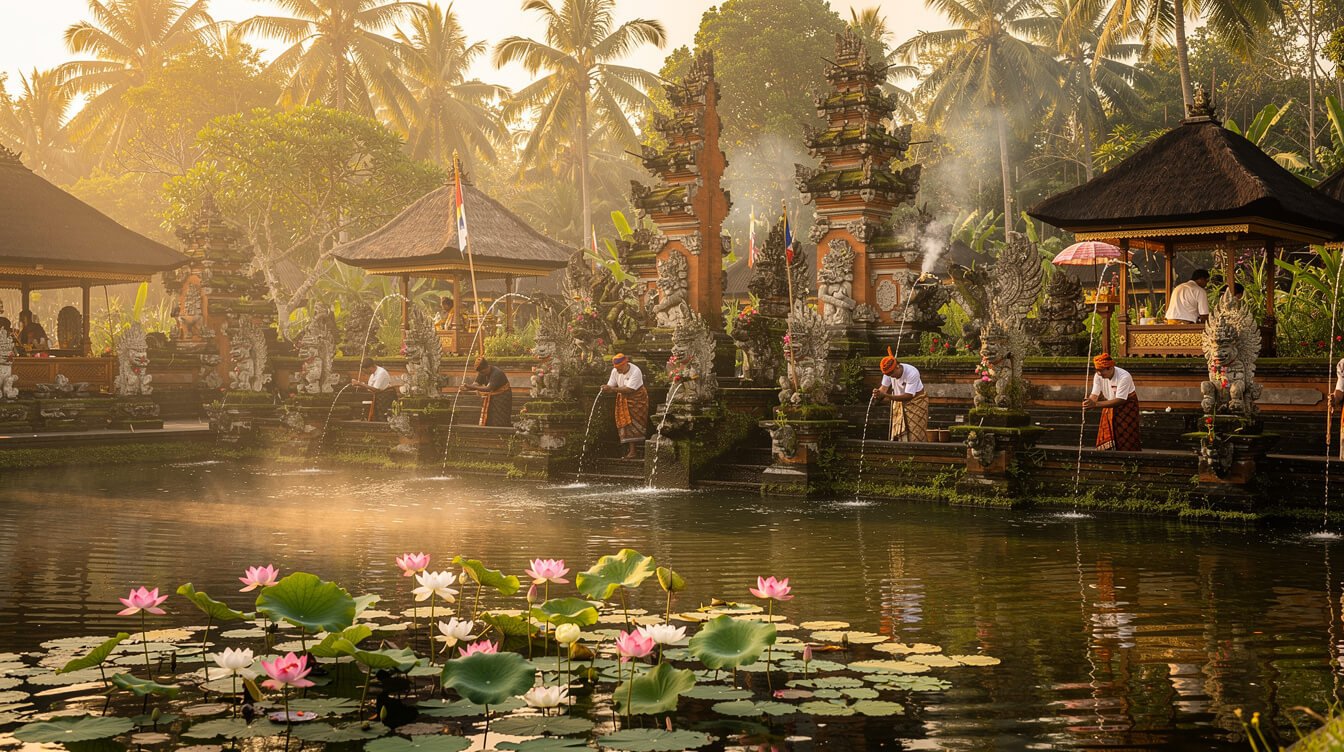
Drive 30 minutes north to Tirta Empul, one of the most sacred water temples on the island. Balinese Hindus come here for melukat — a purification ritual where you stand under a series of stone spouts and let the spring water wash over you. Visitors are welcome to participate (bring a sarong, wear modest clothing, and follow the instructions posted at the entrance).
Even if you choose to watch rather than wade in, the temple itself is worth the drive. Sacred fish swim in crystal-clear pools, stone carvings from the 10th century line the walls, and the atmosphere is one of genuine devotion — this is not a tourist attraction pretending to be holy. It is a working temple where prayer happens every morning.
Arrive before 9 AM. By mid-morning the parking lot fills with buses and the quiet reverence shifts to crowd management. Early visitors get the temple almost to themselves.
Midday: Gunung Kawi and Lunch in Tampaksiring
Ten minutes from Tirta Empul, the ancient rock-cut shrines of Gunung Kawi wait at the bottom of 370 stone steps. The descent through rice terraces is beautiful in itself — layers of green cascading toward the river — and the 11th-century carved facades at the bottom are among the oldest monuments in Bali.
The climb back up will remind you that you are on holiday, not at the gym. Take it slowly, stop at the small warung halfway up for coconut water, and enjoy the view you earned.
For lunch, eat at one of the family restaurants along the road between the two temples. The nasi goreng is simple and hot and exactly what your body wants after a morning of stone steps and sacred water.
Afternoon: Ubud Art Galleries and Cafe Culture
Back in town, spend the afternoon doing what Ubud does best: wandering. The ARMA Museum (Agung Rai Museum of Art) holds an extraordinary collection of traditional and contemporary Balinese painting — from intricate Kamasan-style works to bold modern canvases. The garden alone, with its lotus ponds and stone pathways, is worth an hour of slow walking.
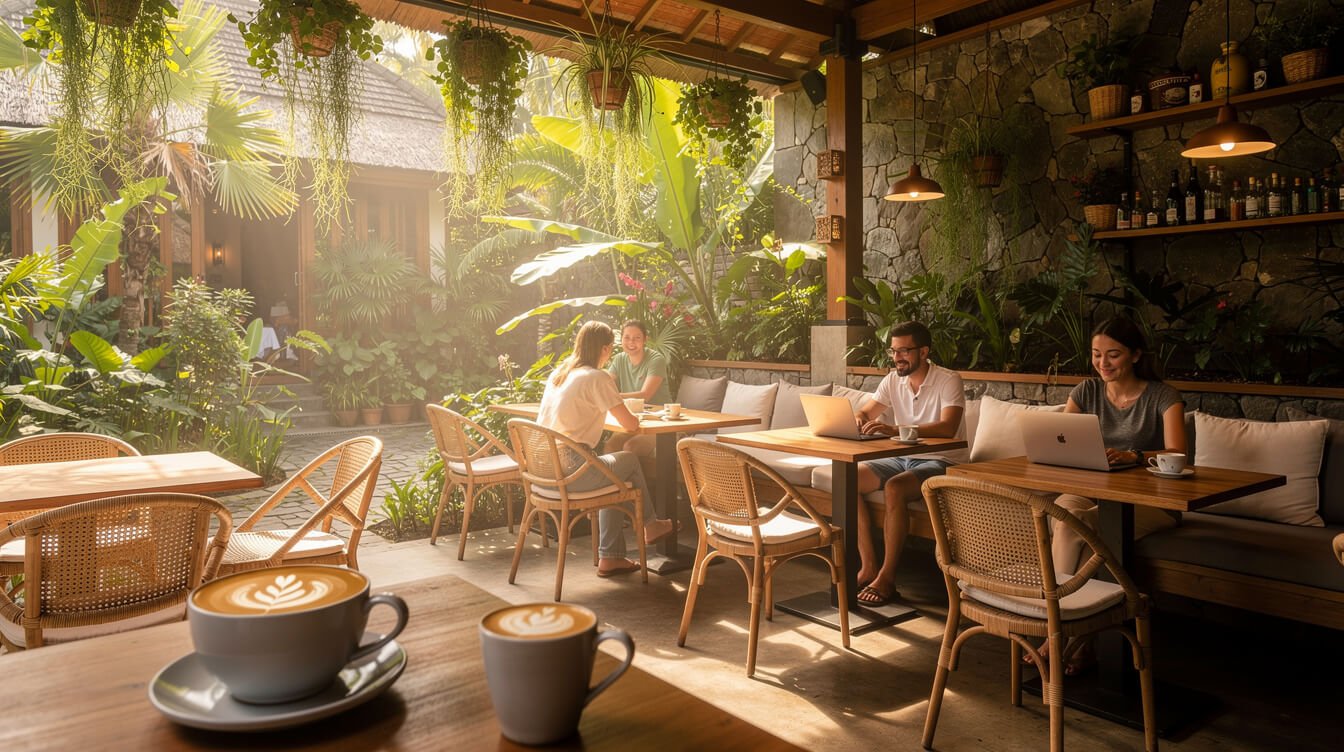
Then lose yourself in the cafe scene. Seniman Coffee Studio roasts its own beans and takes the craft seriously. Kismet is a neighborhood favorite for its open courtyard and long menu of Middle Eastern-inflected dishes. Milk & Madu delivers the smoothie bowls and hearty breakfasts that fuel half of Ubud’s yoga teachers.
This is the part of your ubud 3 day itinerary where you stop trying to see everything and start absorbing what you have already seen. Sit down. Order something cold. Watch the scooters weave past the offerings on the sidewalk. Ubud’s rhythm is not something you chase — it is something you settle into.
Evening: Traditional Dance at the Palace
Most evenings, the Ubud Royal Palace hosts traditional Balinese dance performances — Legong, Barong, or Kecak. Tickets are sold at the door (arrive 30 minutes early for a good seat). The dancers are from local villages, the gamelan orchestra plays live, and the stone courtyard lit with torches transforms into something ancient and electric.
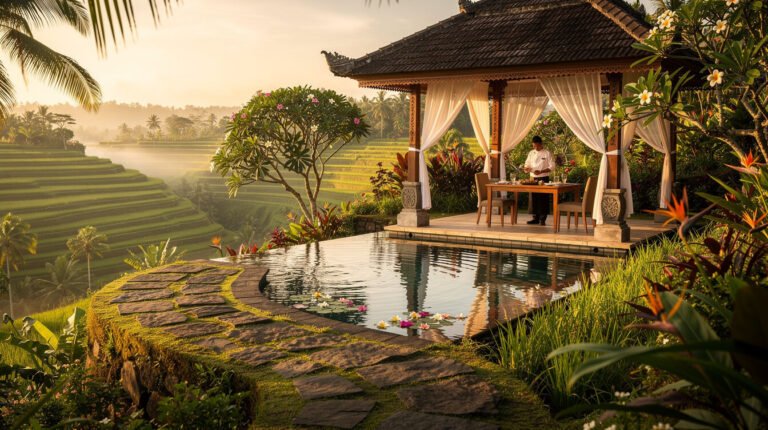
If you prefer a quieter evening, return to your accommodation. A fully staffed villa offers something no hotel can — the chef will prepare whatever you are in the mood for, served on the terrace with the garden lit by oil lamps. No reservation, no menu, no bill. Just the sound of the evening and whatever you feel like eating.
Make Ubud Your Home for Three Days
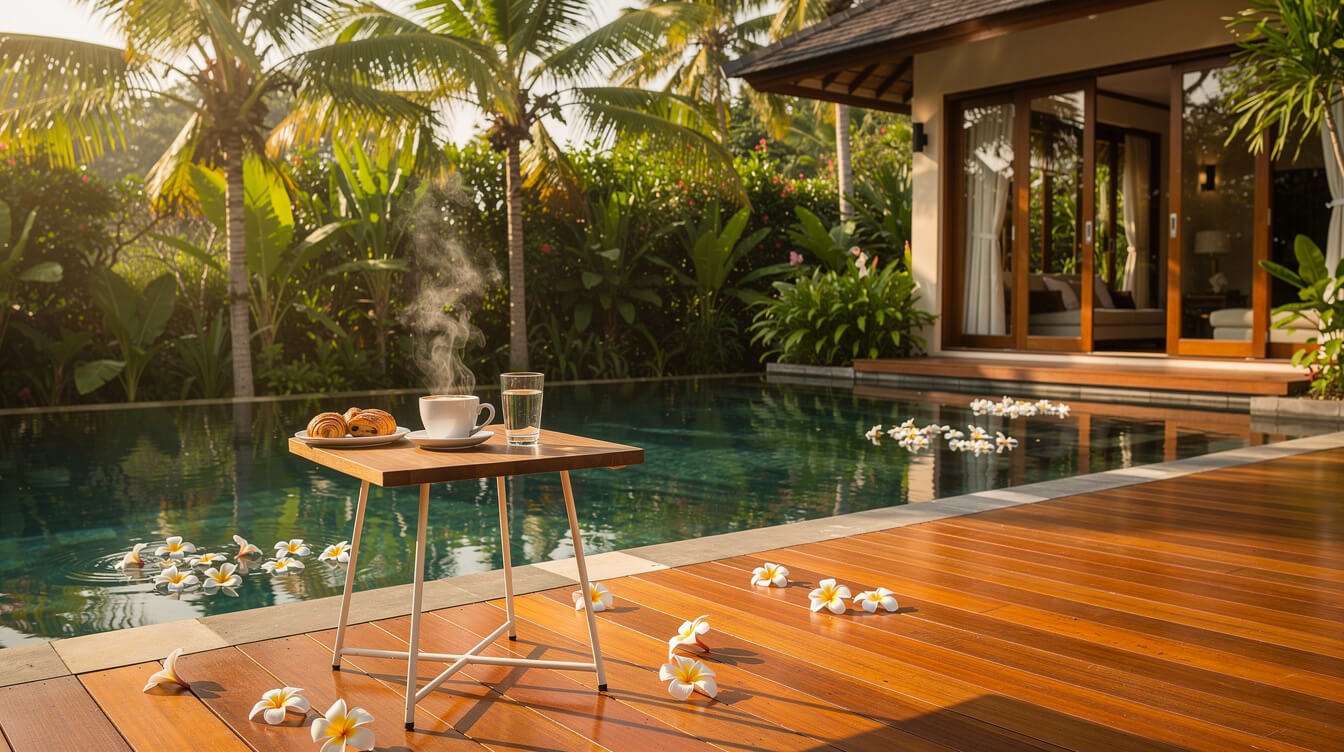
A private pool, a chef who knows the market, a gardener who clips frangipani for your bedside. Three bedrooms. Full staff. The kind of stay that makes Ubud feel like it was always yours.
Day Three — Waterfalls, Cooking, and Saying Goodbye Slowly

Morning: Tegenungan or Tibumana Waterfall
You have two strong options. Tegenungan is the easier reach — 20 minutes south of Ubud, a wide cascade dropping into a swimming pool framed by jungle. It is popular for a reason: the scale is impressive, the water is refreshing, and the surrounding gorge feels wild even with visitors around. Arrive before 8 AM and you may have the pool to yourself for a quiet swim.
Tibumana is the quieter choice — a 30-minute drive followed by a short jungle walk that ends at a narrow, two-tiered fall dropping into an emerald pool. Fewer visitors, thicker forest, more of that feeling of having found something on your own. Both waterfalls charge a small entrance fee (around 20,000-30,000 IDR) and have basic changing areas.
Whichever you choose, bring a waterproof bag for your phone, wear sandals with grip, and give yourself the full morning. Rushing a Bali waterfall is like fast-forwarding through the best part of a song.
Midday: A Balinese Cooking Class
If any single activity captures the soul of an ubud 3 day itinerary, it is a cooking class. Dozens operate in the area, but the best ones start at the morning market — Pasar Ubud — where your instructor walks you through the stalls, explaining each spice, each leaf, each paste that forms the backbone of Balinese cuisine.
You will learn to make base gede (the universal spice paste), satay lilit (minced fish satay wrapped around lemongrass), lawar (a ceremonial vegetable salad), and nasi kuning (turmeric rice). The class ends with you eating everything you made — and it turns out that food you cooked yourself in a Balinese kitchen, surrounded by rice fields, tastes better than almost anything.
Most classes run 4-5 hours and include pickup. Book directly with a local operator — Paon Bali, Casa Luna, and Bali Farm Cooking are all excellent choices run by Balinese families who have been teaching visitors for years.
Afternoon: Final Walks and Quiet Time
Your last afternoon belongs to whatever Ubud moment you have not had yet. Some ideas: walk the Sari Organic rice terrace loop north of town (flatter and quieter than Tegallalang). Visit the Blanco Renaissance Museum for its eccentric collection and river-valley views. Browse the bookshops on Jalan Dewi Sita. Or simply return to your private pool villa and float.
This is the honest truth about Ubud: the best moments are often the unplanned ones. The conversation with a gallery owner who turns out to be a traditional painter. The unexpected ceremony procession that blocks the road for 20 minutes and fills the air with gamelan and incense. The sunset you catch from the pool deck because you decided to stay in instead of going out.
Where to Stay During Your Ubud 3 Day Itinerary
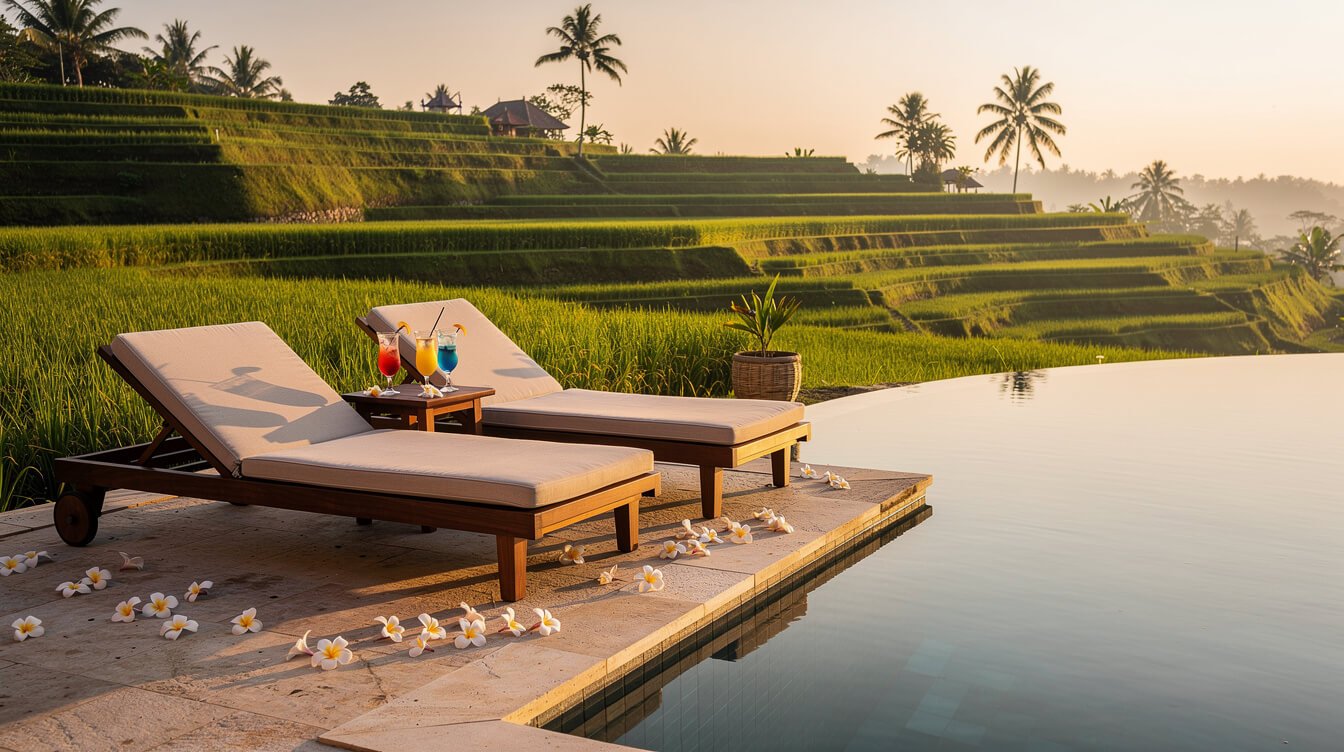
Your accommodation shapes your entire Ubud experience. Hotels offer convenience. Hostels offer price. But a staffed private villa offers something neither can match — the feeling that Ubud is being held for you.
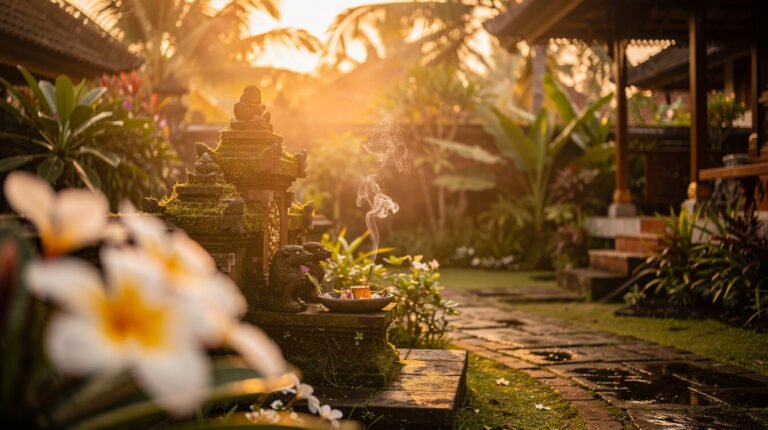
A 3-bedroom villa with a full team (chef, housekeeper, villa manager, gardener) means your mornings start with fresh coffee on the pool deck before you even ask for it. It means returning from Tegallalang to a lunch the chef prepared from ingredients she bought at the market that morning. It means a gardener who fills the bedside vases with frangipani and a manager who knows which warung has the best nasi campur and which roads to avoid during ceremonies.
For families, the three-bedroom layout means everyone has space. For couples, it means privacy without isolation — the staff is there when you want them, invisible when you do not. For small groups or retreat planners, it means a venue that feels intimate, not institutional.
This is not the kind of accommodation you endure between activities. It is part of the itinerary itself — the pool at golden hour, the terrace dinner, the morning sounds of the garden. If your Bali resort does not make you want to stay in occasionally, it is the wrong one.
Practical Tips for Your Ubud 3 Day Itinerary
Getting Around
Renting a scooter is the fastest way to move (35,000-75,000 IDR/day), but Ubud traffic is chaotic and the roads are narrow. If you are not an experienced rider, hire a private driver for the day (400,000-600,000 IDR for 8-10 hours). Your villa manager can arrange one with a single message — usually someone from the village who knows every shortcut.
What to Pack
- Sarong: Required for temple entry. Buy one at the Art Market on Day 1.
- Comfortable walking shoes: Tegallalang, Gunung Kawi, and the waterfalls all involve uneven terrain.
- Rain layer: Afternoon showers are common, even in dry season. They pass quickly.
- Reef-safe sunscreen: The Bali sun is stronger than you expect, especially at the waterfalls.
- Cash: Many warungs and market stalls do not accept cards. ATMs are plentiful in central Ubud.
Best Time to Visit Ubud
April through October is dry season — warm days, cool evenings, and the rice terraces at their greenest. July and August are peak tourist months, so book accommodation early. November through March brings afternoon rain, lower prices, and a lusher, more dramatic landscape. Ubud is genuinely beautiful year-round — the rain just adds a different kind of atmosphere.
Budget Expectations
Ubud ranges from affordable to high-end, often on the same street. A warung meal costs 30,000-50,000 IDR ($2-3 USD). A fine-dining tasting menu at Locavore runs $80-120 per person. Temple entrance fees are modest (15,000-50,000 IDR). A full-day private driver is one of the best values in Bali travel — the equivalent of $25-40 USD for door-to-door comfort.
Frequently Asked Questions About an Ubud 3 Day Itinerary
Is 3 days enough for Ubud?
Three days is enough to experience Ubud’s essential rhythm — rice terraces, temples, waterfalls, art, and food — without feeling rushed. You will not see everything, but you will feel the place. If you have more time, a fourth or fifth day lets you add a sunrise Mount Batur trek, a yoga retreat, or a day trip to the eastern beaches.
Should I stay in Ubud center or outside?
Staying 10-15 minutes outside central Ubud gives you the best of both — quiet mornings, rice-field views, and genuine village atmosphere, with easy access to restaurants and shops. The noise and traffic in central Ubud can feel intense, especially at night. A villa or retreat property just outside town offers the tranquility most visitors are actually looking for.
Do I need a driver in Ubud?
For Day 1 (Tegallalang) and Day 2 (Tirta Empul + Gunung Kawi), a driver makes your life significantly easier. Day 3 waterfalls also benefit from a driver. Central Ubud is walkable for cafes, galleries, and the Monkey Forest. Ask your accommodation to arrange a driver — they will know someone reliable and fair.
What should I not do in Ubud?
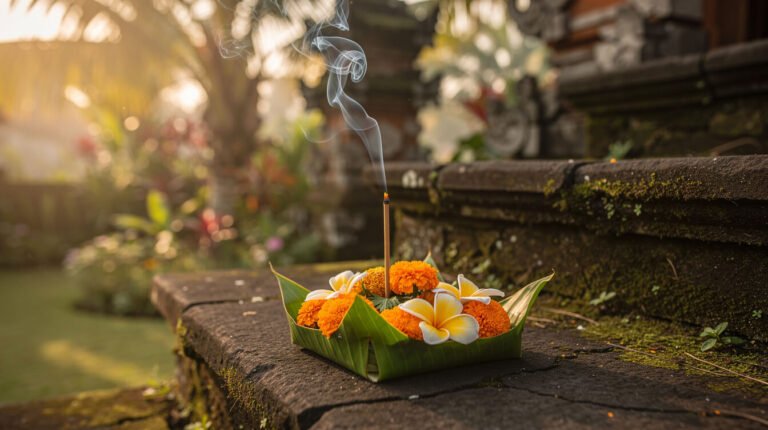
Do not touch the monkeys at the Monkey Forest. Do not enter temples without a sarong. Do not step on the canang sari (daily offerings) placed on sidewalks and doorsteps. Do not honk at ceremony processions — pull over and wait. And do not try to see everything in three days. The best moments happen when you stop rushing.
Your Ubud 3 Day Itinerary at a Glance
Here is the full three-day overview, morning to evening:
Day 1: Tegallalang Rice Terraces → Ubud Palace + Art Market → Sacred Monkey Forest → Campuhan Ridge sunset → dinner (warung or private chef)
Day 2: Tirta Empul Water Temple → Gunung Kawi → ARMA Museum + cafe afternoon → traditional dance at the Palace (or terrace dinner at your villa)
Day 3: Tegenungan or Tibumana Waterfall → Balinese cooking class → Sari Organic walk or pool afternoon → farewell dinner
Three days in Ubud is not about covering distance. It is about the quality of each moment — the weight of morning mist on the terraces, the cool shock of waterfall water on your skin, the taste of turmeric rice you made yourself. Ubud gives you back whatever energy you bring to it, and the right home base makes sure you arrive each morning rested, fed, and ready for whatever the day unfolds.

Stay in Touch With Ubud
Fun, new, exciting Bali news — what is blooming, what is opening, what the village is cooking this week. No spam, just warmth from Ubud to your inbox.