Bali Spiritual Retreat: Your Complete Guide to Sacred Healing and Inner Transformation in Ubud
A bali spiritual retreat is not something you book from a catalog. It is something that finds you — in the smoke of temple incense, in the sound of water moving over ancient stone, in the quiet attention of a healer who has been listening to bodies for forty years. Ubud, in the green heart of Bali, is where most of these encounters happen. Not because someone built a retreat center and called it spiritual, but because the land itself holds ceremony in its daily rhythm.
This guide walks you through everything you need to know about creating a genuine spiritual experience in Bali — the sacred traditions, the healing practices, the temples, and the overlooked option of designing your own retreat from a private staffed villa where the pace is yours alone.
What Makes a Bali Spiritual Retreat Different from Anywhere Else
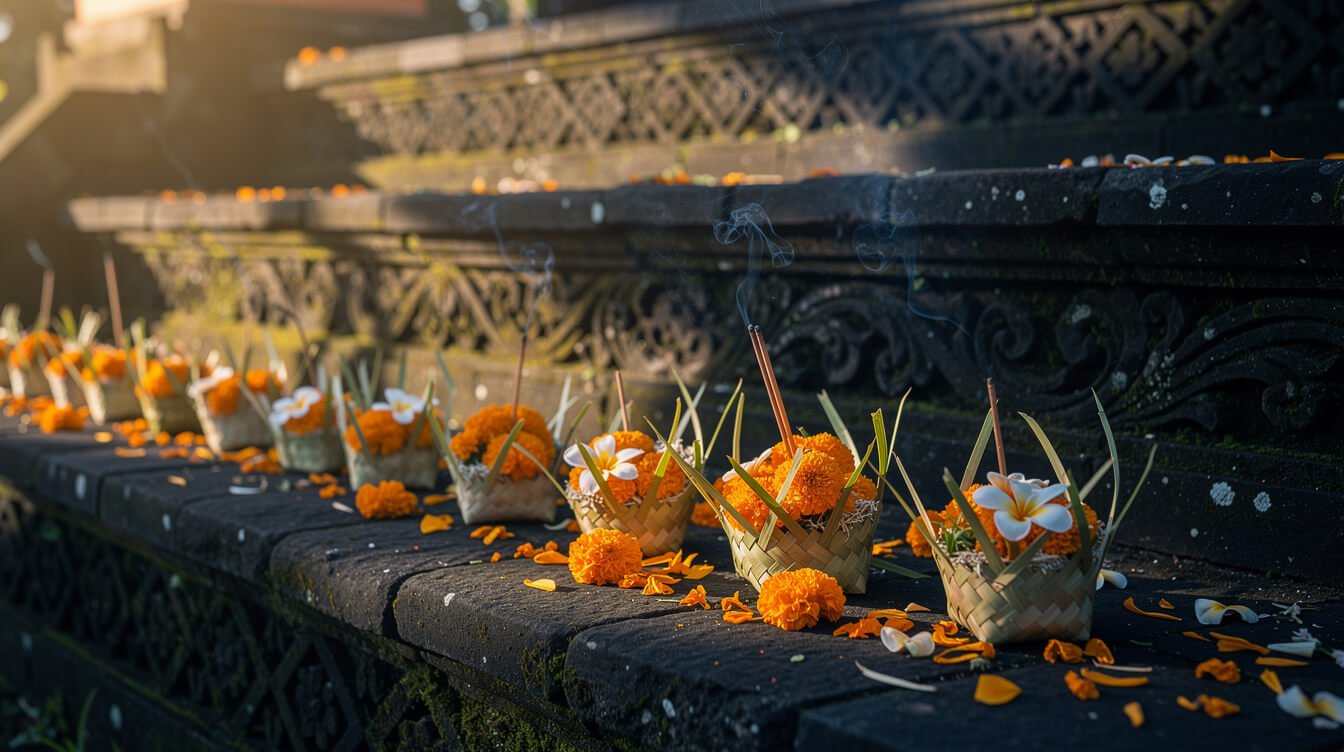
Bali is one of the few places on earth where spirituality is not an industry — it is infrastructure. The island runs on a Hindu-Animist calendar that dictates planting, harvesting, ceremony, and rest. Every village has at least three temples. Every morning begins with offerings placed on doorsteps, dashboards, and shop counters. Spirituality here is not something you seek out; you walk through it.
What makes a Bali spiritual retreat fundamentally different from a retreat in Sedona, Costa Rica, or India is this daily integration. You are not stepping into a separate “spiritual container” — you are stepping into a culture that has never separated the sacred from the ordinary. The gardener trimming frangipani for your room is also the man who dances the Barong at the village temple. The cook preparing your breakfast just came back from making offerings at the family shrine.
This is what most retreat center listicles miss. They compare programs, prices, and amenities. But the real power of Bali as a spiritual destination is not inside any single center — it is in the living culture surrounding you, available every day, in every village, free of charge. Your wellness retreat in Bali becomes spiritual not because of the schedule, but because of where you are standing.
Understanding Balinese Spiritual Traditions
Balinese Hinduism — called Agama Hindu Dharma — is unique in the world. It blends Indian Hindu theology with ancient Austronesian animism, ancestor worship, and Buddhist elements that arrived centuries ago. The result is a faith system where every rock, tree, river, and mountaintop carries spiritual significance.
Three core concepts shape the Balinese spiritual worldview:
- Tri Hita Karana — the three causes of wellbeing: harmony with God (Parhyangan), harmony with other people (Pawongan), and harmony with nature (Palemahan). Every temple, every village layout, every rice terrace irrigation system reflects this principle.
- Rwa Bhineda — the balance of opposites. Good and evil, sacred and profane, mountain and sea. Bali does not try to eliminate darkness; it seeks balance. This is why you will see fierce demon statues guarding temples — they are protectors, not enemies.
- Sekala and Niskala — the seen and unseen worlds. Balinese life moves simultaneously in the physical realm (sekala) and the metaphysical realm (niskala). Ceremony is the bridge between them.
For anyone on a bali spiritual retreat, understanding these foundations changes everything. You stop seeing temple visits as “cultural tourism” and start recognizing them as living encounters with a cosmology that has been continuous for over a thousand years. The things you experience in Ubud carry weight because the Balinese themselves still believe in them — this is not a museum, it is a practice.
Sacred Ceremonies and Water Purification Rituals
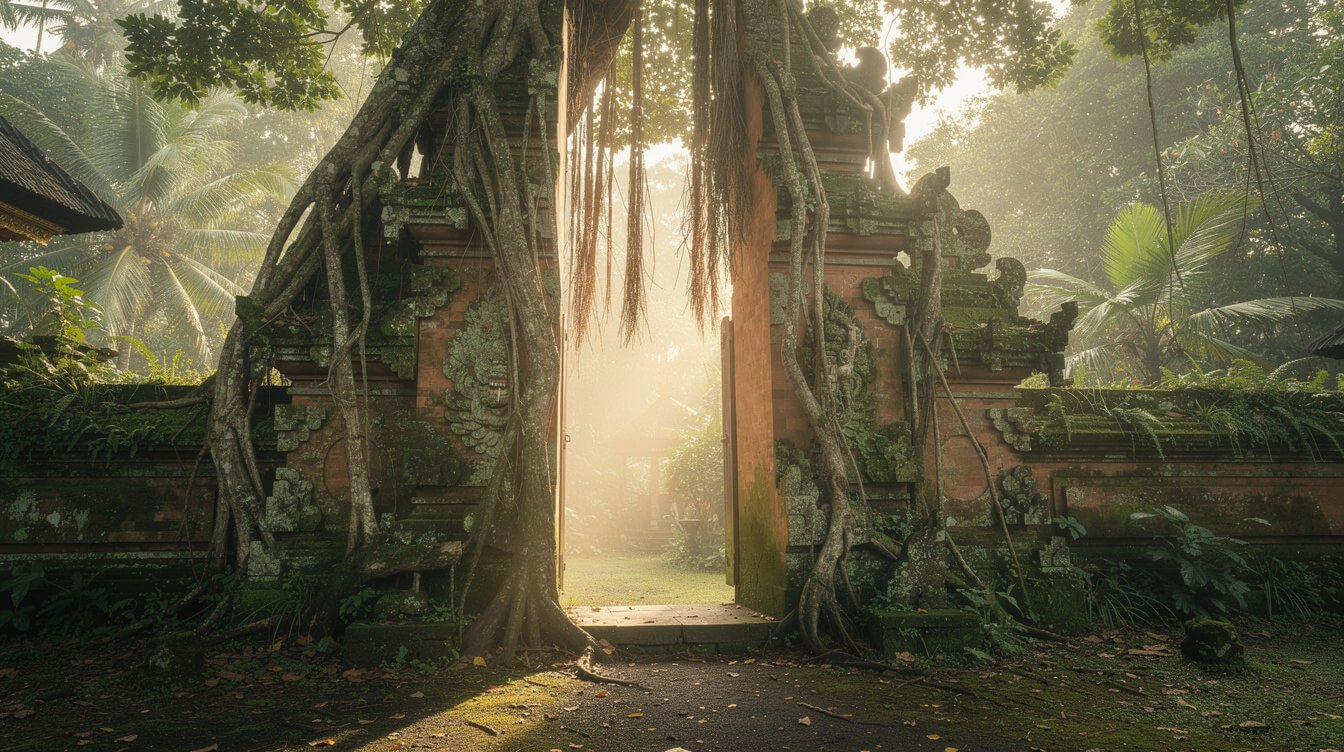
The ceremony calendar in Bali runs on two systems: the 210-day Pawukon cycle and the lunar Saka calendar. Major ceremonies like Galungan (the triumph of dharma over adharma) and Nyepi (the Day of Silence) define the year’s spiritual rhythm. But smaller ceremonies happen constantly — full moon (Purnama), new moon (Tilem), and temple anniversary celebrations called Odalan occur across thousands of temples island-wide, almost every day.
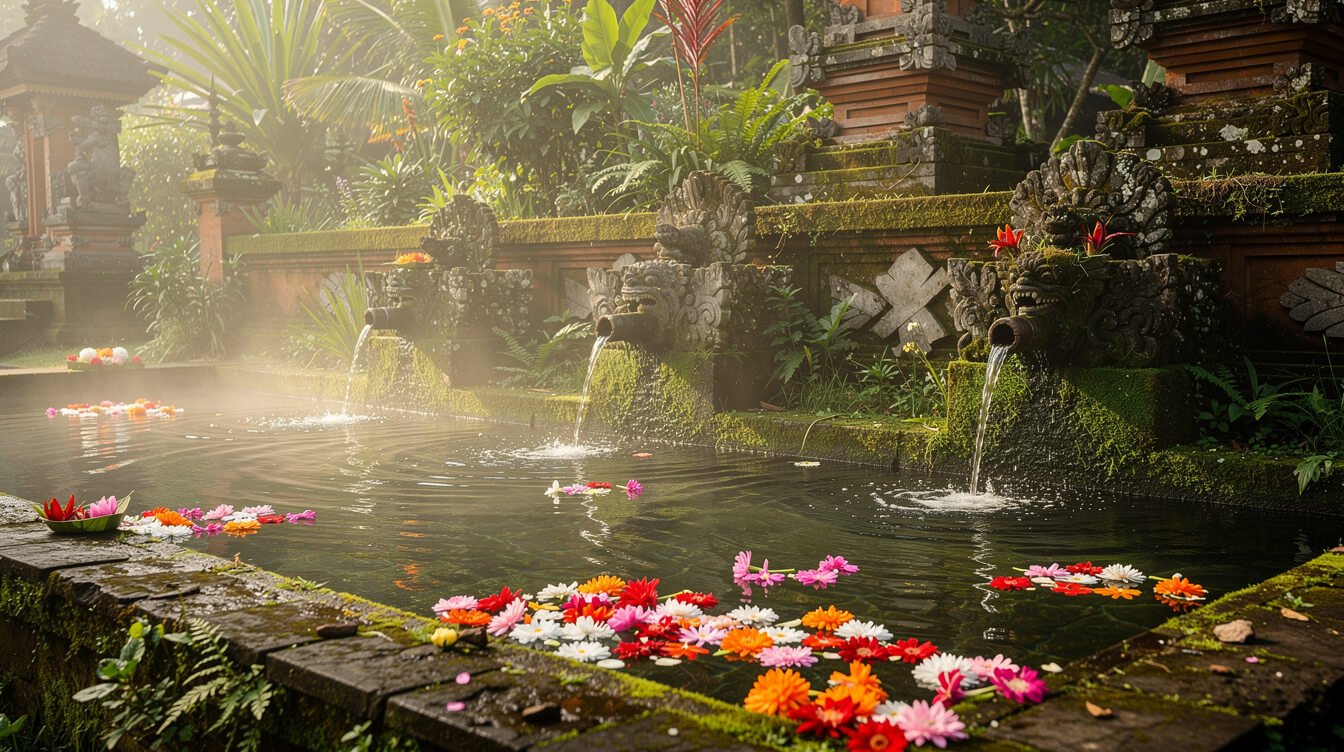
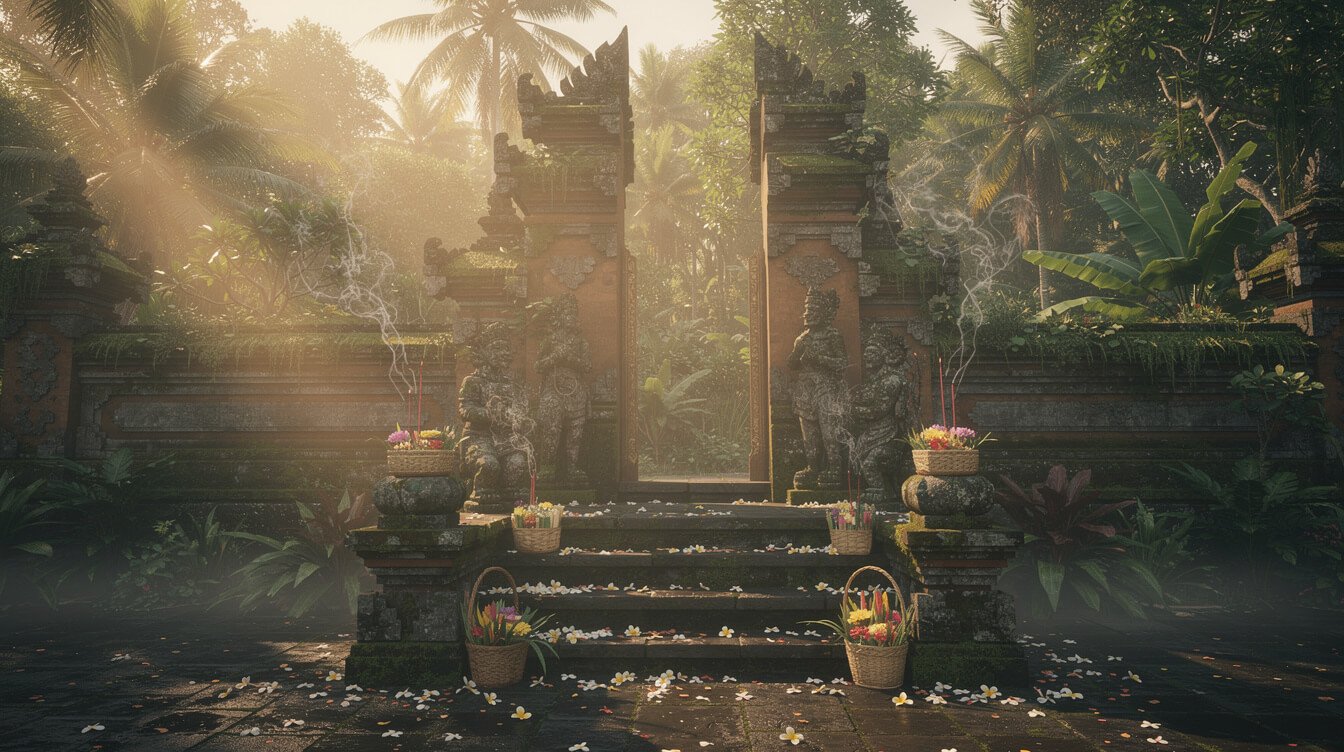
The most accessible spiritual ceremony for visitors is melukat — water purification. Practiced at sacred water temples like Tirta Empul (about 30 minutes from Ubud), melukat involves passing through a series of holy water spouts while setting intentions and releasing what no longer serves you. It is not symbolic — the Balinese believe the water itself carries purifying power from underground springs connected to Mount Agung, the island’s most sacred volcano.
Other ceremonies you may encounter during your spiritual retreat:
- Canang sari offerings — the small palm-leaf baskets filled with flowers, rice, and incense placed everywhere, every day. Watch how they are made; it is a meditation in itself.
- Melasti — a purification procession to the sea before Nyepi, where entire villages carry sacred objects to the ocean.
- Tumpek Wariga — a ceremony honoring plants and trees. The Balinese bless their gardens, their rice fields, even specific trees that shelter the village.
- Tooth filing (Metatah) — a coming-of-age ceremony that symbolically removes the six human vices. Witnessing one, if invited, is deeply moving.
The team at a staffed villa can tell you what ceremonies are happening this week in the surrounding villages. This kind of insider timing is what separates a genuine healing retreat in Bali from one where you only see what is on the program sheet.
Get a Free 3-Day Sample Itinerary
See what a spiritual retreat from a private villa in Ubud actually looks like — morning ceremonies, afternoon healers, evening stillness. We will send you a sample itinerary with our team’s genuine recommendations.
Meditation and Mindfulness Practices in Ubud
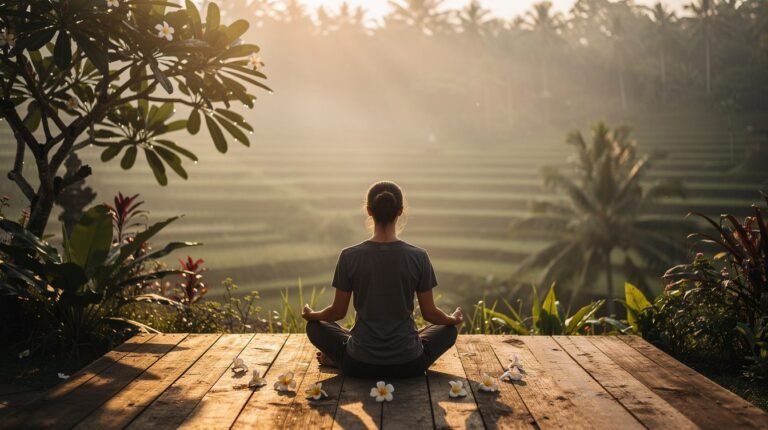
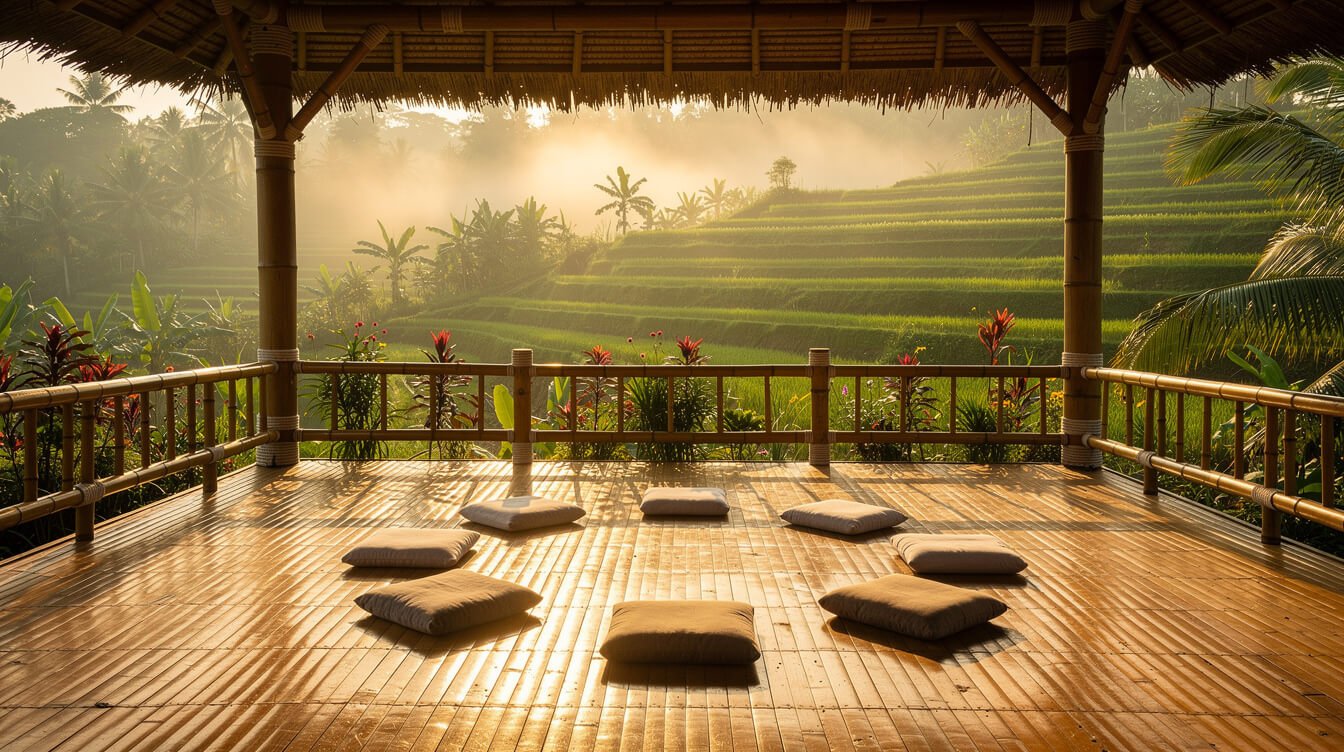
Ubud has become one of the world’s genuine meditation destinations — not because of marketing, but because the environment itself supports inner quiet. The rice fields generate a natural white noise. The morning air is cool enough to sit still. The village rhythm slows your breathing without you noticing.
Meditation options in and around Ubud range from traditional to contemporary:
Vipassana and insight meditation — Several centers near Ubud offer multi-day silent retreats in the Theravada Buddhist tradition. These are rigorous: no phones, no speaking, no eye contact, 10+ hours of sitting per day. Bali Silent Retreat in Tabanan runs regular 3-day and 7-day programs. This path is not gentle, but it is transformative.
Guided meditation and breathwork — The Yoga Barn, Radiantly Alive, and The Yoga Shala run daily drop-in meditation sessions ranging from 30 minutes to two hours. Styles include loving-kindness (metta), body scan, and Balinese-influenced practices that incorporate visualizing the island’s sacred geography.
Walking meditation — The Campuhan Ridge Walk at dawn is one of the most naturally meditative walks on the island. The narrow ridge between two river valleys, the tall grass moving in the breeze, the absence of traffic — it requires no instruction. You simply walk and notice.
Breathwork (pranayama and holotropic) — Ubud has become a hub for breathwork facilitators, both traditional pranayama from the yogic lineage and newer modalities like holotropic breathwork and Wim Hof method. These sessions often combine with sound healing or cacao ceremony for a layered experience.
The advantage of practicing meditation during your yoga retreat in Bali is context. You are not trying to find stillness despite your surroundings — you are finding it because of them. The gamelan from a distant ceremony, the cockerel calling at 5 AM, the rain arriving on the tin roof — these become part of the practice, not interruptions to it.
Healing Arts — From Ancient Balian Wisdom to Sound Healing
Bali’s healing traditions predate any wellness trend by centuries. The island’s traditional healers — called balian — work with energy, herbs, prayer, and what the Balinese call taksu (spiritual power). A session with a genuine balian is nothing like a spa treatment. There is no intake form. The healer reads your energy, often without you speaking, and works with what they find.
Types of balian you may encounter:
- Balian usada — herbal healers who work with traditional lontar (palm leaf manuscript) remedies. They prepare medicines from local plants, roots, and minerals.
- Balian ketakson — trance healers who channel spiritual entities during healing. These sessions can be intense and are not for everyone.
- Balian tulang — bone setters, essentially traditional chiropractors who have been adjusting spines using techniques passed down through family lineages.
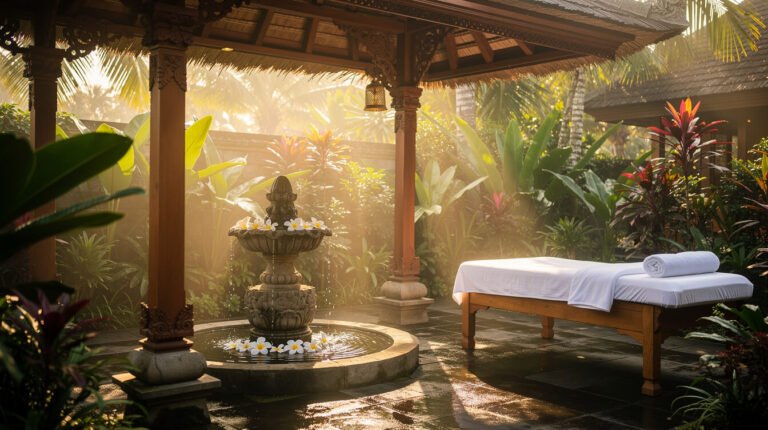
Finding a legitimate balian requires a local introduction. This is where staying in a staffed villa matters — the villa manager or chef often has a family connection to a healer and can arrange a session that would be impossible to find on Google. The spa experiences in Ubud are wonderful, but a balian session is something else entirely.
Beyond traditional healing, Ubud now offers a full spectrum of contemporary modalities:
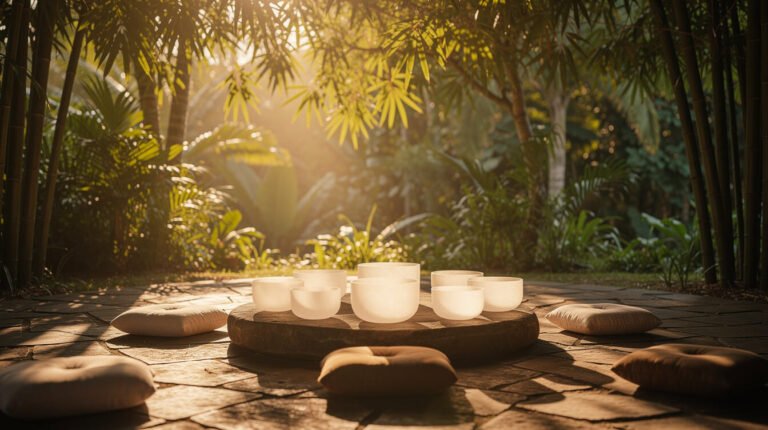
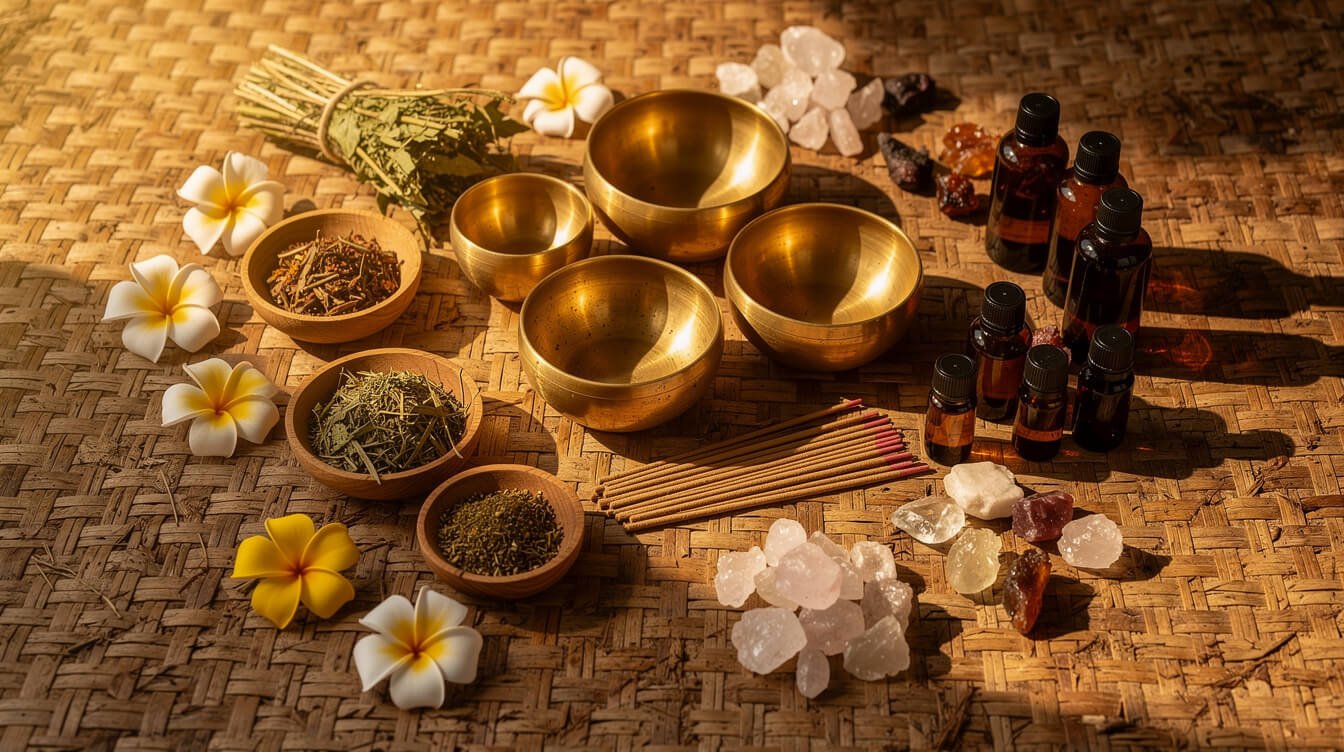
- Sound healing — crystal and Tibetan singing bowls, gongs, tuning forks. Pyramids of Chi near the Monkey Forest is purpose-built for sound immersion.
- Energy work — Reiki, craniosacral therapy, and biofield tuning practitioners have set up practice in Ubud alongside the traditional healers.
- Plant medicine ceremonies — cacao ceremony is widely available and legal. Other plant medicines exist in Bali’s underground wellness scene, but they carry legal risk and require careful discernment.
- Acupuncture and Traditional Chinese Medicine — several qualified practitioners serve Ubud’s international wellness community.
A bali spiritual retreat that includes both a balian session and a sound healing gives you the full spectrum — the ancient and the contemporary, the Balinese and the global, the whispered and the resonant.
Sacred Sites and Temples to Visit Near Ubud
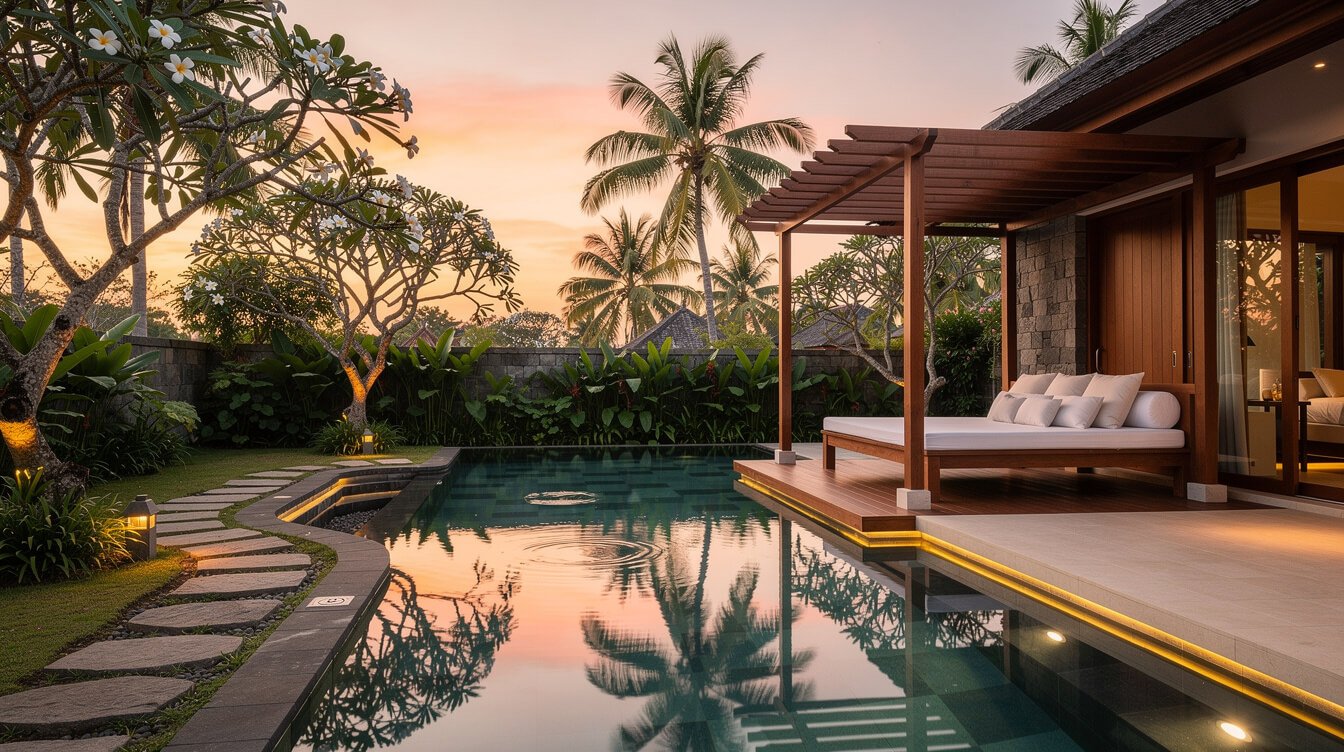
Ubud sits at the center of Bali’s most concentrated cluster of sacred sites. Within 30 minutes of the town center, you can visit temples that are over a thousand years old, walk through rice terraces that function as living spiritual ecosystems, and sit beside rivers that the Balinese consider channels between the physical and metaphysical worlds.
Tirta Empul — The holy spring temple where melukat (water purification) is practiced daily. Built in 962 AD around natural springs that the Balinese believe were created by the god Indra. Visitors can participate in the purification ritual — arrive early morning for the most intimate experience.
Goa Gajah (Elephant Cave) — A 9th-century cave carved into a riverbank, featuring a meditating Ganesh figure and ancient bathing pools. The energy inside the cave is palpable. Many visitors describe a distinct shift in temperature and sensation when crossing the threshold.
Gunung Kawi — Rock-cut shrines carved into the cliff face of a river valley, dating to the 11th century. The walk down 300 steps through rice terraces is part of the pilgrimage. These are memorial shrines, possibly for ancient Balinese royalty, and the scale of the carving is humbling.
Pura Tirta Tawar — A small water temple in Ubud that most tourists walk past without noticing. Local families come here for purification ceremonies. If you see white-clad worshippers gathering at the spring, you are witnessing something real.
Sacred Monkey Forest Sanctuary — Beyond the macaques, this is a functioning temple complex with three pura (temples) set within an ancient nutmeg forest. The Pura Dalem Agung Padangtegal, the temple of the dead, sits at the forest’s deepest point. Walk there at dusk when the tour groups have left.
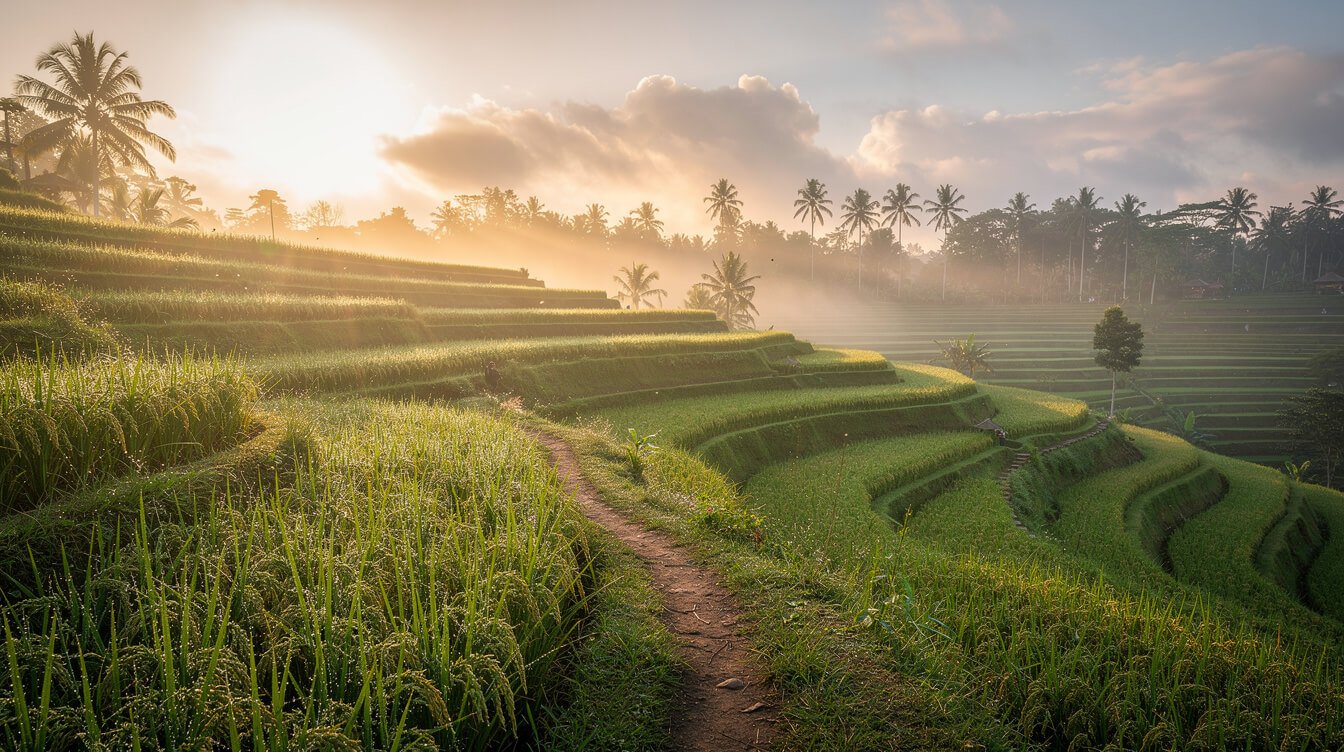
Tegallalang Rice Terraces — Not a temple, but a spiritual landscape. The subak irrigation system that shapes these terraces is a UNESCO-recognized expression of Tri Hita Karana — the harmony between humans, nature, and the divine. Standing here at sunrise, watching water move through channels carved by hand over centuries, is a form of contemplation.
The best way to visit these sites is slowly — one per day, in the quiet morning hours, with the intention of sitting rather than photographing. Your villa team can arrange a driver who knows the back roads and the timing of local ceremonies, turning a temple visit into something that feels less like tourism and more like pilgrimage.
Your Spiritual Retreat Starts Here
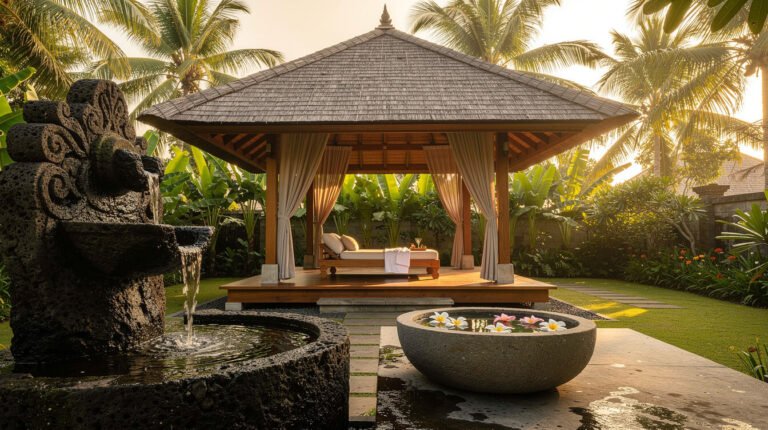
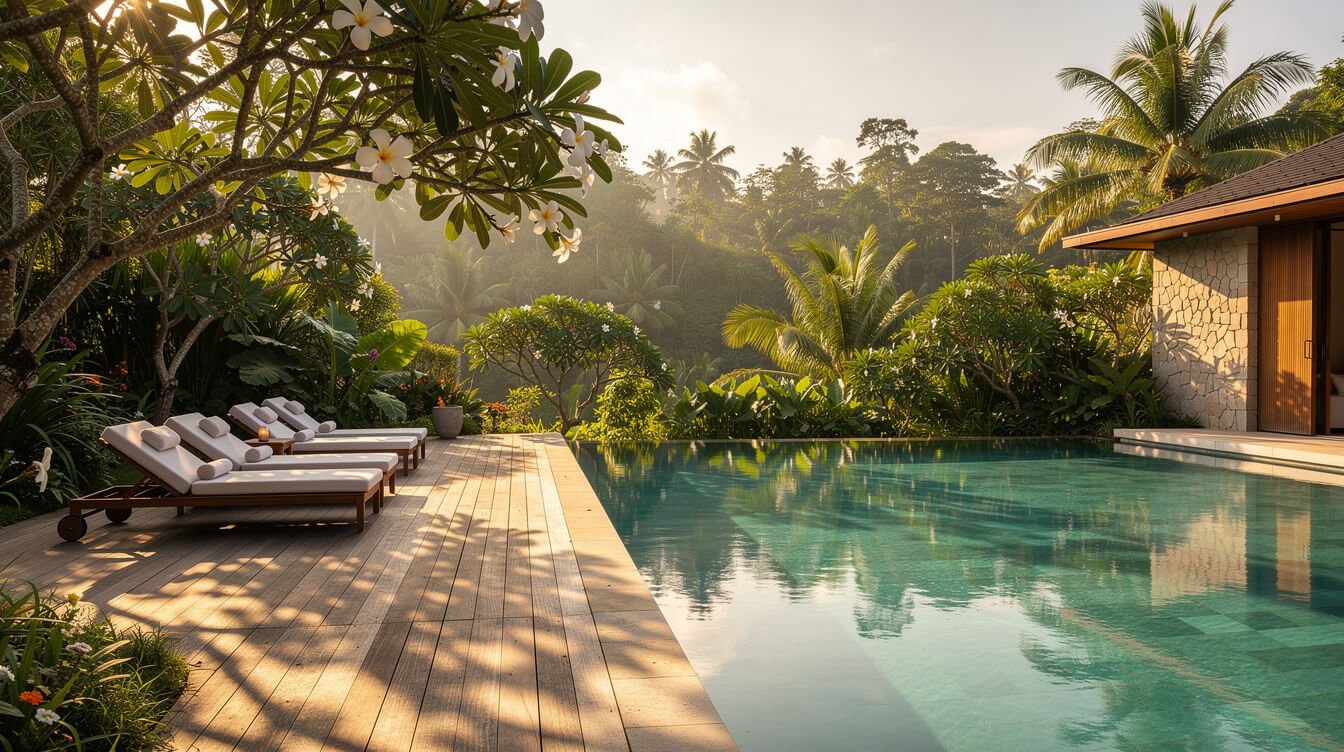
A private staffed villa in Ubud — full chef, villa manager, gardener — gives you the freedom to design your spiritual retreat on your own terms. No group schedule. No shared spaces. Just you, the team, and the island.
Designing Your Own Bali Spiritual Retreat from a Private Villa
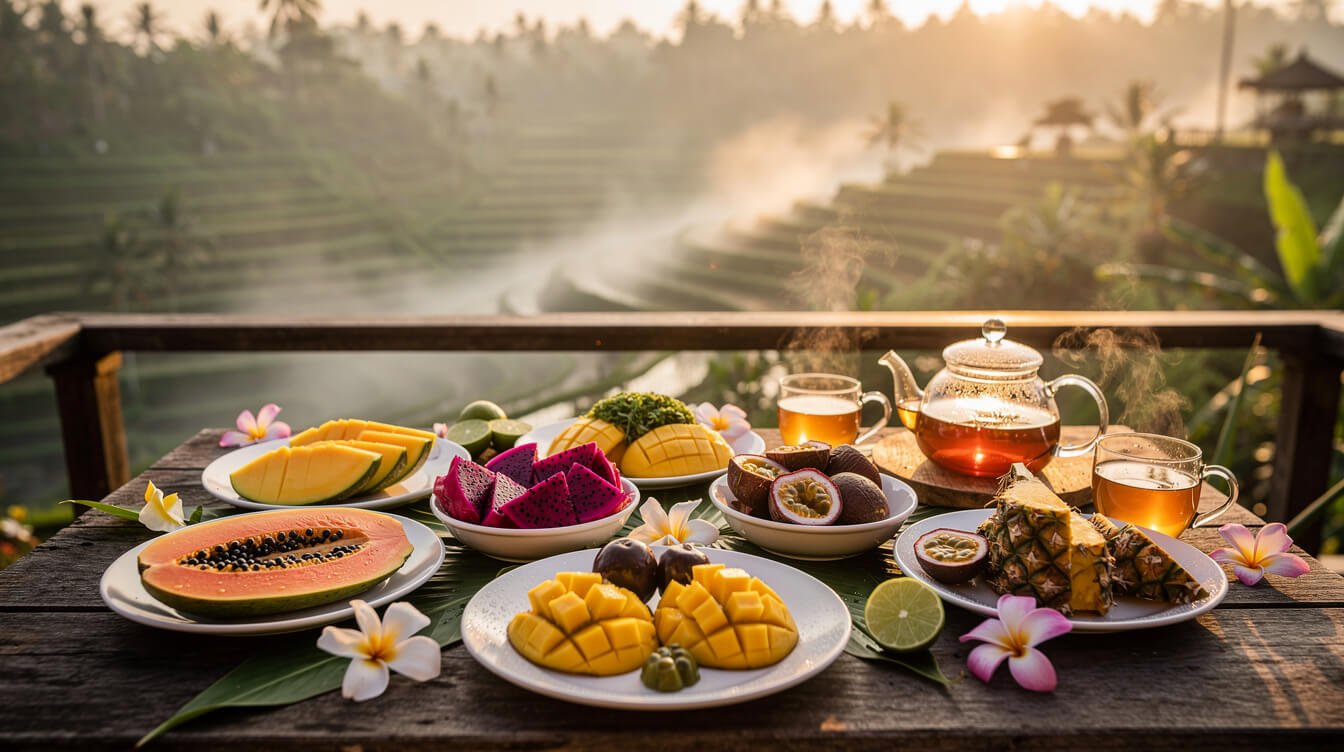
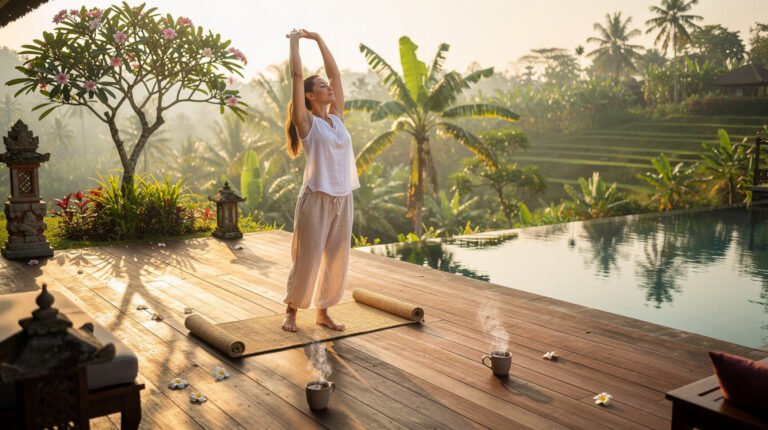
Here is the option that no retreat center listicle will tell you about: you do not need to book a program to have a bali spiritual retreat. You can design one yourself — on your schedule, at your depth, with practitioners you choose — from the quiet base of a private pool villa in Ubud.
The staffed villa model works for spiritual retreat because the infrastructure is already there. A villa manager who grew up in the village knows which balian to call, which temple ceremony is happening this week, and which driver will wait patiently while you sit by a river for an hour. A chef who understands cleansing diets can prepare Ayurvedic or raw meals without you having to explain what you need. A gardener who maintains the offering flowers means you wake to frangipani, not an alarm.
A sample week-long self-directed spiritual retreat might look like:
- Day 1 — Arrival and grounding. Settle into the villa. Swim. Walk the garden. Let the chef prepare a simple dinner while you watch the sun set over the rice fields. No schedule.
- Day 2 — Water purification. Morning melukat at Tirta Empul (your driver takes you early, before the crowds). Afternoon rest. Evening journaling by the pool.
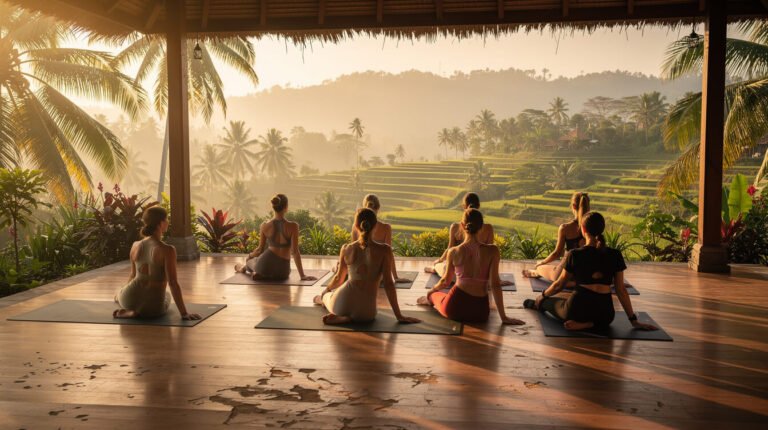
- Day 3 — Movement. Sunrise yoga at the villa or a drop-in class at The Yoga Barn. Afternoon walking meditation on Campuhan Ridge. Sound healing session in the evening.
- Day 4 — Healing. Morning session with a traditional balian arranged by the villa manager. Afternoon at the spa — Balinese massage and flower bath. Evening silence.
- Day 5 — Sacred sites. Full morning at Gunung Kawi or Goa Gajah — sit, observe, absorb. Afternoon breathwork session with a visiting practitioner at the villa. Chef prepares a cleansing dinner.
- Day 6 — Integration. Sleep in. Morning at the Tegallalang rice terraces. Afternoon art therapy or creative expression — Ubud is full of painting and batik workshops. Evening reflection.
- Day 7 — Closing. Final morning meditation in the garden. Pack slowly. Let the gardener’s frangipani arrangement be the last thing you see. The chef makes your favorite breakfast from the week.
This approach costs less than most structured retreat programs, gives you more privacy, and — most importantly — puts you in control of your own depth. Some days you may want five hours of practice. Other days you may want to float in the pool and read. The villa holds both without judgment.
What to Expect Day by Day During Your Bali Spiritual Retreat
Whether you join a structured program or design your own, certain patterns emerge during a spiritual retreat in Bali:
Days 1-2: Arrival and resistance. Jet lag and stimulation. Your mind is still running at city speed. Do not force depth on these days. Walk, eat simply, sleep early. The Balinese have a word — ngayah — selfless service to the community. On day one, your service is to yourself: rest.
Days 3-4: Opening. Something shifts around the third day. The noise in your head starts to thin. You notice things — the exact green of a rice shoot, the way incense moves in still air, the weight of silence. This is when healing sessions, meditation, and ceremony land deepest. Schedule your most intensive practices here.
Days 5-6: Integration. Insights arrive unbidden — in the shower, during a walk, mid-conversation. This is not the time for more input. It is the time for quiet processing. Journal. Swim. Watch the gardener work. Let the chef surprise you.
Day 7+: Grounding. If your retreat is a week or longer, the final days are about anchoring the experience before re-entry. Visit a temple one more time. Sit with the villa team. Ask the chef for a recipe. These small acts of connection become the threads that tie your retreat to your daily life when you return home.
The most common mistake on a bali spiritual retreat is overscheduling. You do not need a healer, a yoga class, a temple visit, and a sound bath every day. The island itself is doing half the work. Some of your most profound moments will happen poolside at 3 PM when you expected nothing.
Planning Your Bali Spiritual Retreat — What You Need to Know
When to come: The dry season (April–October) offers the most comfortable conditions for outdoor spiritual practice. However, the wet season has its own power — rain is considered purifying in Balinese tradition, and the rice fields are at their greenest. The best time to visit Ubud for a spiritual retreat depends on which ceremonies align with your dates. Check the Balinese ceremony calendar before booking.
How long to stay: A minimum of five nights allows for proper decompression, practice, and integration. Seven to ten nights is ideal for a meaningful spiritual retreat. Anything under four nights will feel rushed.
What to bring: Comfortable clothing for sitting, a sarong (required at temples, but also lovely for daily wear), a journal, and an open mind. Leave the fitness tracker and the optimization mindset at home.
Who to go with: Solo is the traditional choice for spiritual retreat, but couples and small groups can create powerful shared experiences. A private villa rental in Bali accommodates both — you share the space but can retreat to separate corners when solitude calls.
What it costs: Structured retreat programs in Ubud range from $800 to $5,000+ for a week, depending on accommodations and programming. A self-directed retreat from a private staffed villa — with practitioners booked individually — often costs 30-40% less for a more personalized experience. Balian sessions run $30-80. Yoga drop-ins are $10-15. Sound healing is $20-40. Your villa stay is your main investment, and it covers accommodation, meals (with a private chef), and a team that handles logistics so you can focus on your practice.
Temple etiquette: Always wear a sarong and sash when entering temples. Women who are menstruating are traditionally asked not to enter. Remove shoes before stepping onto sacred ground. Do not stand higher than a priest or a shrine. Do not point your feet at offerings. These are not tourist rules — they are expressions of the same respect the Balinese bring to their own sacred spaces.
Frequently asked questions:
Do I need to be spiritual or religious to benefit? No. A bali spiritual retreat works for anyone willing to slow down and pay attention. The practices are experiential, not doctrinal. You do not need to believe anything — you just need to be present.
Is it safe for solo women travelers? Ubud is one of the safest destinations in Southeast Asia for solo women. The Ubud environment is calm, walkable, and well-lit. A staffed villa adds an extra layer of comfort — you are never truly alone unless you choose to be.
Can I combine spiritual retreat with other Ubud activities? Absolutely. Some of the most meaningful retreat days include a morning ceremony and an afternoon at a cooking class or art studio. Ubud’s creative and culinary scene enriches rather than distracts from spiritual practice. See our full guide to Ubud activities for ideas that complement your retreat rhythm.
A bali spiritual retreat is not an escape from your real life. It is a meeting with what your real life might feel like if you gave it enough silence, enough beauty, and enough care to hear what it has been trying to tell you. Ubud has been holding that space for centuries. The rice fields are still green. The offerings are still placed every morning. The water still flows through ancient stone. All you need to do is arrive.
Stay Close to Ubud
Join our newsletter for genuine Ubud stories, ceremony calendar updates, travel tips from the team, and quiet inspiration from the island. No spam, no clichés — just Bali as we actually know it.