Bali Tour Spots: Your Complete Insider Guide to the Best Places to Visit
Every traveler who lands in Bali faces the same beautiful problem: there are too many extraordinary places to see and never quite enough days to see them all. The island is only 140 kilometers wide, but it holds ancient temples perched on sea cliffs, rice terraces that have been sculpted by hand for a thousand years, waterfalls hidden inside volcanic jungle, and coastlines that shift from black sand to turquoise cove within a single hour’s drive. Knowing the best bali tour spots before you arrive — and understanding which ones match your pace, your interests, and the time you actually have — is the difference between a trip that feels rushed and one that feels held.
This guide comes from the perspective of a villa team based in Ubud. We see guests arrive every week, and we’ve learned which spots they come back glowing about, which ones they wish they’d skipped, and which hidden places they only discovered because our manager pointed them there. What follows is an honest, region-by-region walkthrough of the places that make Bali worth crossing the world for — and practical advice on how to experience each one well.
The Best Bali Tour Spots in and Around Ubud
Ubud sits at the cultural heart of Bali, and it’s where the island reveals itself most honestly. The best approach is to slow down and let the village come to you — but there are a handful of spots that deserve deliberate visits.
Tegallalang Rice Terraces
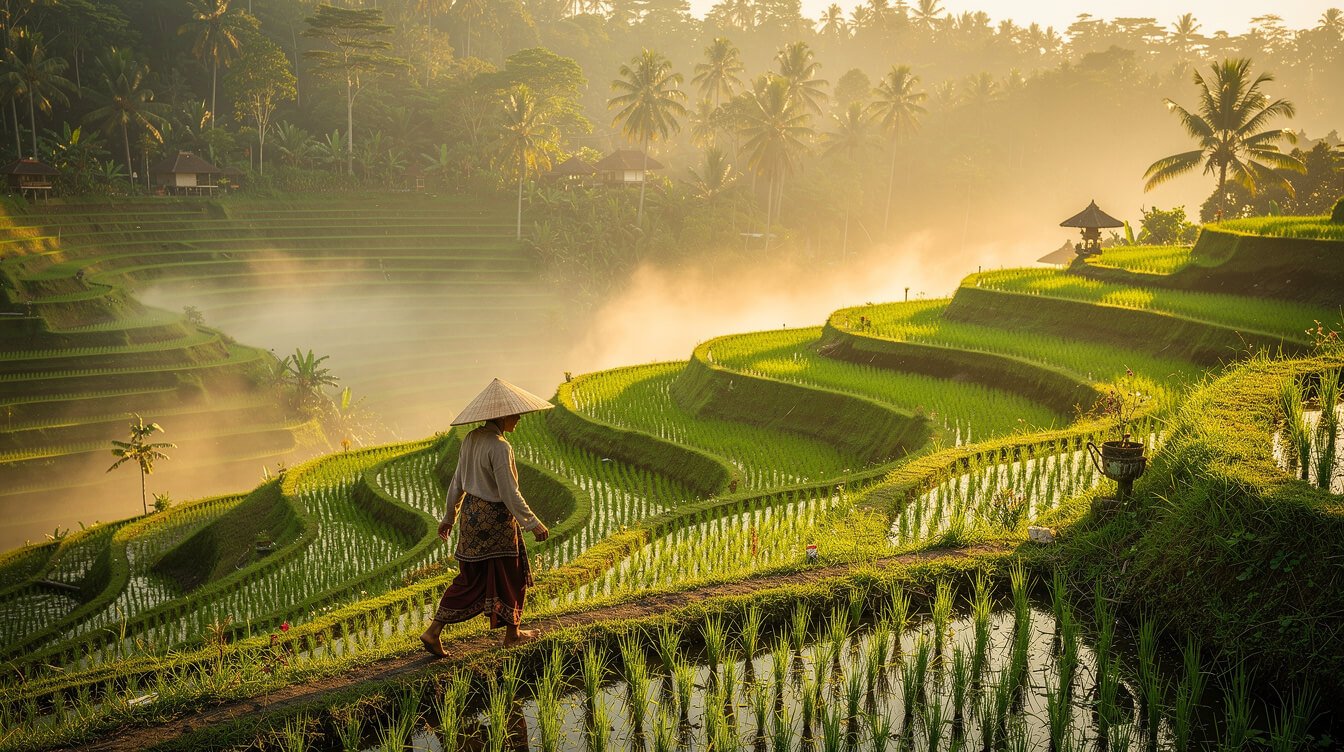
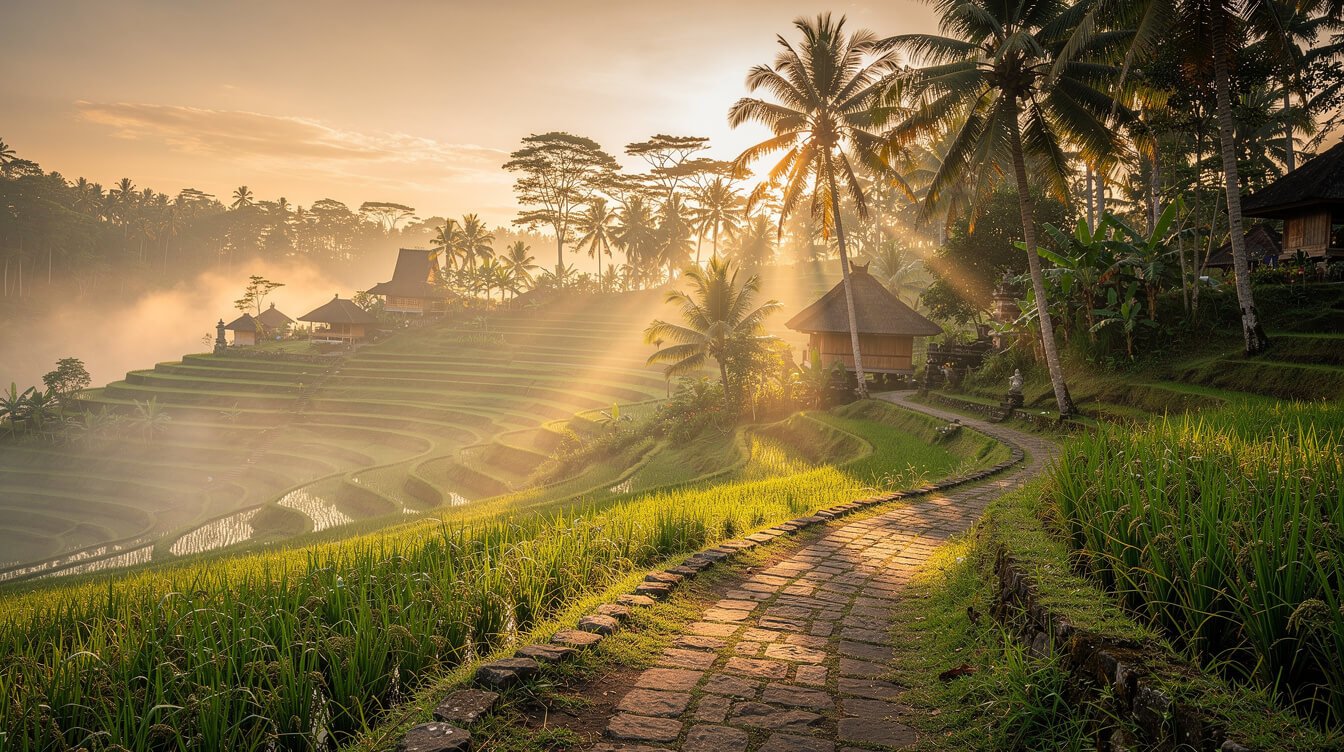
The rice terraces just north of Ubud are the image most people carry in their heads when they think of Bali. What the photos don’t show is the subak irrigation system — a democratic water-sharing tradition recognized by UNESCO — that has kept these terraces productive for over a millennium. Arrive early, ideally before 8 AM, when the light is gold and the tour buses haven’t yet filled the parking areas. Walk past the main viewing platform and follow the footpaths that wind down through the paddies. You’ll find farmers at work, small coffee stands run by local families, and angles that no Instagram account has claimed. For a deeper understanding of what you’re looking at, read our complete guide to Tegallalang Rice Terrace.
Sacred Monkey Forest Sanctuary
The Monkey Forest is not a zoo — it’s a living temple complex inside an ancient nutmeg forest. Three pura (temples) sit within the grounds, and the long-tailed macaques that live here are considered guardians of the space. Practical advice: secure your sunglasses, remove dangling jewelry, and don’t bring food. The monkeys are bold but predictable once you understand the rules. Early morning or late afternoon visits are quieter and cooler.
Campuhan Ridge Walk
This narrow ridge between two river valleys is Ubud’s best free walk — a paved path through tall grass with views across to the Sayan ridge and Mount Agung in the distance. It’s best at sunrise, when the light slants sideways and the valley fills with mist. Budget about 45 minutes for the full out-and-back, and bring water. Our guide to the Campuhan Ridge Walk covers the route in detail.
Ubud Art Market and Royal Palace
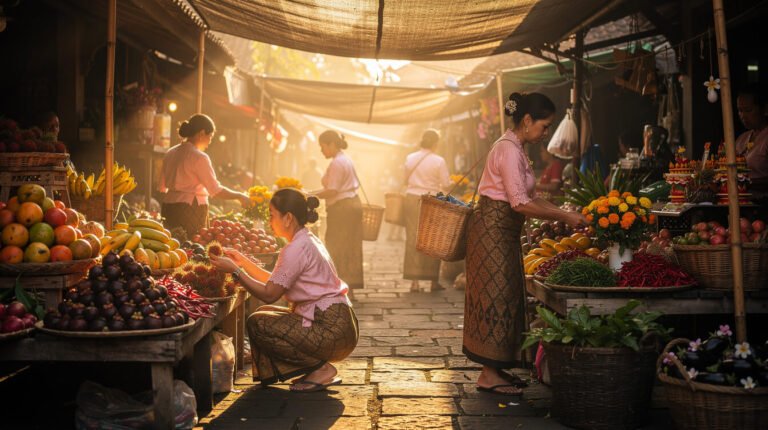
The market opens at dawn for the real trading — textiles, hand-carved wooden masks, silver jewelry, rattan baskets. By mid-morning it shifts into tourist mode, but even then, the quality of the craftsmanship is genuine. Bargaining is expected and friendly. Across the street, the Ubud Royal Palace (Puri Saren Agung) hosts traditional Legong and Barong dance performances most evenings — IDR 100,000 for a ticket, and worth every rupiah. Our Ubud market guide covers what to buy and how to bargain well.
Bali Tour Spots Along the Southern Coast
The southern coastline is where Bali meets the Indian Ocean in the most dramatic fashion — sheer limestone cliffs, temple silhouettes at sunset, and surf breaks that draw riders from every continent.
Uluwatu Temple and the Kecak Fire Dance
Uluwatu Temple sits on a 70-meter cliff at the island’s southwestern tip. The temple itself dates to the 11th century and is one of Bali’s six key directional temples (sad kahyangan). Come for the sunset and stay for the Kecak performance — a circle of 50 or more men chanting in unison while dancers enact scenes from the Ramayana, all against the backdrop of the sun sinking into the ocean. It’s not staged for tourists; it’s real Balinese art performed in its intended setting. Arrive by 5 PM to secure a good seat. Watch your belongings — the resident monkeys here are bolder than Ubud’s.
Tanah Lot
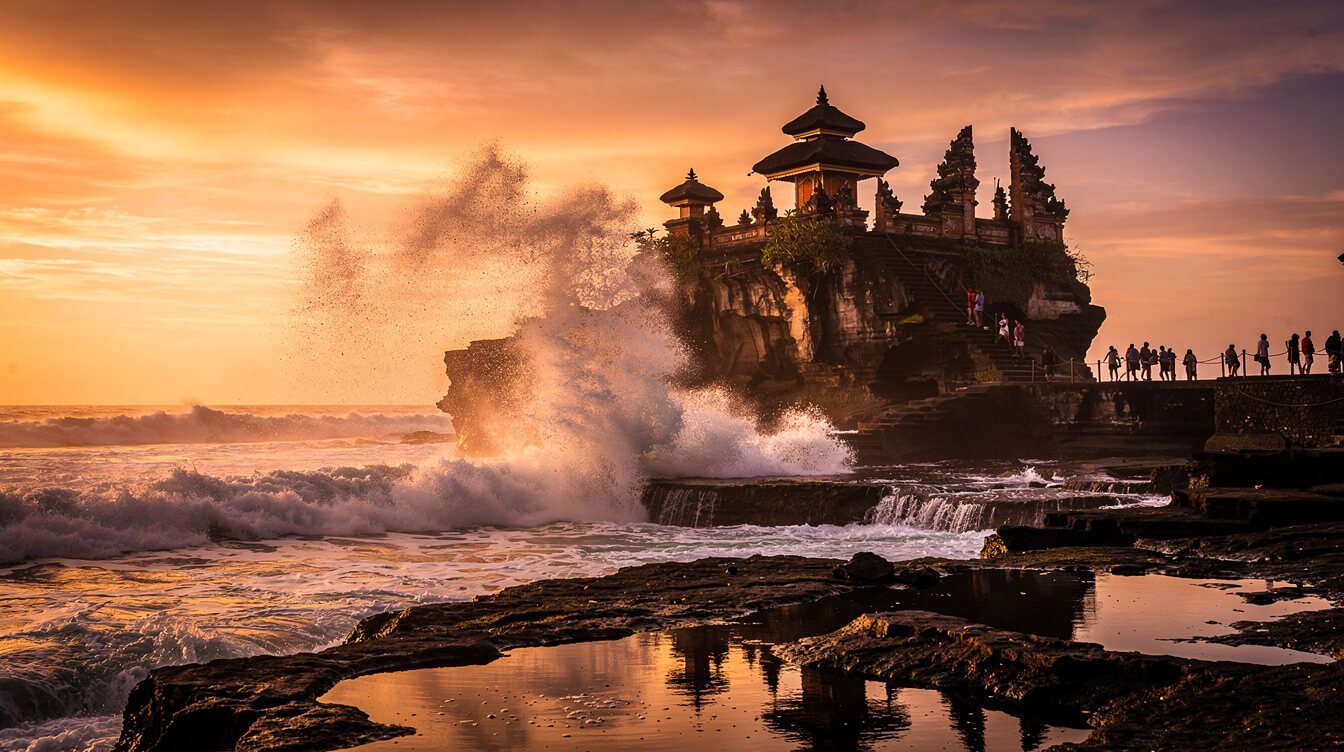
Tanah Lot is Bali’s most photographed temple — a sea temple perched on a rock formation just offshore, accessible on foot at low tide. Sunset is the iconic time, but mornings are quieter and the rock pools around the base teem with small sea creatures. The temple grounds include a string of other shrines and a holy spring where Balinese Hindus receive blessings. The surrounding area has been heavily commercialized with souvenir stalls, but the temple itself retains its power.
Padang Padang Beach
This pocket beach at the bottom of a narrow rock staircase is one of Bali’s most photogenic swimming spots. The water is clear, the sand is white, and the limestone walls frame the scene like a natural amphitheater. It’s small and gets crowded by midday — go early or late. Surfers will find a reliable left-hand break just outside the cove.
Get a Free 3-Day Sample Itinerary
See exactly how three days in Ubud unfold — from morning rice terrace walks to sunset temple visits — with our complimentary itinerary guide.
The Must-See Bali Tour Spots in East Bali
East Bali is where the island’s volcanic spine meets the coast, and where Balinese culture runs deepest. These spots require a longer drive from the south — 90 minutes to two hours — but the payoff is immense.
Tirta Empul Water Temple
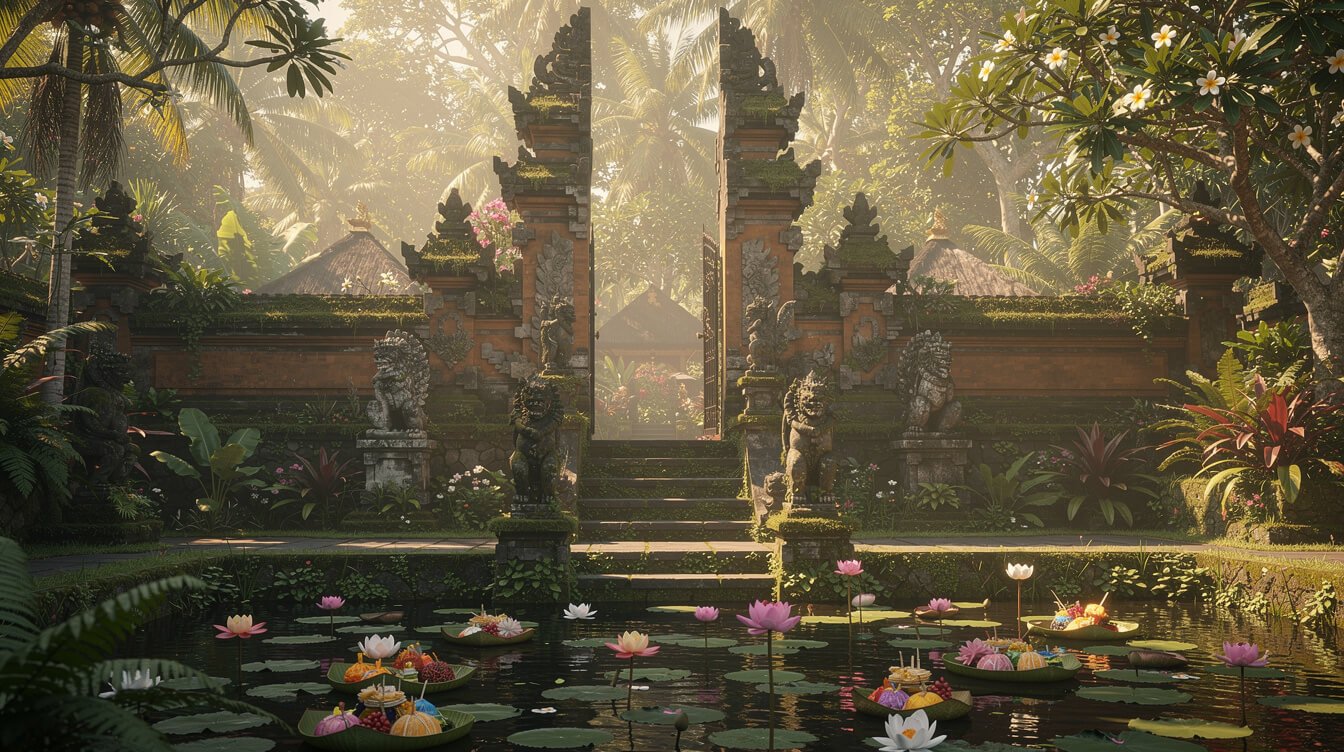
This thousand-year-old spring temple is one of the most spiritually important sites on the island. Balinese Hindus come here to undergo melukat — a purification ritual in which you stand under a series of sacred spring-water spouts. Visitors are welcome to participate (bring a sarong and sash, or rent them at the entrance). The experience is genuinely moving: cold mountain water, the sound of prayer, and the awareness that people have been doing exactly this in exactly this place for a thousand years.
Mount Batur Sunrise Trek
The sunrise hike up Mount Batur is one of Bali’s most popular adventures, and for good reason. You start in the dark around 3:30 AM, climb for about two hours, and reach the caldera rim just as the sun breaks over Mount Agung and Lombok’s Mount Rinjani in the distance. The trail isn’t technical, but it’s steep and loose volcanic gravel — proper shoes matter. A licensed guide is mandatory and typically includes breakfast cooked over volcanic steam vents at the summit. On the descent, many tours stop at the natural hot springs at the base of the volcano.
Sidemen Valley
If Tegallalang is Bali’s most famous rice terrace, Sidemen is its most beautiful one — but barely anyone goes. This valley in eastern Bali offers the same terraced landscape without the crowds, plus weaving villages where women still work traditional looms. The drive from Ubud takes about 90 minutes through some of the island’s most scenic roads. Sidemen is a full-day commitment, but it rewards you with the Bali that existed before the guidebooks arrived.
Bali Tour Spots Worth the Journey to the North
Northern Bali is the island’s quiet side — black sand beaches, volcanic lakes, and the old colonial port of Singaraja. It takes about three hours to drive from the south, making it ideal for an overnight stay or a committed full-day tour.
Sekumpul Waterfall
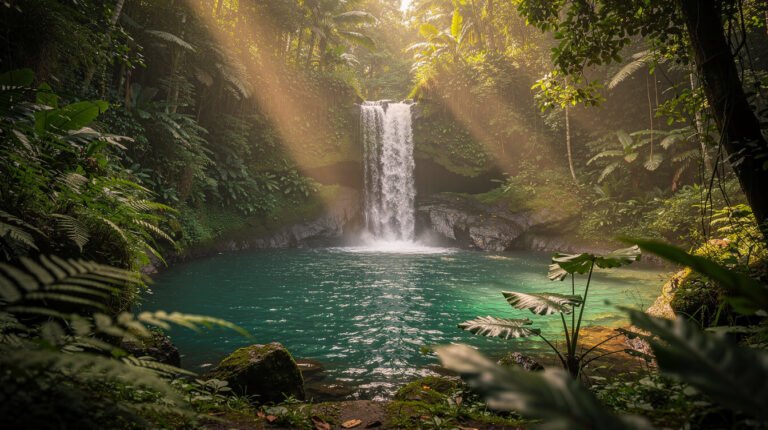
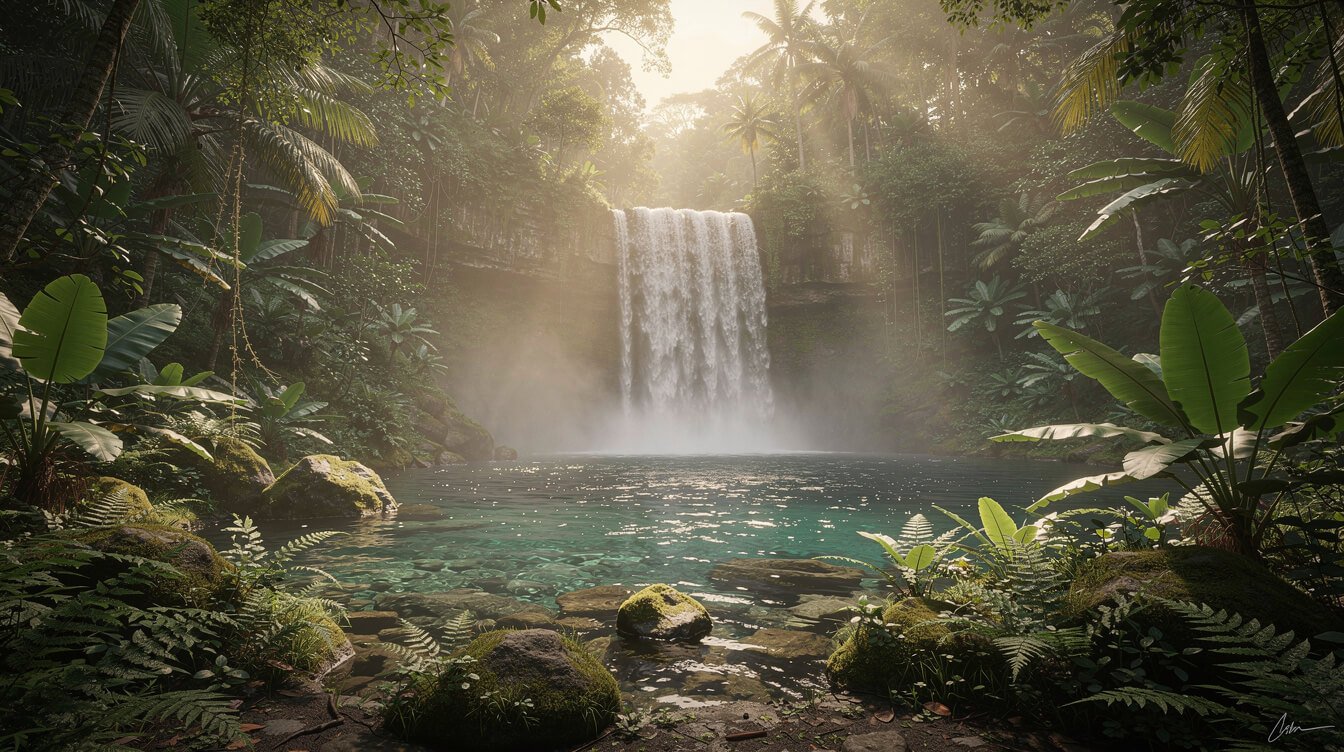
Sekumpul is widely considered the most impressive waterfall in Bali — and the effort to reach it is part of its appeal. A steep descent through dense jungle leads to a valley where multiple cascades drop 80 meters into a misty pool. The hike down and back takes about 90 minutes total and involves wet, slippery terrain — good grip shoes and a willingness to get damp are non-negotiable. A local guide (hired at the trailhead) makes the experience both safer and richer. For more waterfall options closer to Ubud, see our Ubud waterfall guide.
Lovina and the Dolphin Coast
Lovina is famous for its early-morning dolphin watching trips — small outrigger boats take you out before dawn to see pods of spinner dolphins in the Bali Sea. The town itself is low-key compared to the south, with black volcanic sand beaches and a slower pace. Combine it with a visit to the nearby Banjar Hot Springs, where warm sulfuric water feeds into stone-carved dragon spouts set in a lush garden.
Twin Lakes: Buyan and Tamblingan
These crater lakes sit side by side in the mountains above the north coast, surrounded by dense forest and mist. A walking trail connects the two, passing through jungle and past a small lakeside temple. The area is cool, quiet, and almost entirely free of other tourists. It’s one of the most peaceful places on the island.

Tour Bali from Your Own Private Villa
Three bedrooms, a private pool, a chef who knows the market, and a manager who knows every road on the island. Villa Amrita is your home base for exploring Bali — fully held.
Island-Hopping Bali Tour Spots: Nusa Penida, Lembongan, and the Gili Islands
Some of Bali’s most spectacular scenery sits just offshore. These islands are easy day trips or overnight adventures, accessible by fast boat from several departure points along Bali’s coast.
Nusa Penida
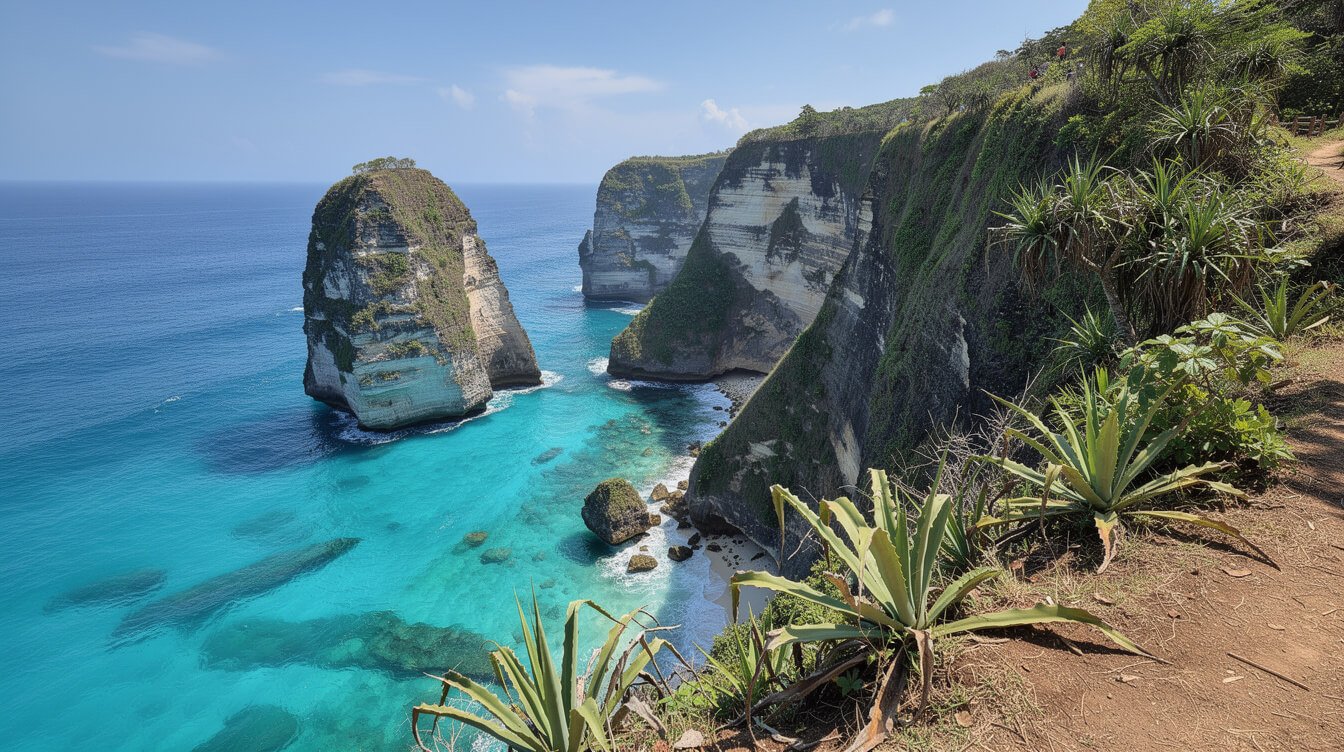
Nusa Penida has become one of Bali’s most visited bali tour spots in recent years, and the cliffs at Kelingking Beach — shaped like a T-Rex head plunging into turquoise water — are the reason. But the island has more to offer: Broken Beach (a natural rock arch over the sea), Angel’s Billabong (a tidal infinity pool carved into the coastline), and Crystal Bay (one of the best snorkeling spots in the region, with manta ray sightings between July and November). The roads on Nusa Penida are rough and steep — hire a driver rather than renting a scooter unless you’re experienced with unpaved mountain roads.
Nusa Lembongan and Nusa Ceningan
These two smaller islands, connected by a yellow suspension bridge, offer a more relaxed alternative to Nusa Penida. Lembongan has mangrove tours, seaweed farms you can visit, and several beach clubs with views across to Mount Agung. Ceningan has the Blue Lagoon — a narrow channel between cliffs where the water turns an impossible shade of turquoise. Both islands are flat enough to explore by bicycle or scooter.
Gili Islands
Technically part of Lombok, the three Gili islands — Trawangan, Meno, and Air — are reachable by fast boat from Bali’s east coast in about two hours. Gili Trawangan is the liveliest (bars, diving schools, night market), Gili Meno is the quietest (honeymooners, turtle sanctuaries), and Gili Air splits the difference. No motorized vehicles are allowed on any of the islands — transport is by bicycle or horse cart. The snorkeling and diving here is some of the best in Southeast Asia, with sea turtles, reef sharks, and vibrant coral.
Practical Tips for Touring Bali’s Best Spots
Knowing where to go is only half the equation. The other half is knowing how to get there, when to arrive, and what to do about the logistics that every travel listicle leaves out.
Getting Around
Bali has no public transit system worth relying on. Your options are hiring a private driver for the day (IDR 600,000–800,000, roughly USD $38–50, including fuel and the driver’s meals), renting a scooter (IDR 75,000–100,000 per day, but only if you’re comfortable with Bali traffic), or booking through tour platforms. A private driver is almost always the best value for groups of two or more — and a good driver doubles as a guide. For help finding the right one, see our complete guide to tour guides in Bali.
Timing and Seasons
Bali’s dry season (April–October) offers the most reliable sunshine, but the wet season (November–March) brings dramatic skies, greener landscapes, and fewer crowds. Rain typically falls in heavy afternoon bursts rather than all-day drizzle, so mornings are usually clear. The busiest tourist months are July, August, and the Christmas–New Year window. For a quieter experience, aim for May, June, September, or October.
What a Good Day of Touring Looks Like
The best days in Bali follow a rhythm: leave early (7–8 AM), hit the most popular spot first while it’s quiet, add one or two secondary stops mid-morning, pause for a long lunch somewhere scenic, and return to your base by mid-afternoon for the pool, a nap, or a massage. Trying to squeeze in five or six stops creates a day that feels like a commute. Three is the sweet spot.
If you’re staying in a private staffed villa, your manager can arrange drivers, book tickets, and suggest routes that avoid the worst traffic. It’s the difference between planning every detail yourself and having someone who knows the island handle it for you. For a sense of what that looks like over a full week, see our 7-day Bali itinerary.
Budget Expectations
Entry fees at major temple and attraction sites typically range from IDR 15,000 to IDR 50,000 (about $1–3 USD). A few premium spots like the Tegallalang Terraces charge more. Waterfall entrance fees average IDR 20,000–30,000. Boat tickets to Nusa Penida run IDR 150,000–350,000 each way depending on the operator. A full day of touring (driver + entries + lunch) typically costs USD $60–80 per person, less if you’re splitting costs with travel companions.
How to Plan Your Bali Tour Spots Itinerary
The mistake most first-time visitors make is trying to see the entire island in five days. Bali rewards focus. Pick a base — Ubud for culture and nature, the Bukit Peninsula for surf and clifftop temples, Canggu for beach and café culture — and explore deeply from there. You can always add a day trip or an overnight to see a different coast.
From Ubud, the best tour spots are within an hour’s drive in every direction: Tegallalang to the north, Tirta Empul and Mount Batur to the east, the coastal temples to the south, and the waterfalls to the northeast. A week based in Ubud gives you time to see the highlights without spending your holiday in the back seat of a car.
For a broader picture of how to structure your time, our Bali travel guide covers everything from visa requirements to packing. And if you’re weighing Ubud against southern Bali, our Ubud vs Seminyak comparison breaks down the differences.
The best bali tour spots aren’t always the ones with the most reviews or the longest queues. Some of the moments that stay with you longest — the mist lifting off a rice terrace at dawn, the sound of a temple ceremony you stumbled into, the taste of nasi campur at a roadside warung your driver recommended — are the ones no guide can plan for. What you can plan is putting yourself in the right place, at the right time, with enough margin in your day for the unplanned to happen.
If you’d like help shaping your trip, or want to see what touring Bali from a staffed villa in Ubud actually feels like, we’d love to hear from you. Start with our guide to Bali tour packages to understand your options, or check our full list of things to do in Bali for more inspiration.

Join Our Newsletter — Fun, New, Exciting Bali News
A short letter from Ubud, every week or so — what’s blooming, what’s in season, and where we’ve been exploring. No spam, just Bali.