The Ceremony That Files Away Six Small Enemies
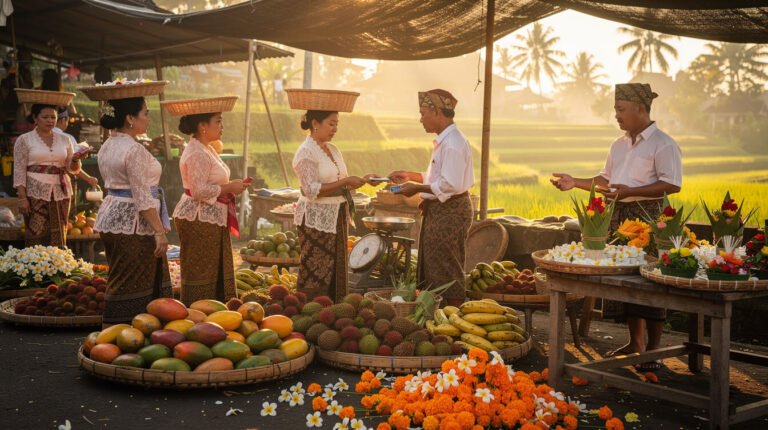
It starts before breakfast, a little way down the lane. There’s the soft clink of a gamelan warming up, then a woman’s voice singing slow, old verses, and a smell of incense and cut frangipani drifting over a compound wall. Ketut listens for a moment and smiles. A neighbor’s son and daughter are having their teeth filed today.
It sounds alarming. It isn’t. Metatah, also called mepandes or mesangih, is the Balinese tooth filing ceremony, one of the great rites of passage. It comes after a young person reaches maturity and usually before marriage, and some families fold it into the wedding itself. Like the 210-day birthday and the wedding tent that goes up across the lane, it belongs to the family first and the whole banjar second.

Get a Free 3-Day Sample Itinerary
A walk down the lane, a long lunch, the rice fields in the last light of the day. We will send you a three-day Ubud rhythm built around the moments most visitors walk straight past.
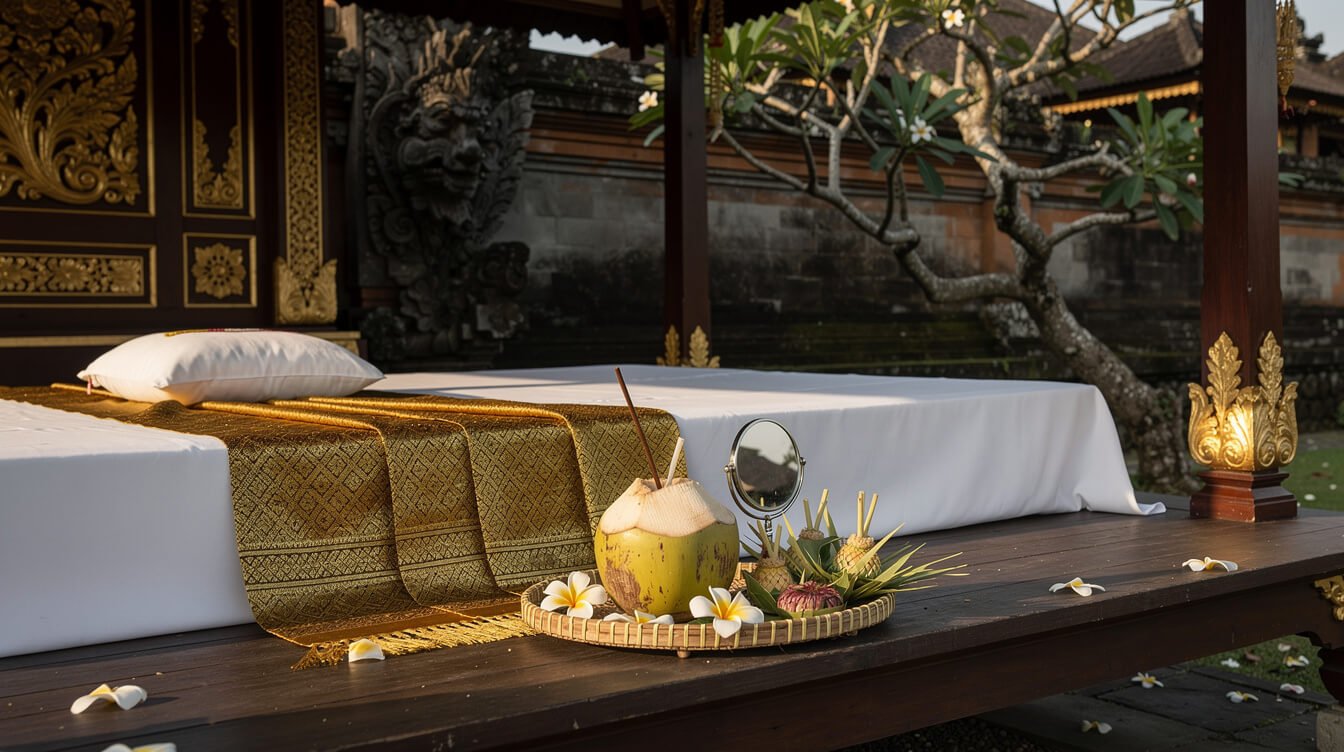
Here is what happens behind that wall. The young person, dressed in gold and white, lies on a pavilion bed draped in cloth. A ceremonial specialist lightly files the six upper front teeth, the four incisors and the two canines, until they sit level. It takes minutes, not hours, and only a sliver comes away. The filings are spat into a young yellow coconut, which the family later buries in the compound. Then someone holds up a small mirror.
The six teeth stand for the sad ripu, the six enemies everyone carries: desire, greed, anger, intoxication, confusion and jealousy. Filing the sharp points away is a way of saying a person is leaving the wilder, fanged side of themselves behind and stepping into adult life a little gentler. Afterward many families offer six tastes, sweet, sour, bitter, salty, spicy and astringent, as a reminder that a grown-up life holds all of them. Our gentle guide to Balinese Hinduism puts the ceremony in its wider context.

Book the Villa
Three bedrooms, a full in-villa team, and a pool of your own, and mornings close enough to the village to hear its ceremonies begin. Check availability for your dates.
Families choose an auspicious day from the calendar, and because ceremonies are costly, some banjars hold a shared metatah for many teenagers at once. If you hear the singing, enjoy it from the lane; the kidung that drifts over the temple wall is the same old poetry. If you’re invited in, wear a sarong and sash, sit where you’re shown, and don’t take photos unless the family asks you to. It’s one of the quiet gifts of a staffed villa in Ubud: the team will tell you, gently, whose ceremony it is and what it means.

Join Our Newsletter
Fun, new, exciting Bali news — straight from the villa, every so often.