Bali Weather in September: Dry Skies, Softer Crowds and Ubud’s 2027 Ceremony Dates
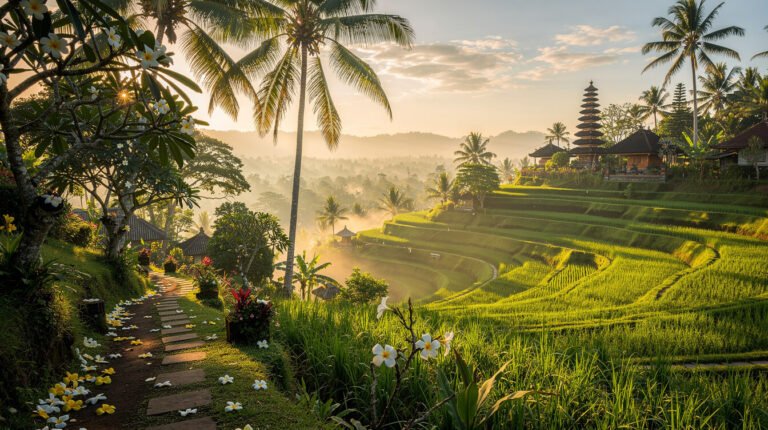
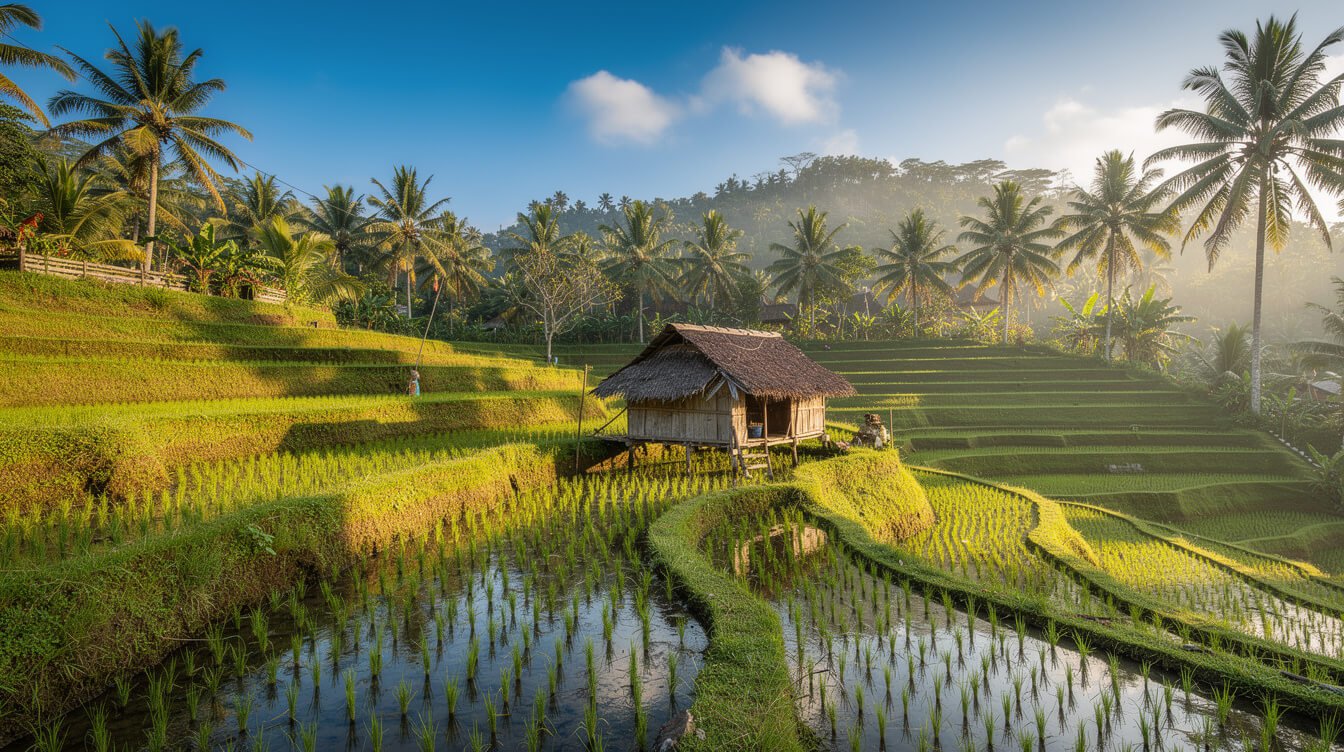
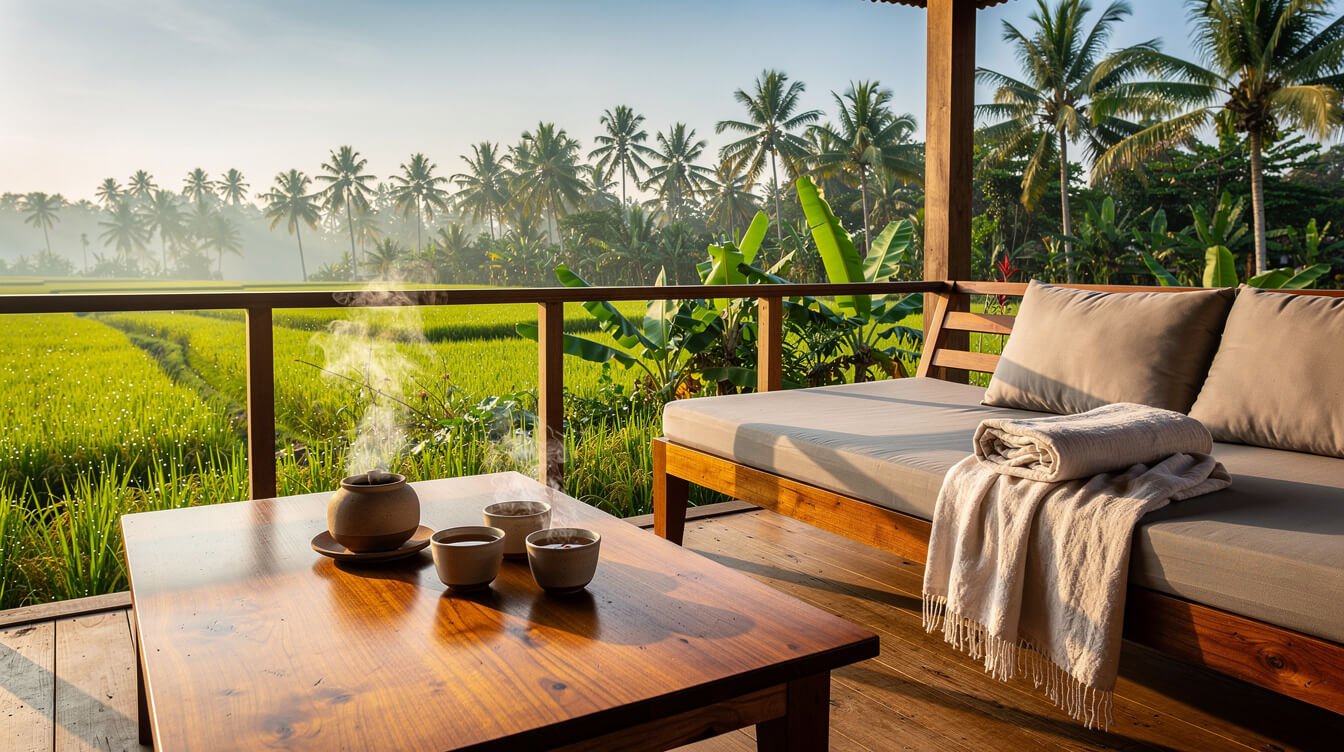
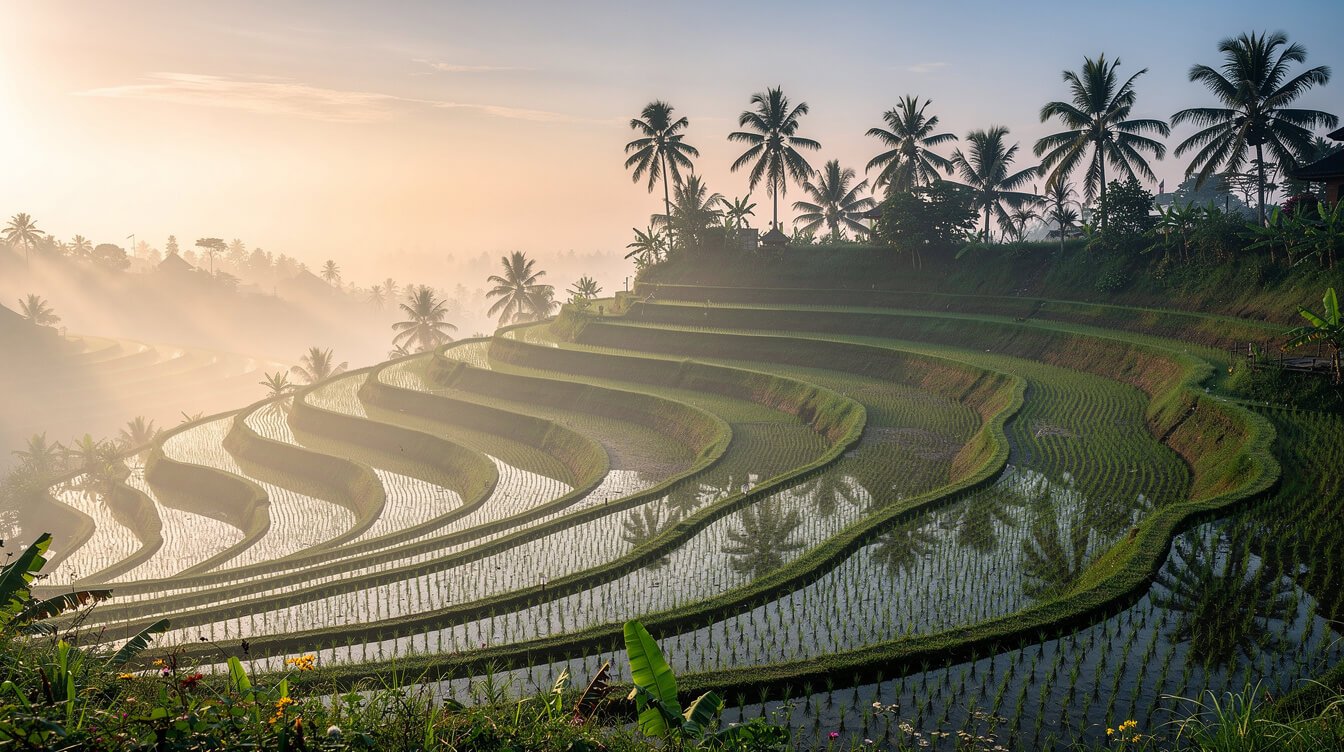
Picture a morning in Ubud in September. The rice fields below the terrace are a soft, wet green, and the sky above them is clear by half past six. The air has a gentle coolness that lifts by mid-morning, and by afternoon a few white clouds gather over the hills without much intention of doing anything. In the evening the garden smells of frangipani and woodsmoke. That, in a few lines, is Bali weather in September: still dry, still sunny, a little warmer at night than August, and noticeably quieter on the roads.
September is the last full month of Bali’s dry season and the first month after the summer peak, which makes it one of the most quietly rewarding times to come. It also holds a few things a weather table won’t mention. In 2027, the full moon, the traditional close of the Galungan season and Tumpek Krulut, a day when Bali honors its gamelan, all fall within ten days of each other in the second half of the month. This guide comes from the team at a staffed villa in the rice fields outside Ubud. Below you’ll find honest weather numbers, how September compares with August and October, what Ubud feels like, the September 2027 ceremony calendar, the best days out, how crowds and prices behave, and what to pack.
Bali Weather in September at a Glance
September sits at the tail end of Bali’s dry season, which broadly runs from April or May through September or October. The southeast trade winds that keep the island dry through the middle of the year are still blowing, though they begin to soften as the month goes on. Weather services measure at different stations over different years, so published September averages vary. Treat the numbers below as ranges, not promises.
- Daytime temperatures: roughly 28–31°C (82–88°F) on the coast. Ubud usually runs a degree or two cooler.
- Nights: around 23–24°C (73–75°F) by the sea. In Ubud, nights usually settle around 21–22°C (70–72°F), a touch warmer than in August. Up in Kintamani or Munduk you will still want a sweater.
- Rainfall: low. Most published averages for the south coast sit somewhere between about 20 mm and 60 mm for the whole month. Inland and in the hills it is a little wetter.
- Rainy days: usually somewhere between two and six, and most of those are a short shower or a passing evening sprinkle.
- Humidity: in the mid-70s, edging upward through the month. You notice it more in the last week than the first.
- Sunshine: often nine or ten hours a day. Sunrise and sunset both fall close to 6:10, so you get a neat twelve hours of daylight.
- Sea temperature: about 26–27°C (79–81°F) around most of the island. Cold upwellings around Nusa Penida can still make deeper water feel brisk.
- UV: very high to extreme at midday. A breeze can hide how strong the sun is.
Ubud vs the coast in September
Ubud sits inland, in the foothills that rise toward Bali’s volcanoes, and that gentle climb shapes how Bali weather in September feels on your skin. Mornings are fresh and bright, middays are warm, and evenings are mild enough for dinner outdoors without a second thought. The south coast is hotter and drier, with a steady sea breeze. The hills hold a little more moisture, so on some afternoons clouds build over the ridges and you might hear a brief shower on the roof while the beaches stay sunny. It rarely lasts long. If you want the full picture of the town’s microclimate, our guide to the weather in Ubud goes deeper.
The shoulder-month caveat
Bali’s seasons have become a little less predictable in recent years. Some dry seasons stay crisp and cloudless until late October, while others bring a run of unseasonal showers in September. Plan for sunshine, but hold one or two flexible days in your itinerary for anything that depends on clear views, like a volcano sunrise or a long boat crossing. Our month-by-month guide to the best time to visit shows where September sits in the wider year.
Is September a Good Time to Visit Bali?
For most travelers, yes. September keeps almost everything that makes the dry season good and drops much of what makes July and August hard work. European summer holidays are over, Indonesia’s school break ended in July, and the island exhales. Roads around Ubud move more easily, popular temples are calmer in the early morning, and you can often book a table, a driver or a guide a day ahead instead of a week.
Who September suits best
- Couples and honeymooners: dry weather, softer crowds and warm evenings are close to ideal. Our Bali honeymoon itinerary works especially well this month.
- Wellness seekers and yoga travelers: cool mornings for practice, clear afternoons for rest, and studios in Ubud that are full but not overflowing.
- Hikers and early risers: volcano treks and ridge walks are at their most reliable before the rains return.
- Divers and snorkelers: calm east-coast seas and the final stretch of the season when ocean sunfish are sometimes seen around Nusa Penida.
- Families with flexible dates: the first half of the month is usually the calmest window before other countries’ spring school holidays begin.
Who might prefer another month
If you want the coolest possible nights and the very driest skies, July and August still edge it. If you want the lowest prices and don’t mind afternoon storms, the wet-season months from late November to March are cheaper. And if your heart is set on Galungan, note that it does not fall in September 2027. It arrives on 11 August 2027 and returns on 8 March 2028. Our guide to Bali weather in August covers that festival fortnight in detail.
September vs October
September is the safer bet for blue skies. October usually stays dry for its first half, then humidity rises and the first afternoon storms start rolling in toward the end of the month. October is often a little cheaper, and in recent years Ubud has hosted its well-known writers festival in late October, which fills the town for a week. If weather matters most, choose September. If you want the literary buzz or a slightly lower rate, early October is a fine alternative.
Ubud in September: Green Fields, Mild Nights and Quiet Mornings
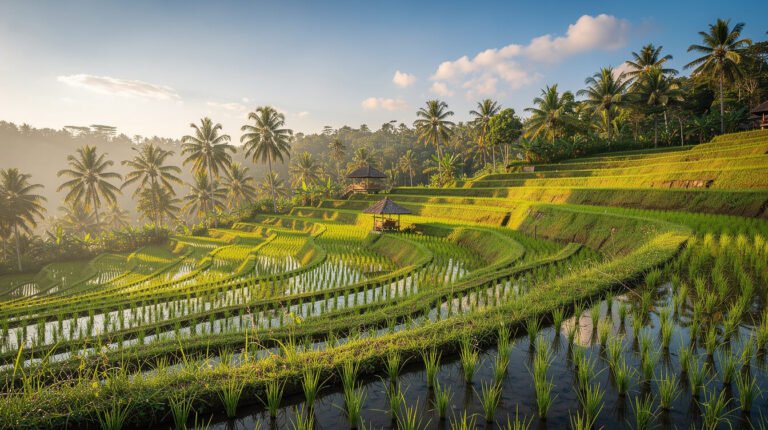
This is where September shows its gentler side. In the rice fields around Ubud, the rhythm of planting and harvest is staggered from one subak (the village water-sharing cooperative) to the next, so a single walk might take you past flooded paddies holding the sky, fields of young green shoots, and terraces turning gold. Each one is a different shade, and by September the paths between them are dry and easy underfoot.
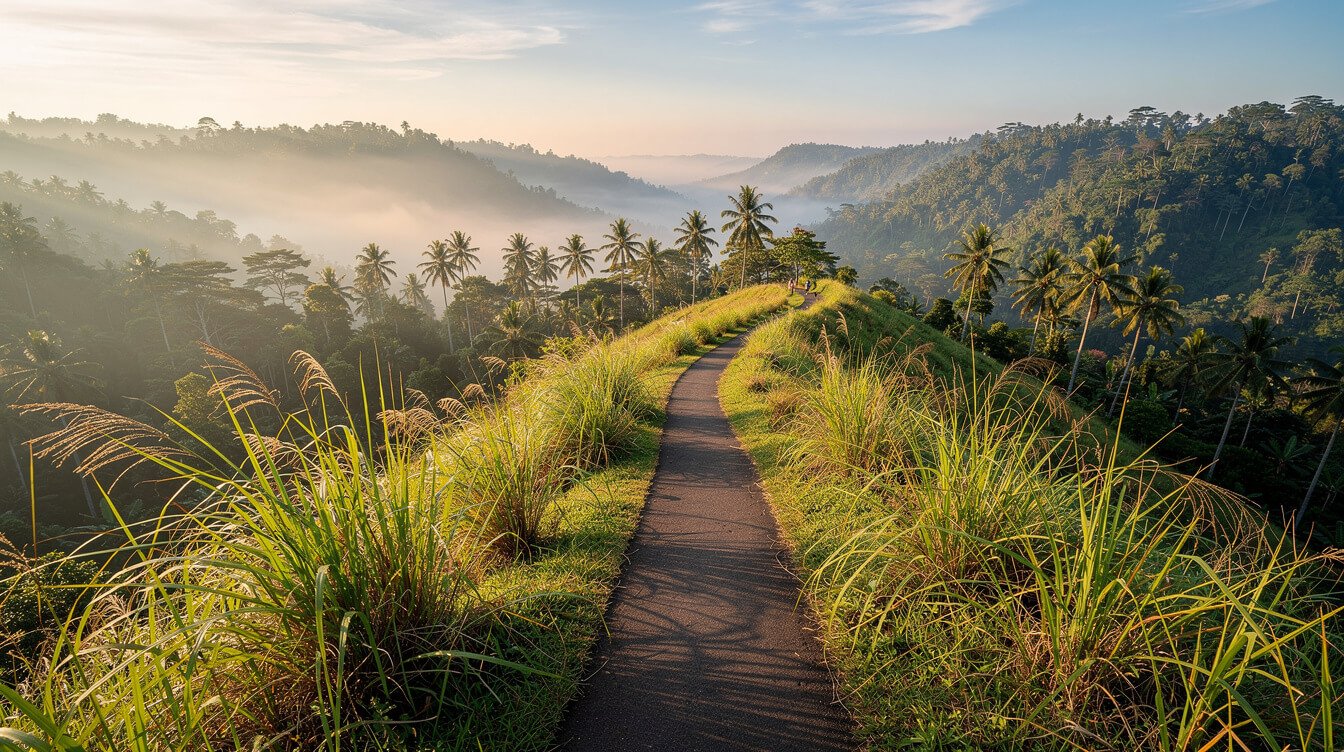
Mornings are the best time of day. The air is clear, the light is low and gold, and the only sounds are birds, water running through the channels and a scooter somewhere far off. Walk the Campuhan Ridge walk before eight and you may have long stretches of it to yourself. Head to the Tegallalang rice terraces early and you will see the terraces without the queues for the swings.
The afternoon lull
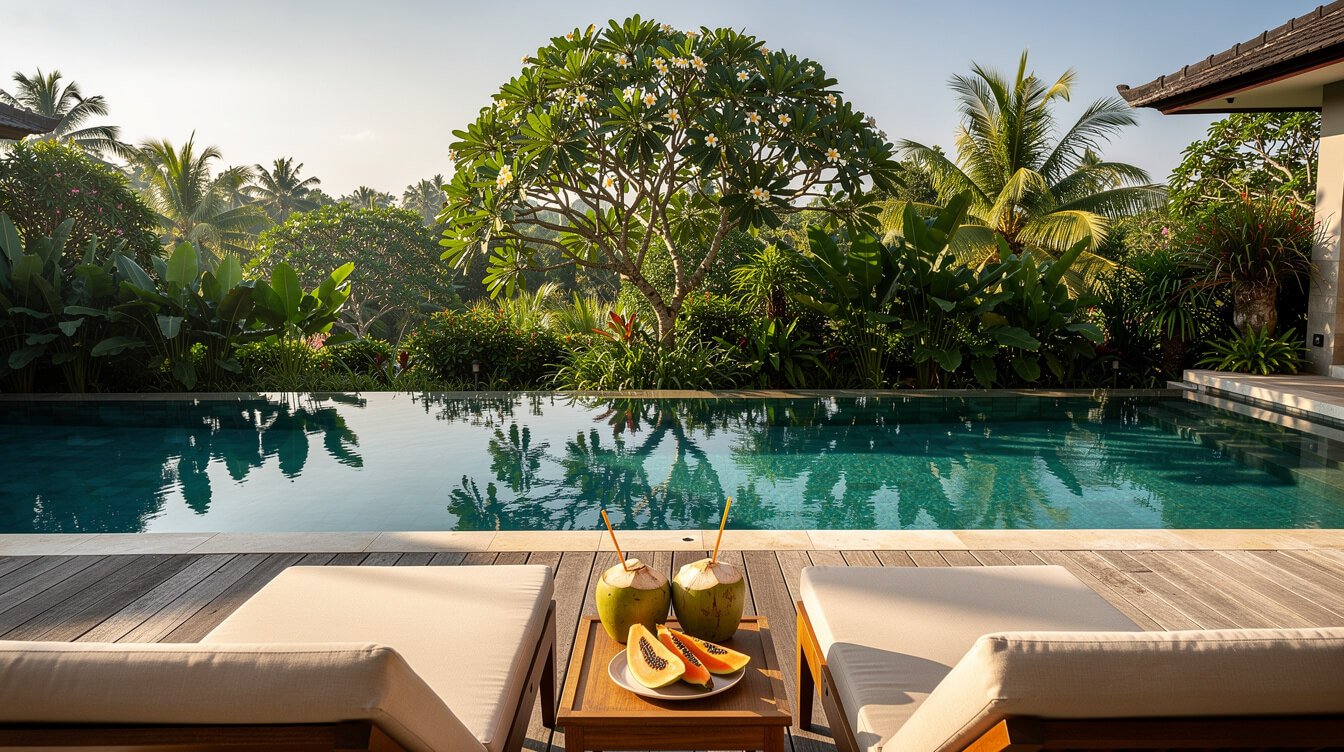
By early afternoon the heat builds and Ubud slows down. This is when the island suggests a nap, a swim or a long lunch in the shade. Locals tend to run errands in the cool of morning and evening, and visitors who copy them have better days. Spend the hottest hours by the pool with a book and a fresh coconut, and go out again once the light softens around four.
Evenings in the garden
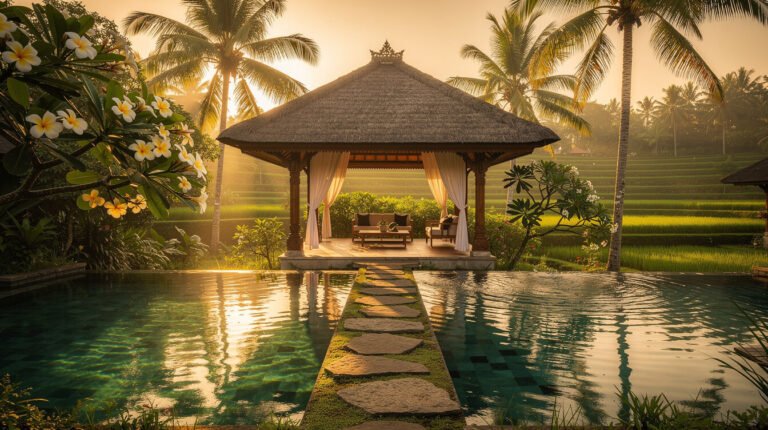
September evenings in Ubud are warm enough to eat outside and cool enough to enjoy it. Geckos start calling from the eaves at dusk, a gamelan rehearsal might drift over from the village banjar (the neighborhood council hall), and the frangipani is at its most fragrant after dark. If you stay in a villa with a cook, this is the month to ask for dinner on the terrace every night. Our guide to private chef villas in Ubud explains how that works.
Get a free 3-day sample itinerary
Coming to Bali in September? See how three easy late-dry-season days from Ubud can unfold: a ridge walk at first light, a temple morning before the crowds, a calm-sea day on the coast, and a long afternoon with nothing planned. We will send you a free 3-day sample itinerary.
The Ceremony Calendar: September 2027 in Bali
Bali runs on more than one calendar. Alongside the Western calendar, the island follows the 210-day pawukon cycle and a lunar calendar of full and new moons. That is why ceremonies seem to move around from year to year. Here are the dates worth knowing for September 2027. Village temples also hold their own anniversary festivals, called odalan, throughout the year, so you may well stumble onto a procession that appears on no calendar at all.
The tail of the Galungan season (around Wednesday 15 September)
Galungan, the festival celebrating the victory of dharma over adharma, falls on 11 August 2027, and Kuningan follows on 21 August. The penjor, those tall curved bamboo poles hung with woven palm leaves, rice and fruit, stay up long after the festival itself. Traditionally the season formally closes about five weeks after Galungan, on the day known as Buda Kliwon Pahang, which in 2027 falls on Wednesday 15 September. If you arrive in early September, the roads may still be lined with penjor fading gently in the sun. To understand what they mean, read our guide to Galungan in Bali.
The full moon (night of 15 September)
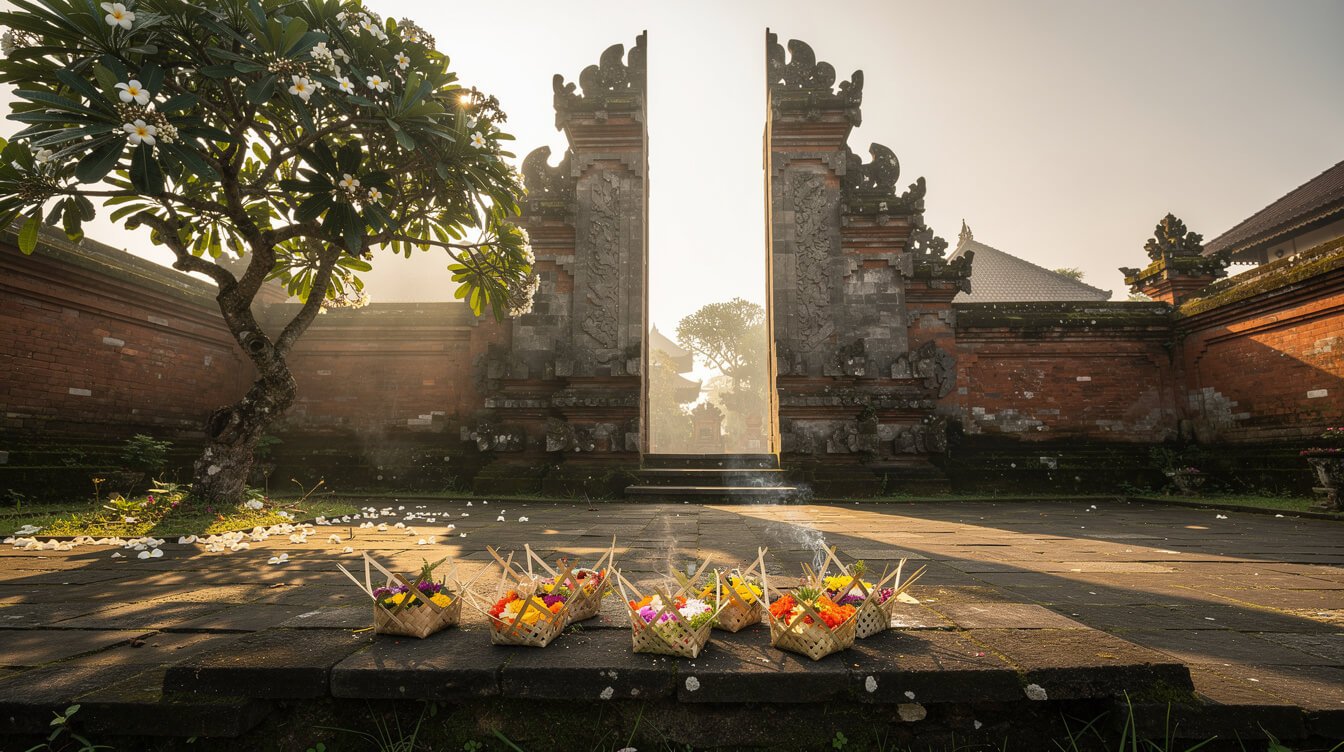
Purnama, the full moon, is a day of prayer and offerings across Bali, and many temples hold ceremonies. The September 2027 full moon rises on the evening of Wednesday 15 September. Expect temples busy with families in white and gold, and offerings at every gate. If you would like to visit a temple that evening, dress respectfully in a sarong and sash, stay to the edges, and follow the lead of your driver or guide. We wrote about what a full moon evening feels like in Ubud.
Tumpek Krulut (Saturday 25 September)
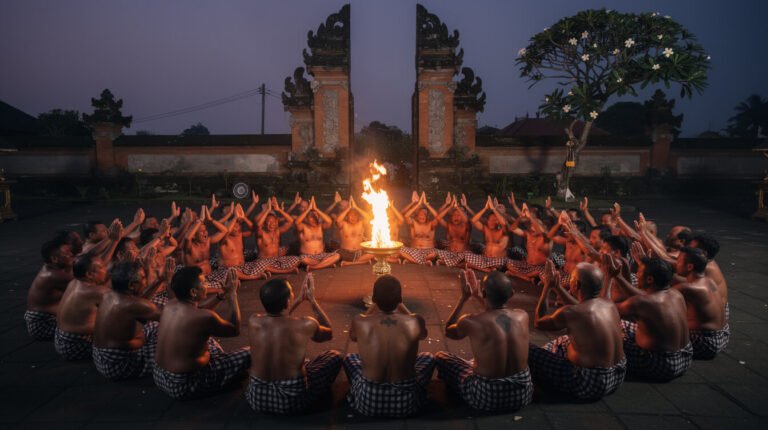
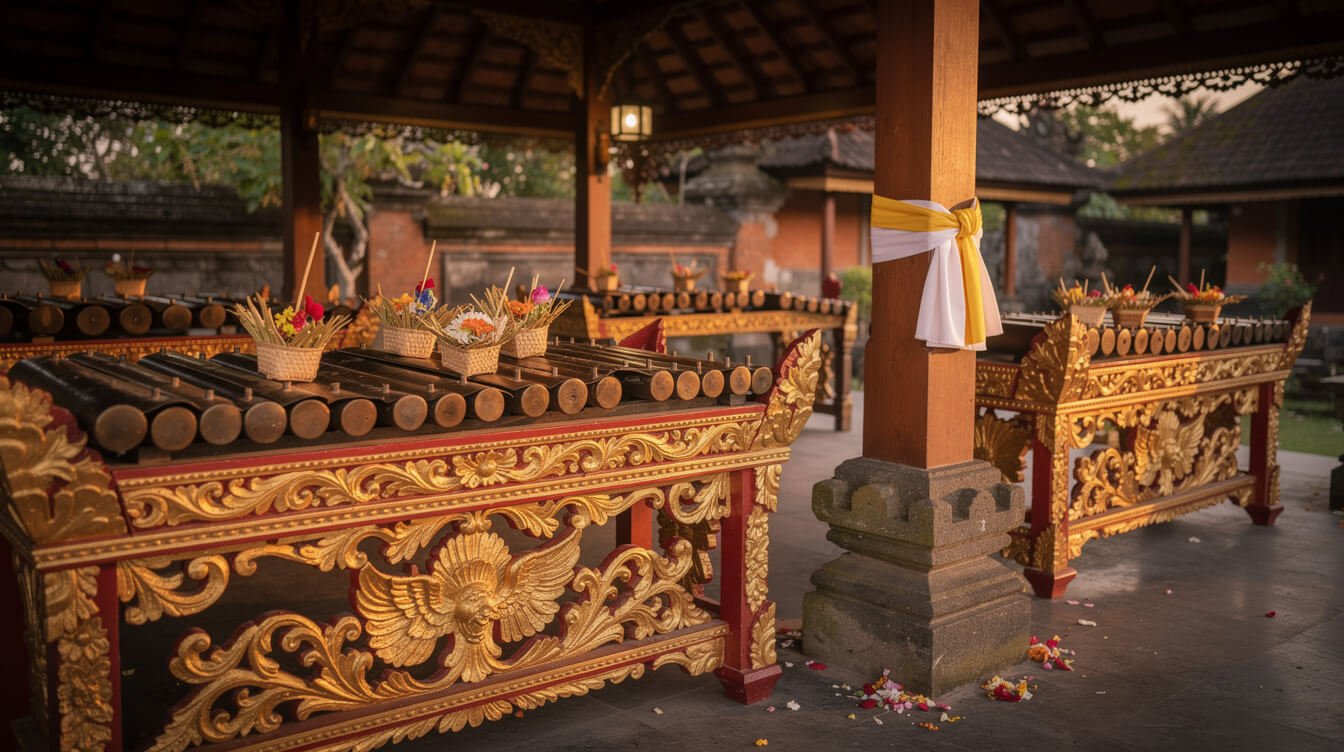
Every 35 days, Bali marks a Tumpek, a day devoted to a different part of life. Tumpek Krulut honors gamelan and other musical instruments, and through them the joy and harmony that music brings to a community. Instruments receive offerings and blessings, and in some villages the evening brings performances. It is a gentle, joyful day rather than a public spectacle, but if you hear bronze ringing from a banjar that night, you will know why. Our evening piece on gamelan in Ubud gives you a feel for the sound.
How to be a good guest at ceremonies
- Wear a sarong and sash at any temple, and cover your shoulders.
- Never walk in front of people who are praying, and never stand higher than a priest.
- Don’t step on offerings on the ground. They are everywhere on ceremony days, so watch your feet.
- Expect occasional road closures for processions. Give yourself extra time and enjoy the view.
Best Days Out from Ubud in September
Calm seas and clear skies make September one of the best months for days out, and the lighter traffic means less time in the car. These are the trips we find our guests enjoy most at this time of year.
Mount Batur at sunrise
The dry season gives the best odds of a clear view from the rim of the volcano, with Mount Agung rising out of a sea of cloud. Pickup from Ubud is usually around 2 to 3 AM. Bring a warm layer, because the summit is cold before dawn even in September. Our Mount Batur sunrise guide covers what to expect on the trail.
Nusa Penida and the islands
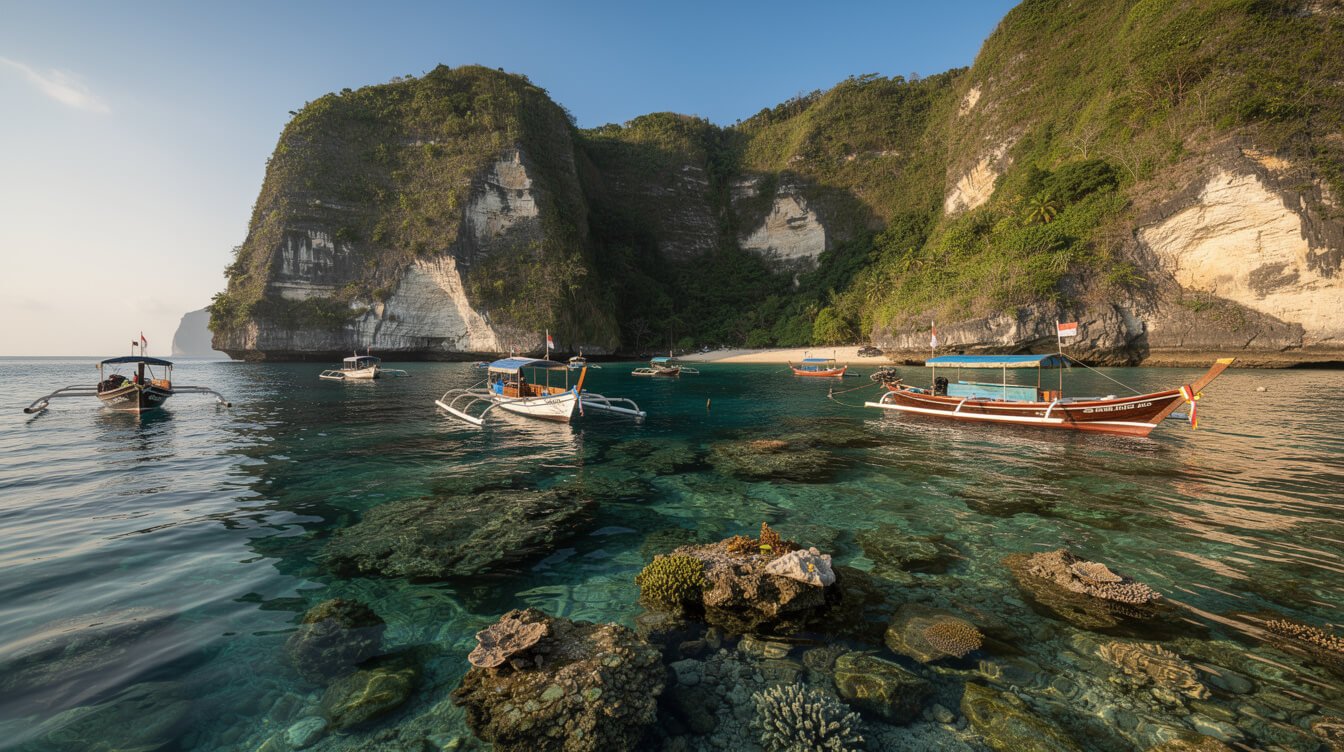
September seas are usually calm, which makes the fast-boat crossing from Sanur smoother. The cliffs and bays of Nusa Penida are at their most dramatic under clear skies, and divers still have a chance of spotting ocean sunfish around the deeper sites until roughly October. Our Nusa Penida day trip from Ubud explains how to make it work in one day.
The east coast: Amed and Sidemen
The east coast faces calm water and stays dry in September, which is good news for snorkeling over the reefs at Amed. On the way, the green valley of Sidemen is beautiful in the clear morning light, with Mount Agung standing over the rice fields.
Water temples and waterfalls
Waterfalls carry less water in the late dry season, but the paths are dry and the pools are often clearer. Our Bali waterfall guide lists which ones still flow well. Pair one with a morning at Tirta Empul, the holy spring temple, arriving at opening time.
Surf, if you want it
The west and south coasts are still catching solid swells in September, with the dry-season trade winds blowing offshore on many breaks. Beginners will find gentler beach breaks, and experienced surfers will find the reefs still working. See our guide to surfing in Bali.
Planning Your Trip: Crowds, Prices and Getting Around in September
September is a shoulder month, and it behaves like one. The first two weeks are usually the calmest of the year’s dry season. In the second half, Bali often gets busier again as spring school holidays begin in Australia, Bali’s largest source of visitors. That makes mid-September the sweet spot.
Prices
Flights and accommodation usually ease after August, though they don’t fall to wet-season lows. If your dates are flexible, flying mid-week and arriving in the first half of the month tends to give the best value. For an honest look at daily costs, see our guide to Bali travel prices.
Getting around
Traffic is lighter than in peak season, but Bali’s roads are still slow. A private driver for the day is the easiest way to do day trips, and it lets you stop at a roadside stall or a temple whenever something catches your eye. Ubud is about 60 to 90 minutes from the airport depending on the time of day. See how far Ubud is from Bali airport for the details.
Before you fly
- Check the current visa rules for your passport. US travelers can start with our Bali visa guide for US citizens.
- Pay the Bali tourist levy online before you travel and keep the receipt handy on your phone.
- Book Mount Batur, island trips and cooking classes a few days ahead, and keep one flexible day spare in case of weather.
- If you are traveling as a family or a group, a villa with several bedrooms and a pool usually works out better than several hotel rooms. Our guide to Bali villas for families explains why.
Book the Villa
September is the quiet window after the summer rush. Make a home in the rice fields your base: three bedrooms, a private pool and a tropical garden, with a team on hand to plan your days out, cook your dinners and point you to the ceremonies. Check availability for your dates.
What to Pack for Bali in September

Pack for warm, sunny days, mild evenings and the occasional shower. Think light, breathable and easy to wash.
- Light linen and cotton: loose shirts, dresses and shorts for the day.
- A sarong and sash: essential for temples, and useful as a beach cover-up or a light blanket.
- One warm layer: a light sweater or fleece for the Batur sunrise trek or the highlands around Munduk.
- A compact rain jacket: you may not need it, but late-month showers do happen.
- Sun protection: reef-safe sunscreen, a wide-brimmed hat and good sunglasses.
- Good footwear: sandals for town, walking shoes for rice fields and treks, and reef shoes for rocky beaches.
- A reusable water bottle: many cafés and villas will refill it.
- Insect repellent: mosquitoes are fewer in the dry season, but they are still around at dusk.
For the complete checklist, see our guide to what to pack for Bali, and our page on Balinese traditional attire explains how to wear a sarong properly at a temple.
Bali Weather in September: Frequently Asked Questions
Does it rain in Bali in September?
A little, but not much. When it comes to rain, Bali weather in September is still firmly dry-season: most days are sunny, rainy days are few, and showers are usually short. Ubud and the hills see a little more rain than the south coast, and showers become slightly more likely toward the end of the month.
How hot is Bali in September?
Warm and comfortable. Expect about 28–31°C (82–88°F) by day on the coast and a degree or two cooler in Ubud. Nights are around 21–24°C (70–75°F), cooler inland and much colder on the volcanoes before dawn.
Is September high season in Bali?
Not quite. September is a shoulder month. The first half is noticeably quieter than July and August, and the second half often picks up as Australian spring school holidays begin.
Is the sea good for swimming and snorkeling in September?
Yes. The east coast, including Amed, Padangbai and the Nusa islands, is generally calm and clear. The west and south coasts still get surf, so swim at patrolled beaches between the flags and respect the currents.
Is Galungan in September 2027?
No. Galungan falls on 11 August 2027 and Kuningan on 21 August 2027. The next Galungan is 8 March 2028. You may still see penjor along the roads in early September, and the September full moon and Tumpek Krulut on 25 September bring their own quieter ceremonies.
Is Ubud a good base in September?
It is one of the best. Ubud is central for day trips to the volcanoes, the east coast and the water temples, its mornings are cool and fresh, and its evenings are mild. You get the island’s culture on your doorstep and the beaches within easy reach.
September or August: which is better?
August is a little drier and cooler at night, but it is the busiest month of the year. September keeps most of the good weather with fewer crowds and slightly lower prices. For most travelers who can choose, September is the better balance.
Final Thoughts: September Is Bali’s Golden Shoulder
If you could design a month for Ubud, it might look a lot like September. The skies are still clear, the rice fields are a patchwork of green and gold, the roads have room on them again, and the island’s ceremonies carry on at their own unhurried pace. You can climb a volcano at dawn, snorkel a calm reef by noon and eat dinner on a terrace under the full moon, all without fighting the crowds of high summer.
Come in the first half of the month if you can. Leave a little space in your plans for a procession, a shower or a long lunch. And let the team at your villa help you shape the days, because the best of Bali in September is usually the moment no itinerary planned for.

Join our newsletter — fun, new, exciting Bali news
Season tips, ceremony dates like the full moon and Tumpek days, entry-rule changes and small stories from Ubud. Delivered now and then, always worth opening.