Munduk, Bali: Mist, Coffee and Waterfalls in the Highlands Beyond Ubud
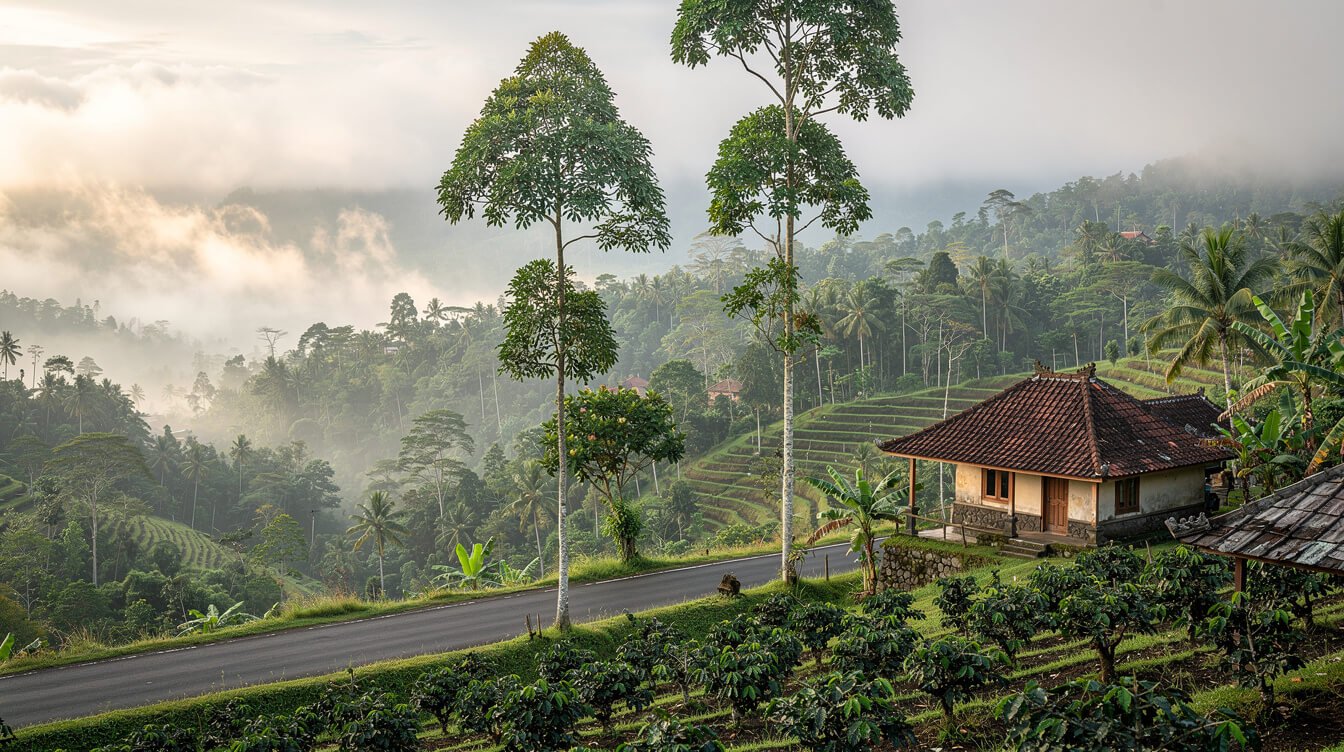
Somewhere past Lake Beratan you’ll feel it happen. The car climbs, the windows fog at the edges, and the air that comes through the gap smells of wet pine, then of something sweeter and sharper: cloves, drying on a mat by the road. Two hours after leaving the rice fields of Ubud, you reach Munduk, a highland village on a ridge in north Bali where the mornings are cool enough for a sweater and the clouds sit in the valley below you instead of above.
Most Munduk guides assume you’ll move up here for a few nights. This one is written for travelers based in Ubud who want to know if the highlands are worth the drive, how to plan a long day (or one easy night) around them, and what the wet-season months really feel like at a thousand meters. You’ll find the route and drive time, the waterfalls worth your legs, the sacred lake most lists rush past, the coffee and clove story that built the village, a one-day itinerary, packing notes and a short FAQ.
Where Is Munduk? (And How It Differs from Munduk Pakel and Bedugul)
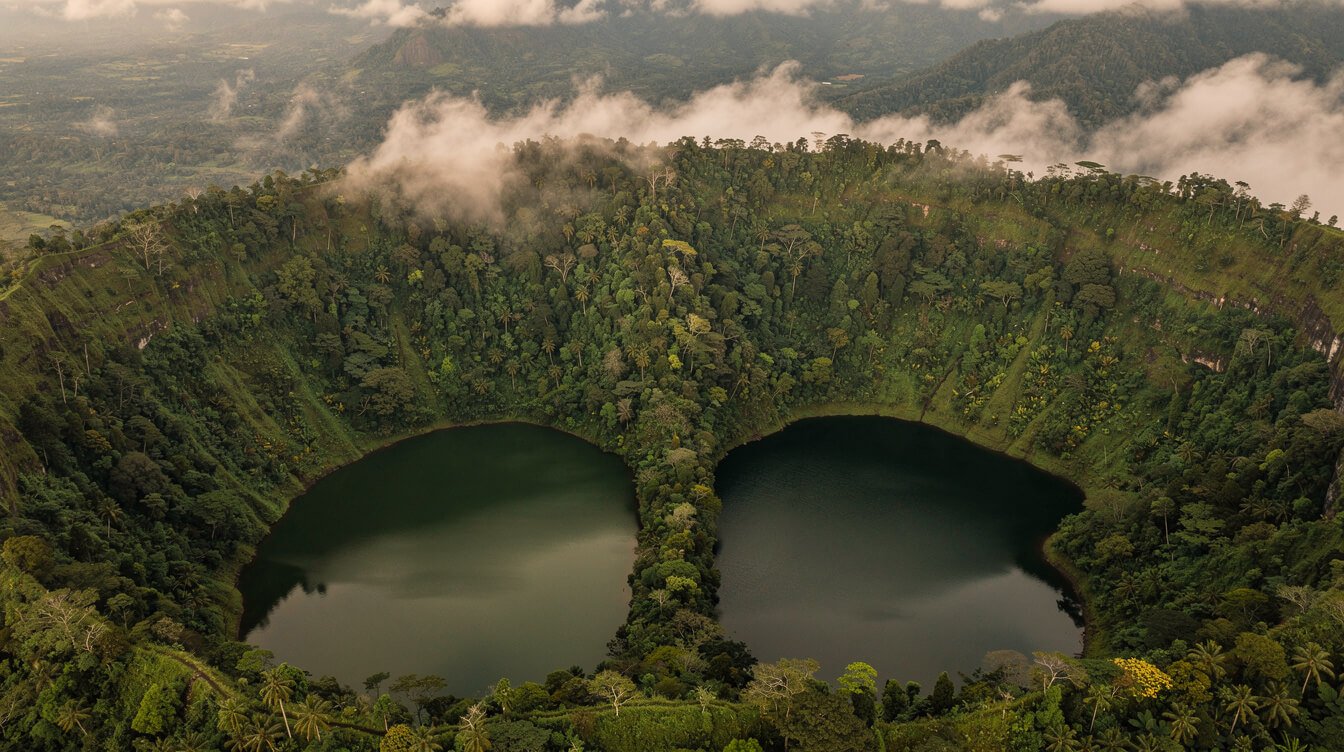
Munduk is a mountain village in Buleleng Regency, on the northern side of Bali’s central volcanic highlands. It sits along a ridge roughly 800 to 1,200 meters above sea level, depending on which bend of the road you’re standing on. On one side are the forested crater lakes of Tamblingan and Buyan. On the other, long green valleys run down toward the north coast and Singaraja.
Two names cause confusion, so let’s clear them up:
- Munduk Pakel is a completely different village, a farming settlement at the foot of Mount Batukaru in Tabanan Regency. If that’s the one you were looking for, we wrote about Munduk Pakel’s subak fields and temples separately.
- Bedugul is the highland area around Lake Beratan, home to Ulun Danu Beratan Temple, the botanical garden and the strawberry stalls. You drive through Bedugul to reach Munduk, about 30 to 40 minutes before you arrive.
People also use “Munduk” loosely for the whole highland pocket, including neighboring villages like Gobleg, Gesing and Umejero. Those four villages share one lake, one forest and a very old bond, which we’ll come back to.
Is Munduk Worth Visiting? An Honest Answer for Ubud-Based Travelers
Yes, for the right traveler. Munduk is a place for walking, for cool air and for slow mornings. It’s farmland that happens to be beautiful, not a list of attractions, and it rewards people who like to notice things: the sound of water in every gully, the clove trees taller than the houses, the women carrying grass on their heads up a slope you’d struggle to climb with empty hands.
Munduk is a good fit if you:
- Enjoy walking on forest and farm paths, even muddy ones
- Want a break from the heat, the traffic and the busy streets of central Ubud
- Love coffee, spice gardens and village life more than shopping and nightlife
- Have at least five or six days in Bali, so one long highland day doesn’t crowd your trip
You might skip it if you:
- Are in Bali for three or four days and want beaches above all
- Get carsick easily (the last hour is all switchbacks)
- Need a guaranteed clear view; the highlands make no promises, especially from November to March
- Have limited mobility, since most of the waterfalls involve steep steps
The fair trade-off: Munduk is a long day from Ubud. Done well, it gives you the cool, misty counterpoint to your rice-field base, Bali in a sweater, and you come home tired and happy. Done in a rush, it becomes four hours in a car for a few photos. The rest of this guide is about doing it well.
Getting to Munduk from Ubud: Route, Drive Time and Day Trip vs. One Night
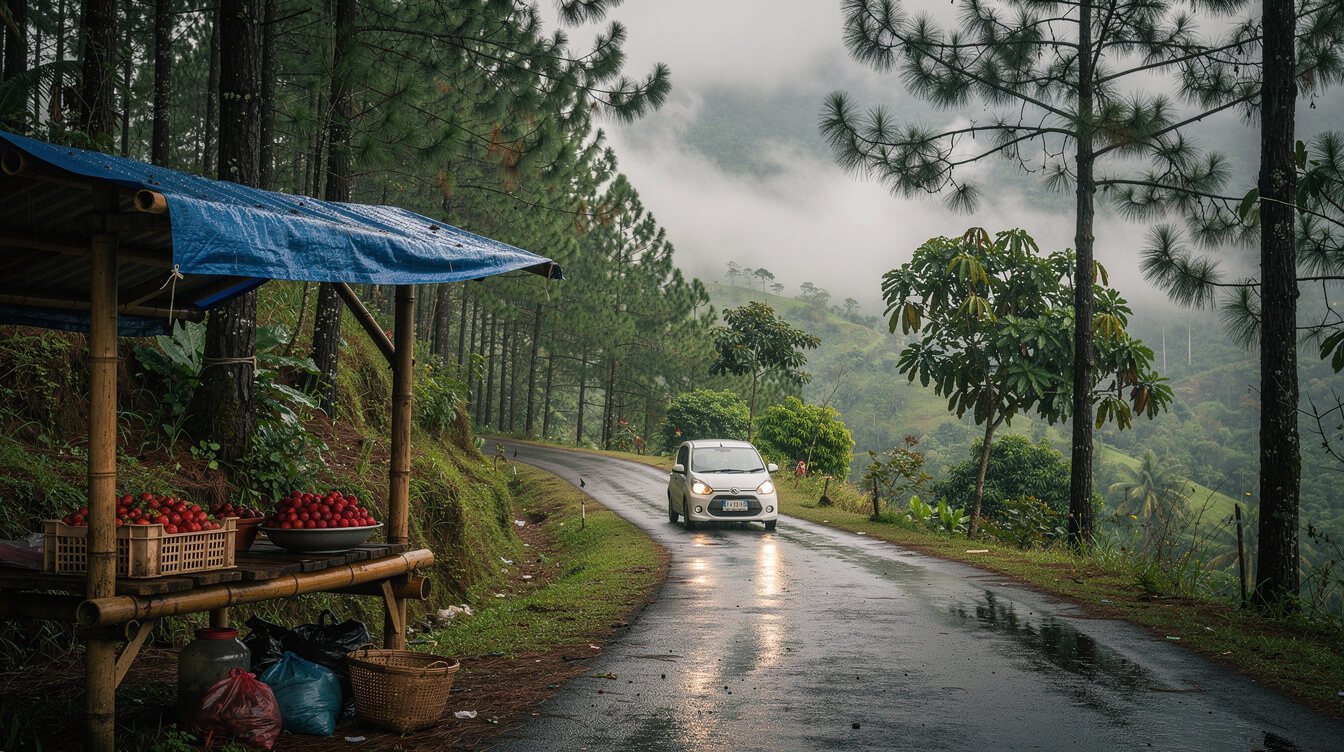
Munduk is roughly 60 to 70 kilometers from Ubud by road. The usual route heads west and north through Mengwi or Baturiti, climbs to Bedugul past Lake Beratan, then turns west along the ridge road through Wanagiri. From there the road runs above Lake Buyan and Lake Tamblingan before dropping gently into Munduk village.
Drive time: allow about two to two and a half hours each way with no stops, longer on weekends and public holidays when Bedugul fills with day-trippers from Denpasar. That means four to five hours of driving for a round trip, before you’ve seen a single waterfall. For a sense of how this compares with other journeys from your base, see our guide to how far Ubud is from Bali’s main spots.
Getting there:
- Private driver (best choice). Hire a car and driver for the full day. Agree the price, the hours and what’s included (fuel, parking, waiting time) before you set off. A local driver knows these roads in fog, and you can stop wherever you like. Ask the team to help you find a driver for the day.
- Scooter (experienced riders only). The roads are paved but steep, narrow, often wet and surprisingly cold early in the morning. Two-plus hours each way on a scooter is tiring even in good weather.
- Organized tour. Many Munduk tours combine Ulun Danu Beratan, the twin lakes and a waterfall. Fine if you want everything arranged, though the pace is set for you.
Worth a stop on the way: Ulun Danu Beratan Temple on its lake, the strawberry and fruit stalls around Pancasari, and the viewpoints along the Wanagiri ridge road, where you look down on both twin lakes at once. That ridge also has several of the Bali swing platforms people come for. If you’ve never seen the UNESCO-listed terraces, Jatiluwih is a possible detour, but it adds about an hour and makes for a very long day. Choose one or the other.
Day trip or one night? A day trip works if you leave early (around 6:30 am) and keep your plan to three or four stops. If you love walking, or you’d rather see the lake at dawn, one night in the highlands turns a rushed loop into an unhurried one. Either way, plan to be off the ridge road before dark: fog after sunset can cut visibility to a few meters.
Get a free 3-day sample itinerary
Wondering how a highland day fits around rice-field mornings and slow afternoons by the pool? See how three easy days from Ubud can unfold, with the best hours for a Munduk trip built in. We will send you a free 3-day sample itinerary.
The Munduk Waterfalls: Red Coral, Melanting, Golden Valley and Banyumala
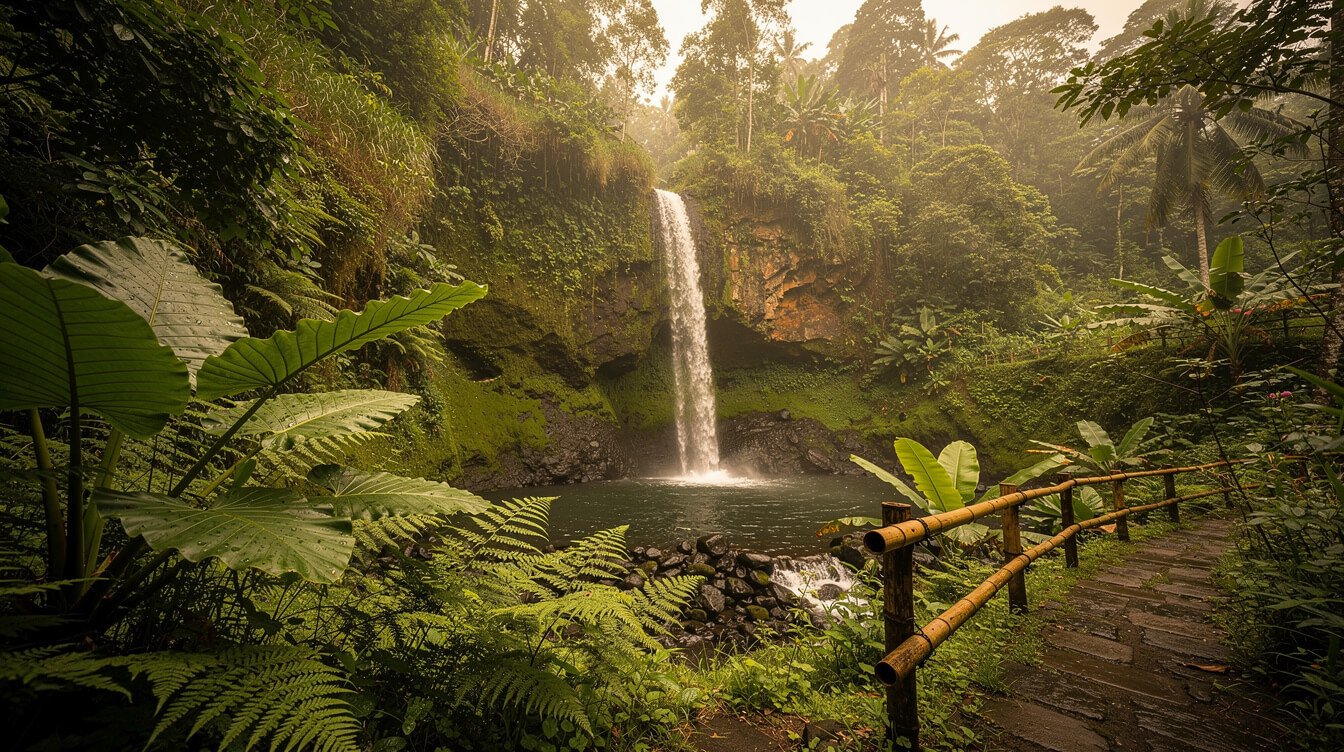
Munduk’s waterfalls are why most people come. Water runs off the caldera and the forest above the village in every direction, so several falls sit close together, linked by farm paths through coffee, cloves and cacao. You can visit one with a short walk from the road, or join a few together on a guided trail.
Munduk Waterfall (Red Coral, or Tanah Barak). The best known, a plunge of about 30 meters into a rocky pool, a few minutes from the village center. From the parking area it’s a walk of roughly 300 to 500 meters through farmland. Easy enough for most visitors, with a few steep sections.
Melanting Waterfall. A tall, narrow fall in a deep green bowl, reached by a longer flight of steps. The climb back up is the real workout, so take it slowly.
Golden Valley Waterfall. Smaller and quieter, set in a valley of clove and coffee gardens, often visited on the same trail as the others.
Banyumala Twin Waterfalls. In Wanagiri village, about 20 to 30 minutes from Munduk on the way back toward Bedugul, two main streams fall side by side into a pool surrounded by forest. The path down is steep and slippery after rain, but it’s one of the loveliest falls in the highlands and an easy one to add to your return drive.
Other falls such as Labuhan Kebo and Belong sit along the same trail network. A local guide can link four or five falls in a half-day walk, and it’s the easiest way to find the right paths in fog.
Entry fees: each waterfall is run by local village managers, and prices change. As of 2026, expect roughly IDR 20,000 to 45,000 per person per waterfall, plus a small parking fee. Bring small bills in cash and confirm the price at the booth.
Safety notes:
- Wear shoes with real grip. Flip-flops on wet clay steps are how ankles get hurt.
- After heavy rain, the water can turn brown and fast. Don’t swim when the pool is churning or the water is rising, and ask at the ticket booth whether the path is open.
- Start early. Rain in the highlands usually arrives in the afternoon.
- Bring a dry layer. You’ll arrive warm from the walk and cool down fast in the spray.
If waterfalls are your thing, our full Bali waterfall guide compares the best falls across the island, and Sekumpul Waterfall, about an hour from Munduk, deserves its own day. Prefer to stay close to home? Start with the waterfalls near Ubud.
Lake Tamblingan and the Twin Lakes: Canoes, Forest Temples and the Catur Desa
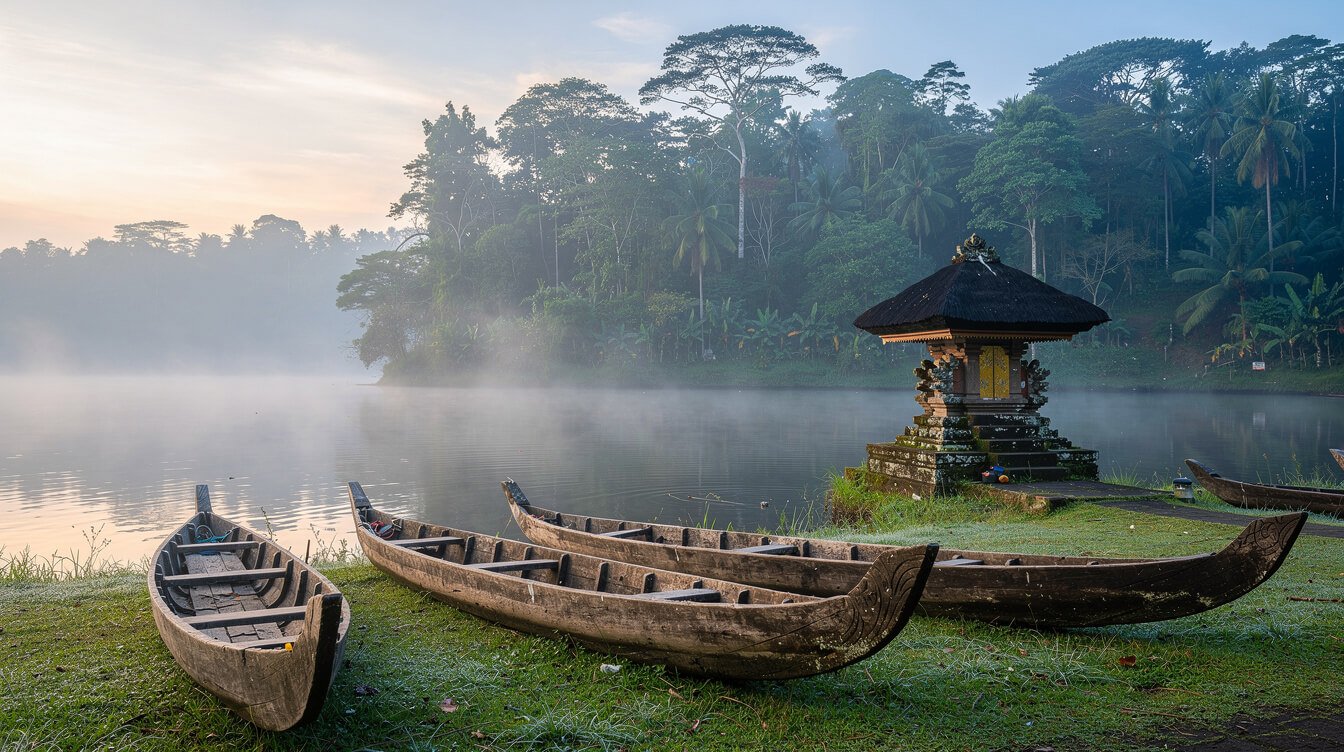
This is the part of Munduk that many lists skip, and it may be the part you remember most. Lake Tamblingan is the smaller and quieter of the twin lakes, lying in an old volcanic caldera at around 1,200 meters and ringed by thick rainforest. There are no speedboats here, no lakeside cafes, no big buildings on the water. Just mist, birdsong, a few small temples on the shore and old wooden dugout canoes pulled up on the grass.
Why it feels different. Tamblingan and its forest, Alas Mertajati, are sacred to the Catur Desa, the “four villages” of Munduk, Gobleg, Gesing and Umejero. Their shared customary community, Adat Dalem Tamblingan, traces its history back to royal inscriptions from the tenth century. According to local tradition, the original village on the lakeshore moved downhill centuries ago so the lake and its springs could stay pure, and the four villages still guard the forest as the source of their water. In 2025, their Alilitan water ritual cycle was recognized as part of Indonesia’s national intangible cultural heritage.
The canoes. Near Pura Ulun Danu Tamblingan, on the southern shore, local villagers take visitors out on the lake in wooden canoes. Some trips last half an hour, others cross to the far shore for a short forest walk. Agree the price and the length of the trip before you push off, and go early: the lake is usually calm and misty at dawn, and the canoes may not go out in wind or heavy rain. Several community-guided options also combine a forest trek with the canoe crossing.
The temples. Pura Ulun Danu Tamblingan sits near the water, and other shrines are scattered through the forest and along the ridge between the two lakes. These are active temples. Wear a sarong and sash, keep your shoulders covered, speak quietly and don’t climb on shrines or walls. A small donation at the entrance is normal.
The viewpoint. For the classic view of both lakes, stop along the Wanagiri ridge road between Bedugul and Munduk. In clear weather you see Buyan and Tamblingan side by side, dark green in their forest bowl. In cloud you may see nothing at all, which is part of the deal up here. Give it ten minutes; the mist often moves.
Coffee, Cloves and an Old Hill-Station Village
The waterfalls are scenery. The plantations are the reason Munduk exists in the shape it does. Every terrace you pass on the way in is working land: coffee and cloves above all, with cacao, vanilla, avocado and fruit trees in between, mostly grown by smallholder families on slopes no machine could climb.
A Dutch-era hill station. The Dutch took control of north Bali in the mid-1800s and governed from Singaraja on the coast below. In the early twentieth century, officials came up to Munduk’s cool ridge to escape the coastal heat, and the colonial period helped shape the village’s cash crops. A handful of older colonial-style houses still stand along the main road. Look for the long verandas and tall windows mixed in among Balinese family compounds.
Coffee. Arabica grows on the higher slopes, robusta lower down. Much of it is still hand-picked, sun-dried on mats and roasted in small batches. Order it plain, at least once, before the sugar goes in, and taste what the altitude does to it. If someone offers you civet coffee, read our honest take on luwak coffee in Bali first.
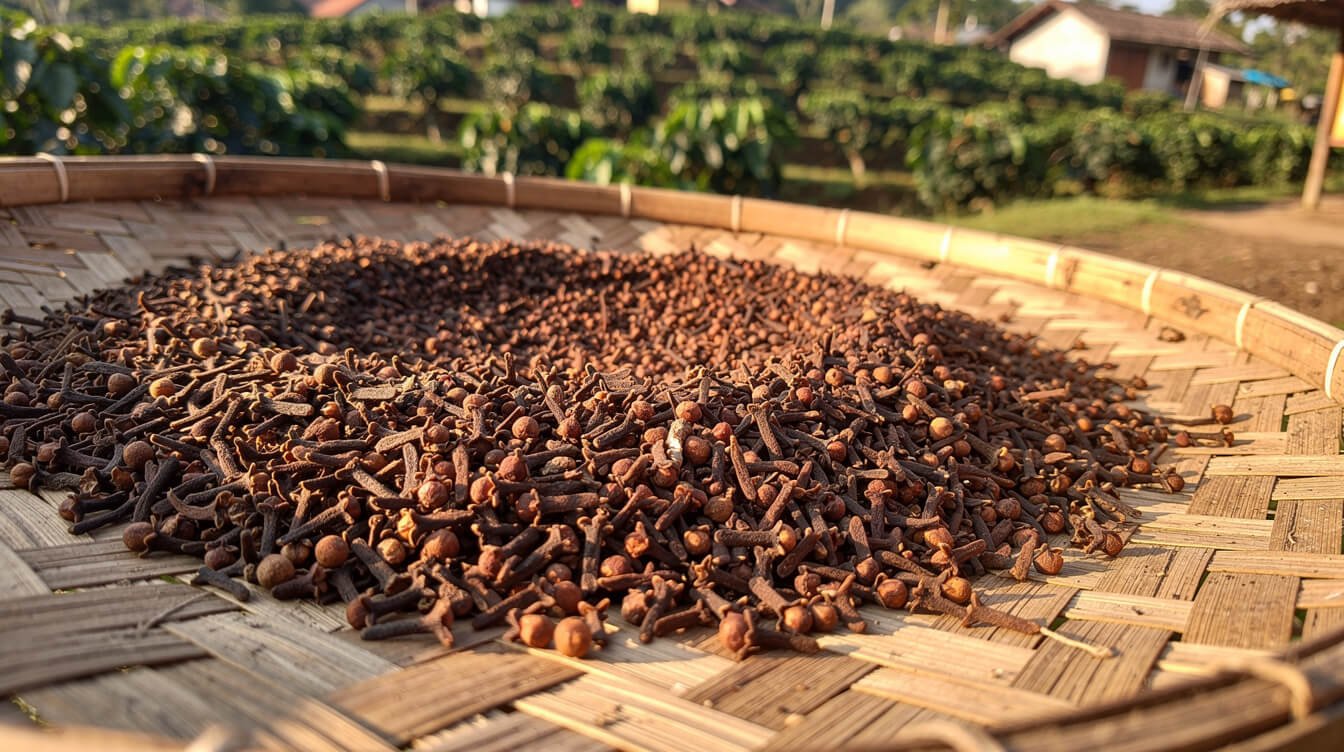
Cloves. The tall trees with dense dark canopies are clove trees, and the buds are picked by hand before they open. During the harvest, roughly July to September, bamboo mats of drying cloves cover yards, rooftops and road verges, and the whole valley smells warm and spicy. Visit in the dry season and you’ll likely see it (and smell it). Visit in the wet season and you’ll still see clove trees everywhere, and probably a few mats wherever the sun breaks through.
What to look for: coffee cherries reddening on the bush in the middle of the year, cacao pods on the trunks, vanilla vines climbing host trees, and small roadside stalls selling bags of ground coffee and whole cloves directly from local families. A bag of Munduk coffee or cloves makes a far better souvenir than anything at the airport.
Book the Villa
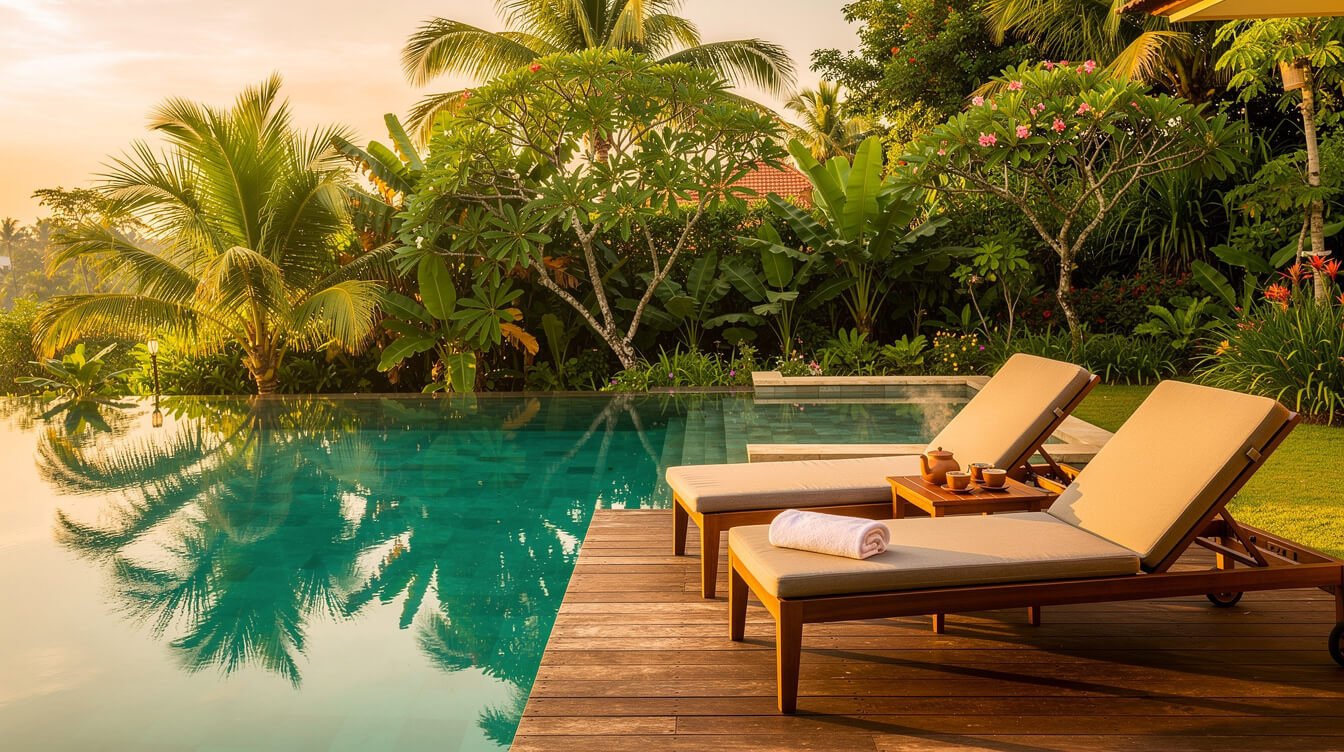
Come down from the cool highlands to your own warm pool and quiet garden. Three bedrooms and a private pool in Ubud, with a team on hand to help you plan your day trips and find a good driver. Check availability for your dates.
A One-Day Munduk Itinerary from Ubud
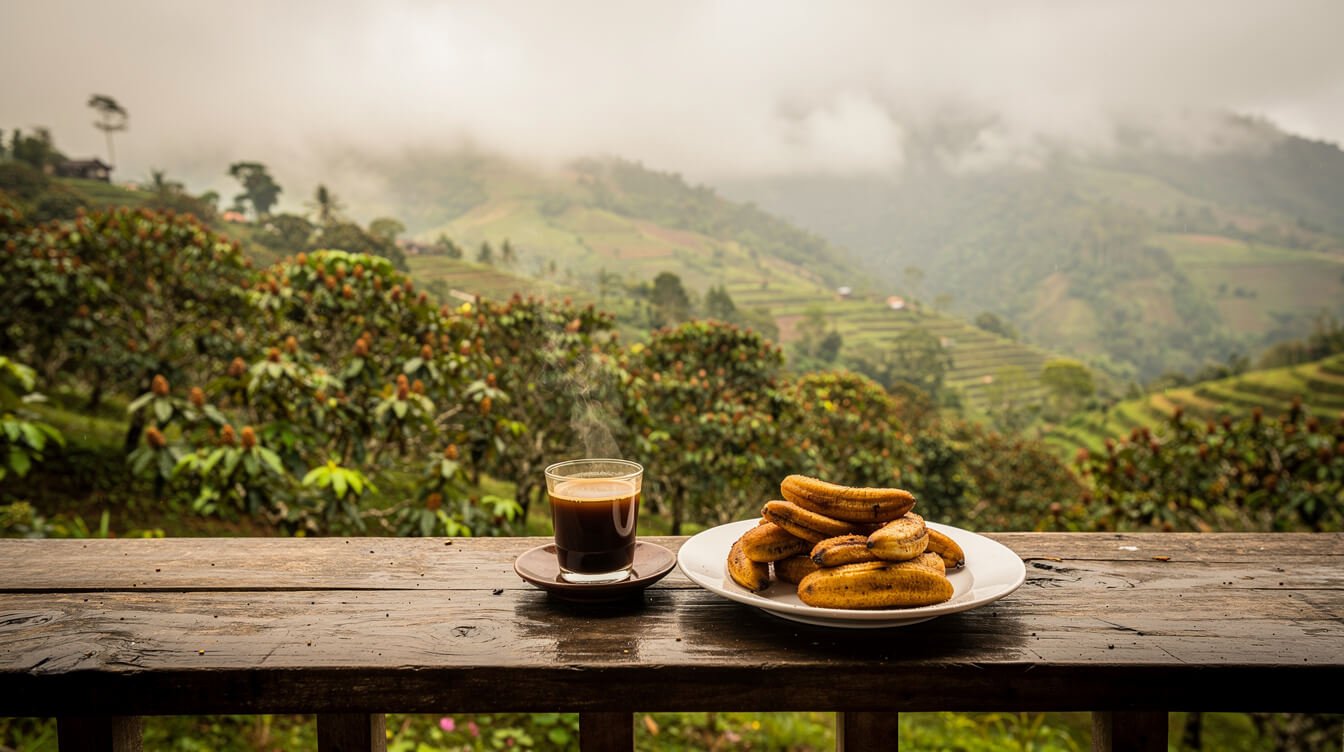
Here’s a realistic long day, built around early starts and an afternoon exit before the rain and fog. Adjust the stops to your energy, and remember: fewer stops, done slowly, beats a checklist.
- 6:30 am: Leave Ubud with your driver. Bring a light jacket and a snack for the road.
- 8:15 am: Ulun Danu Beratan Temple, before the tour buses arrive. Thirty to forty-five minutes is plenty.
- 9:15 am: The Wanagiri ridge viewpoint over the twin lakes. A quick stop, and a coffee if the mist is thick.
- 9:45 am: Lake Tamblingan. A canoe trip or a short lakeshore walk to the temple. Allow about an hour.
- 11:15 am: Munduk Waterfall (Red Coral), or a guided walk linking two or three falls if your legs are fresh.
- 1:00 pm: Lunch at a simple warung with a valley view. Look for a local coffee and a plate of rice with vegetables.
- 2:15 pm: Banyumala Twin Waterfalls on the way back toward Bedugul, if the path is dry enough. Skip it if it’s been raining hard.
- 3:30 pm: Start the drive home, with a quick stop at a strawberry or fruit stall around Pancasari.
- 5:30 to 6:00 pm: Back in Ubud, muddy, happy and ready for a swim.
Want a gentler version? Drop Banyumala and the guided trail, and choose one waterfall plus the lake. Want a bigger one? Stay a night in the highlands and do Tamblingan at dawn. For more ideas in every direction, see our guide to day trips from Ubud.
Munduk in the Wet Season: Mist, Rain and What to Pack
Many visitors come to Bali between November and March, and Munduk looks very different then. It’s worth knowing what you’re signing up for.
What to expect from November to March:
- Cool air. Days in Munduk usually sit in the low to mid 20s °C (about 70 to 77°F), and evenings can drop into the high teens (low to mid 60s °F). That’s comfortable for walking, and chilly if you’re wet.
- Mist and cloud. Clouds often roll over the ridge by late morning. The lakes and valleys may vanish for an hour, then return. Don’t plan your day around one specific view.
- Afternoon rain. Rain more often arrives in the afternoon than all day, which is why the itinerary above front-loads the walking.
- Full waterfalls, slippery paths. The falls are at their most powerful, but clay paths and stone steps turn slick, and some descents are unsafe for a day or two after heavy rain. Ask locally before you start a long trail.
From April to October the mornings are clearer, the paths dry, and the coffee and clove harvests fill the village with activity. If you’re choosing when to visit, our month-by-month guide to Ubud and Bali and our Bali rainy season guide cover the trade-offs. July, in the middle of clove season, is a lovely month up here; see Bali weather in July.
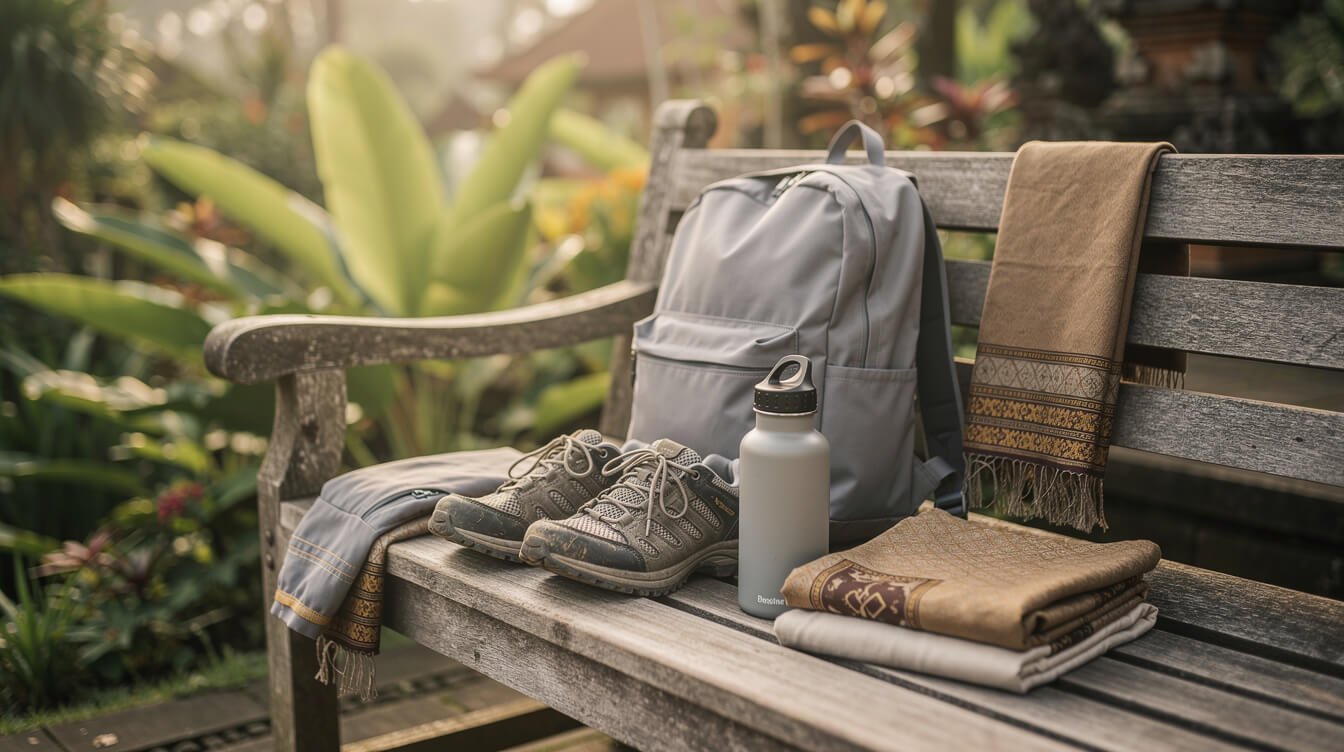
What to pack for a Munduk day:
- Walking shoes or sandals with good grip (not flip-flops)
- A light rain jacket and a warm layer
- A sarong and sash for temple visits, with shoulders covered
- Swimwear and a quick-dry towel, if you plan to swim
- Small cash for entry fees, parking, canoes and coffee
- Insect repellent, a water bottle and a dry bag for your phone
- A spare pair of socks for the drive home (you’ll thank yourself)
Munduk FAQ
How far is Munduk from Ubud?
About 60 to 70 kilometers. Allow two to two and a half hours each way by car via Bedugul, longer with stops or weekend traffic.
Can you do Munduk as a day trip from Ubud?
Yes, if you start early and keep to three or four stops. Expect a ten- to eleven-hour day with four to five hours in the car. One night in the highlands makes it far more relaxed.
Is Munduk worth visiting in the rainy season?
It can be. The waterfalls are full, the landscape is deep green, and the mornings are often clear. Accept that the views may be hidden by cloud, walk early and turn back if a path looks unsafe.
How cold is Munduk?
Cool, not cold. Think low to mid 20s °C by day and high teens at night. Bring a light jacket.
Can you swim at the Munduk waterfalls?
At some pools, in calm conditions. Never swim when the water is brown, fast or rising, and follow any signs or advice from the ticket booth.
Is Munduk the same as Munduk Pakel?
No. Munduk is in Buleleng, in the north-central highlands. Munduk Pakel is a separate village at the foot of Mount Batukaru in Tabanan.
What should I wear to Lake Tamblingan’s temples?
A sarong and sash, with your shoulders covered. Speak quietly and don’t climb on shrines.
Final Thoughts: Bring a Sweater and Come Back Muddy
Munduk asks something of you: an early alarm, a long drive, a few hundred steep steps. In return it gives you a Bali most visitors never feel. Cold water on your face at the bottom of a waterfall. A canoe sliding through mist on a lake that four villages have protected for centuries. The smell of cloves drying in the sun, and a cup of coffee grown on the slope below your table.
Then the road winds back down, the air warms, and the rice fields of Ubud open up again. You’ll have earned that evening swim. Pack a sweater, pick your waterfalls, and let the highlands surprise you.

Join our newsletter — fun, new, exciting Bali news
Ceremony dates like Galungan and the full moons, highland and waterfall notes, entry-rule changes and small moments from Ubud. Delivered now and then, always worth opening.