Trip to Bali: Your Complete Guide to Planning the Perfect Bali Getaway
Planning a trip to Bali starts the way most dreams do — with a single image. Maybe it’s terraced rice fields glowing in afternoon light. Maybe it’s the sound of a gamelan melody floating from a temple courtyard. Whatever brought Bali to mind, the real question isn’t whether to go. It’s how to arrive well — with the kind of preparation that turns a vacation into something you carry with you long after you’ve come home.
We’re the team behind a staffed villa in Ubud, and every week we welcome guests who planned their trip to Bali in wildly different ways. Some arrive with spreadsheets. Others step off the plane with nothing but a return ticket and a willingness to follow the road. Both approaches work — but the guests who seem to settle in the fastest are the ones who understood a few things before they landed. This guide is those things.
How to Plan Your Trip to Bali: What to Know Before You Book

Bali doesn’t require the kind of planning that European rail trips or African safaris demand. But a little forethought goes a long way — mostly because Bali’s rhythm is different from what most travelers expect, and arriving with the right expectations changes everything.
Best Time to Visit
Dry season runs from April through October. Skies are clear, humidity drops, and the rice terraces take on that golden-green glow you’ve seen in photographs. July and August are the busiest months — flights cost more, popular restaurants require reservations, and the Monkey Forest trails feel crowded by mid-morning.
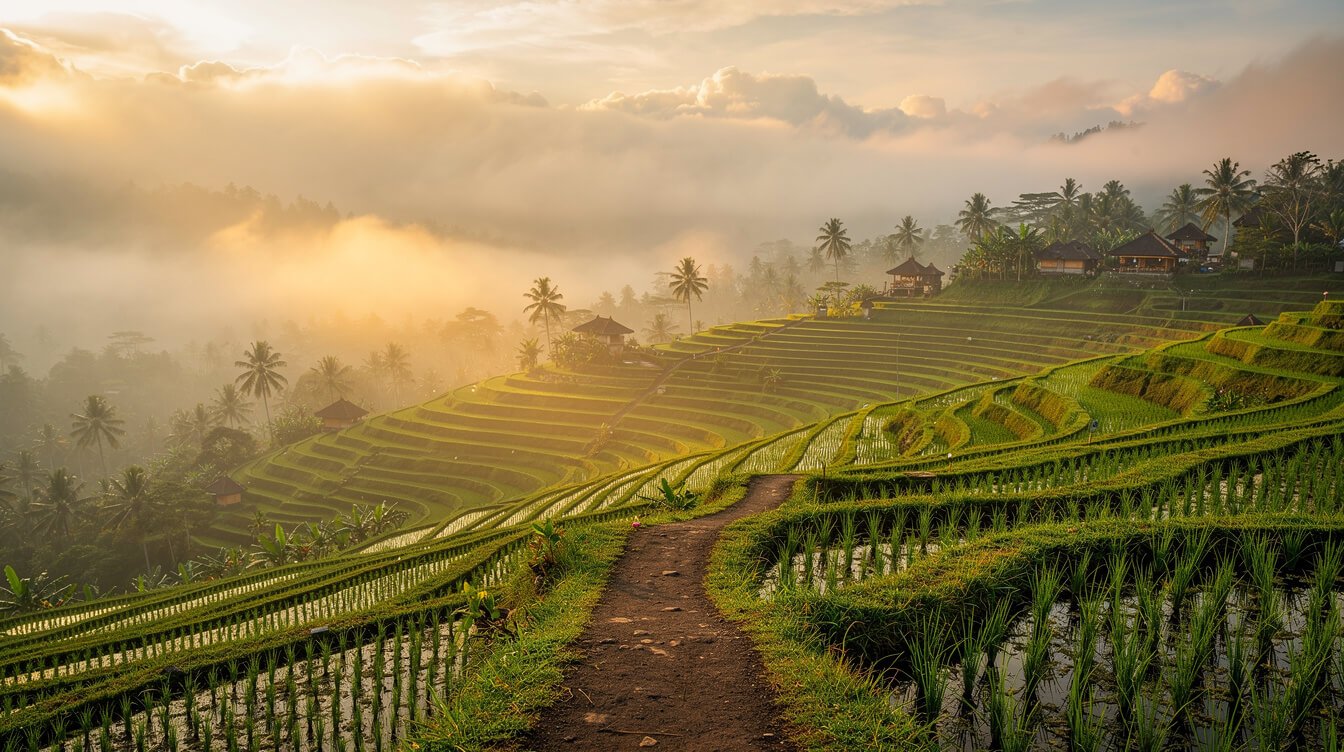
Shoulder months (April–May and September–October) are the sweet spot. The weather is still dry, prices are reasonable, and you’ll share Tegallalang’s terraces with fewer people. Rainy season (November through March) brings afternoon downpours — usually an hour, sometimes two — then sunshine again. It’s not a reason to cancel. The landscape turns electric green, waterfalls run at full power, and rates drop significantly.
How Long to Stay
Seven days is the minimum for a trip to Bali that doesn’t feel rushed. Ten days lets you explore two or three areas without that nagging sense of being in transit. Two weeks is where the island starts to open up — you stop sightseeing and begin living. If you’re based in Ubud, even three days gives you enough time to find a rhythm. Our day-by-day villa stay guide breaks down exactly what that looks like.
Visa and Entry Requirements
Most nationalities can purchase a Visa on Arrival (VOA) at Ngurah Rai International Airport for IDR 500,000 (roughly $32 USD). It’s valid for 30 days and extendable once for another 30 days at a local immigration office. For stays beyond 60 days, you’ll need a B211A social visa arranged before arrival through a licensed agent. The process is straightforward — your villa team can recommend an agent who handles everything.
Pre-purchasing your VOA online through the official Indonesian immigration portal saves 20–30 minutes in the arrival queue. Bring a printed or digital copy of the confirmation.
Trip to Bali Budget: What Everything Actually Costs
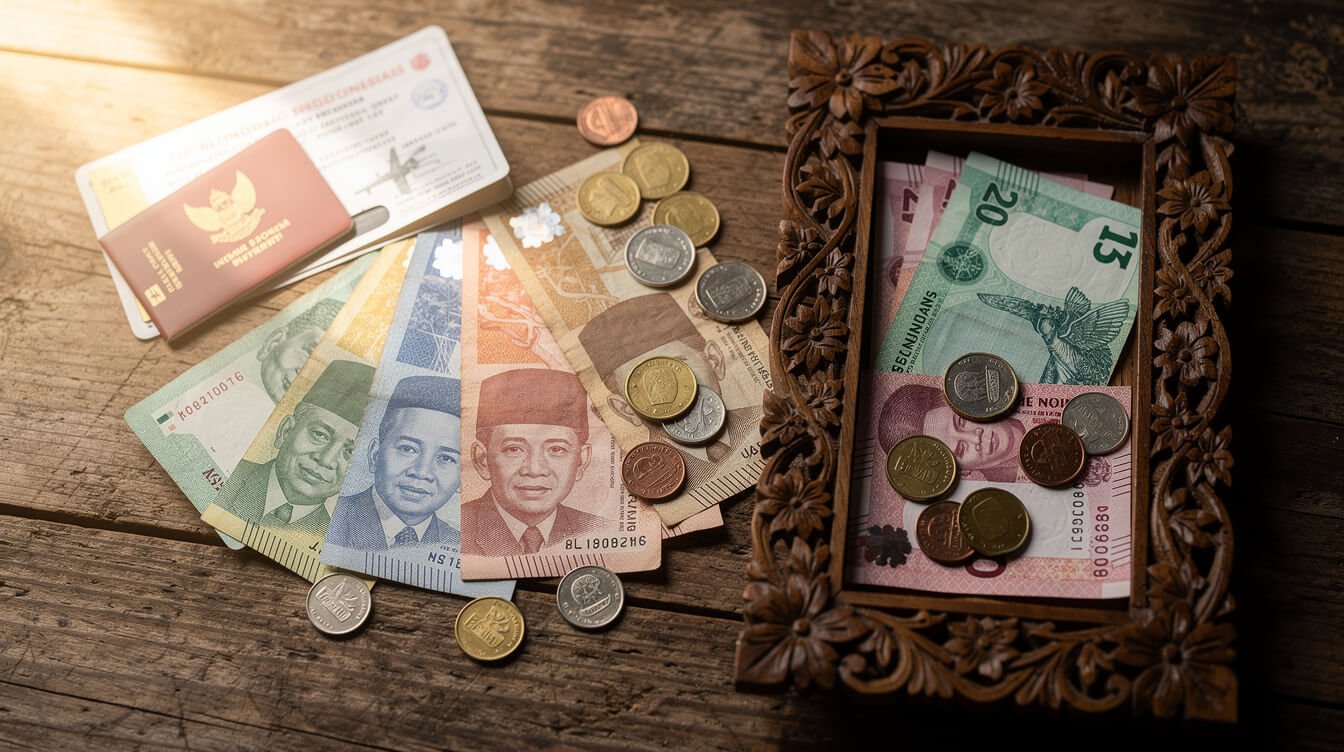
Bali’s cost range is enormous. You can eat at a warung for IDR 25,000 ($1.60) or dine at Locavore for IDR 2,500,000 ($160) per person. The same is true for accommodation, transport, and activities. Here’s what a comfortable mid-range to upper-range trip actually costs in 2026.
Daily Budget Breakdown
Budget traveler: $40–70/day. Guesthouses, warungs, motorbike rental, self-guided temple visits. Bali remains one of Southeast Asia’s best-value destinations at this level.
Mid-range traveler: $100–200/day. Boutique hotel or Airbnb, mix of warung and restaurant dining, private driver for day trips, occasional spa visits, one or two organized activities.
Premium traveler: $200–500+/day. Staffed private villa, fine dining at Ubud’s best restaurants, private guide, spa treatments, helicopter transfers or premium experiences. At this level, the value is extraordinary — a staffed villa with a private chef, daily housekeeping, and a dedicated manager costs less than a standard room at most international luxury resorts.
Currency and Payments
The Indonesian Rupiah (IDR) is the local currency. ATMs are everywhere in tourist areas — use ones inside banks (BCA, Mandiri, BNI) to avoid skimmers. Wise or Revolut cards get the best exchange rates. Many restaurants and shops accept cards, but warungs, markets, and temple entrance fees are cash-only. Carry small bills — IDR 10,000 and 20,000 notes — for offerings, parking attendants, and market purchases.
Get a Free 3-Day Sample Itinerary
See what a few days in Ubud actually looks like — morning to evening, temple to pool deck.
Where to Go in Bali: A Region-by-Region Guide for Your Trip

Bali is smaller than most people expect — about the size of Delaware — but its regions feel like different countries. Each area has its own personality, pace, and purpose. The key to a great trip to Bali is matching where you go to what you’re looking for.
Ubud: The Cultural Heart
If you want Bali the way it’s been for centuries — rice terraces, temple ceremonies, village rhythms, extraordinary food — Ubud is where you start. It’s the island’s cultural capital, home to world-class dining, traditional dance performances, healing traditions, and some of the most beautiful landscapes in Southeast Asia. The Tegallalang rice terraces, Campuhan Ridge Walk, and the Sacred Monkey Forest are all within fifteen minutes. Morning yoga, afternoon cooking classes, evening gamelan — the days fill themselves.
Seminyak and Canggu: Beach Culture
The southwest coast is where Bali’s beach culture lives. Seminyak is polished — beach clubs, fashion boutiques, rooftop cocktails. Canggu is its younger sibling — surf breaks, co-working spaces, smoothie bowls, and a laid-back creative energy. Neither offers the cultural depth of Ubud, but both are excellent for a few days of ocean time.
Uluwatu: Cliffside Drama
The Bukit Peninsula at Bali’s southern tip is all limestone cliffs, hidden beaches, and the famous Uluwatu Temple perched above crashing waves. This is where surfers come for Padang Padang and Bingin, and where couples come for cliffside sunset dinners. A day trip from Ubud covers the highlights — our 7-day Bali itinerary includes it on Day 6.
East Bali: The Quiet Side
Sidemen, Amed, and Tirta Gangga offer a Bali that most visitors never see. Sidemen’s rice terraces rival Tegallalang without the crowds. Amed’s coast has some of the island’s best snorkeling (the Japanese shipwreck is remarkable). Tirta Gangga’s water palace is one of Bali’s most photogenic spots. Consider a night or two here if your trip is ten days or longer.
Nusa Islands: Day Trip or Overnight
Nusa Penida, Nusa Lembongan, and Nusa Ceningan sit just off Bali’s southeast coast. Kelingking Beach on Nusa Penida is the image everyone recognizes — that T-Rex-shaped cliff dropping into turquoise water. The fast boat from Sanur takes 45 minutes. A day trip works, but an overnight on Lembongan is the better play.
Where to Stay on Your Trip to Bali: Accommodation Types Explained
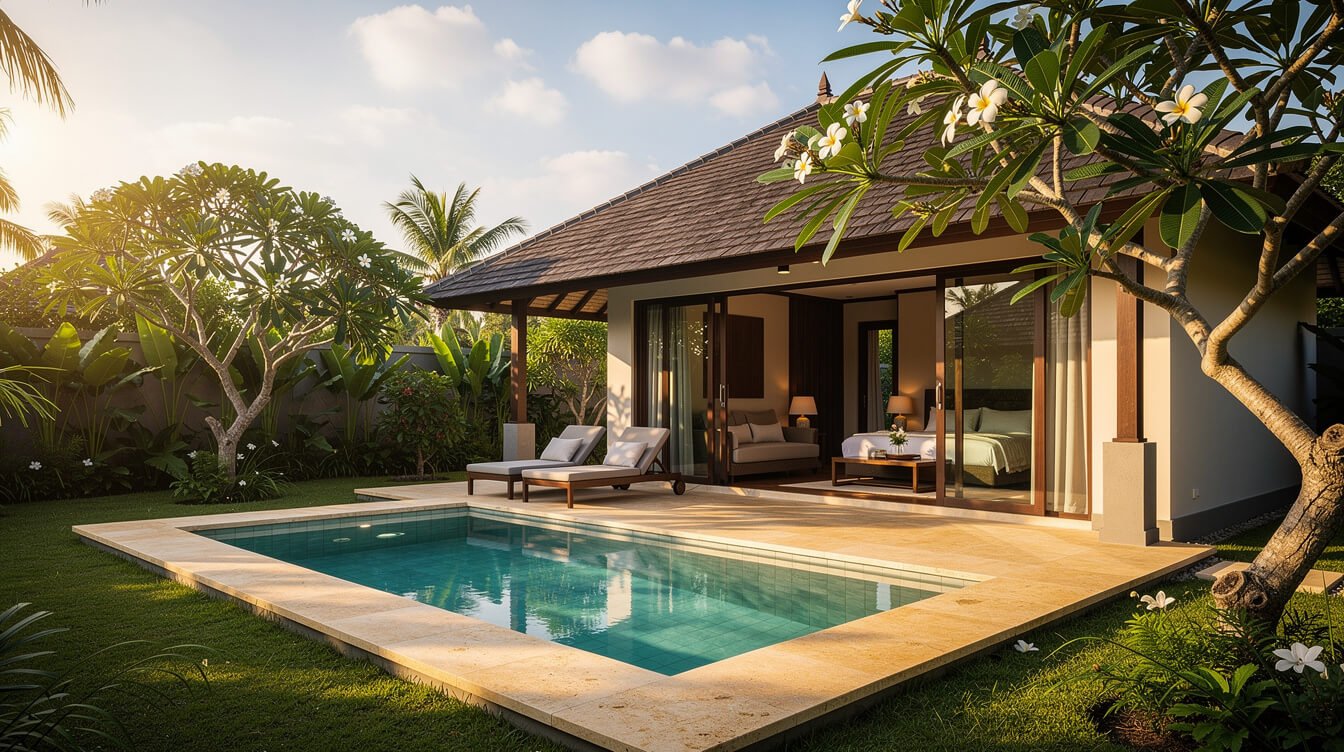
Your accommodation choice shapes everything about your trip to Bali — how you eat, how you move, how your mornings begin. Here’s what each option actually feels like.
Hotels and Resorts
Bali has world-class resorts in every price range. The big international brands (Four Seasons, COMO, Aman) deliver exactly what you’d expect — polished, professional, beautifully designed. Boutique hotels offer something more personal, often with better locations and more character. The trade-off: you’re one of many guests, meals are restaurant-priced, and your schedule revolves around the property’s timetable. Our guide to Bali’s most extraordinary resort stays covers the standouts.
Villas: The Category Most Travelers Overlook
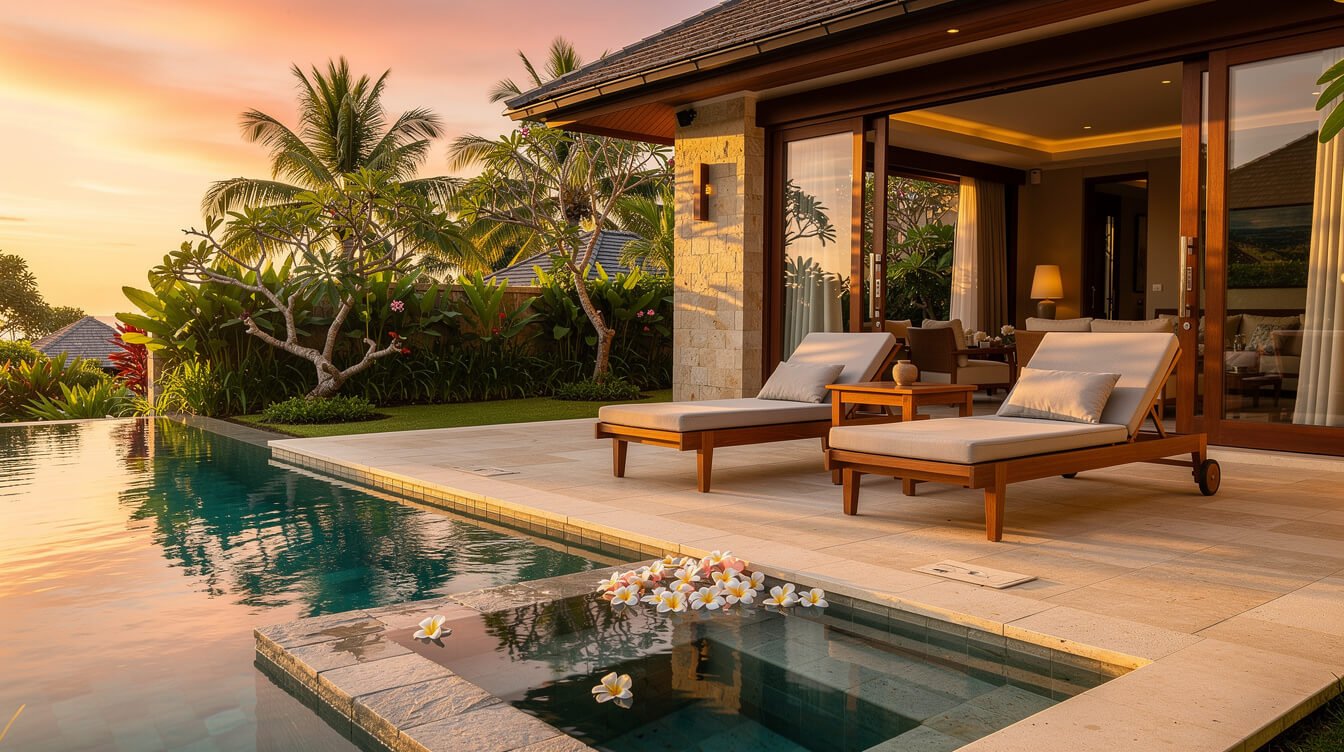
A private villa — especially a staffed private villa — is where the trip to Bali equation changes completely. Instead of a room, you have a house. Instead of a hotel restaurant, you have a private chef who shops the morning market and cooks whatever you’re craving. Instead of a concierge desk, you have a villa manager who knows every driver, every healer, every hidden waterfall worth the walk.
The economics surprise people: a staffed three-bedroom villa in Ubud often costs less per person than a standard room at a luxury resort, and the experience isn’t comparable. You get a pool that’s yours alone, a garden that’s yours alone, and a team whose entire day revolves around your stay. For families, couples traveling together, or groups of friends, it’s the obvious choice — and for solo travelers or couples, it’s the choice nobody tells you about. Check our vacation rental guide for what to look for.
Guesthouses and Homestays
For budget travelers, family-run guesthouses offer the most authentic experience per dollar. Expect a clean room, a shared garden, and breakfast included — often homemade nasi goreng or banana pancakes. The best part: you’re living alongside a Balinese family, which means impromptu conversations, ceremony invitations, and a window into village life that no hotel can replicate.
Book the Villa
Three bedrooms, a private pool, full staff, and a chef who knows the morning market by heart. Tell us your dates.
What to Eat on Your Trip to Bali: A Food Guide
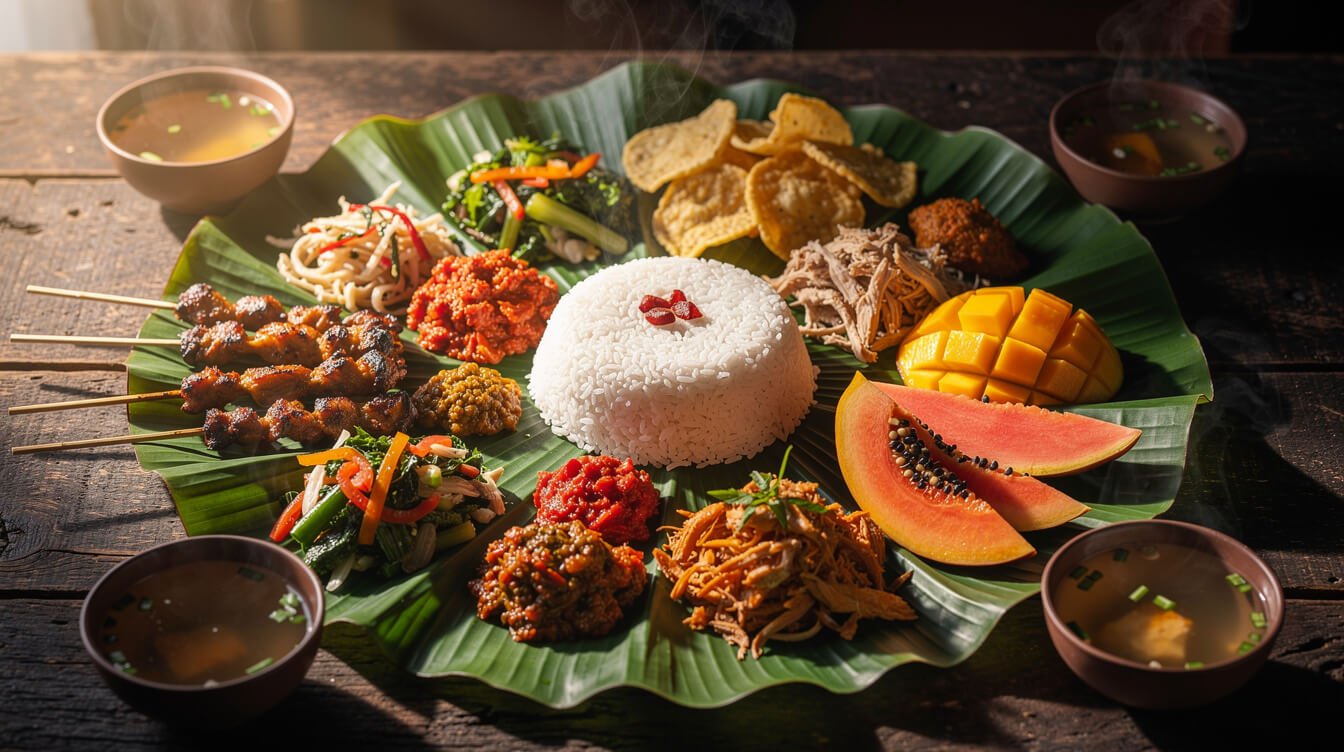
Bali’s food scene is one of the strongest reasons to visit — and one of the most underrated. The island has genuine culinary depth, from family warungs serving recipes unchanged for generations to restaurants that have earned international recognition.
Essential Dishes to Try
Nasi campur — the cornerstone of Balinese dining. A mound of rice surrounded by small portions of whatever the kitchen made that morning: shredded chicken, lawar (coconut and minced meat), sambal, fried tempeh, vegetables, crackers. Every warung’s version is different. Every version is good.
Babi guling — spit-roasted suckling pig, seasoned with a paste of turmeric, coriander, lemongrass, and shallots. Ibu Oka in Ubud is the most famous spot, but locals will tell you the roadside stands in Gianyar are better. They’re not wrong.
Bebek betutu — duck wrapped in banana leaf and slow-cooked underground for hours. The spice paste penetrates everything. Bebek Bengil in Ubud does a famous version, but the home-cooked style — which a private chef can prepare — is the one to try.
Lawar — a traditional ceremonial salad of minced meat, grated coconut, and spices. The red version uses blood (rich and earthy); the white version skips it. Both are extraordinary. Our complete Bali food guide covers the full culinary landscape.
Where to Eat
Start at the warungs. These small family-run eateries serve the most authentic food at the most honest prices — IDR 20,000–40,000 ($1.30–$2.60) for a full meal. In Ubud, try Biah Biah for nasi campur, Warung Makan Bu Rus for home-style cooking, or the Gianyar Night Market for a street food crawl that covers everything.
When you’re ready for something more polished, Ubud delivers: Locavore (farm-to-table Indonesian fine dining), Mozaic (French-Balinese fusion), Hujan Locale (regional Indonesian dishes in a colonial setting), and Room4Dessert (dessert as architecture). Reservations are essential for all four.
Bali Culture and Etiquette: Respecting Your Trip to Bali
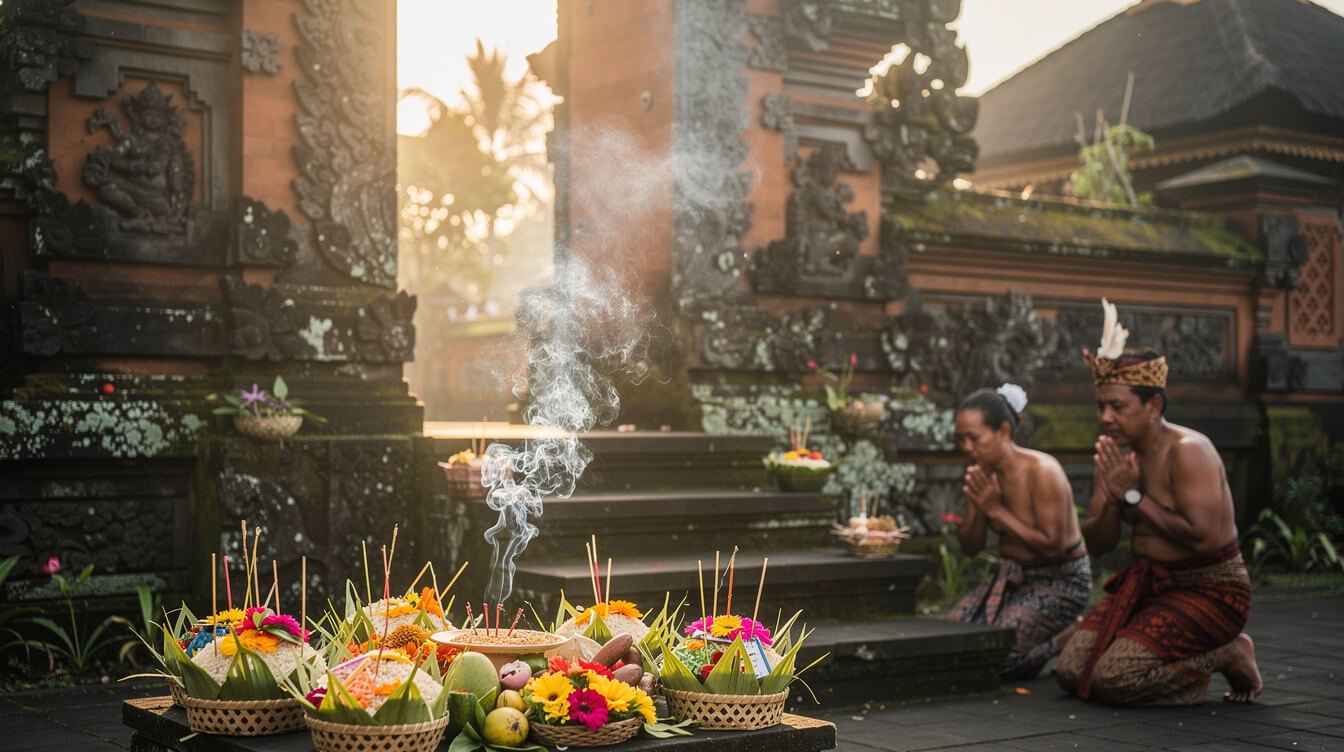
Bali is the only Hindu-majority island in Indonesia, and its spiritual culture isn’t a backdrop — it’s the engine that drives daily life. Understanding a few cultural essentials doesn’t just prevent awkward moments. It opens doors that stay closed to tourists who arrive without curiosity.
Temple Etiquette
Sarong and sash are required at every temple. Many provide them at the entrance (free or small donation), but carrying your own is better — it shows intention, and you’ll use it often. Don’t point your feet at offerings or sacred objects. Don’t stand higher than the priest during ceremonies. Don’t touch anyone’s head. If a ceremony is in progress, you’re welcome to watch from the edges — Balinese Hinduism is generous that way — but ask before photographing people in prayer.
Daily Offerings
The small woven baskets of flowers, rice, and incense you’ll see on every sidewalk, doorstep, and dashboard are canang sari — daily offerings to maintain balance between the spiritual and material worlds. They’re placed three times a day by Balinese women as part of a practice older than memory. Step around them, not on them. This single habit tells every Balinese person you meet that you understand something.
The Balinese Calendar
Full moon and new moon ceremonies happen monthly and are worth attending if your timing aligns. Galungan (the triumph of good over evil, celebrated with penjor bamboo poles lining every road) and Nyepi (the Day of Silence, when the entire island shuts down — no lights, no flights, no activity) are the two biggest events. Nyepi typically falls in March. If your trip to Bali coincides with Galungan, your villa team can explain what’s happening and where to watch. For deeper cultural context, our guide to the best experiences across the island covers ceremonies, temples, and cultural activities in detail.
Getting Around Bali: Transport for Every Budget

Bali has no public transit system worth mentioning. Getting around requires a plan — and the right plan depends on your comfort level, budget, and itinerary.
Airport Transfer
Ngurah Rai International Airport to Ubud takes 90 minutes to two hours depending on traffic. Pre-book a private transfer — your accommodation can arrange this, or use the official airport taxi counter. Expect IDR 350,000–450,000 ($22–$29) for the drive. Grab (Southeast Asia’s Uber) works from the airport but pickup zones are confusing for new arrivals. Our complete airport transfer guide breaks down every option.
Private Driver
The single best transport decision most visitors make. A private driver for a full day costs IDR 600,000–800,000 ($38–$50), including fuel and the driver’s meals. They know the roads, the parking situations, the temple entrance procedures, and — most importantly — the timing. A good driver knows when to arrive at Tegallalang to beat the bus groups and which route avoids the Denpasar traffic. Your villa team or hotel can recommend someone reliable.
Motorbike Rental
IDR 70,000–100,000/day ($4.50–$6.50) for a Honda Scoopy or Vario. You need an International Driving Permit with motorcycle endorsement — Indonesian police actively check for this, especially around Ubud and Canggu. Bali’s roads are narrow, crowded, and driven with a logic that takes time to learn. If you’re an experienced rider, a motorbike unlocks village backroads and hidden waterfalls that cars can’t reach. If you’re not, skip it.
Ride-Hailing Apps
Grab and Gojek both operate in Bali. They’re affordable (Ubud to central Seminyak runs about IDR 150,000–200,000), but many tourist areas restrict pickup — hotels and villa areas often require you to walk to a main road. For day trips, a private driver is more practical. For quick rides within a town, the apps work well.
Trip to Bali Frequently Asked Questions
Is Bali safe for travelers?
Bali is one of the safest destinations in Southeast Asia. Violent crime against tourists is extremely rare. The main risks are motorbike accidents (wear a helmet, drive defensively), petty theft (use hotel/villa safes, don’t leave valuables on the beach), and stomach issues (stick to busy warungs, avoid tap water, and let your body adjust to the spice levels gradually). Health infrastructure is decent — BIMC Hospital in Kuta and Ubud handles most situations, and medical evacuation insurance covers anything they can’t.
Do I need travel insurance?
Yes, without exception. A policy covering medical evacuation is essential — Bali’s hospitals can handle routine care, but serious conditions require transfer to Singapore or Australia. Policies run $30–80 for a two-week trip. World Nomads and SafetyWing are popular among travelers to Bali.
What should I pack?
Light, breathable fabrics. At least one sarong (temple visits). Reef-safe sunscreen. Mosquito repellent. A light rain jacket for wet season. Comfortable walking shoes for temple steps and rice terrace paths. Leave the formal wear at home — Bali’s dress code is relaxed everywhere except the finest restaurants. Our complete packing guide covers everything from electronics to what your villa already provides.
Can I drink the tap water?
No. Drink bottled water, which is available everywhere for IDR 3,000–5,000. Refill stations are increasingly common — bring a reusable bottle. Ice in restaurants and cafés is commercially produced and safe. Your villa or hotel will provide drinking water.
How much spending money should I bring?
Beyond accommodation, budget IDR 500,000–1,500,000 ($32–$95) per person per day depending on your dining and activity preferences. This covers meals, transport, activities, and the occasional spa treatment. Markets and warungs are cash-only; restaurants and shops generally accept cards.
What’s the WiFi like?
Solid in tourist areas. Most cafés, restaurants, and accommodations offer free WiFi. For reliable connectivity on the move, buy a local SIM card at the airport — Telkomsel has the best coverage across the island, including remote areas. An eSIM (Airalo or similar) works too if your phone supports it.
Your Trip to Bali Starts Here
The best trips to Bali share one thing: they leave room for the island to surprise you. Plan your visa, book your accommodation, learn the cultural basics, and then let the rest unfold. The morning light through the rice terraces will handle the rest.
If you’re drawn to Ubud — the culture, the food, the landscape — consider a staffed private villa as your home base. Not because it’s the most expensive option (it often isn’t), but because it’s the one that gives you a team of people whose job is to make the island feel personal. A chef who knows what you like for breakfast. A manager who’s already called ahead to the waterfall. A gardener who leaves frangipani on your nightstand without being asked.
That’s not a hotel. That’s not a listing. That’s Bali, fully held.

Join Our Newsletter
Fun, new, exciting Bali news — Ubud restaurant openings, seasonal travel tips, and stories from the villa team. Delivered to your inbox.