
Bali Cost of Living in 2026: What a Month Really Costs in Ubud
It usually starts on a slow morning. You’re on a terrace above the rice fields with a second coffee, the ducks are working the mud below, and somewhere a rooster still hasn’t settled down. Then the thought arrives: what if I stayed a month? Or a season? Before you can answer it, you need an honest picture of the Bali cost of living, and not the Canggu version you see in most videos. This guide is about Ubud: the inland town of temples, rice terraces, yoga shalas and village lanes.
Think of it as a ledger, laid out line by line. You’ll find monthly ranges for three ways of living in Ubud, real 2026 prices for rent, food, scooters and coffee, the costs that quietly blow budgets (visas, the tourist levy, insurance, utilities), what a full year looks like, and when a staffed villa makes more sense than renting a house and hiring help. Every number comes from a named, dated source. Prices in Bali move, and the rupiah moves too, so treat these figures as a starting point to check against what you see on the ground.
A quick note on currency. Bali prices are in Indonesian rupiah (IDR). In late 2026 one US dollar buys roughly IDR 17,500 to 18,000, so IDR 100,000 is a little under US$6. Our guide to Balinese currency covers cash, cards and how to avoid exchange scams.
Bali Cost of Living in 2026: The Short Answer for Ubud
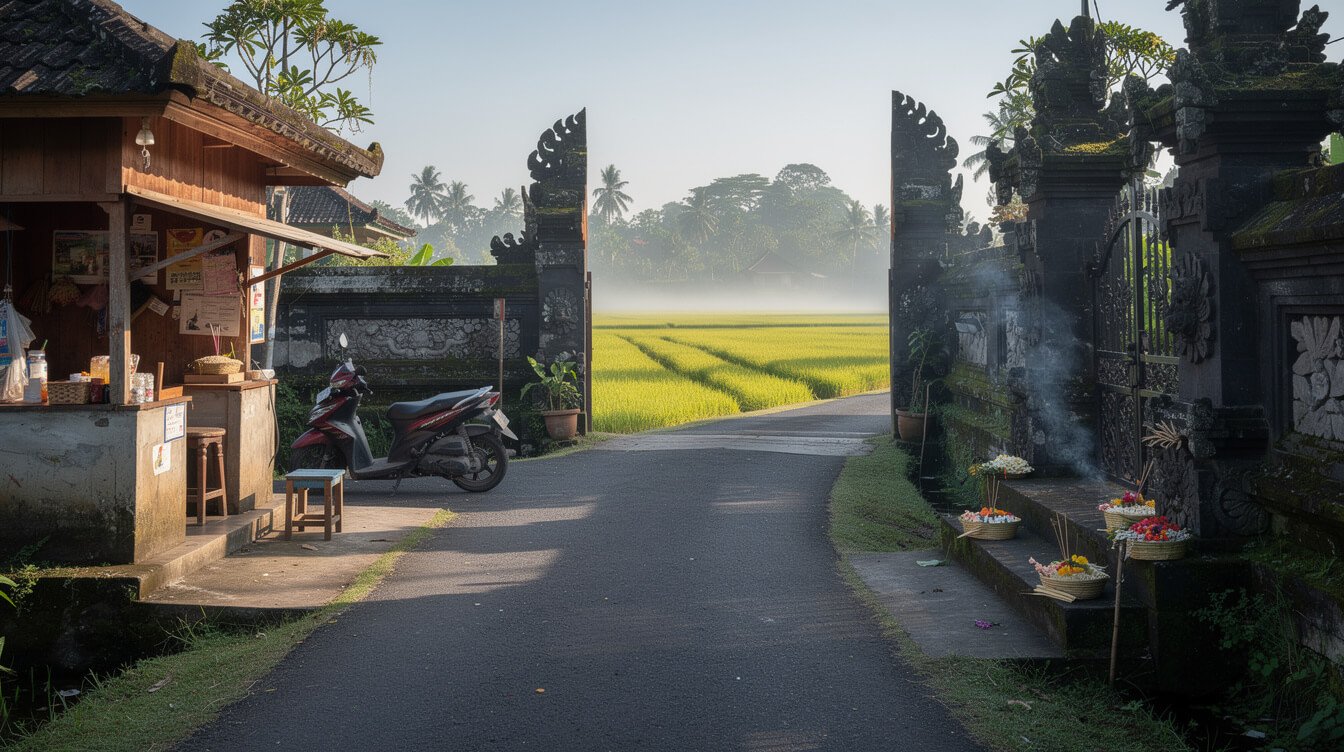
Here’s the honest short version. A single person can live simply in Ubud for around US$900 to $1,200 a month, a comfortable life for one or two people costs roughly $1,800 to $3,000, and a family in a private villa with a pool can easily spend $3,500 to $5,000 or more. Where you land depends almost entirely on two decisions: where you sleep and where you eat.
Those ranges are built from a handful of current sources. Numbeo’s Bali data (checked November 2026) puts a single person’s monthly costs at about $560 before rent, and a family of four at about $2,040 before rent. Prestige Property Bali’s 2026 cost-of-living guide estimates $900 to $1,200 a month for a modest single life outside the prime tourist areas, and $2,800 to $3,800 for a couple in a private villa. Bali.com’s 2026 guide says most digital nomads spend $900 to $1,500 a month, and that a simple guesthouse-and-warung life can work on about $1,000.
Three ways to live in Ubud
- The lean ledger (about $900 to $1,200 a month, solo). A room in a family guesthouse or a small monthly studio, most meals at warungs, a rented scooter, a yoga class or two a week, and slow evenings.
- The comfortable ledger (about $1,800 to $3,000, solo or couple). A one- or two-bedroom house with a small pool on a monthly lease, a mix of warung lunches and café dinners, a gym or yoga pass, a weekly massage, and the odd day trip with a driver.
- The villa ledger ($3,500 to $5,000+, couple or family). A larger private villa with garden and pool, help with cleaning and cooking, a driver for longer outings, restaurant meals a few times a week, and, for families staying long term, school fees on top.
Why is Ubud usually cheaper than the coast? Prestige Property Bali’s 2026 area table puts a modest monthly budget in Ubud at $700 to $1,200, against $1,500 to $3,000 in Canggu and Pererenan and $1,500 to $3,500 in Seminyak. Ubud has fewer beach clubs, less nightlife, and a lot of rental stock spread across surrounding villages. If you’re still deciding between the two, our Ubud vs Canggu guide lays out the differences in mood as well as money.
Housing in Ubud: Guesthouse, Monthly Rental or Villa

Rent is the biggest line in any Bali cost of living budget, and in Ubud it has the widest spread. The same month can cost a few hundred dollars or several thousand, depending on the walls around you and the view outside them.
Family guesthouses and monthly rooms
The traditional Ubud stay is a room inside a Balinese family compound, a homestay, with breakfast on your veranda and the family’s daily offerings being laid out a few steps away. Many homestays will offer a monthly rate if you ask in person, especially outside July, August and the Christmas holidays. It’s the cheapest way to live in central Ubud, and often the most memorable.
Apartments and small houses
Numbeo’s Bali figures (November 2026) put a one-bedroom apartment outside the main centers at about IDR 10.5 million a month (roughly $600), with a range of about IDR 7 million to 18 million. A one-bedroom in a central area averages about IDR 17 million (around $950). Rumavi’s June 2026 guide gives $500 to $1,200 a month as a typical range for a monthly villa rental in Ubud, against $700 to $1,500 in Canggu.
Private villas
Once you add a pool and a garden, prices climb. BaliVillaHub’s listings of 268 long-term villas in Ubud show typical prices of $1,250 to $2,950 a month, with a median of about $1,650. Larger three- to five-bedroom villas in the Ubud area run far higher. Prestige Property Bali notes how far prices have moved: a villa that cost $1,800 a month in 2019 might command $2,800 to $3,200 in 2026.
What to check before you sign
Bali Villa Realty’s 2026 rental guide makes a point worth repeating: always check what’s included. Electricity, water, internet, cleaning, pool and garden maintenance, staff and the deposit can all sit outside the headline rent. Electricity matters most. Numbeo puts basic utilities for a mid-size apartment at about IDR 1.4 million a month, and that number climbs quickly with air-conditioning running in every room. Ubud’s cooler inland nights mean you’ll often need less of it than you would on the coast.
For short-to-medium stays, compare these rentals with holiday options too. Our guide to villas for rent in Ubud walks through the main areas, from Penestanan to Sayan to the quieter villages north of town.

Get a free 3-day sample itinerary
Thinking about a longer stay? Start with three good days: rice field walks at dawn, a morning market, a temple, and an honest feel for daily life in Ubud. We will send you a free 3-day sample itinerary.
Food Costs in Ubud: Warung, Café, Pasar and Supermarket
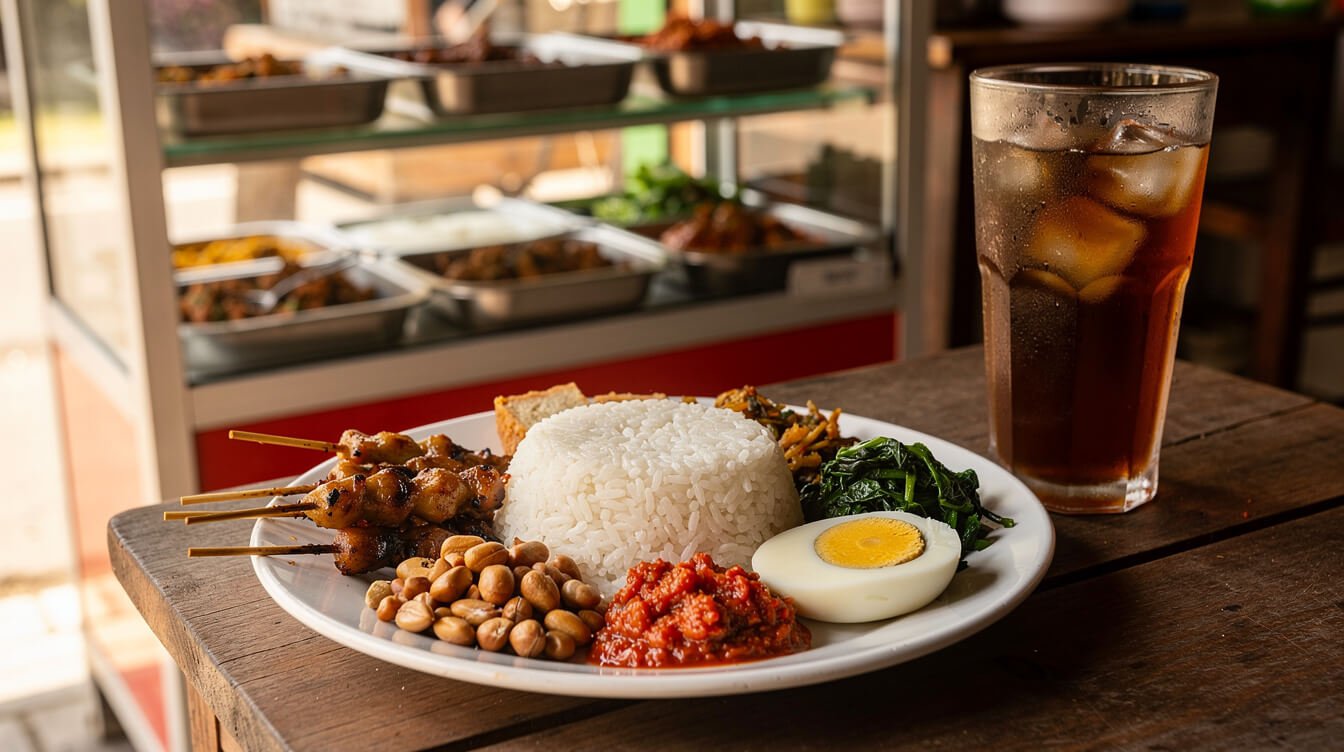
Food is the line in your Bali cost of living budget where Ubud most rewards curiosity. Eat like your neighbors and your food budget stays tiny. Eat like a café-hopping visitor every day and it can rival your rent.
Warungs: the heart of a lean budget
A warung is a small family-run eatery: a glass cabinet of the day’s dishes, a few tables, a fan turning slowly overhead. Unfold Bali’s 2026 food-price guide puts a warung plate at IDR 15,000 to 35,000 (about $1 to $2) and a full nasi campur plate with a drink at IDR 25,000 to 50,000. Three warung meals a day comes to roughly IDR 75,000 to 150,000, or $5 to $10. Point at what looks good, and a few words from our Bali language guide will go a long way.
Cafés and restaurants
The same guide estimates that tourist-facing cafés charge three to five times warung prices for very similar food. Numbeo’s November 2026 Bali data lists an inexpensive restaurant meal at about IDR 50,000, a cappuccino at about IDR 40,000, and a three-course dinner for two at a mid-range restaurant at about IDR 518,000 (around $30). Ubud’s smoothie bowls, plant-based kitchens and long brunches are a real pleasure. Just know that a café habit twice a day can add $300 to $500 to your month.
Drinks: the can-of-Coke question
People really do search how much a can of Coke costs in Bali, and the honest answer is that it depends on where you’re sitting. Numbeo’s average for a small bottle of Coca-Cola in a restaurant is about IDR 24,000 (around $1.40), with reported prices from IDR 10,000 to 60,000. The low end is a corner minimart fridge; the high end is a beach club. Beer follows the same pattern: Taman Dukuh’s 2026 guide puts a small Bintang at IDR 30,000 to 45,000 in restaurants, and imported beer and wine cost far more because of import taxes. A bottle of mid-range wine averages about IDR 373,000 on Numbeo, so wine lovers should budget for it on purpose.
Markets and groceries
Shopping at a local pasar (morning market) for fruit, vegetables, eggs and spices is the cheapest way to cook at home, and one of the most enjoyable. Go early, when the produce is freshest and the stalls are busiest. Supermarket staples are reasonable too: Numbeo lists a dozen eggs at about IDR 35,000 and a liter of milk at about IDR 26,000. Imported foods are the budget breakers. Cheese, good bread, olive oil and breakfast cereals can cost more than they do at home. Tropical fruit, on the other hand, is a daily bargain. Try salak (snake fruit) if you haven’t yet.
One food-adjacent cost to plan for is your stomach. A day or two off work is a real cost for long-stayers, so read our Bali belly guide before you settle in.
Getting Around Ubud: Scooter, Driver, or App
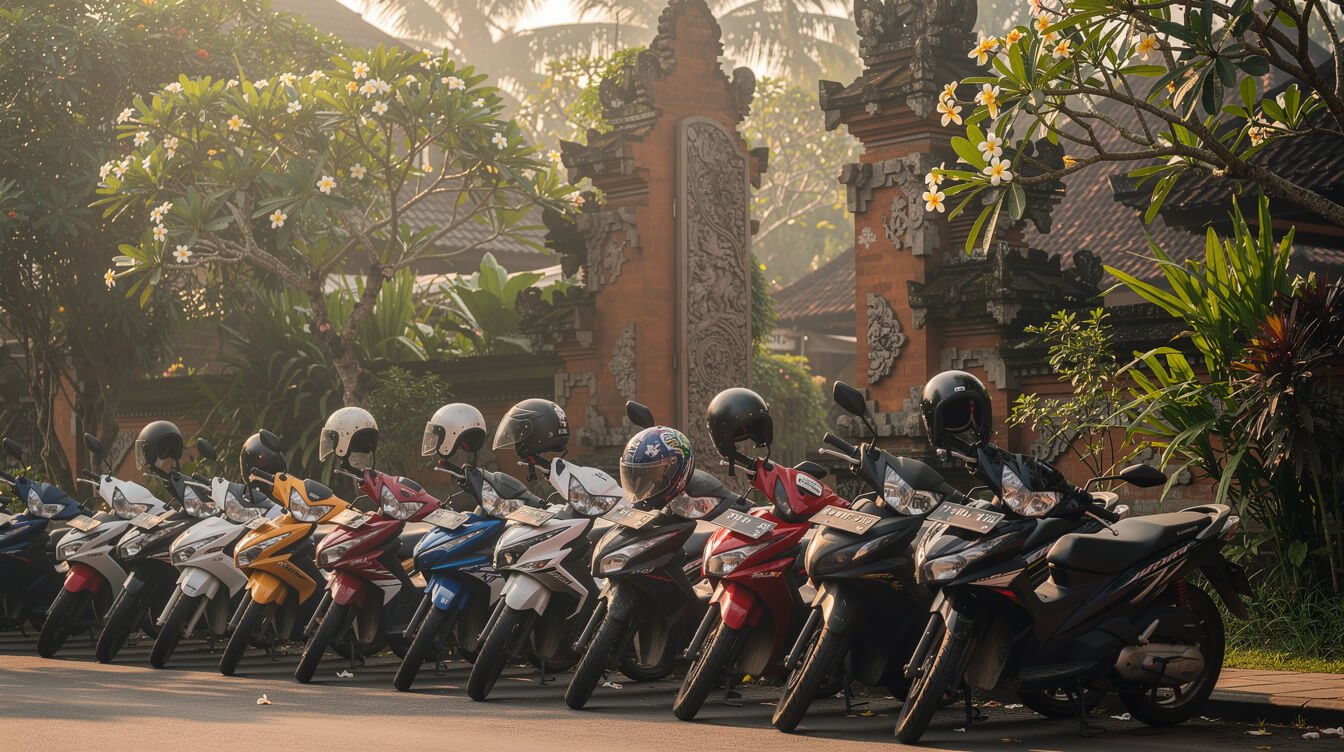
Transport is a small but steady part of the Bali cost of living. Ubud’s center is walkable, but its best corners are spread across ridges and valleys. How you move around shapes both your budget and your days.
Scooter rental
A scooter is the cheapest option for confident riders. EasyBike Bali’s 2026 price list puts monthly rentals at IDR 1,000,000 to 3,600,000 depending on the model, with a basic Honda Scoopy at about IDR 1 million. Ride Vroam’s May 2026 price study found that adding insurance raises a Scoopy from about IDR 1.5 million a month to about IDR 2.3 million. Fuel is cheap: Numbeo lists gasoline at about IDR 15,600 a liter. Two important cautions. Indonesian law requires a motorcycle-endorsed International Driving Permit or a local license, and police checkpoints are common. And Ubud’s hills, rain and narrow lanes are not the place to learn to ride.
Drivers
Many long-stayers keep a trusted local driver’s number for trips to the coast, the airport or the mountains. Day rates vary by distance, car and season, so ask for a clear quote that includes fuel and parking before you set off. For a month in Ubud, a few driver days are often cheaper and calmer than renting a car.
Grab and Gojek
Ride-hailing apps work in Bali, with one Ubud catch. Bali Frontier’s 2026 guide, citing a March 2026 travel guide, notes that the central market area and some nearby streets are controlled by local transport cooperatives, so app drivers may ask you to walk to a pickup point outside the zone. Drop-offs are rarely a problem. Short motorbike rides on the apps generally cost about $1 to $3, according to the same guide.
The Bali Cost of Living Items People Forget
These are the lines that turn a careful budget into a surprised one. None of them is huge on its own. Together, they can add hundreds of dollars a month.
Visas and extensions
Most visitors arrive on a visa on arrival or e-VoA, which costs IDR 500,000 for 30 days and can be extended once for another 30 days for a further IDR 500,000 (official fees as of late 2026). Since mid-2025, extensions also need an in-person immigration office visit for photos and fingerprints. In August 2026 immigration proposed raising the e-VoA fee to about IDR 750,000, but no effective date had been announced at the time of writing. Our Bali visa guide for US citizens and our Bali tourist visa guide cover the details.
For longer stays, a C1 tourist visa allows an initial 60 days and can usually be extended to about 180 days in total. Remote workers employed by a company outside Indonesia can apply for the E33G Remote Worker Visa, which, according to Roafly’s 2026 summary of the official immigration guidance, requires at least US$60,000 in annual income and carries a government charge of IDR 7,000,000 for a one-year stay. Agents add their own fees on top. Our digital nomad guide to Bali covers the lifestyle side of working from the island.
The Bali tourist levy
Every international tourist entering Bali pays a one-time levy of IDR 150,000 per person per trip (about $9 to $10), separate from the visa. Pay it through the official Love Bali portal or at counters on arrival. It’s small, but if you do visa runs out of the country, remember you’ll pay it again each time you re-enter Bali as a tourist.
Insurance and health
Travel insurance that covers scooter riding, or international health insurance for longer stays, is a line many budgets skip. Don’t. Private clinics in Bali are good, but serious care can mean evacuation to Singapore or Jakarta. Read your policy’s motorbike clause carefully: many only cover riders who hold the correct license.
The small monthly lines
- Data and internet. Numbeo lists a mobile plan with 10GB+ data at about IDR 114,000 a month and home broadband at about IDR 350,000. Coworking passes cost extra.
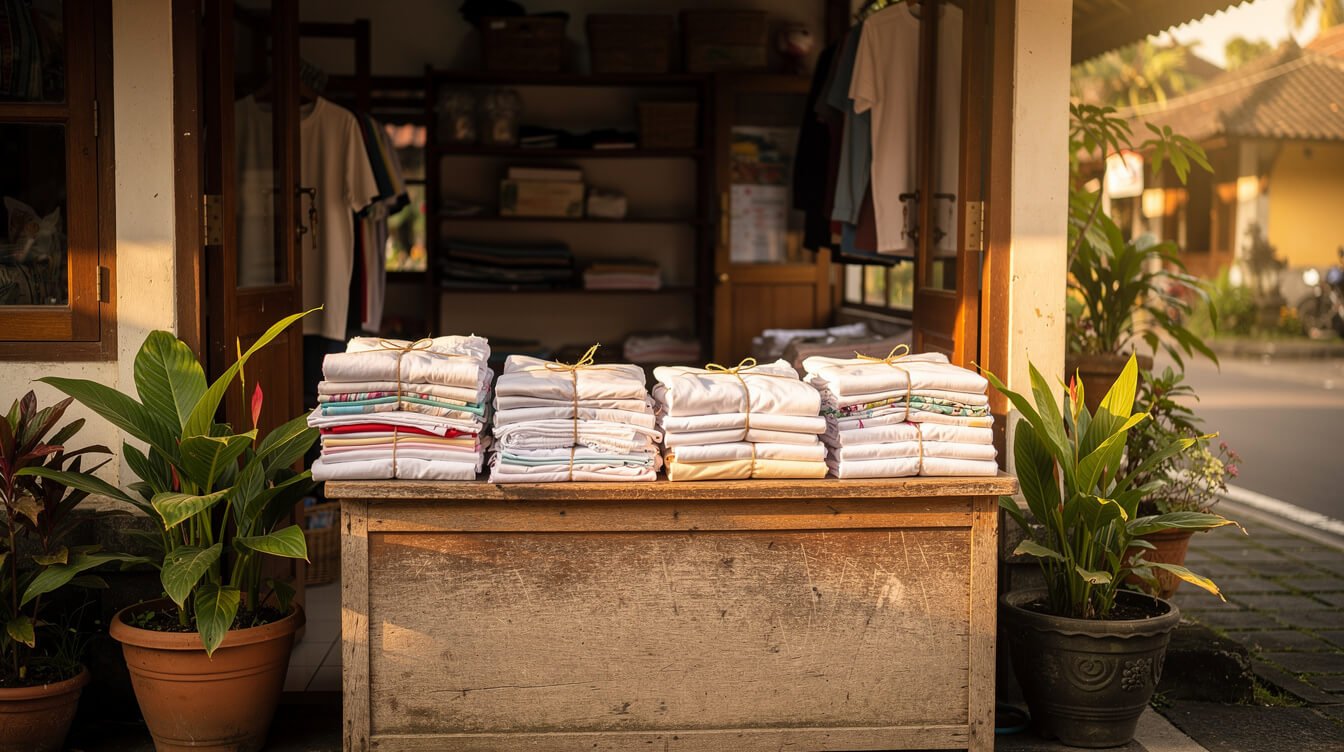
- Laundry. Neighborhood laundries wash, dry and fold by the kilo, and it’s usually cheaper than paying for a machine.
- Drinking water. Tap water isn’t for drinking. Large refillable gallon bottles keep this cost low and the plastic down.
- Fitness and wellness. Numbeo averages a gym membership at about IDR 767,000 a month. Yoga studios sell class packs and monthly passes, and a weekly massage is one of Ubud’s best value pleasures.
- Visa runs and flights. If your visa path means leaving the country, budget for the flight and a night or two away.
Ceremony days and Nyepi
Bali runs on its own calendar. On major ceremony days such as Galungan, some shops and warungs close or keep short hours. On Nyepi, the Day of Silence each March, the whole island shuts down for 24 hours, including the airport, and you’re expected to stay home with the lights low. These days don’t cost much, but plan groceries ahead so you’re not paying café prices for the only meal around.

Book the Villa
Three bedrooms, a private pool and a quiet tropical garden in Ubud, with a team on hand so your days stay yours. Check availability for your dates, or ask us about longer stays.
A Year in Bali: How Far Does Your Budget Stretch?

Multiply the monthly tiers and you get a rough annual Bali cost of living picture for Ubud: about $11,000 to $15,000 for a lean solo year, about $22,000 to $36,000 for a comfortable year for one or two, and $42,000 to $60,000 or more for a family in a private villa. Prestige Property Bali’s 2026 table gives $8,400 to $14,000 a year for a modest life in Ubud.
Is $50,000 enough?
It’s one of the most common questions, and for Bali it’s a generous number. For a solo traveler or a couple, $50,000 covers a full comfortable year in Ubud with room for travel around Indonesia. For a family of four with international school fees, it gets tight: Numbeo lists annual international primary school tuition at about IDR 200 million (roughly $11,000) per child.
How the seasons change your costs
Prices shift with the calendar. July, August and the Christmas to New Year stretch are peak season, when short-term rents and flights rise and monthly deals are harder to find. The rainy months, roughly November to March, often bring better rates and greener fields, along with a few practical extras: a good raincoat, a dehumidifier or more air-conditioning to fight damp, and occasional days when the scooter stays home and a driver earns your money. Our rainy season guide and best time to travel to Bali guide help you pick your months.
Lock in a monthly rate
The simplest saving in any Bali cost of living plan is to stop paying nightly rates. Bali Villa Realty’s 2026 guide notes that monthly and yearly leases are usually far cheaper per night than short stays. If you’re staying more than a few weeks, ask about monthly pricing before you book, and get everything that’s included in writing.
Staying Longer in Ubud: Renting and Hiring Help vs a Staffed Villa

Here’s a question almost no cost-of-living guide answers: what is your time worth on this trip? Renting a house and running it yourself is the cheapest way to live in Ubud on paper. But a house in the tropics is a living thing. The pool needs daily care, the garden grows overnight, the electricity token runs out on a Sunday, and the gas bottle empties mid-dinner.
The DIY route
Many long-stayers rent a house and hire help: a cleaner a few days a week, perhaps someone to cook, a pool and garden service, a driver on call. This can work beautifully if you have time to find people, agree on fair pay, and handle the day-to-day running of a home in a second language. Budget for the rent, the utilities, the helpers’ wages, and your own hours spent managing it all.
The staffed-villa route
A staffed villa flips the equation. You pay one price for a home that already runs: a team who know the house, the village and the local rhythm. For a couple working remotely, a family with young children, or a group sharing three bedrooms, that can be worth more than the difference in rent. It frees your days for the reasons you came. Our guide to staffed villas in Ubud explains what to look for and the questions to ask.
If you’re thinking about a longer stay at Villa Amrita, we’d love to hear about your plans. Send us your dates and how you’d like to spend them through our booking page, and ask the team about longer stays. We’ll come back to you personally with what’s possible.
Bali Cost of Living FAQ
How much do you need to live in Bali for a year?
In Ubud, plan on roughly $11,000 to $15,000 for a lean solo year, $22,000 to $36,000 for a comfortable year for one or two, and $42,000 or more for a family in a private villa. Add visas, insurance and flights home.
How much does food cost in Bali in pounds or dollars?
A warung meal costs about IDR 15,000 to 35,000, roughly $1 to $2 or about £1 to £1.50. Café meals usually run three to five times that, and a mid-range dinner for two averages about IDR 518,000 (around $30 or £22), based on Unfold Bali and Numbeo’s 2026 figures.
How much is a can of Coke in Bali?
About IDR 24,000 in a typical restaurant on Numbeo’s average, with prices from about IDR 10,000 in a minimart to IDR 60,000 at a beach club.
Is Ubud cheaper than Canggu?
Generally, yes. Prestige Property Bali’s 2026 area table puts a modest monthly budget at $700 to $1,200 in Ubud and $1,500 to $3,000 in Canggu. Villa rents follow the same pattern.
Is Bali safe for long stays?
For most people, yes. Road traffic, scooters and petty theft are the main risks. Our Bali safety guide covers everyday precautions, and our Bali travel prices guide helps with shorter trips.
What’s the cheapest way to live in Ubud?
Take a monthly room in a family guesthouse, eat at warungs, shop at the morning market, walk or ride a basic scooter, and stay outside peak season.
Final Thoughts: Your Ubud Ledger
The real Bali cost of living isn’t one number. It’s a set of choices you make every morning: warung or café, scooter or driver, a quiet room in a family compound or a villa with a garden that hums at dusk. Ubud lets you live well on a little or beautifully on more, and the best months here rarely come down to money anyway. They come from the slow mornings, the rice fields turning gold, and the people who make a place feel like yours. Write your own ledger, check the numbers on arrival, and leave room in it for wonder.

Join our newsletter — fun, new, exciting Bali news
Ceremony days, market seasons, honest prices and small stories from Ubud. Delivered now and then, always worth opening.