Sidemen Bali: A Slow Valley Day From Ubud, Where Weaving and Rice Still Set the Pace
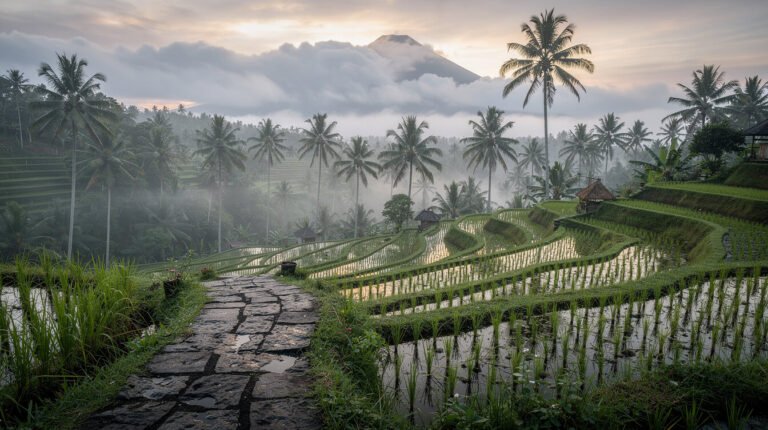
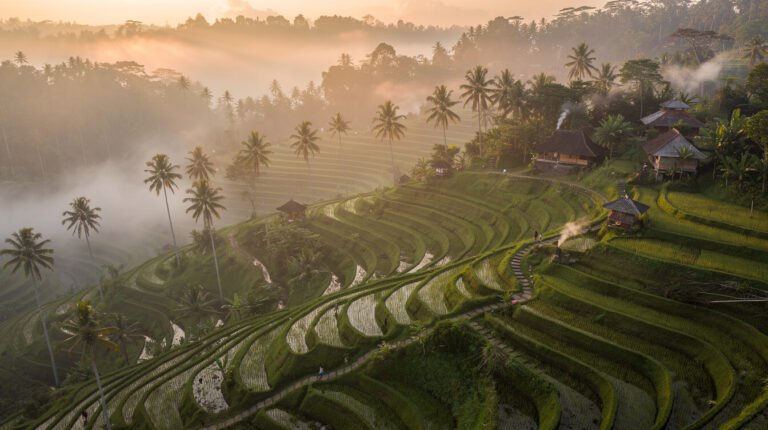
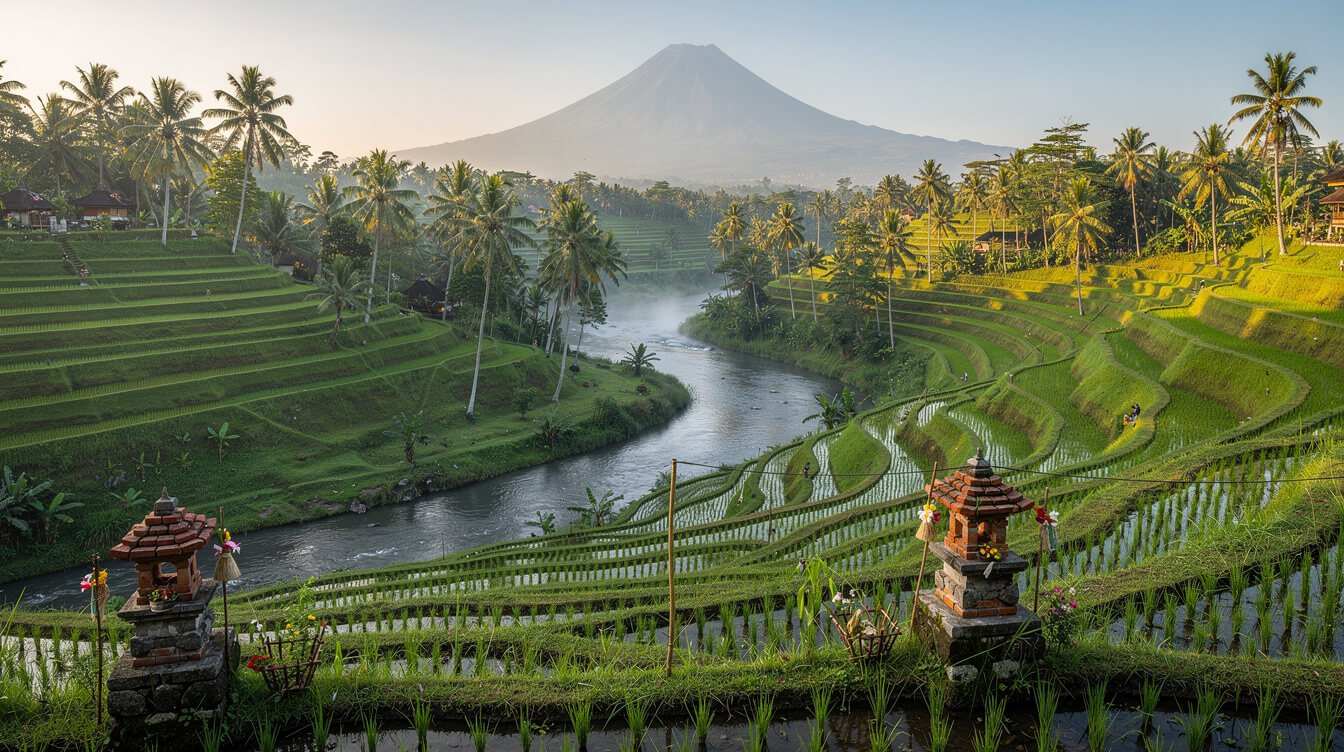
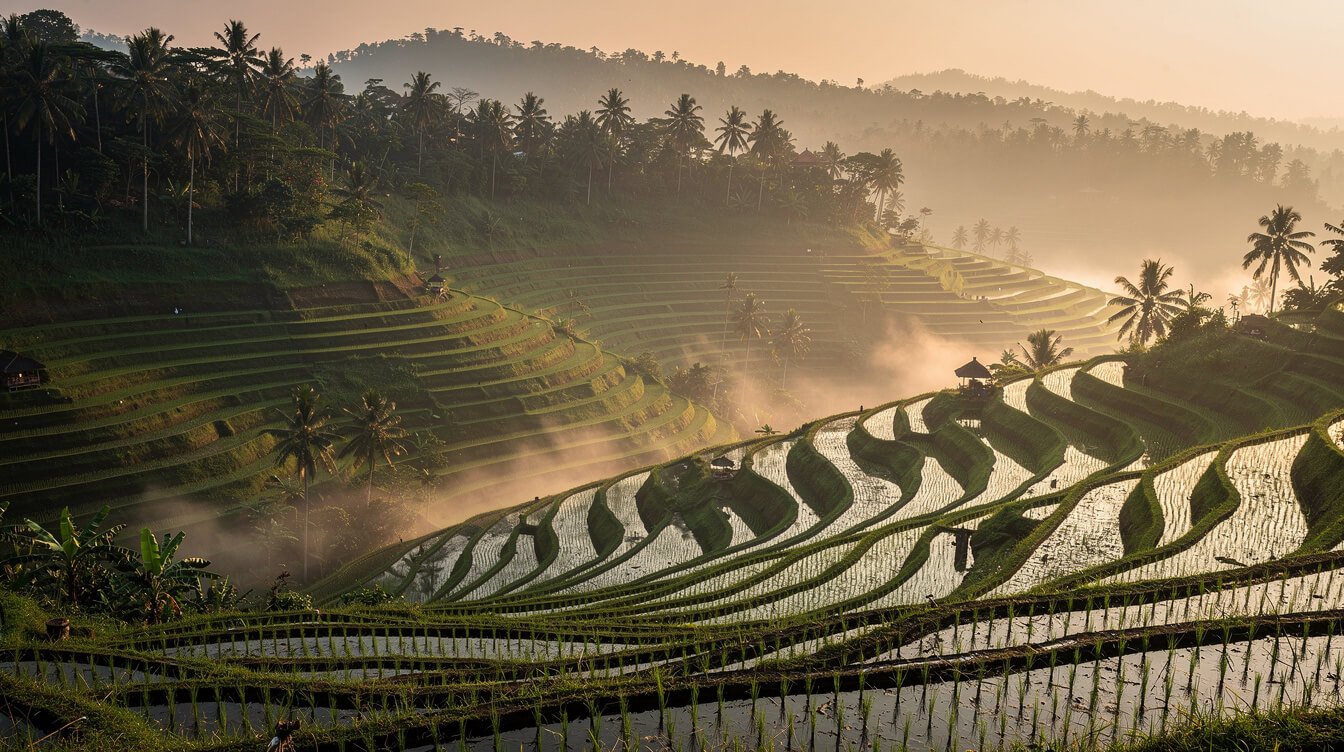
Early in the morning, before the clouds gather on the mountain, the valley below Mount Agung is all water and green. Terraces step down toward the river. A farmer walks the top of a bund with a hoe over one shoulder. Somewhere behind a courtyard wall, a loom knocks out a slow, steady rhythm. This is Sidemen, Bali, and for many travelers it feels like the island they imagined before they arrived.
Most Sidemen Bali guides are written to sell you three nights there. This one is written for a different kind of traveler: someone based in Ubud who wants one long, unhurried day in the valley and then a quiet evening back home. Here is how far it really is, how to walk the rice fields, how to visit a weaving workshop with respect, what the river and ridges hold, a sample route, and an honest answer to the question everyone asks: is this the prettiest part of Bali?
Where Sidemen Is and How Far It Is From Ubud
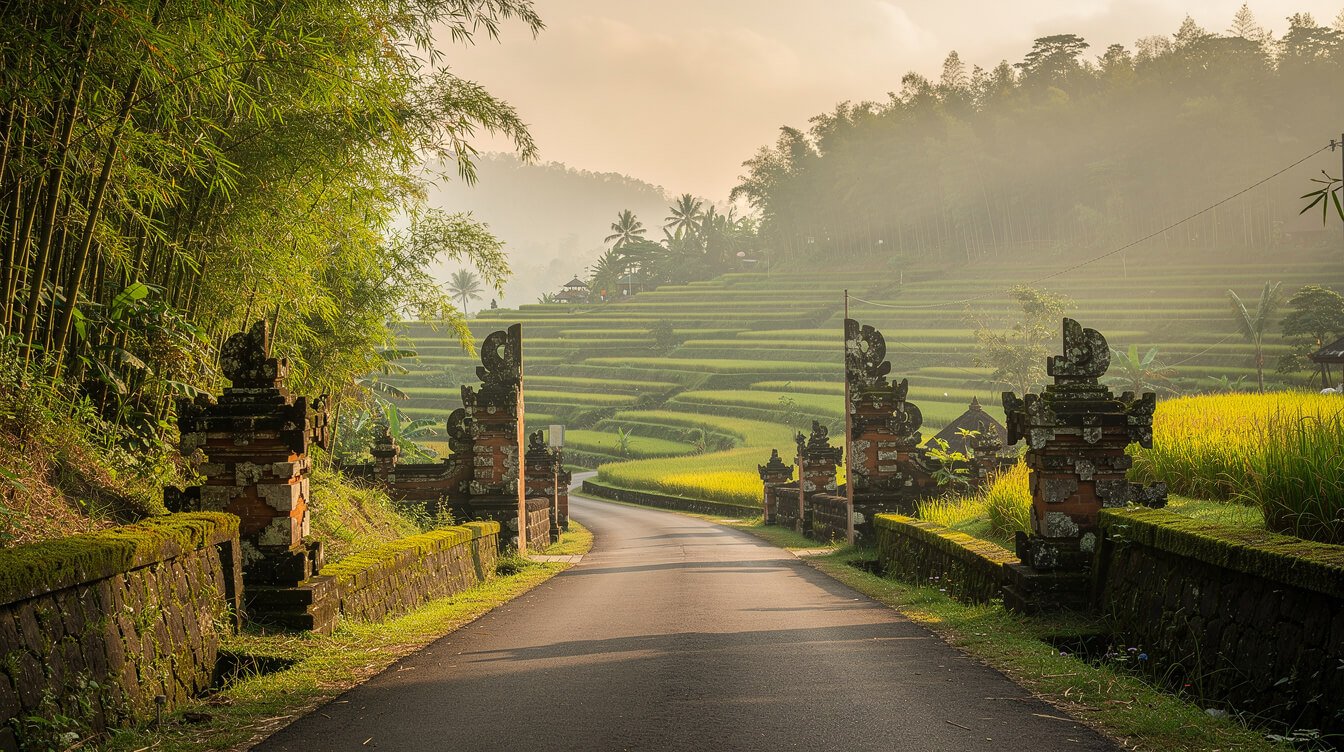
Sidemen is a district and a cluster of villages in Karangasem regency, in the east of Bali. It sits in a long valley that runs north from the old royal town of Klungkung (Semarapura) toward the slopes of Mount Agung, with small rivers and irrigation channels running through it. The main road climbs gently through the valley, past Sidemen village and on toward Iseh and Selat.
From central Ubud it is about 34 kilometers by road. Map apps quote a little over an hour. In practice, allow 75 to 90 minutes each way. Traffic through Gianyar and Klungkung, a temple procession on the road, or a stop for coffee all add time. Longtime Bali visitors on travel forums give the same advice: plan for about an hour and a half and be pleasantly surprised if it is quicker.
The usual route heads east from Ubud through Bedulu and Gianyar, continues to Klungkung, and then turns north up the valley. The last stretch is the best part. The road narrows, the houses thin out, and the view opens toward the mountain.
A few ways to make the trip:
- A private driver. The easiest choice and the one we would suggest for a day trip. Your driver waits while you walk, and you can change the plan on the way without worrying about directions. Agree on the route, the stops and the price before you leave.
- A scooter. Possible for experienced riders. The valley roads are narrow and steep in places, and afternoon rain is common from November to March, so pack a rain jacket.
- A small-group tour. Some east Bali tours from Ubud pass through Sidemen. Check how long you actually get in the valley. A ten-minute photo stop is not the same as a morning on foot.
If you are staying with us, ask the team about drivers when you plan your week. A driver who knows Karangasem will also know where to park for the field walks and which warung serves the best lunch that week.
Walking the Rice Valley: Routes, Timing and What You’ll See This Season
The heart of any Sidemen day is the walk. The valley is a working landscape, not a park. The terraces are farmed by families who belong to a subak, the Balinese cooperative that shares water from the same source through a web of channels, tunnels and small temples. We explain how the subak works in our guide to the Jatiluwih rice terraces. In Sidemen you see the same system at a smaller, quieter scale, with Mount Agung standing behind it.
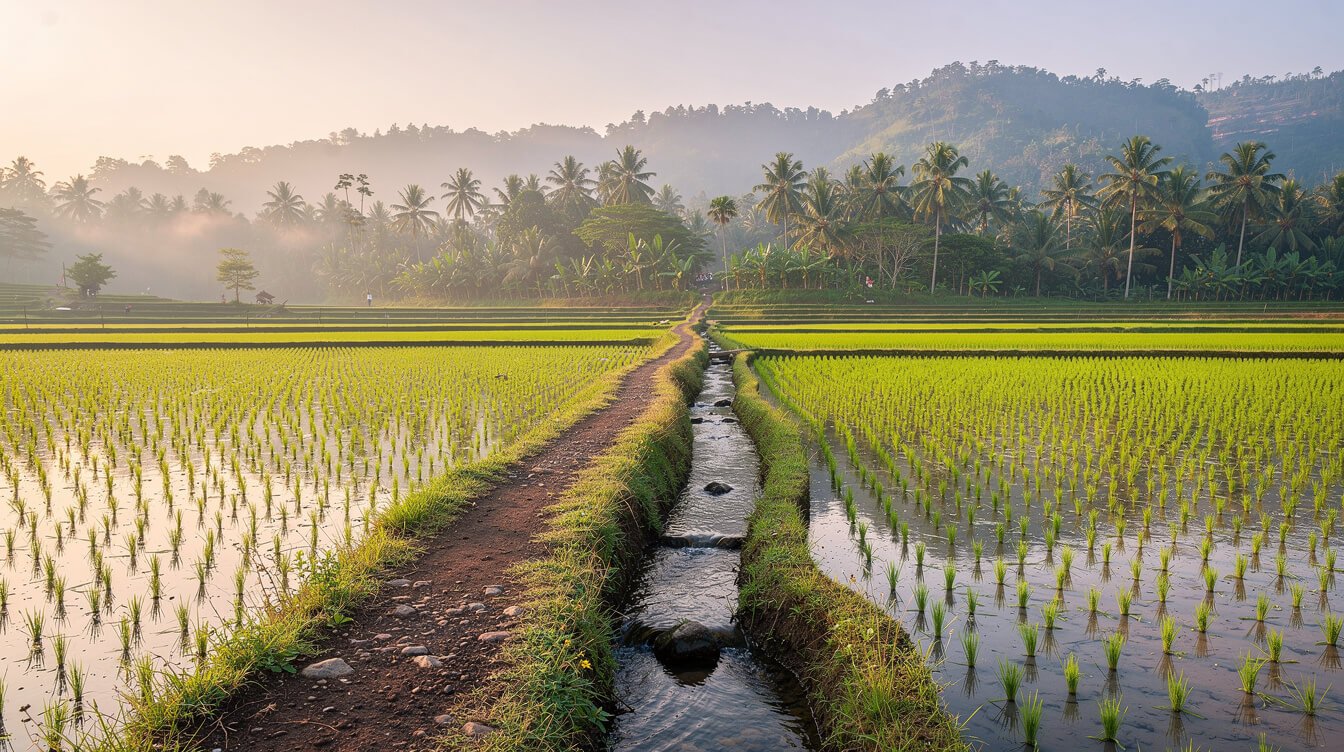
There is no ticket and no single official trail. Walkers follow the bunds, the raised earth paths between the paddies, and the concrete edges of the irrigation channels. Popular loops start near the main road and drop into the fields, cross small bridges over the channels, and climb back up past family shrines and coconut groves. Mapped walks such as the “Sidemen rice inner circle” on trail apps run a few kilometers and take one to two hours at an easy pace.
Our honest advice is to walk with a local guide. Many guesthouses and village guides in Sidemen offer short field walks for a modest fee. A guide knows which paths are public, which bunds are crumbling after rain, and which farmer will happily show you how the water gates work. It also means some of your money stays in the valley.
When to walk
Go early. Between about 7 and 10 am the light is soft, the air is cool, and the mountain is most likely to be clear. By late morning, clouds often build over Agung, especially in the wet season from November to March. Afternoons can bring heavy rain.
What the fields look like in November and December
The rice calendar in Bali is local. Each subak sets its own planting dates, so neighboring terraces can be at different stages. Around the start of the rains, it is common to see fields being flooded, plowed and planted, with rows of young green seedlings reflecting the sky. Later in the season the valley turns a deep, even green. Golden harvest fields can appear at almost any time of year somewhere in the valley, but you cannot count on them for a given date. Treat whatever you find as the right season.
Field etiquette
- Stay on the bunds and paths. Never step into a planted paddy.
- Walk single file and step aside for farmers carrying loads.
- Do not climb on or move offerings at small shrines in the fields.
- Ask before photographing people working. A smile and a gesture toward your camera is enough.
- Take all your rubbish with you, including fruit peel.
Songket and Endek: Visiting a Weaving Workshop the Respectful Way
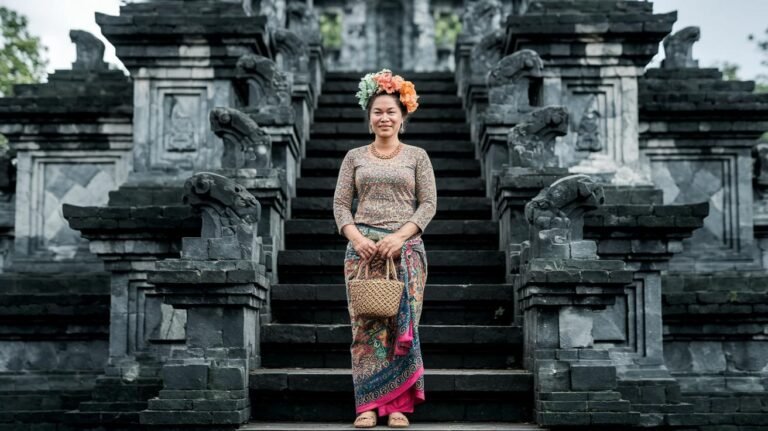
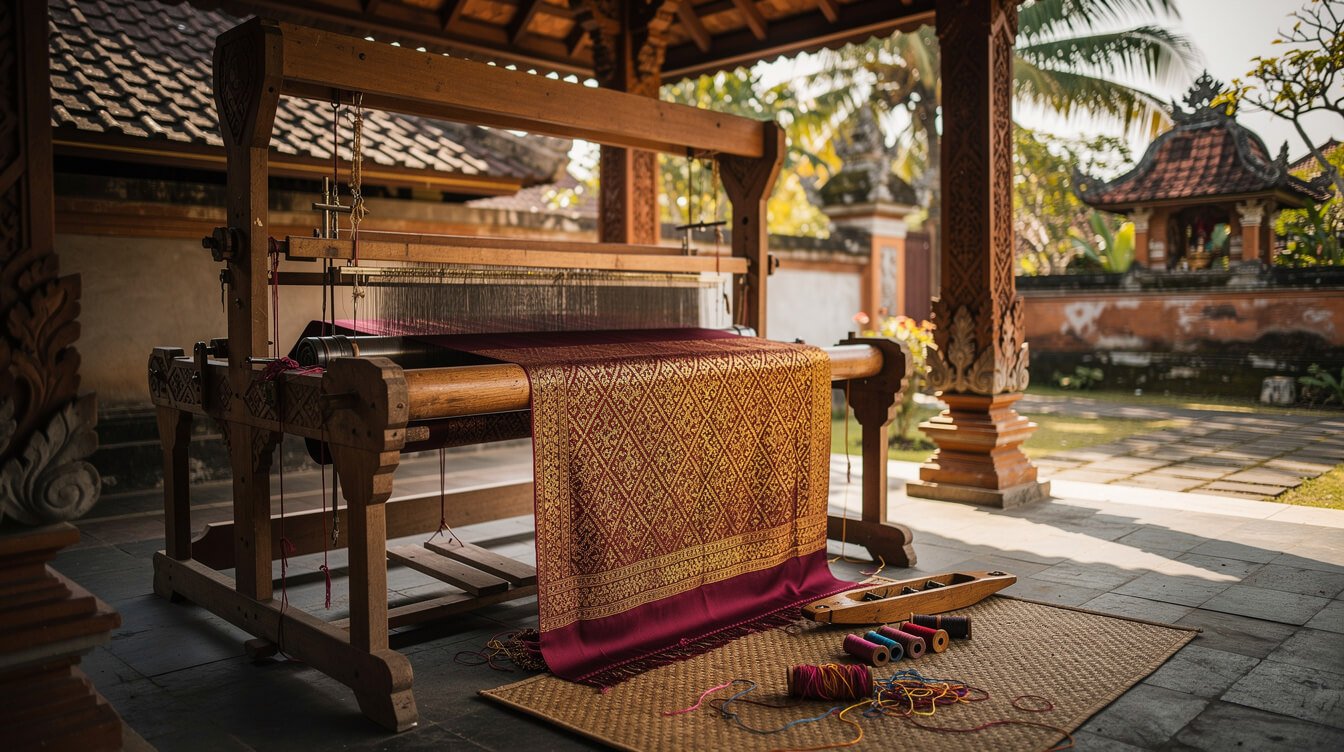
If the rice fields are the face of Sidemen, weaving is its heartbeat. The valley is one of Bali’s best known centers for handwoven cloth, and you will hear looms from the road. In many family compounds, women weave on wooden handlooms in an open pavilion, often between household tasks. Small shops and workshops along the main street sell the results directly.
Two traditions matter most here:
- Songket is the ceremonial cloth. Extra threads, often gold or silver metallic yarn, are floated across the base weave to build dense, shimmering patterns. Indonesian writing on Sidemen songket describes four main types by thread: gold, silver, a non-metallic thread, and mixed blends of gold, silver and cotton. A single piece can take many weeks. You will see songket at weddings, tooth filings and temple ceremonies.
- Endek is Bali’s weft ikat. Before weaving, sections of the weft threads are tied tightly and dyed, again and again, so that the pattern appears as the cloth is woven. The slightly feathered edges of each motif are the sign of this hand process. Endek is worn for everyday ceremony and, more and more, as everyday fashion.
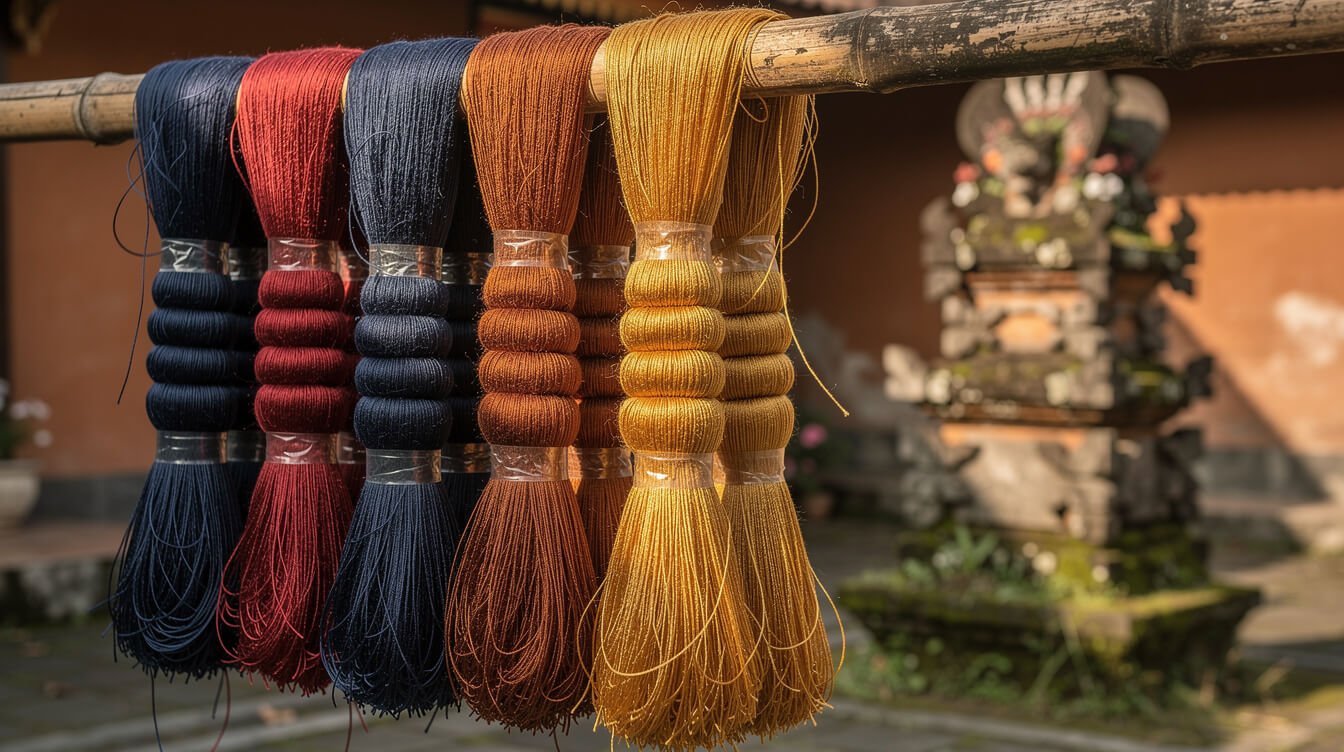
We wrote a short piece about the sound of an endek loom behind a courtyard wall near Ubud. In Sidemen that sound is everywhere.
How to visit a weaving workshop
- Ask first. Many looms are inside private family compounds. Wait at the gate and ask if you may watch. Most weavers are happy to show their work, but it is their home.
- Watch the whole process if you can. Ask to see the tied threads, the dye baths and the loom. Understanding the steps makes the price of a hand-woven piece make sense.
- Buy direct, and do not bargain hard. Prices for genuine hand-woven songket reflect weeks of skilled work. Polite bargaining on small items is normal, but a piece that took a month on the loom is not the place to push.
- Learn the difference between hand and machine. Hand-woven cloth has small irregularities, and the pattern shows on both sides. Printed “endek-style” fabric is common across Bali and much cheaper. Both have a place. Just know which one you are buying.
- Ask about short classes. Some workshops offer a simple hands-on session where you can try a few passes of the shuttle. Availability changes, so ask on the day.
A length of Sidemen cloth is one of the most meaningful things you can bring home from Bali. It was made by someone you met, in the valley you walked through, using a skill handed down through her family.
Get a free 3-day sample itinerary
Three easy days from Ubud: rice field walks at first light, a temple morning, a market, and one unhurried day in an east Bali valley. We will send you a free 3-day sample itinerary.
The Painter Who Came to Iseh: Sidemen’s Link to Ubud
There is a quiet thread that ties Sidemen to Ubud. In the 1930s the German painter and musician Walter Spies lived for years at Campuhan, where two rivers meet on the western edge of Ubud. He co-founded the Pita Maha artists’ cooperative there and shaped the way modern Balinese art developed.
In 1937, looking for somewhere quieter, Spies built what he called a “mountain hut” at Iseh, just up the valley from Sidemen. The landscape became the setting for some of his most atmospheric paintings, including Iseh im Morgenlicht (Iseh in the Morning Light), painted in 1938 and now held in a Dutch museum collection. Despite wanting to escape visitors, he still received friends at Iseh, among them the composer Colin McPhee, the anthropologist Jane Belo, the Swiss painter Theo Meier and the novelist Vicki Baum.
Stand on the road above Iseh in the early light and you can see what drew him: the mountain, the layered terraces, the mist lifting out of the river valley. It is a lovely thing to know on the drive back to Ubud, where the painters of Penestanan still work on the ridge above Campuhan.
The River and the Ridges: Telaga Waja, Viewpoints and Waterfalls
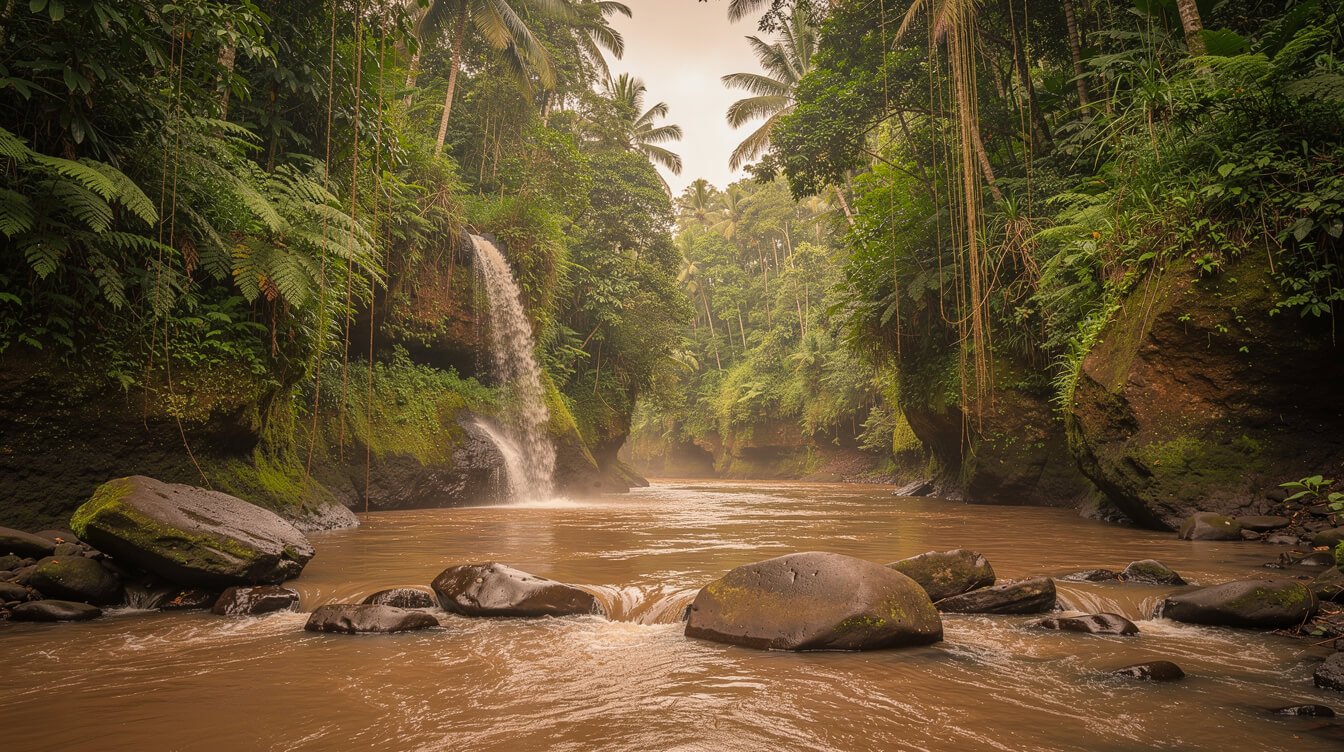
Sidemen is mainly a place to walk and look, but there is more to do if you want it.
- Telaga Waja rafting. The Telaga Waja river runs through the hills above the valley and is one of Bali’s two main rafting rivers, alongside the Ayung near Ubud. Trips usually last two to three hours, through jungle gorges with small waterfalls on the banks, and most include lunch. In the wet season, operators may cancel or change trips after heavy rain when the water is too high. Book with an established operator, ask about safety equipment and guide training, and confirm on the morning.
- Ridge viewpoints. The road between Sidemen and Iseh has several pull-offs with wide views across the valley to Agung. Some hillside warungs and cafes have terraces built for exactly this view. Buy a coffee or a fresh juice and take your time.
- Small waterfalls and springs. Local guides know short walks to modest falls and springs in the valley. They are not the big names, and they change with the seasons, so ask on the day rather than planning around one.
- Salak villages. A short drive away, around Sibetan, the hillsides are covered in snake fruit palms. If you have never tasted fresh salak straight from the grower, read our guide to salak and plan a roadside stop.
A Sidemen Day From Ubud: A Sample Route
Here is one way to build an unhurried day, with two variations. All times are approximate.
The valley day
- 6:30 am. Leave Ubud with coffee and something light for the road.
- 8:00 am. Arrive in the Sidemen valley. Meet your guide and walk the rice fields while the mountain is clear.
- 10:00 am. Visit a weaving workshop. Watch, ask questions, and buy if something speaks to you.
- 11:30 am. Drive up toward Iseh for the ridge views, then stop for lunch at a warung with a valley terrace.
- 1:30 pm. Head home before the afternoon rain, perhaps via a salak stall.
- 3:00 pm. Back in Ubud for a swim and a slow evening.
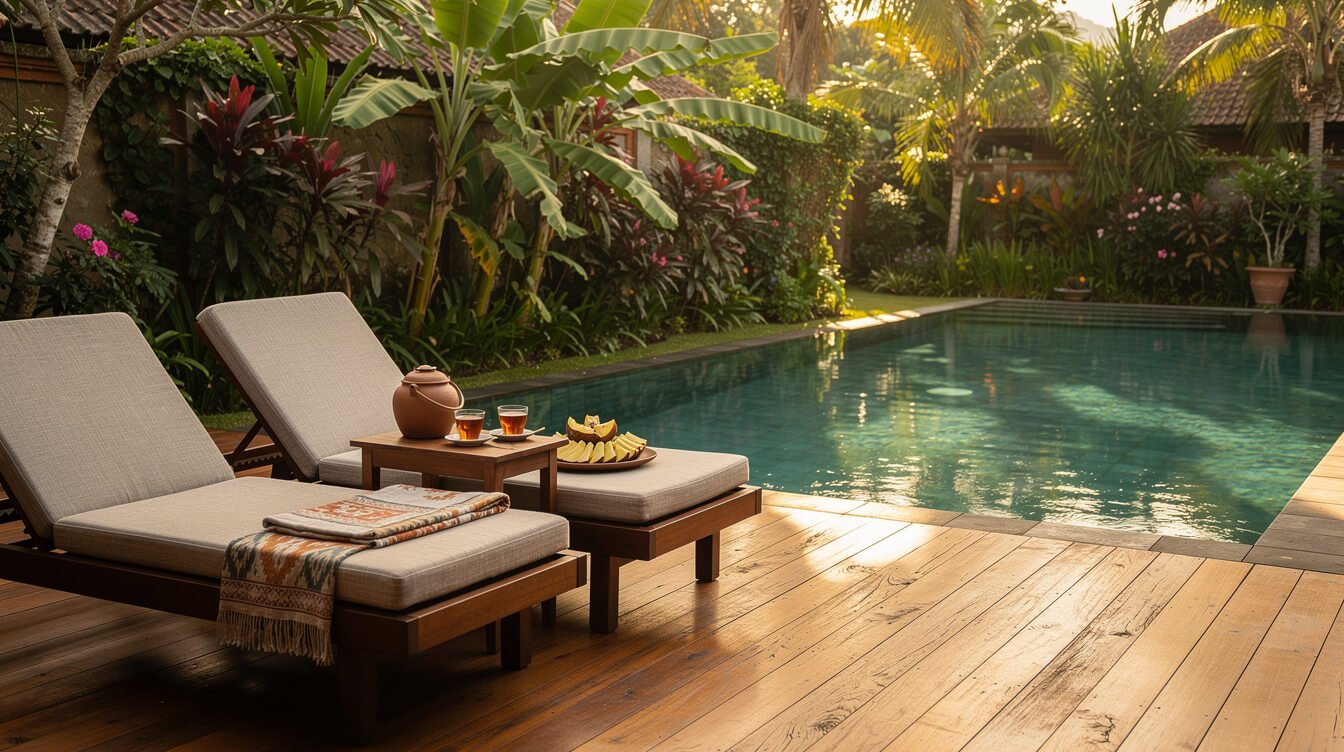
Book the Villa
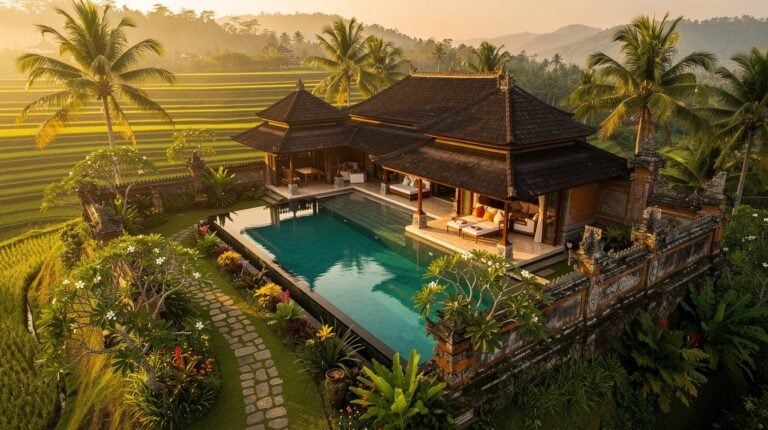
After a morning in the valley, come home to three bedrooms, a private pool and a quiet tropical garden in Ubud, with a team on hand so the evening stays unhurried. Check availability for your dates.
Variation 1: Tukad Cepung, then Sidemen
If you love waterfalls, start at Tukad Cepung Waterfall in Bangli, which sits on the way east. Its famous light beams appear in the mid-morning when the sky is clear, so this version means walking the Sidemen fields later in the morning and accepting that the mountain may be in cloud. It is a full but rewarding day.
Variation 2: Sidemen, then Besakih
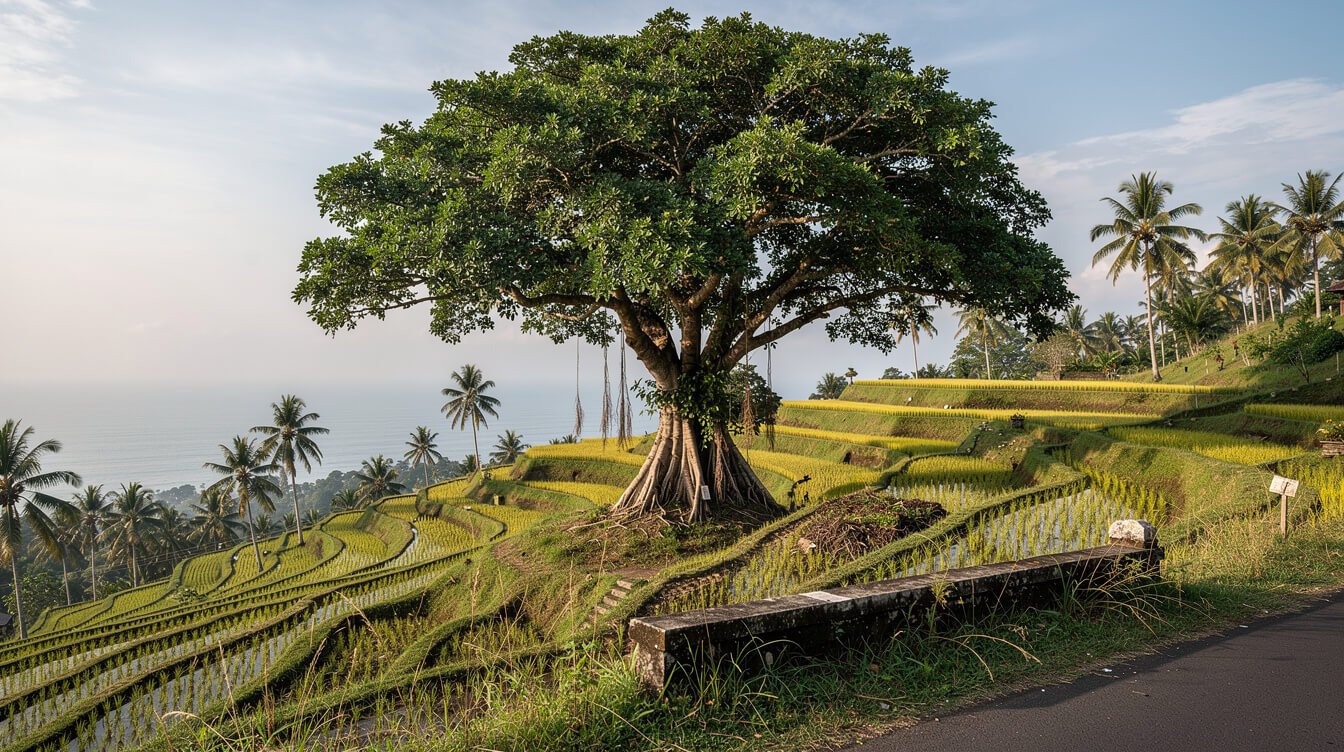
Pura Besakih, Bali’s mother temple, sits on the slopes of Agung above the valley. Pair a morning walk in Sidemen with an afternoon at Besakih, then return to Ubud along the road through Rendang. That road passes Bukit Jambul, a hilltop known for a huge banyan tree and wide views over terraced fields and coconut palms rolling down toward the sea. Bring a sarong and sash for the temple. Our guide to Mount Agung explains why the mountain and its temple matter so much to the Balinese.
Going further east
Sidemen also makes a calm first stop on a longer east Bali journey. From the valley, the road continues toward Tirta Gangga, the water palace, and on to the Gates of Heaven at Lempuyang. If you want the coast, keep going to Amed for snorkeling and salt farms. Those are better as separate days or an overnight, not all crammed into one.
Is Sidemen the Prettiest Part of Bali? An Honest Take
“Where is the prettiest part of Bali?” is one of the most common questions travelers search for, and Sidemen is one of the most common answers. Here is our honest view.
Sidemen is one of the most beautiful valleys on the island, and it has something rarer than beauty: it still feels lived in rather than staged. There are no ticket gates on the rice fields and no swings on every corner. The looms are there because people need cloth for ceremony. The fields are there because people need rice.
But “prettiest” depends on what you love. Jatiluwih has bigger, broader terraces. The far east has the black-sand coast and Agung rising straight from the sea. The north has lakes and cool highland air. And Ubud, of course, has rice fields within walking distance of your door. Our guide to rice terrace day trips from Ubud compares the options.
If what you want is a slow, unhurried day with the mountain behind the fields and the sound of looms in the lanes, then yes, Sidemen may well be your prettiest part of Bali.
Is Bali expensive?
It is a related question that comes up a lot. Bali can be very affordable or very expensive, depending on how you travel. A Sidemen day costs little beyond the driver, a guide’s fee, lunch and whatever cloth you fall in love with. For a fuller picture, see our breakdown of what a month in Ubud really costs.
Practical Tips: Rain, Sarongs, Cash and Leaving No Trace
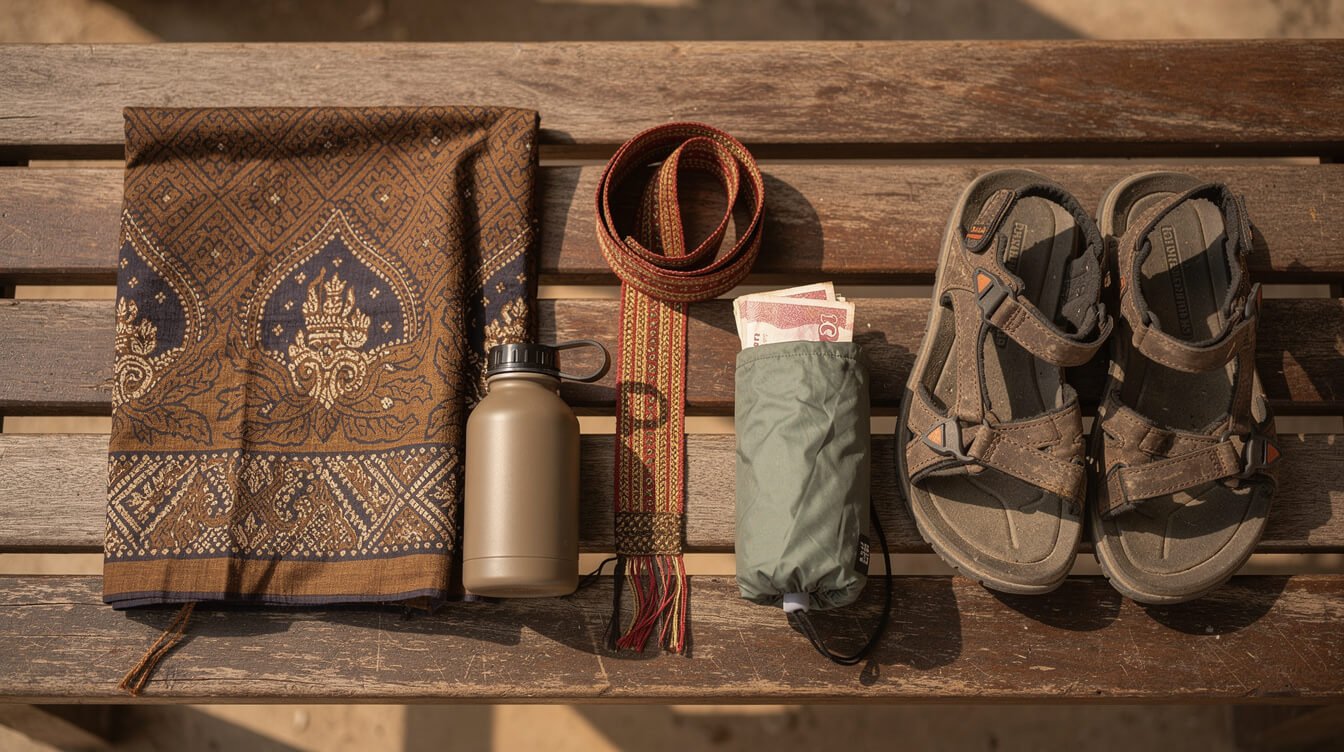
- Weather. From November to March, expect clear mornings and rain from early afternoon on many days. Start early. A light rain jacket is more useful than an umbrella on the bunds.
- Shoes. Wear sandals with grip or light walking shoes you do not mind getting muddy. The bunds can be slippery after rain.
- Sarong and sash. Bring them if you plan any temple stop, including Besakih. Shoulders should be covered. Our guide to Balinese traditional clothes explains what to wear and why.
- Cash. Carry small rupiah notes for guides, warungs, parking and small purchases. Some weaving shops accept cards, but many do not, and ATMs in the valley are few.
- Ceremonies. If you meet a procession on the road, pull over and wait. It is one of the most beautiful things you can see in Bali, and nobody is in a hurry.
- Leave no trace. Carry a refillable water bottle and take your rubbish home. Plastic in the irrigation channels ends up in the fields.
- Be a good guest. Sidemen’s beauty is its quiet. Keep voices low near homes and shrines, ask before you photograph people, and fly drones only if you have checked local rules and asked permission.
Frequently Asked Questions
How far is Ubud from Sidemen?
About 34 kilometers. Allow 75 to 90 minutes each way by car, depending on traffic through Gianyar and Klungkung and on any temple processions along the way.
Can you visit Sidemen as a day trip from Ubud?
Yes. Leave early, walk the rice fields in the morning, visit a weaving workshop, have lunch with a valley view, and be back in Ubud by mid-afternoon.
Is there an entrance fee for the Sidemen rice fields?
The valley itself has no ticket. You pay for a local guide if you use one, for parking, and for anything you buy. Individual attractions, such as rafting, have their own prices.
What are the best things to do in Sidemen?
Walk the rice fields with a local guide, visit a songket or endek weaving workshop, take in the ridge views toward Mount Agung, raft the Telaga Waja river in the right conditions, and taste fresh salak from the nearby villages.
When is the best time to visit Sidemen?
The dry season, roughly April to October, gives the most reliable mountain views. The wet season makes the valley at its greenest. In any season, mornings are best.
Is Sidemen good for families?
Yes, with a little planning. Children usually love the rice field walks, the water channels and the looms. Keep the walk short, bring snacks and hats, and hold small hands on narrow bunds.
Final Thoughts
Sidemen is not a place you rush through. It is a valley you walk slowly, with the mountain watching from behind the clouds and the sound of looms coming from the lanes. You meet the people who farm the fields and weave the cloth. You see the light that drew a painter from Ubud nearly a century ago.
Leave early. Bring small notes, a sarong and good shoes. Walk with a local guide, buy something made by hand, and be home before the rain. Then let the evening be easy: a swim, a long dinner, and that piece of cloth folded on the chair as a reminder of the valley that still weaves.

Join our newsletter — fun, new, exciting Bali news
Ceremony days, market finds, new trails and small stories from Ubud. Delivered now and then, always worth opening.