Bali Weather in January: Slow Days, Green Fields and the Ubud Wet Season
It’s seven in the morning in Ubud, and the rain has just stopped. Water drips from the eaves of the bale, the rice field below the villa is so green it almost glows, and somewhere in the village a rooster is arguing with a gecko. The air is cool and smells of wet earth and frangipani. By ten the sun is out. By four the clouds will roll back over the hills, and you’ll be watching a warm tropical downpour from a daybed with a cup of ginger tea. That is Bali weather in January: the heart of the wet season, and in the highlands, one of the greenest and most restful months of the year.
Most January guides are written from the beach, where rain mostly means a lost tanning day. This one comes from the team at a staffed villa in the rice fields outside Ubud, where January feels less like a washout and more like a reset. Below you’ll find honest weather numbers, what this season’s late-arriving rains may mean for your trip, who January suits (and who it doesn’t), the ceremony calendar, how to stay safe on wet roads and trails, and exactly what to pack.
Bali Weather in January at a Glance
January sits right in the middle of Bali’s wet season, which broadly runs from November through March. It’s warm, humid and often rainy, but rarely rainy all day. Here’s what the averages say. One honest caveat first: weather services measure at different stations and over different years, so published January numbers vary widely. Treat these as ranges, not promises.
- Daytime temperatures: roughly 29–31°C (84–88°F) on the coast. Ubud usually runs a degree or two cooler during the day.
- Nights: around 23–24°C (73–75°F) by the sea. Ubud evenings feel fresher, especially after a storm.
- Rainfall: January is usually one of the wettest months. Published monthly averages range from around 250 mm to well over 300 mm, and a very wet year can bring much more.
- Rainy days: sources count anywhere from about 15 to more than 25 days with some rain. Most of those are a heavy afternoon or evening shower, not a day-long downpour.
- Humidity: high, typically 80–90%. Before a storm, the “feels like” temperature can climb into the low to mid 30s°C.
- Sea temperature: warm, about 28–30°C. Seas on the west and south coasts can be rough, and boat crossings to the Nusa islands are often choppier.
Ubud vs the coast in January
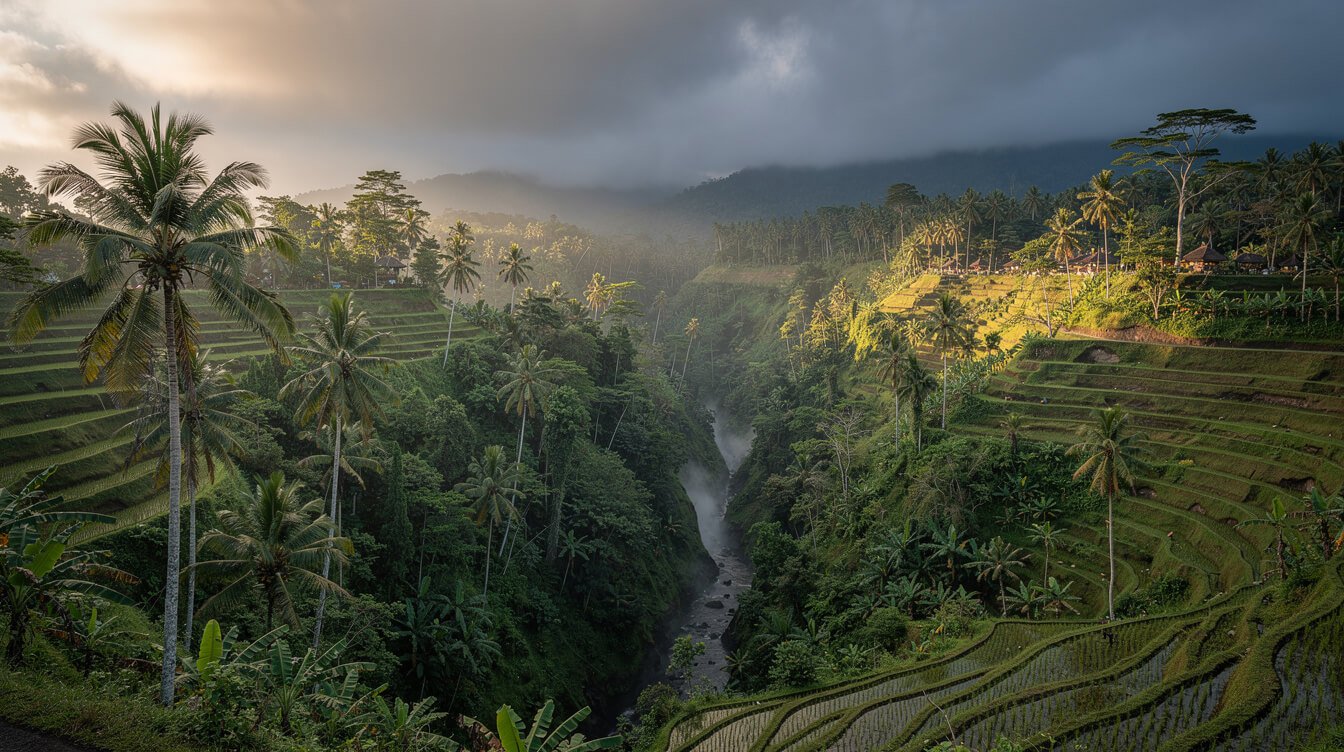
Ubud sits inland, in the foothills that rise toward Bali’s volcanoes, so it usually sees a little more rain than the southern beaches, and sometimes sees it earlier in the day. What you get in return is softer air. Mornings are often misty and cool, the light after a storm is clean and silver, and the landscape is at its most lush. The Bukit Peninsula around Uluwatu tends to be the driest corner of the island, while the east coast around Sanur is often calmer for swimming than the west.
How January rain actually behaves
The classic pattern is a bright or hazy morning, clouds building over the hills around midday, and a heavy, warm shower in the afternoon or evening that might last one to three hours. In January you’ll also get a few grey, drizzly days, and the occasional night when it rains steadily until dawn. Very few weeks are a total washout. The trick is to plan your outings for the morning and keep the afternoons flexible. Our full guide to the Bali rainy season goes deeper, and our general guide to the weather in Ubud explains why the town has its own microclimate.
A note on the 2026–27 season
This season looks a little unusual. In September 2026, Indonesia’s weather agency BMKG said the rainy season would arrive late and run shorter than normal across much of the country, because of a strong El Niño and a positive Indian Ocean Dipole (reported by Tempo). For Bali, that pointed to the rains starting properly around December. A late start doesn’t guarantee a dry January, and forecasts can change, but it does make it a little more likely that January 2027 will be gentler than the long-term average. Treat it as a hopeful forecast and pack for rain anyway.
Is January a Good Time to Visit Bali? An Honest Answer

It depends on what you want from Bali. Here’s our honest take, by type of traveler.
January suits you if…
- You want green, not gold. The rice terraces, jungle ravines and gardens are at their most vivid. Photographers love the mist and soft light.
- You’re coming for wellness. A post-holiday reset of yoga, massage, clean food and long sleeps fits January perfectly. The rain is part of the cure.
- You love culture. The Balinese ceremony calendar doesn’t pause for the weather, and this January looks especially rich (more on that below).
- You like a slower trip. Couples, writers, digital nomads and anyone who wants to read on a daybed while it pours will feel right at home.
January may not suit you if…
- Your trip is all about the beach. You’ll still get sunny hours, but the west and south coasts are often rougher, and the water can be murky after heavy rain.
- You’re set on diving or snorkeling. Visibility is often reduced in the wet season, especially on the south side of the island.
- You’re on a tight, fixed itinerary. A long day trip planned to the minute is the thing most likely to be spoiled by an afternoon storm.
Crowds and prices in January
The first week of January is still part of the New Year peak, and Australian summer school holidays keep family-friendly areas lively until late in the month. After the first week, though, Ubud quiets down noticeably. Many travelers find flights and accommodation easier to come by from mid-January, but it varies a lot by property and date, so check directly. Our honest guide to Bali travel prices and our notes on off-season villa rates in Ubud explain how seasonality tends to work.
Get a free 3-day sample itinerary
Misty morning walks, a long massage while the rain falls, and dinner under a rinsed night sky. We will send you a 3-day sample itinerary for Ubud that already works with the January rhythm.
Ubud in January: The Greenest, Quietest Month
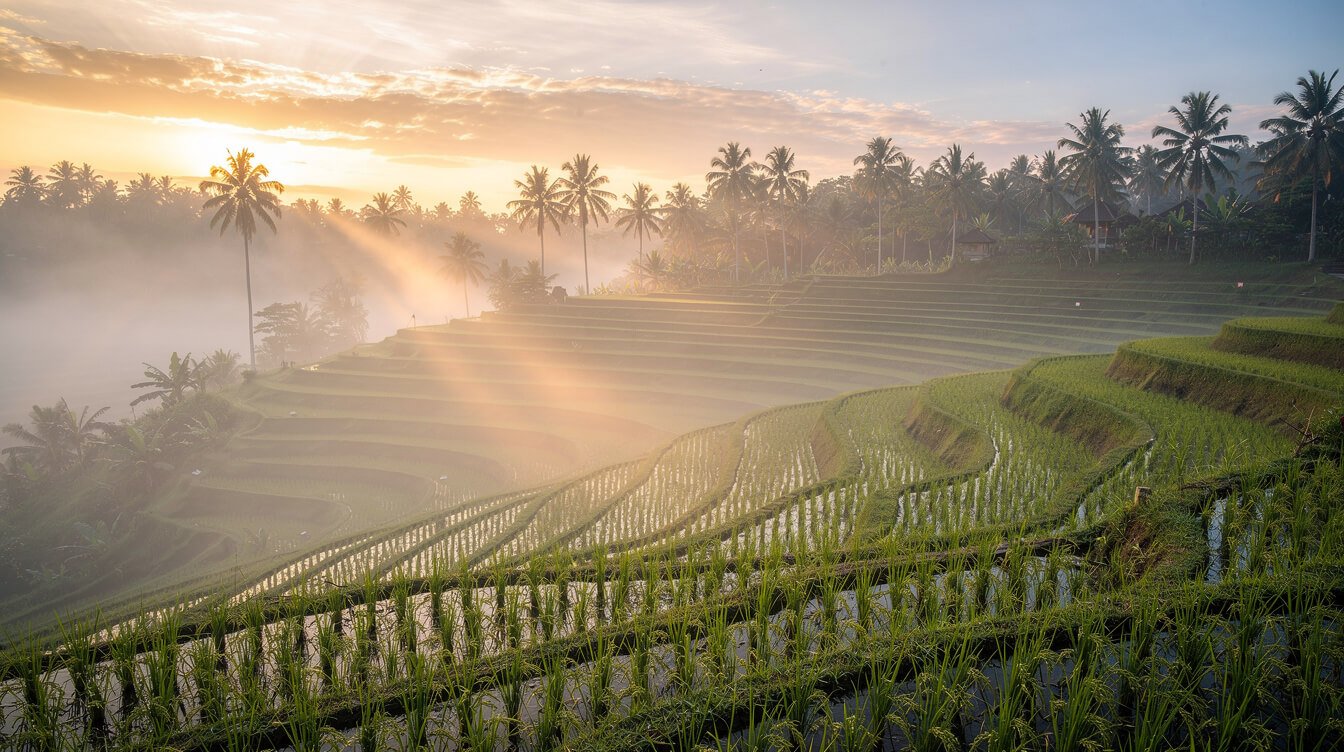
If you visit Ubud in August, you see the rice terraces golden and busy. In January, you see them at their most alive.
Rice fields in every shade of green
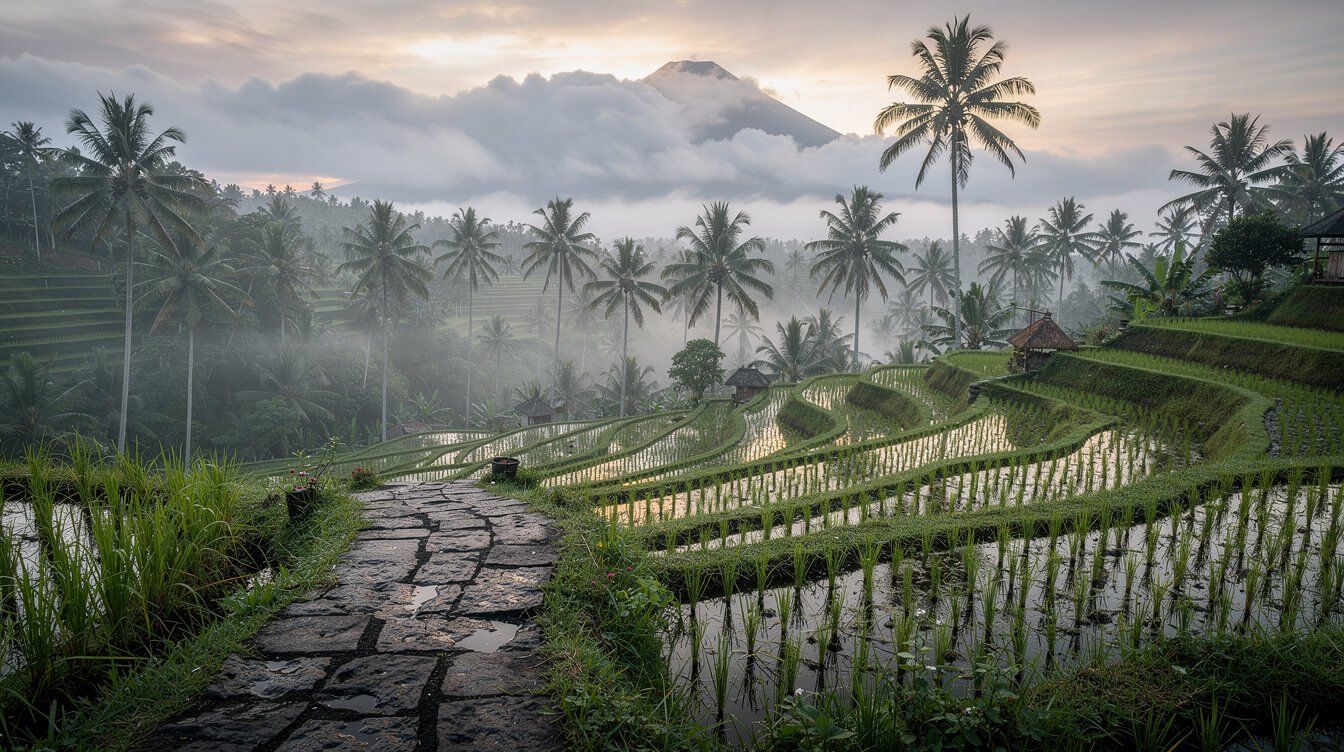
Balinese farming runs on subak, a centuries-old cooperative system that shares water between farms through channels, tunnels and small water temples. By January, most of the fields planted as the rains returned are thick with young rice, and the terraces glow in a dozen shades of green. Walk to Tegallalang or along the Campuhan Ridge early, before the clouds build, and you’ll often have the path almost to yourself.
The sounds of the wet season
January in Ubud is loud in the best way. Frogs start up in the paddies at dusk. Rain drums on alang-alang thatch, then stops as suddenly as it started, leaving only the drip of the eaves and the river rushing in the ravine below. At night the gecko calls out from the rafters, and in the morning the birds sound like they’re celebrating.
Tropical fruit season
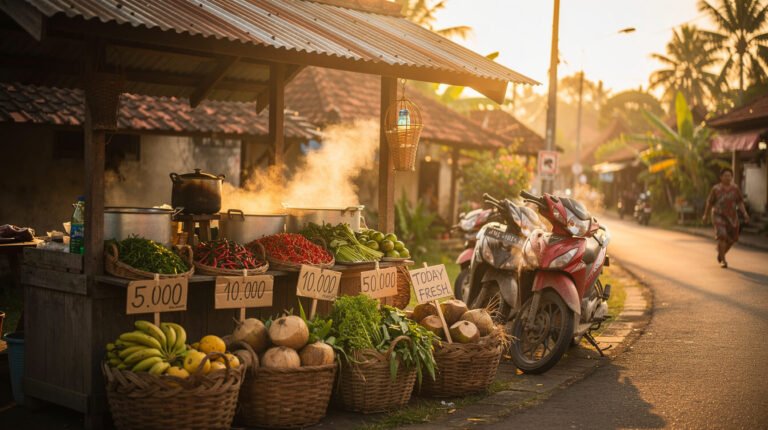
The wet season is fruit season. Around this time of year, markets fill with rambutan, mangosteen and salak, and if you’re brave, durian. Ask your chef to put whatever looks best at the morning market on your breakfast table. It’s one of the small, everyday pleasures of a January stay.
Slow afternoons, held for you
This is where a staffed villa earns its keep. When the rain arrives at three o’clock, you don’t need a plan. The chef is cooking something fragrant in the kitchen, the housekeeper has left dry towels by the pool, and the daybed has a view of the storm rolling across the valley. Swimming in a warm pool while warm rain falls on the water is a very Ubud kind of happiness. Our guide to staying in a villa with staff explains how it all works, and our page on having a private chef in Ubud shows what rainy-day menus can look like.
A January Reset: Yoga, Spa and Slow Wellness Days
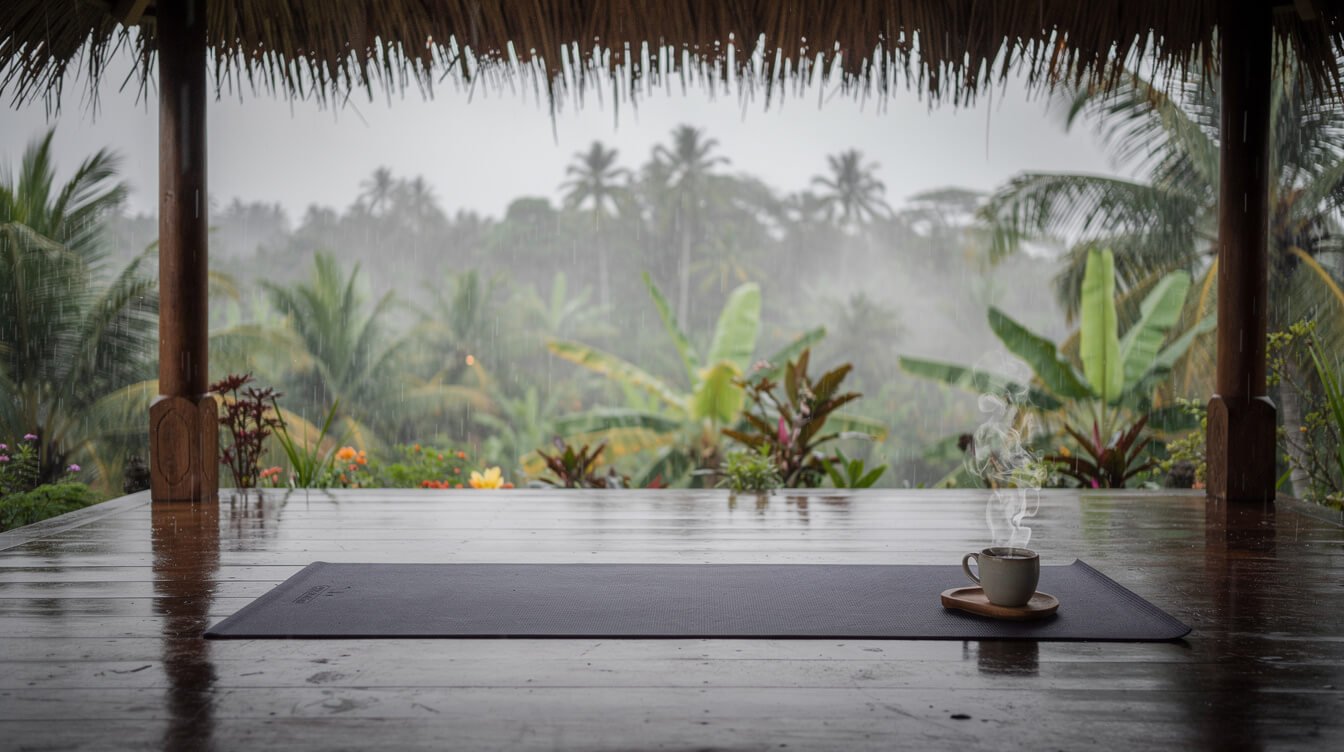
January is the month many people decide to start again, and Ubud has been helping travelers do that for decades. The wet season adds something to the experience. Cooler mornings make practice easier, and rainy afternoons give you permission to rest.
Yoga and movement
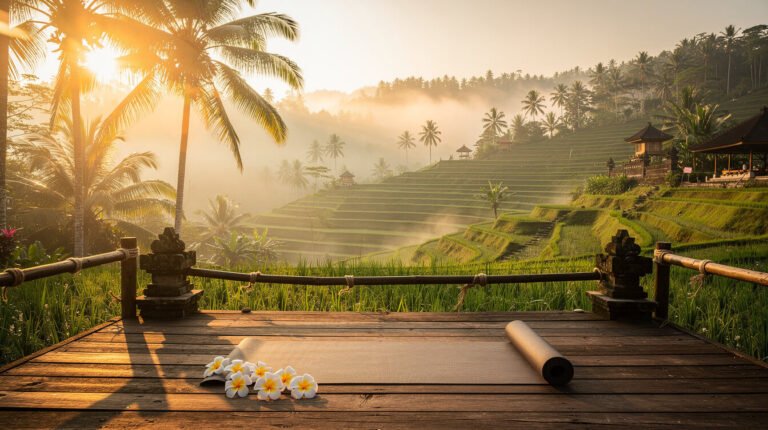
Ubud’s yoga studios run all year, with open-air shalas that sound wonderful in a downpour. Whether you drop into a class or join a structured program, our guides to the best Ubud yoga retreats and to yoga teacher training in Bali will help you find the right fit. Many guests simply roll out a mat on the terrace at sunrise.
Massage, flower baths and water blessings
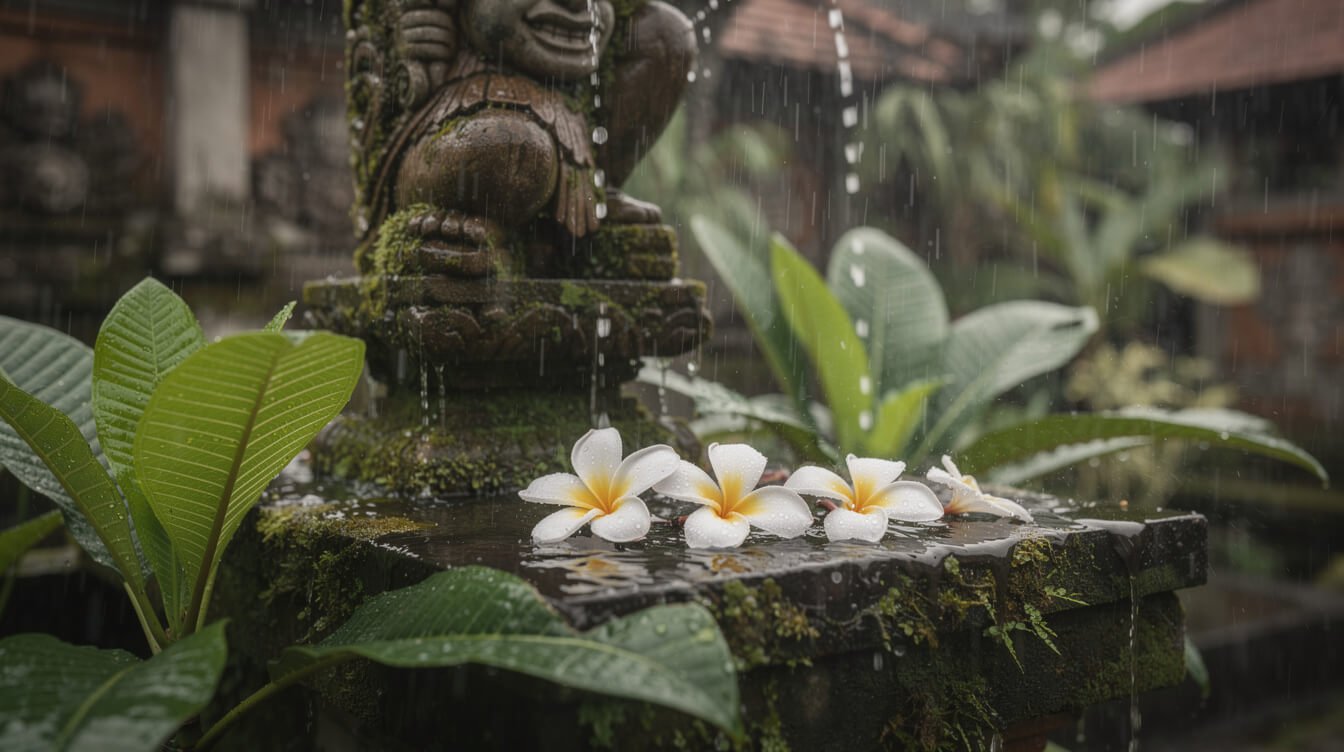
Rainy afternoons were made for long Balinese massage sessions. Many spas in and around Ubud offer traditional treatments, and some can come to your villa. A Balinese flower bath on a grey afternoon feels like a small ceremony of its own. For a deeper spiritual reset, a melukat water purification at a temple spring like Tirta Empul is meaningful in any season. Just go in the morning, and ask a local guide about etiquette. Our Bali spa and wellness retreat guide has more ideas.
Food as part of the reset
After the excess of the holidays, January is a natural time for lighter food. Think fresh coconut, turmeric jamu, grilled fish with sambal matah, and bowls of fruit picked that morning. If you’d like to learn to cook it yourself, a Balinese cooking class in Ubud is a perfect rainy-day activity.
Ceremonies and the Balinese Calendar in January
The Balinese ceremonial calendar doesn’t follow the Gregorian year. Many of the most important festivals run on the Pawukon, a 210-day cycle, so they move around from one year to the next. That’s why we’d always suggest checking exact dates before you book flights around a festival.
Galungan and Kuningan
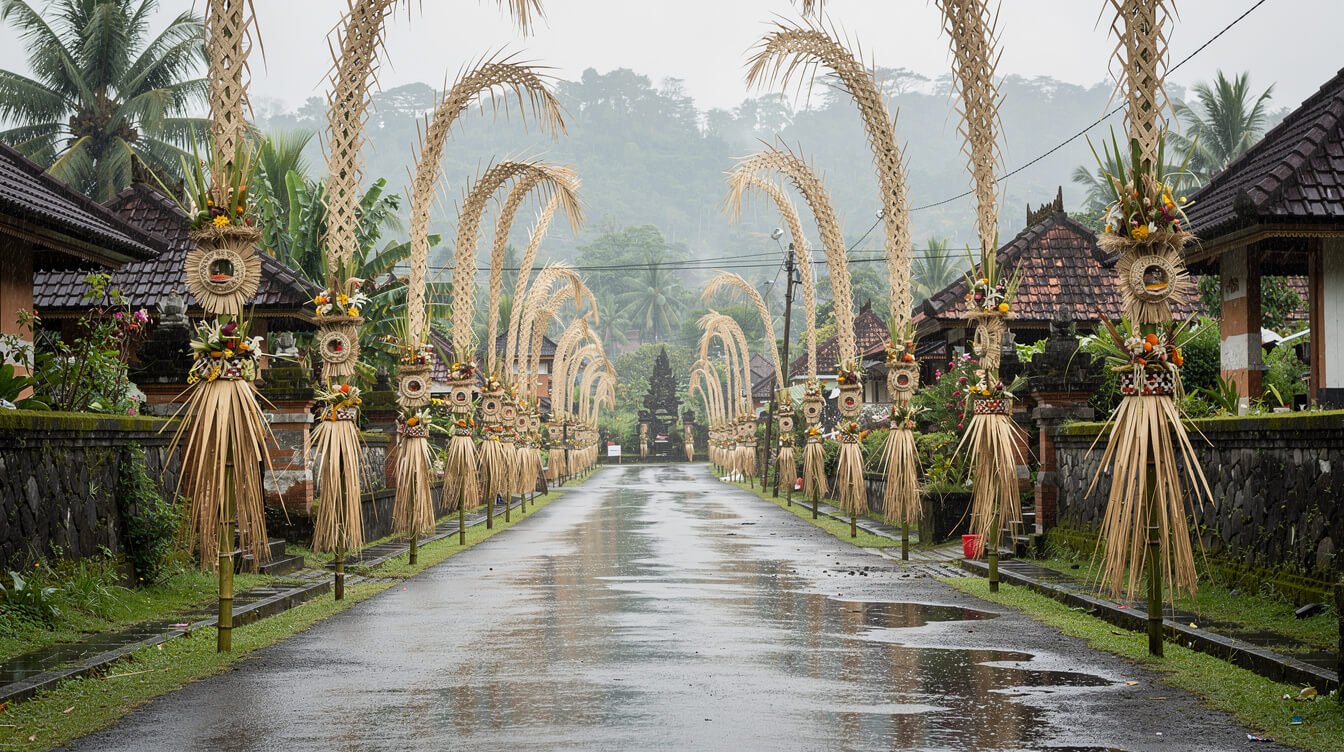
By the 210-day count, the next Galungan is expected to fall in mid-January 2027, with Kuningan about ten days later. Galungan celebrates the victory of dharma (good) over adharma (evil), and it’s one of the most beautiful times to be in Bali. Tall bamboo penjor arch over every village road, families make offerings and visit their temples, and the whole island feels festive. Dates are confirmed by Balinese religious authorities, so please ask us to confirm before you plan around them. Our guide to Galungan in Bali explains what it feels like from inside an Ubud villa.
What it means for your stay
During Galungan and the days around it, some local businesses close or run shorter hours while staff are with their families. Traffic near temples can slow down, and you may see processions on the road. Visitors are welcome to watch respectfully. Wear a sarong and sash if you enter a temple, and never walk in front of someone who is praying. Our guide to temples to visit in Ubud covers more etiquette.
Evenings of dance
Ubud’s evening performances usually go ahead in the wet season, though some move under cover or are canceled in heavy rain. The fire-lit Kecak dance is unforgettable, so check the schedule on the day.

Book the Villa
Three bedrooms, a private pool that is lovely in warm rain, and a team who keeps the coffee hot and the umbrellas by the door. Check availability for your January dates at Villa Amrita.
Getting Around and Staying Safe in the Wet Season

Most January days are easy, but heavy rain changes how you should move around the island. A few simple habits make all the difference.
Roads and drivers
Roads around Ubud can flood briefly during heavy storms, and some smaller lanes get slippery and potholed. If you’re not experienced on a scooter, January isn’t the month to learn. A private driver is safer, drier and often not much more expensive over a full day. Leave extra time for airport transfers, especially in the late afternoon, when storms and traffic can overlap.
Waterfalls and rivers
Bali’s waterfalls are spectacular in January, full and thundering. But heavy rain upstream can raise water levels fast, even if it’s dry where you are. Go in the morning, follow the advice of local staff, and don’t swim if the water is brown or rising. Some sites close after heavy rain. Our Bali waterfall guide lists the falls closest to Ubud.
Treks and trails
Rice-field paths and jungle trails get muddy and slippery. Wear shoes with grip and go early. Sunrise treks like Mount Batur still run in the wet season, but cloud can hide the view, so keep your plans flexible and pick a morning with a clear forecast if you can.
Mosquitoes and health
Mosquitoes are more active in the wet season, so use repellent, especially at dawn and dusk, and choose rooms with screens or nets. Drink plenty of water, because the humidity dehydrates you faster than you’d expect.
What to Pack for Bali in January

Pack light, breathable and quick-drying. Here’s what we’d put in the bag:
- Linen and cotton clothes that dry fast. Leave the jeans at home.
- A light rain jacket or poncho. Umbrellas are usually provided at the villa, but a jacket is handy on the road.
- Sandals with grip, plus one pair of closed shoes for trails.
- A sarong. You’ll need one for temples, and it doubles as a beach wrap.
- Insect repellent and sunscreen. The UV is strong even through cloud.
- A dry bag or zip pouches for your phone and passport on day trips.
- A light layer for cool, misty highland mornings or a sunrise trek.
For a full list, see our guide on what to pack for Bali.
Bali Weather in January: Frequently Asked Questions
Is it advisable to visit Bali in January?
Yes, if you’re happy with rain and want green landscapes, culture and a slower pace. It’s a wonderful month for Ubud, wellness and ceremonies. If your trip is mostly about beaches, diving or long day trips, the dry months of May to September will suit you better.
How much does it rain in Bali in January?
January is usually one of Bali’s wettest months, with somewhere around 250 to 350 mm of rain on average and rain on most days. Most showers are heavy but short, typically in the afternoon or evening, so mornings are often usable.
Can you swim in the sea in January?
Yes, the water is warm, about 28–30°C. The west and south coasts can have rough surf and murky water after storms, so the east coast around Sanur is often calmer. Always swim between flags and follow lifeguard advice.
Is Ubud or the beach better in January?
Ubud is usually wetter, but it’s also at its greenest and most atmospheric, and rainy afternoons are easy to enjoy with a spa, a book or a cooking class. The beaches can be good for sunny mornings, but rain affects beach days more. Many travelers split their trip.
December or January: which is better?
December brings the holiday crowds and festive energy. Mid to late January is quieter, with the same green landscapes and a ceremony season that looks especially rich this year. See our guides to Bali weather in December and Bali weather in November to compare, or our month-by-month guide to Ubud for the full year.
Final Thoughts: January in Ubud Is a Reset, Not a Washout
The best way to enjoy Bali weather in January is to stop fighting it. Give the cool, misty mornings to the rice fields, temples and waterfalls. Let the afternoons belong to the rain: a massage, a nap, a swim in the warm pool while the storm drums on the garden. Then step out for dinner under a rinsed, starry sky.
January in Ubud isn’t the bright, busy Bali of the high season. It’s greener, quieter and more generous with time, with penjor arching over the village roads, frogs singing in the fields, and a team at the villa who keeps the coffee hot and the umbrellas by the door. If that sounds like the kind of start to the year you need, we’d love to help you plan it.

Join our newsletter — fun, new, exciting Bali news
Seasonal notes from Ubud, ceremony days worth knowing about, and small stories from the garden and kitchen. Delivered now and then, always worth opening.