Things to Do in Bali: Your Complete Guide to the Best Experiences Across the Island
You’ve heard a hundred people tell you that Bali is special. But until you’re standing on a temple step at dawn, incense curling into mist, a rooster crowing somewhere behind you — you don’t actually know what they mean. The things to do in Bali aren’t just activities on a checklist. They’re encounters. With the island’s spiritual rhythms, with food that carries centuries of tradition in every bite, with landscapes that make you stop talking mid-sentence.
This guide comes from a villa team that lives here — in Ubud, where the jungle meets the rice fields. We don’t run tours or sell tickets. We arrange stays, we know the roads, and we’ve sent hundreds of guests toward the experiences that brought them back changed. What follows is everything we’d tell you over morning coffee on the pool deck, if you asked: what should I actually do?
Why the Things to Do in Bali Feel Different from Anywhere Else
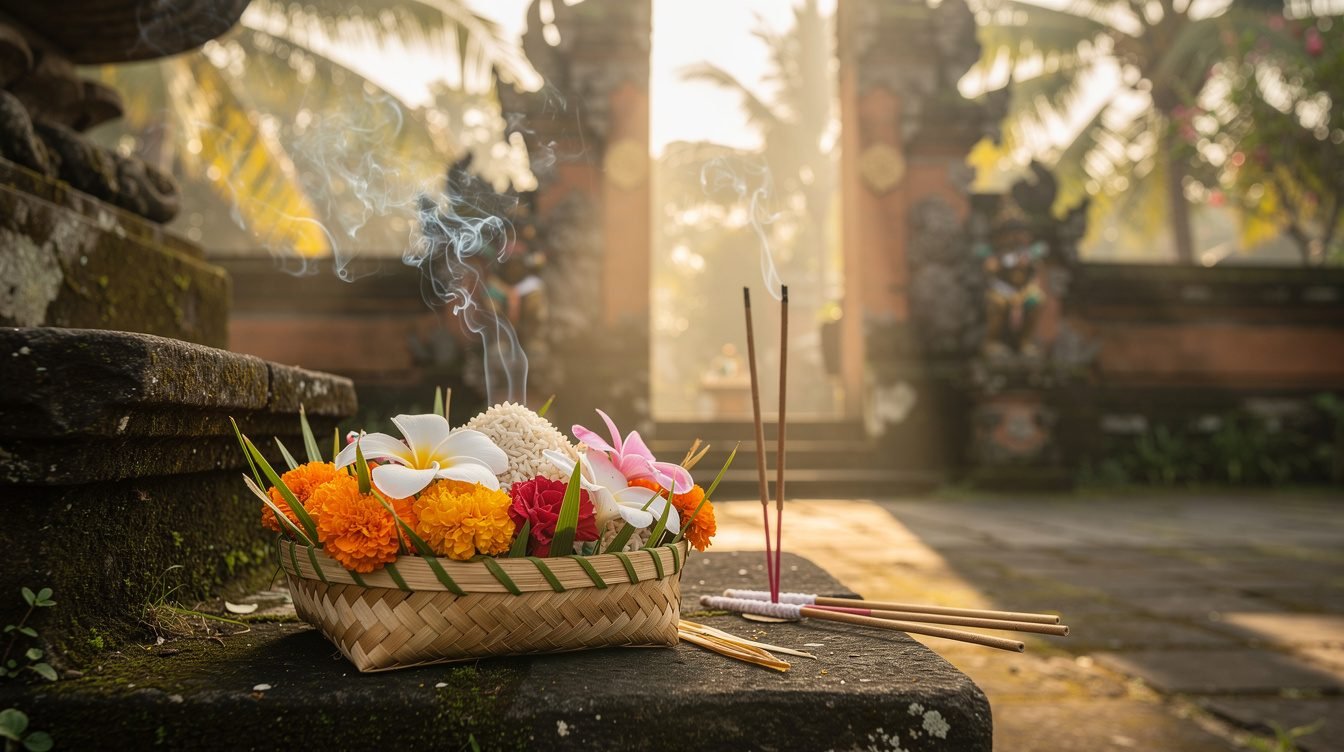
Bali is Hindu in a Muslim-majority country. That single fact reshapes everything — the daily offerings on every doorstep, the temple ceremonies that halt traffic without apology, the way the island’s rhythm is spiritual before it’s commercial. When you arrive from Jakarta or Singapore or Sydney, the first thing you notice isn’t the heat. It’s the tempo. Things move at the speed of incense smoke here.
The island is also small — about the size of Delaware — which means you can drive from volcanic highlands to ocean cliffs in two hours. But most visitors make the mistake of trying to cover too much ground. The best things to do in Bali reveal themselves when you slow down. When you stay in one place long enough to learn the names of the people who live there.
That’s the approach we recommend: pick a home base (we’re biased toward Ubud, where the cultural heart of Bali beats strongest), settle into a rhythm, and let the island unfold around you. The temples, rice terraces, waterfalls, and beaches aren’t going anywhere. But the connection you feel when you’ve spent three mornings at the same warung, when the Balinese family next door waves you over for ceremony — that can’t be rushed.
Temples and Sacred Spaces That Ground You
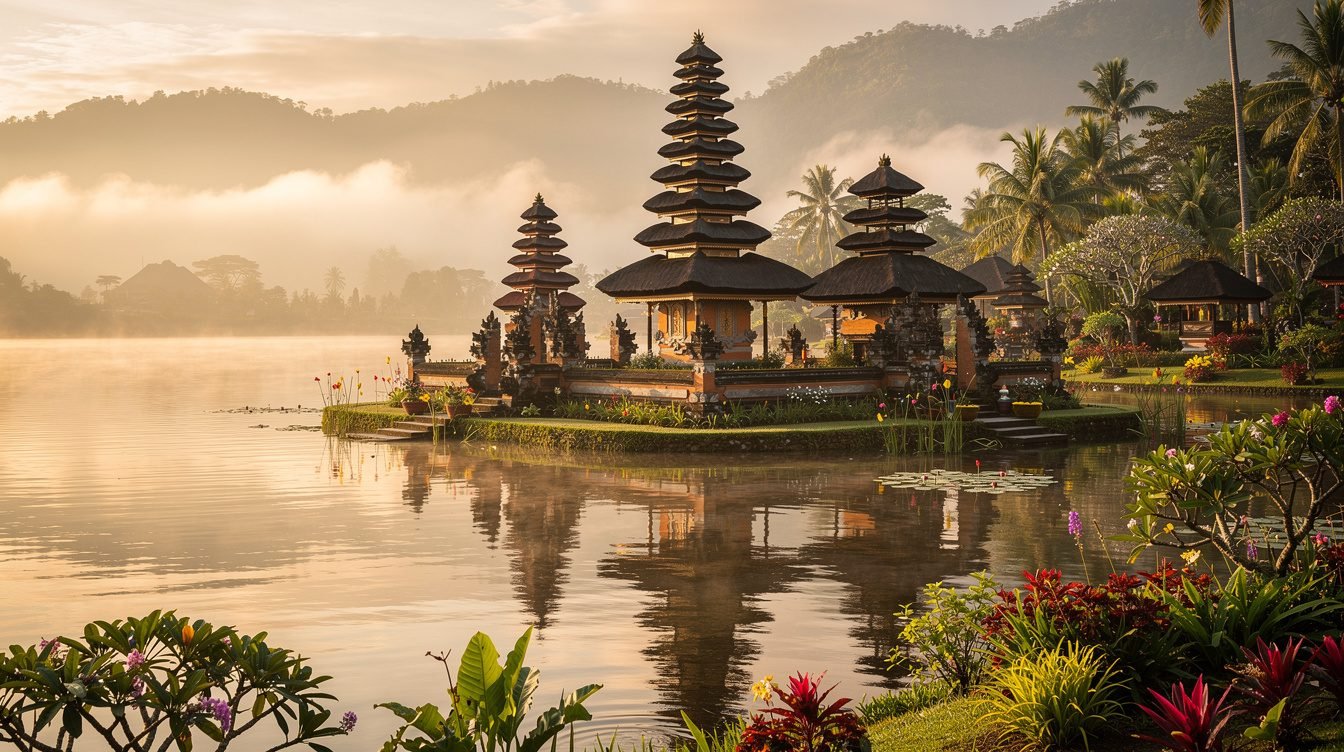
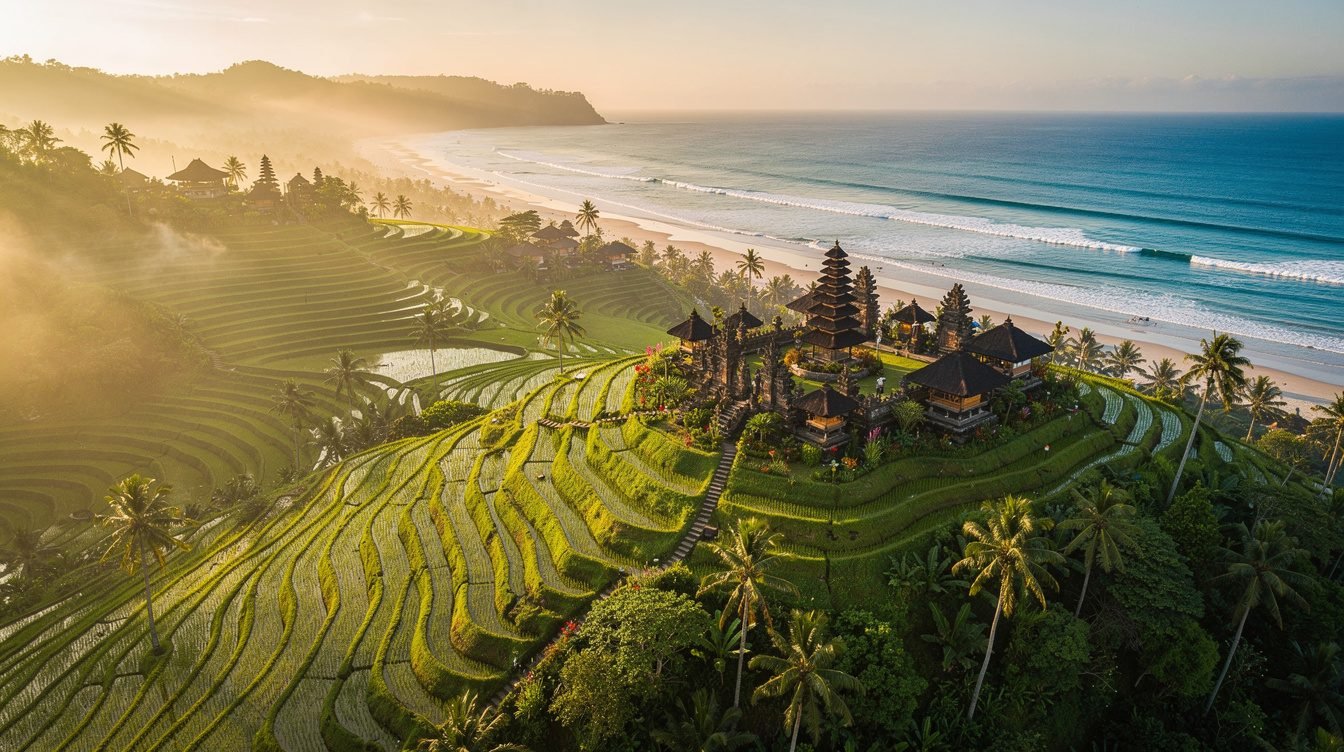
Bali has over 20,000 temples. That number isn’t a typo. Every village has at least three — one for Brahma, one for Vishnu, one for Shiva — and every family compound has its own shrine. You don’t “visit temples” in Bali the way you visit cathedrals in Europe. You encounter them. On morning walks, at intersections, tucked behind warungs, carved into cliff faces above the ocean.
The temples that most visitors seek out are extraordinary for different reasons:
- Tirta Empul — the sacred spring temple where Balinese come for purification rituals. You can participate (respectfully, with a guide), standing waist-deep in spring water that’s been flowing since the 10th century. It’s one of the most affecting experiences on the island.
- Tanah Lot — the sea temple perched on a rock formation, best visited in the late afternoon when the light turns everything amber. Crowded, yes. Still worth it.
- Uluwatu Temple — dramatic cliffside temple on the southern tip, famous for the Kecak fire dance performed at sunset against an ocean backdrop.
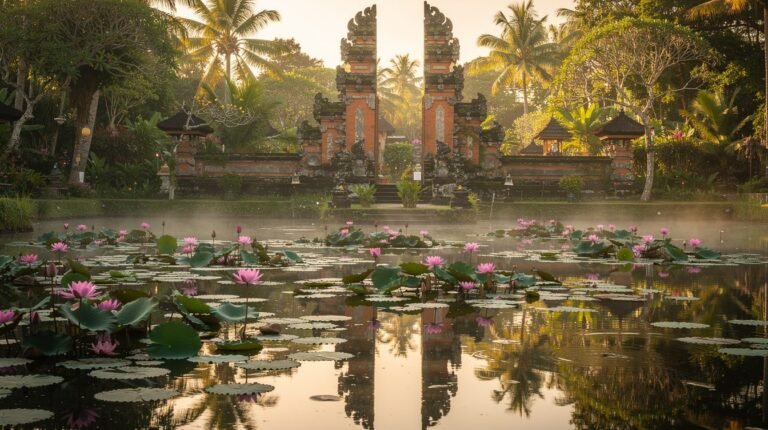
- Pura Saraswati (Ubud Water Palace) — a lotus-filled water garden in the center of Ubud, where Legong dance performances happen on moonlit evenings.
- Besakih (Mother Temple) — Bali’s largest and holiest temple complex, sprawling across the slopes of Mount Agung. Go early, go with a local guide, and give it the reverence it deserves.
What to know: Always wear a sarong and sash (temples provide them, or your villa team can arrange traditional temple attire). Don’t climb on sacred structures. Don’t point your feet at shrines. And if a ceremony is happening — which it often is — observe quietly. You’re witnessing something genuine, not a performance.
Rice Terraces and Natural Landscapes That Stop You Mid-Sentence
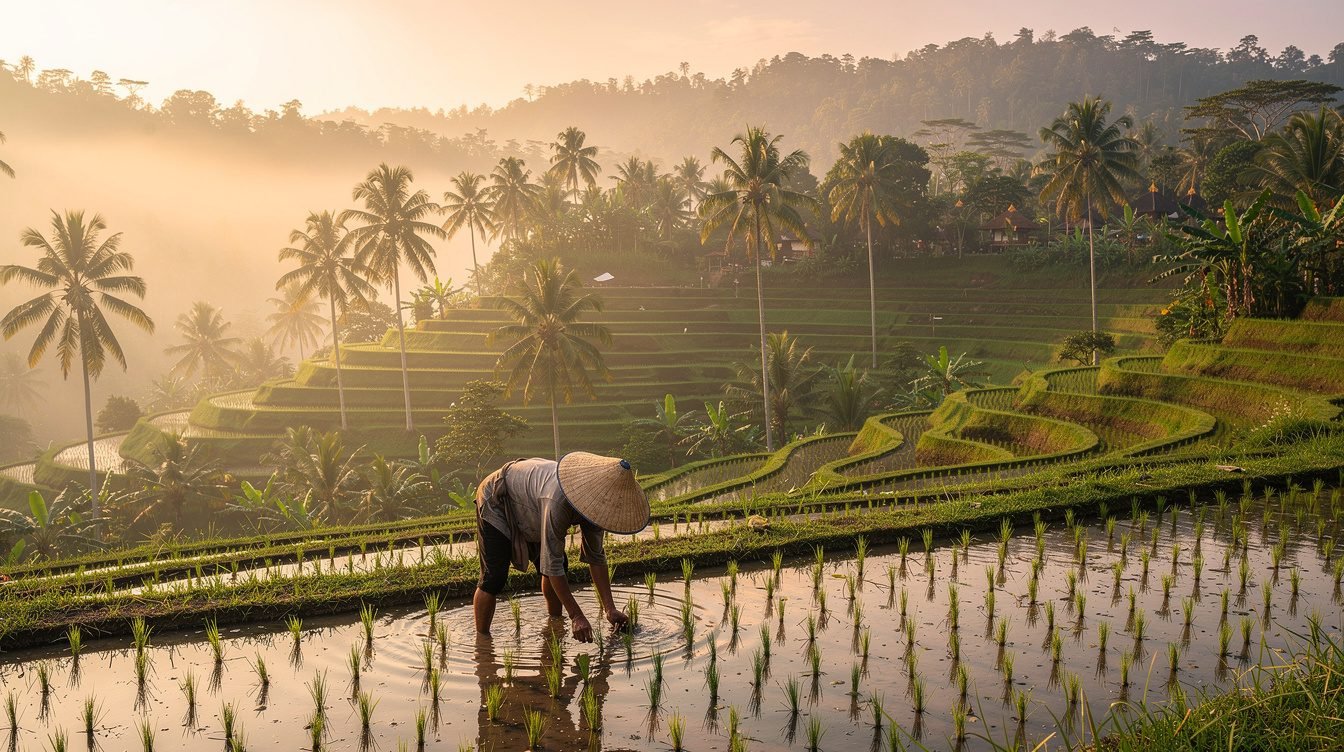
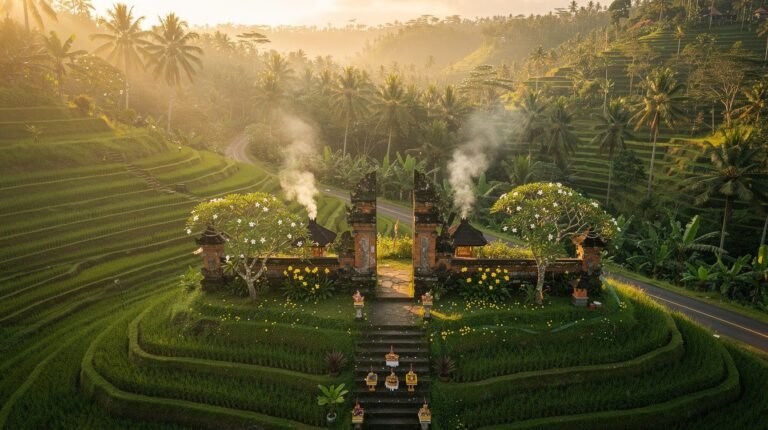
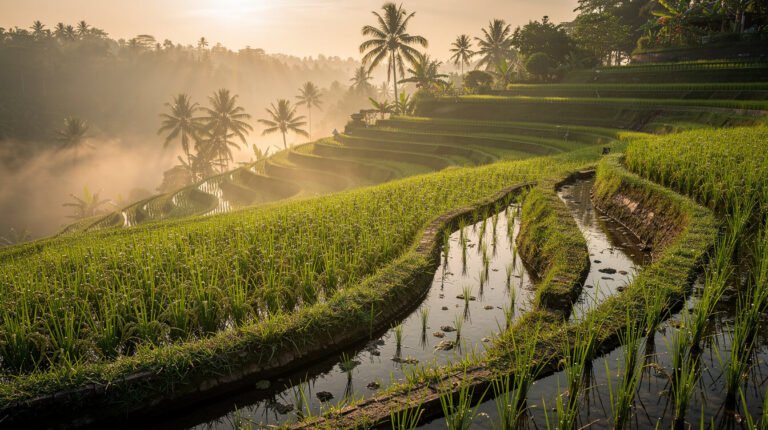
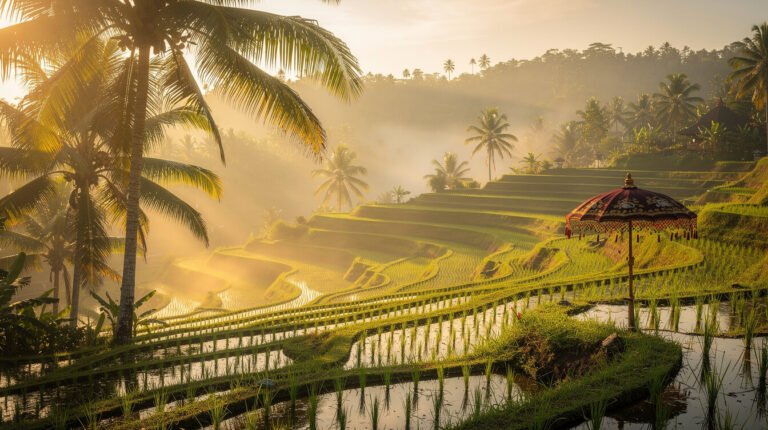
The Tegallalang Rice Terraces are the postcard shot of Bali, and they deserve every pixel of fame they get. But the experience depends entirely on timing. Arrive at 7 AM, before the tour buses, and you’ll walk through cascading green paddies in near-silence — just birdsong, irrigation water trickling through bamboo channels, and the occasional farmer adjusting the Subak system that’s been managing these fields for a thousand years.
Beyond Tegallalang, the rice terrace landscape extends across Bali’s interior:
- Jatiluwih — a UNESCO World Heritage site in Tabanan, less visited than Tegallalang, with terraces stretching to the horizon. The drive through mountain villages to get there is half the experience.
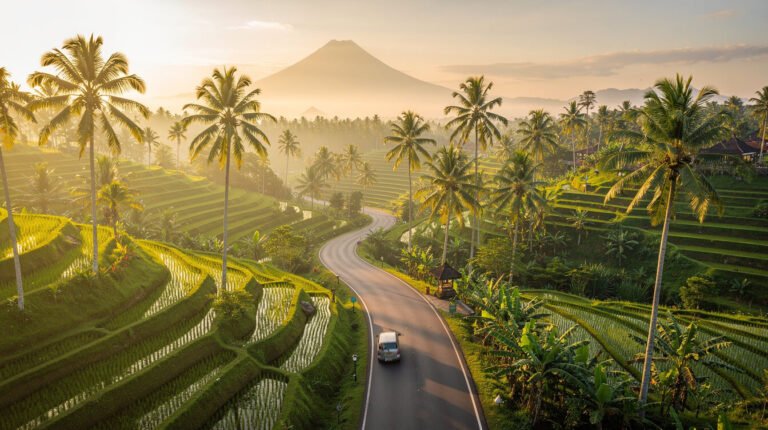
- Sidemen — east Bali’s quieter answer to Ubud, with rice fields framed by Mount Agung’s volcanic cone. If you want the Bali that existed before Instagram, drive to Sidemen.
- Campuhan Ridge Walk — not rice terraces, but a grass-covered ridgeline trail between two river valleys in Ubud. Best at sunrise. Twenty minutes of walking that feels like two hours of meditation.
The natural landscape extends well beyond the paddies. Bali’s volcanic origin means the interior is rugged, forested, and dramatically vertical. Twin crater lakes — Buyan and Tamblingan — sit in the northern highlands surrounded by cloud forest. Mount Batur offers a pre-dawn trek that rewards you with sunrise above the clouds and breakfast eggs cooked in volcanic steam. And the Sacred Monkey Forest in Ubud is a 14-hectare grove of ancient banyan trees with moss-covered temples and 1,200 long-tailed macaques who’ve been there longer than any of us.
Get a Free 3-Day Sample Itinerary
See what three days with a villa team actually looks like — temples, rice terraces, private chef dinners, and the moments in between.
Waterfalls, Volcanoes, and Adventures That Wake You Up
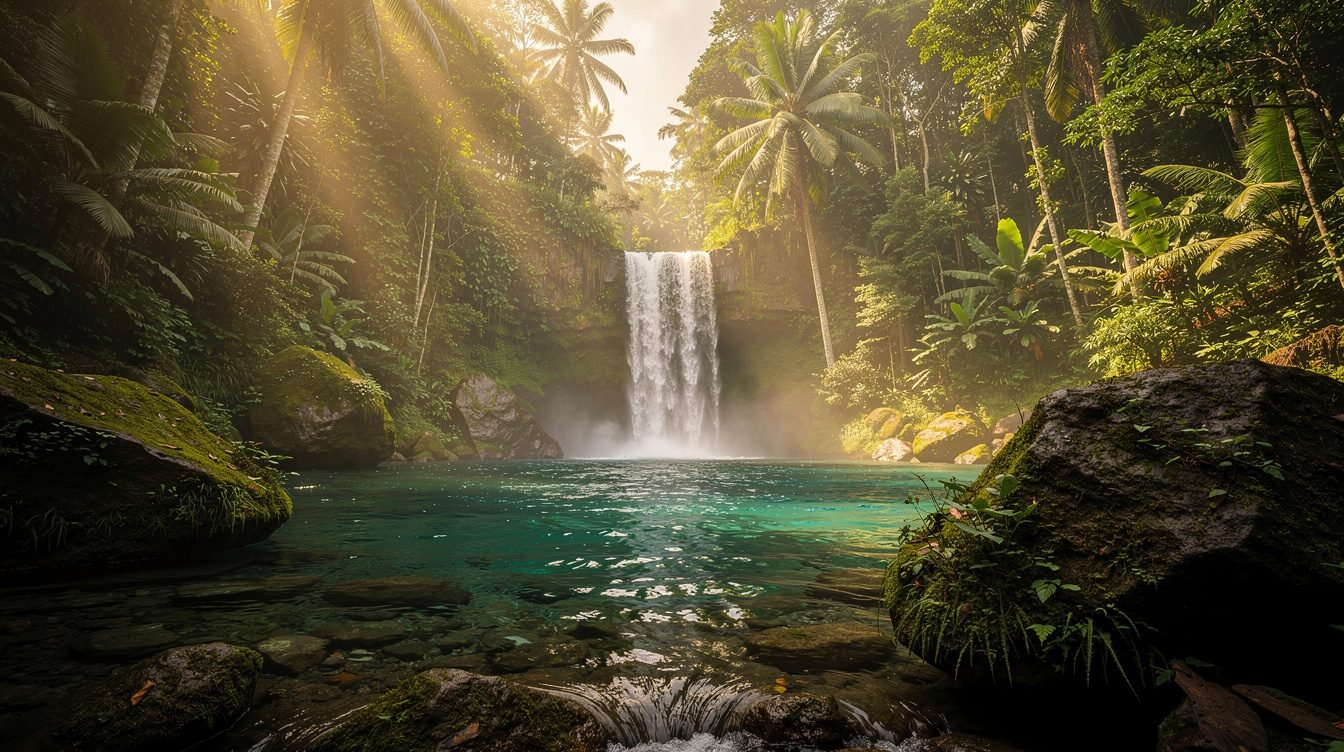
Bali’s waterfalls are not gentle curtains of mist. They’re volcanic, powerful, and surrounded by jungle so thick you sometimes hear them before you see them. The waterfalls near Ubud are the most accessible — Tegenungan is 20 minutes from town, Kanto Lampo is a staircase cascade perfect for photographs, and Tibumana is a hidden single-drop fall in a bamboo gorge that feels like a secret.
For the more adventurous:
- Sekumpul Waterfall — in Bali’s north, widely considered the island’s most spectacular. The hike down (and back up) is serious, but the twin falls thundering into a jungle pool are worth every step.
- Nungnung Waterfall — a single massive drop in the highlands, reached via 500+ stone steps. Fewer crowds. More impact.
- Mount Batur Sunrise Trek — a 2-hour pre-dawn climb to watch the sun rise over the caldera lake. Not technically difficult, but the altitude and early start (2 AM pickup) make it feel like an achievement. Your villa team can arrange a trusted local guide and packed breakfast.
- Mount Agung — Bali’s highest peak (3,031m) and holiest mountain. The full trek takes 5-6 hours and requires a guide. This is for experienced hikers who want the ultimate Bali adventure.
- White water rafting on the Ayung River — the river winds through a jungle gorge near Ubud, with Class II-III rapids that are thrilling without being terrifying. Family-friendly from age 7+.
Cycling is another way to experience Bali’s interior that most visitors overlook. A morning ride through the villages north of Ubud — past family compounds, working rice fields, and small temples where women are arranging offerings — gives you a completely different perspective than any car window can. The downhill ride from Kintamani (near Mount Batur) back to Ubud is one of the most popular routes: 25 kilometers of mostly downhill road through some of the most beautiful terrain on the island.
The Food — From Morning Markets to Private Chef Dinners
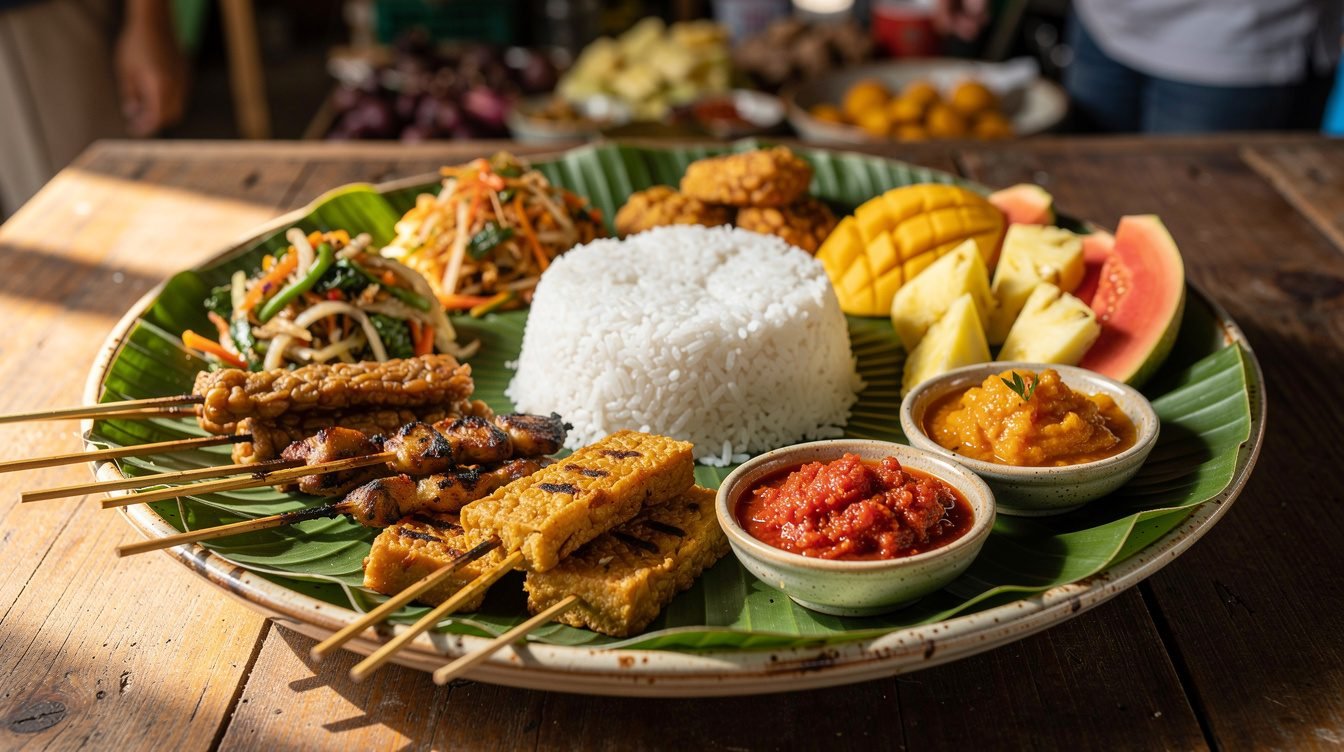
Bali’s food is a story told in spice. Base genep — the foundational paste that flavors almost everything — uses turmeric, galangal, lemongrass, shallots, garlic, chili, and shrimp paste ground together on a stone mortar. It’s the taste of every warung, every family kitchen, every ceremony feast. Once you recognize it, you’ll taste it everywhere.
The essential eating experiences in Bali:
- Babi guling (suckling pig) — Bali’s signature dish, spit-roasted with turmeric and lemongrass. Ibu Oka in Ubud is the most famous, but every town has its specialist.
- Bebek betutu — slow-cooked duck wrapped in banana leaves, smoked over rice husks for hours. The one at Bebek Bengil (Dirty Duck Diner) in Ubud started the trend.
- Nasi campur — mixed rice with small portions of everything: vegetables, sambal, satay, egg, tempeh. The warung version costs under $2 and is one of the best meals you’ll have anywhere.
- Lawar — a ceremonial dish of minced meat with grated coconut, vegetables, and spices. You’ll encounter it at temple festivals more than restaurants.
The restaurant scene in Ubud has expanded dramatically. Locavore runs a hyper-local tasting menu using only Indonesian ingredients and techniques. Mozaic has been Ubud’s fine-dining anchor for two decades. Room4Dessert does dessert-as-art. And the café culture — Milk & Madu, Clear Café, Watercress — gives digital nomads and families alike a reason to linger.
But the food experience we recommend most? A private chef dinner at your villa. Your chef shops the morning market, asks what you’re in the mood for, and cooks a multi-course Balinese meal served on the pool deck as the sun goes down. It’s not a restaurant. It’s someone cooking for you, in your temporary home, with food that was growing in the ground that morning.
Wellness, Yoga, and the Art of Slowing Down
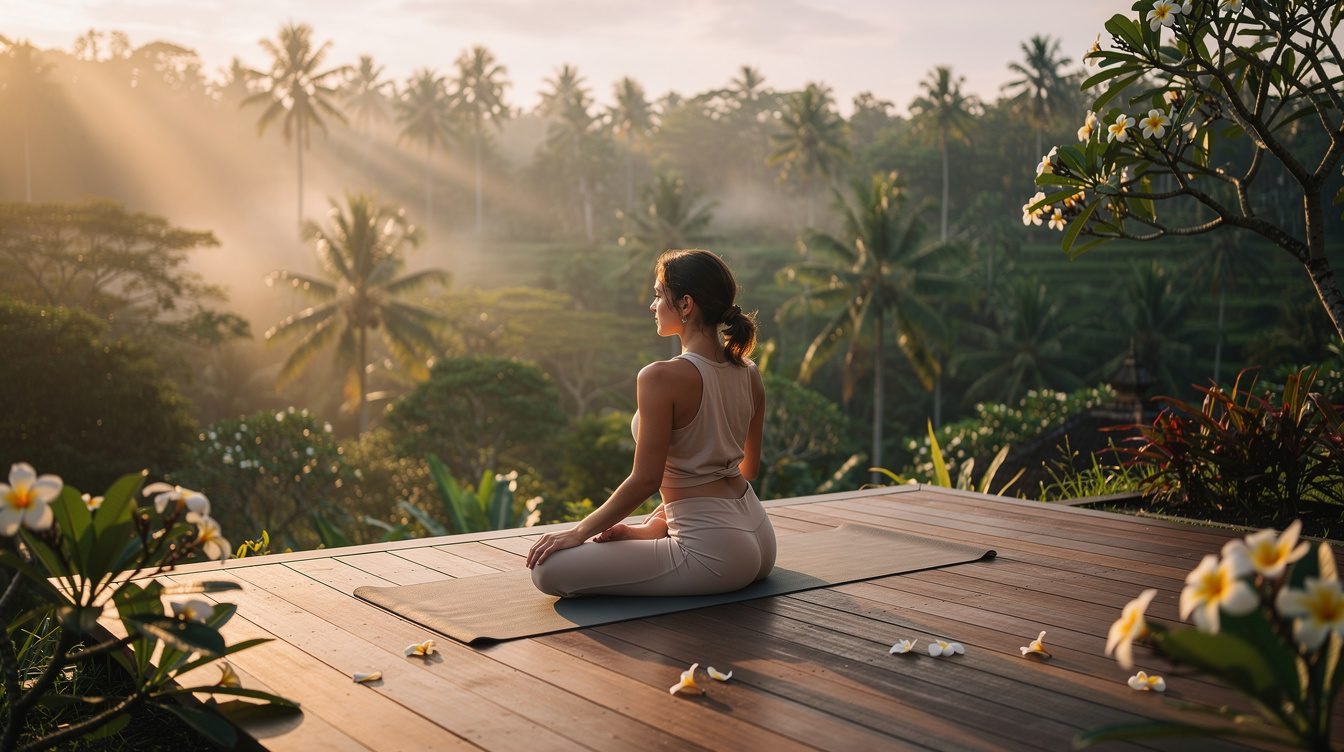
Bali’s wellness reputation isn’t just marketing. The island has a living tradition of healing — balian (traditional healers) who read energy in the body, melukat (water purification) ceremonies that Balinese families attend regularly, and a general orientation toward balance that the Hindu concept of Tri Hita Karana makes explicit: harmony between people, nature, and the divine.
Modern wellness infrastructure has built on that foundation. Yoga retreats in Bali range from drop-in morning classes at the Yoga Barn in Ubud (the island’s de facto yoga headquarters) to full-immersion residential retreats at places like Fivelements and COMO Shambhala. Sound healing sessions, breathwork circles, and meditation sits happen daily across Ubud alone.
The spa experiences in Ubud are equally varied. Traditional Balinese massage uses long, flowing strokes with coconut oil and frangipani — different from Thai massage, gentler than deep tissue, and deeply relaxing. You’ll find everything from $10 village spas to $200 resort treatments at places like the COMO Shambhala Retreat or the Spa at Maya Ubud.
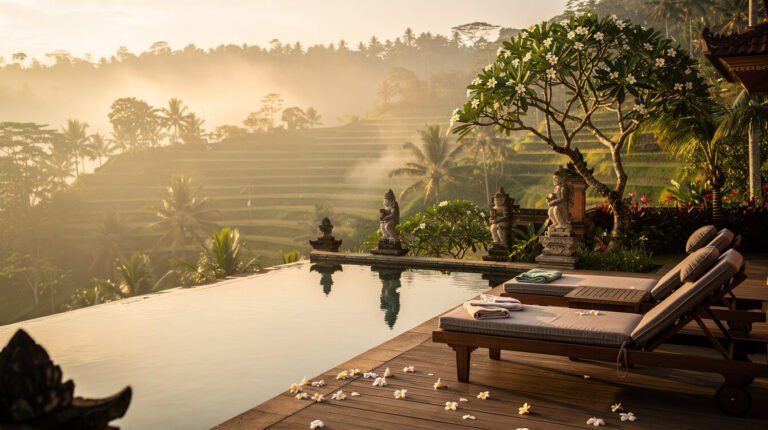
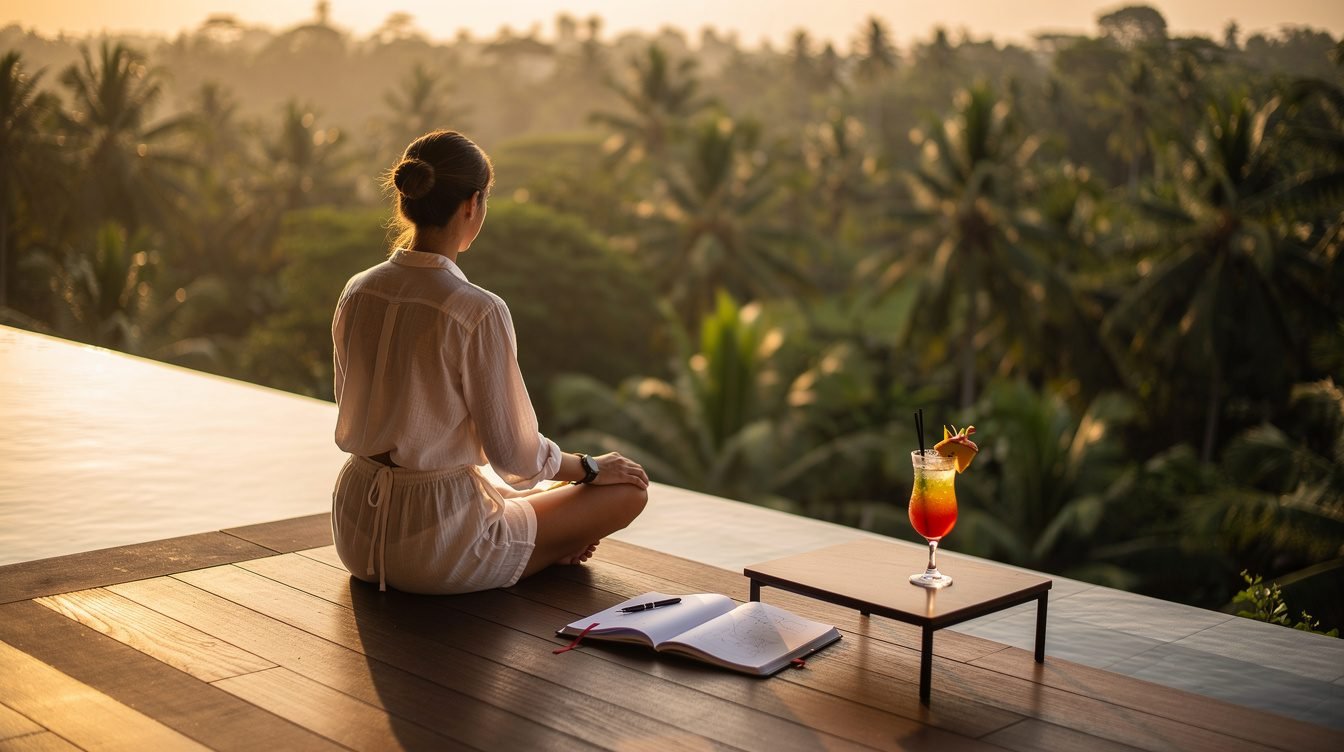
For travelers drawn to healing traditions and spiritual practice, the private villa model offers something no retreat center can: your own pace. No group schedule. No forced sharing circles. Just a quiet garden, a pool, a chef who makes you whatever you need, and a villa manager who can arrange any healer, teacher, or practitioner to come to you. Design the retreat. Don’t submit to someone else’s.
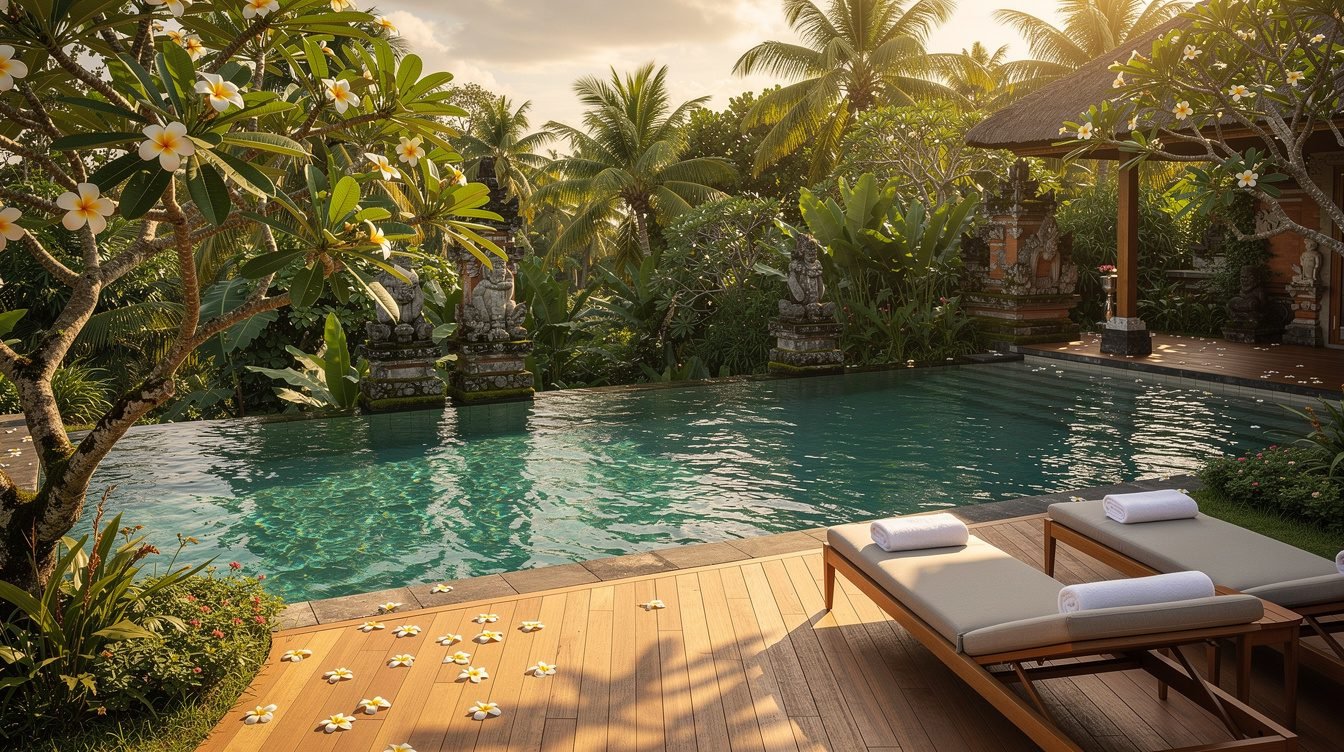
Experience Bali from a Staffed Villa in Ubud
Three bedrooms, private pool, full staff — chef, manager, housekeeper, gardener. Everything on this page, arranged for you.
Beaches, Islands, and Ocean Days
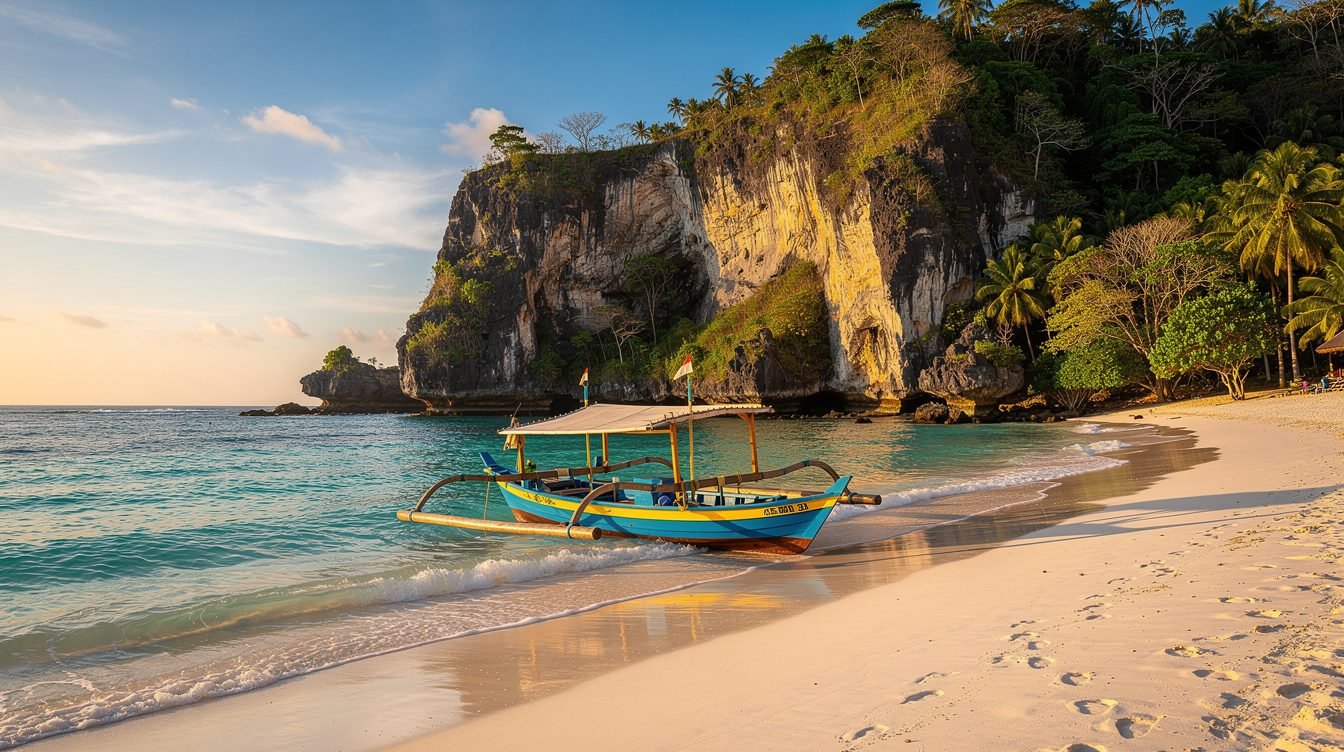
Bali’s beaches aren’t one thing. The island’s coastline ranges from white sand to volcanic black, from gentle lagoons to world-class surf breaks. The experience changes completely depending on which shore you choose.
South Bali beaches:
- Uluwatu / Padang Padang — dramatic limestone cliffs with hidden coves below. The surfing is serious here (Pipeline of the East). Even if you don’t surf, the clifftop views and beach clubs (Single Fin, Ulu Cliffhouse) are worth the drive.
- Nusa Dua — calm, turquoise, family-friendly. The lagoons are protected by offshore reefs, so the water stays gentle.
- Seminyak / Canggu — the social beaches. Beach clubs (Potato Head, La Brisa), surf breaks, sunset cocktails. Canggu has evolved into Bali’s digital nomad capital.
The Nusa Islands:
- Nusa Penida — the big one. Kelingking Beach (the T-Rex cliff), Angel’s Billabong, Broken Beach, and manta ray snorkeling. Day trips run from Sanur. If you have time, stay overnight — the island deserves more than a speed tour.
- Nusa Lembongan — smaller, more relaxed. Mangrove forests, seaweed farms, Devil’s Tear blowhole. Easy day trip or a 2-night escape.
East and North Bali:
- Amed — black volcanic sand, excellent snorkeling and freediving, quiet fishing village atmosphere. The drive from Ubud passes through some of the island’s most striking landscape.
- Lovina — north coast, famous for dolphin-watching boat trips at sunrise. Black sand beaches, much quieter than the south.
A common rhythm for visitors based in Ubud: spend most of your days in the cultural interior, then take 1-2 beach days toward the end of your trip. Your villa team can arrange the driver, pack the sunscreen, and make sure you’re heading to the right beach for what you actually want — surf, snorkel, swim, or just sit.
Frequently Asked Questions About Things to Do in Bali
How many days do I need in Bali to see the highlights?
Seven days gives you a solid experience — enough for temples, rice terraces, a waterfall day, food exploration, a beach trip, and a wellness experience. Ten days is better. Two weeks lets you settle into a rhythm that reveals the Bali most visitors miss entirely. If you only have four or five days, focus on one area (Ubud, ideally) rather than trying to cover the whole island. Depth beats breadth here.
What are the best things to do in Bali for couples?
A sunrise trek to Mount Batur followed by breakfast with caldera views. A private chef dinner on a pool deck in Ubud. Couples spa treatments using traditional Balinese techniques. The honeymoon experience in Ubud — waterfalls, Tegallalang at dawn, Legong dance, cooking classes — is among the most romantic travel experiences in Southeast Asia.
Is Bali good for families with children?
Exceptional. Balinese culture is deeply family-oriented — children are celebrated, welcomed everywhere, and most activities are family-friendly. The Sacred Monkey Forest is a hit with kids. Rafting on the Ayung River works from age 7+. The beaches at Nusa Dua are gentle and safe. And staying in a private villa with full staff means you have a chef who can make chicken nuggets at 5 PM and a pool that’s exclusively yours.
What’s the best time of year to visit Bali?
Dry season (April through October) brings consistent sunshine and lower humidity. July-August and Christmas/New Year are peak tourist season — everything is busier and pricier. The shoulder months (April-May and September-October) offer the best balance: dry weather, fewer crowds, better rates. Rainy season (November through March) means afternoon downpours, but mornings are usually clear and the landscape turns impossibly green. Check our complete Bali travel guide for detailed season-by-season planning.
Should I stay in Ubud or on the beach?
Both have their appeal, but we’d argue for Ubud as your primary base. The cultural density — temples every few hundred meters, rice terraces, traditional dance, the food scene, the wellness infrastructure — makes every day feel rich without effort. Beach days are easy to arrange from Ubud (the coast is 60-90 minutes south). The reverse — trying to access Ubud’s cultural experiences from a beach hotel — is harder and less rewarding. Our guide to Ubud villas with private pool covers why a staffed villa in Ubud gives you the best of both worlds.
How do I get around Bali?
Hire a private driver for day trips (your villa team can arrange one — expect $40-60/day including fuel). For getting around Ubud, walk or rent a scooter (if you’re experienced with motorbikes). Ride-hailing apps (Grab, Gojek) work in most areas but are technically banned from some tourist zones. Public transport is essentially non-existent for tourists. A private driver changes everything — they know the roads, the shortcuts, the best times to avoid traffic on the narrow south Bali highways.
What should I pack?
Light, breathable clothing. A sarong for temple visits (though your villa will likely have extras). Good walking shoes for waterfalls and treks. Reef-safe sunscreen. A rain jacket if visiting during wet season. And far less than you think — Bali has everything you might forget. Read our complete packing guide for the full list, written from a villa team’s perspective on what guests actually need (and what they can skip).
Join Our Newsletter — Fun, New, Exciting Bali News
Real stories from Ubud, seasonal travel tips, and the kind of Bali intel you won’t find in guidebooks. Delivered with warmth, never spam.