February Weather in Bali: Warm Rain, Green Fields and an Honest Ubud Guide
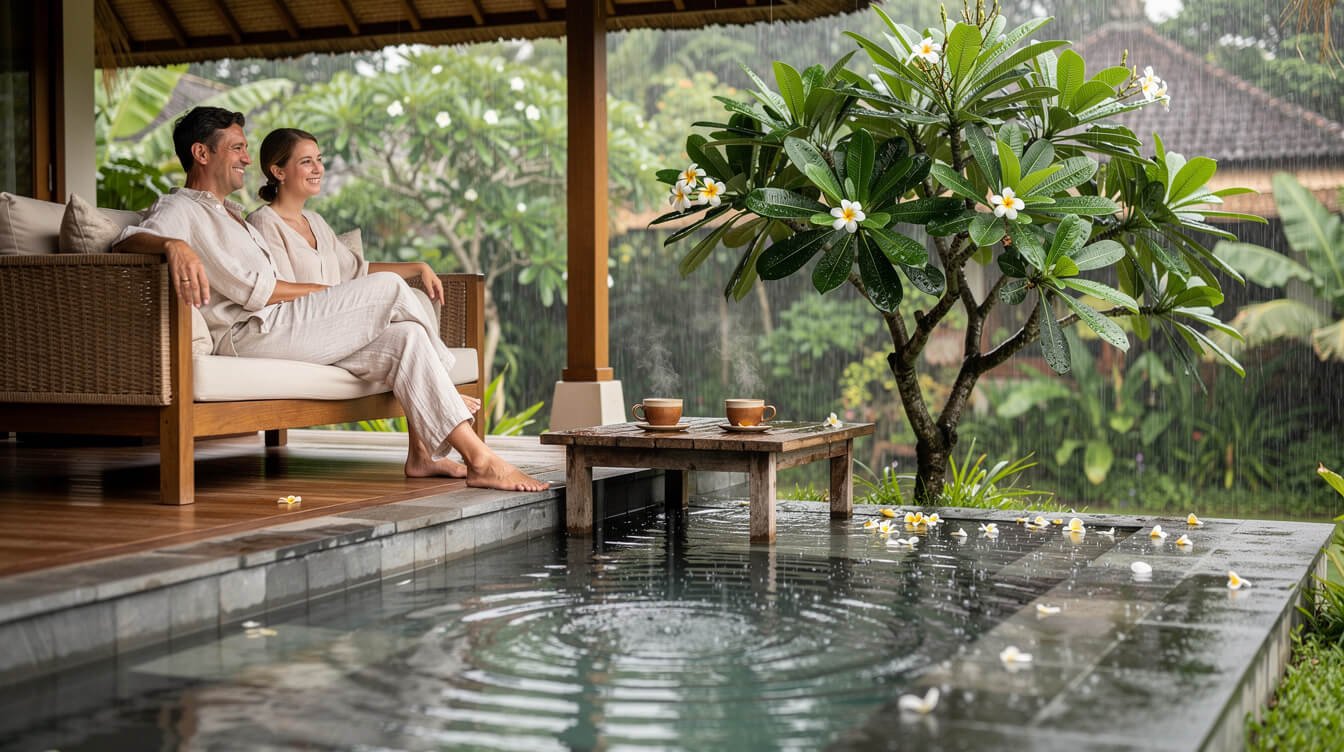
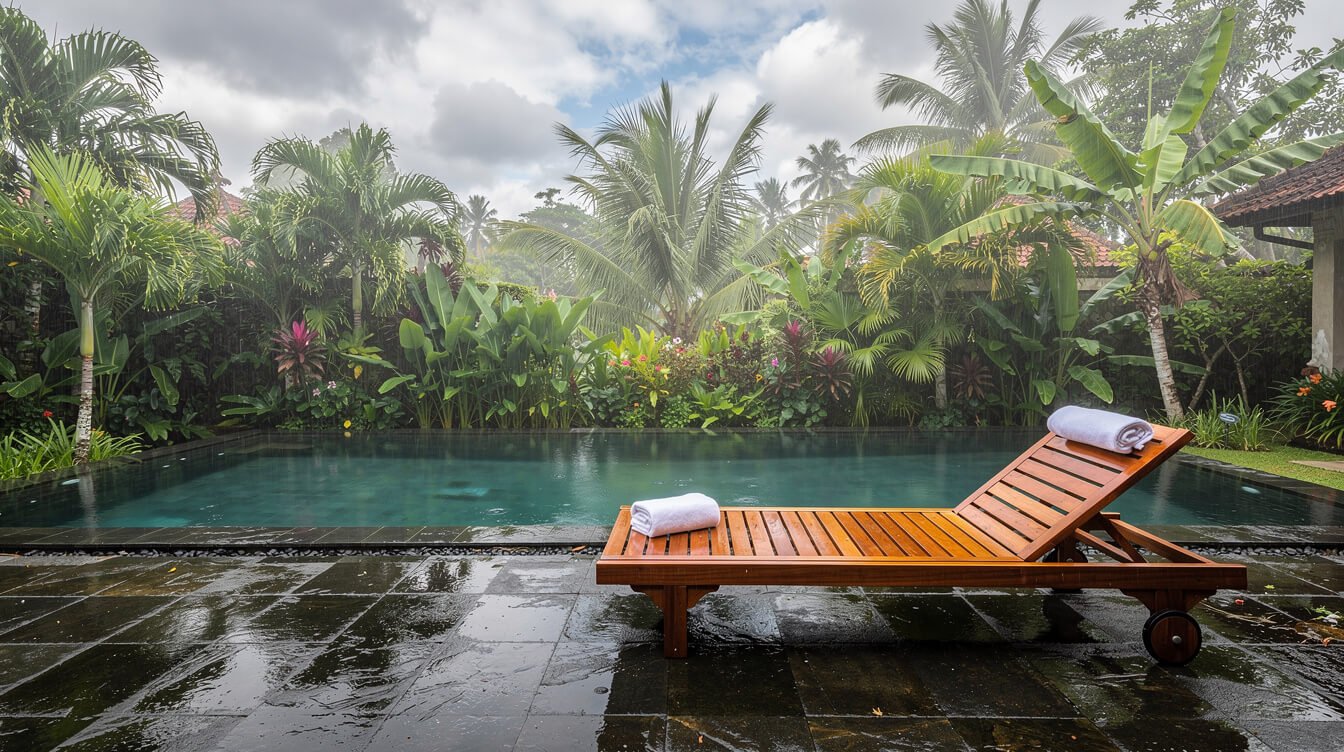
It’s four o’clock on a February afternoon in Ubud, and you can hear the rain before you see it. It moves across the rice fields like a soft wall, flattening the young green shoots, drumming on the alang-alang roof of the bale, then arriving all at once on the pool. Inside the villa, someone has already put the kettle on. An hour later the sky is washed clean, the frogs start up in the paddies, and steam rises off the warm stone of the garden path. That, in one afternoon, is February weather in Bali: warm, wet, wildly green, and far gentler on the soul than the word “monsoon” suggests.
Most guides to Bali in February are written from a desk in London or a beach club in Seminyak. This one comes from the team at a staffed villa in the rice fields outside Ubud, where February means planting season, fruit stalls piled with mangosteen, and long afternoons on a covered terrace with a book. Below you’ll find honest weather numbers, who February suits (and who should wait), what Ubud actually feels like, what to eat, the 2027 festival calendar, how to get around safely in the rain, and exactly what to pack.
February Weather in Bali at a Glance
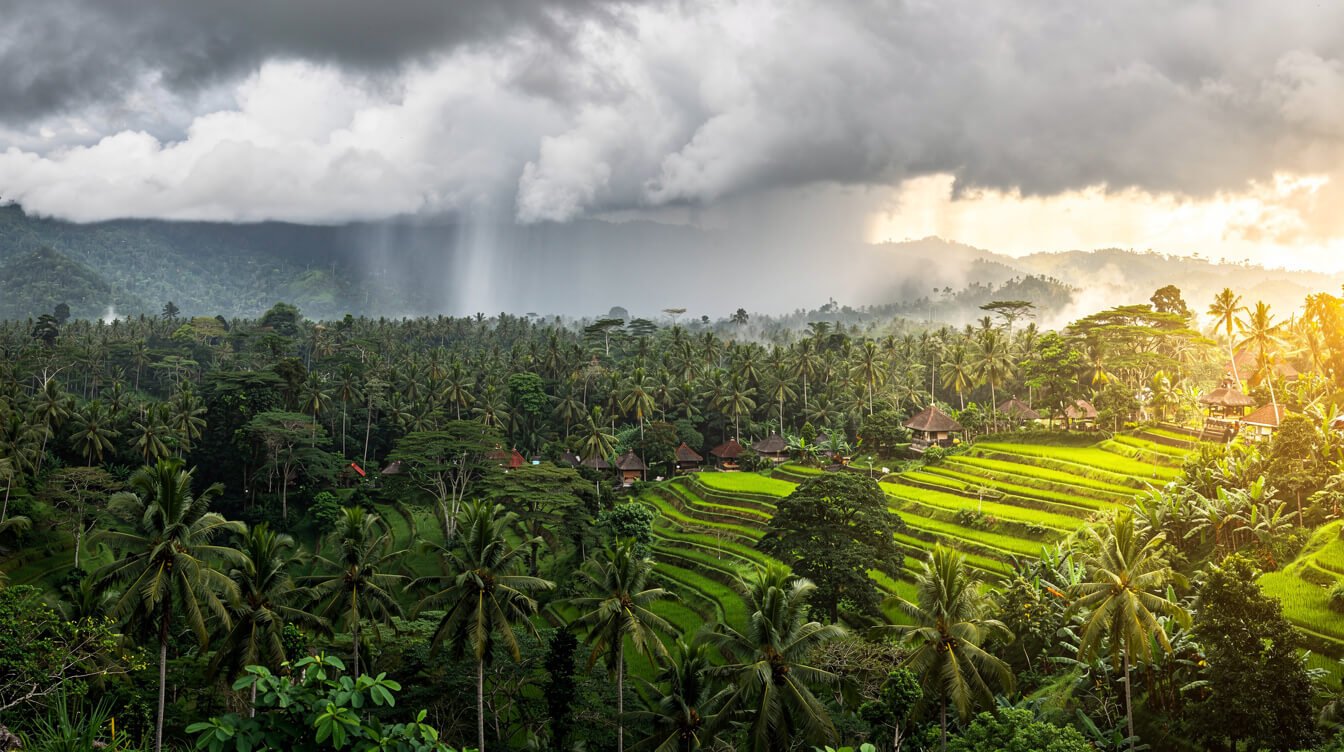
February sits deep in Bali’s wet season, which broadly runs from November to March. Northwest monsoon winds carry moist air across the Java Sea, and the island answers with heat, humidity and big afternoon storms. One honest caveat first: different weather services measure at different stations over different years, so you’ll see published February numbers that disagree. Some travel sites badly understate the rain. Treat the figures below as ranges, not promises.
- Daytime temperatures: roughly 29–31°C (84–88°F) on the coast. Ubud usually runs a degree or two cooler during the day.
- Nights: around 23–24°C (73–75°F) by the sea. Ubud evenings feel fresher, especially after a storm has rolled through.
- Rainfall: February is still one of the wettest months of the year. Published monthly averages for the south of the island range from around 250 mm to well over 300 mm. Inland and upland areas, including Ubud, are often wetter still.
- Rainy days: sources count anywhere from about 15 to more than 20 days with some rain. Most are a heavy shower of an hour or three, not a day-long downpour.
- Humidity: high, typically 80–90%. Before a storm, the “feels like” temperature can push into the low to mid 30s°C.
- Daylight: about twelve and a half hours. Sunrise is a little after 6:15 AM and sunset around 6:40 PM.
- Sea temperature: warm, about 28–30°C. West and south coast seas can be rough and murky; the east coast is often calmer.
Ubud vs the coast in February
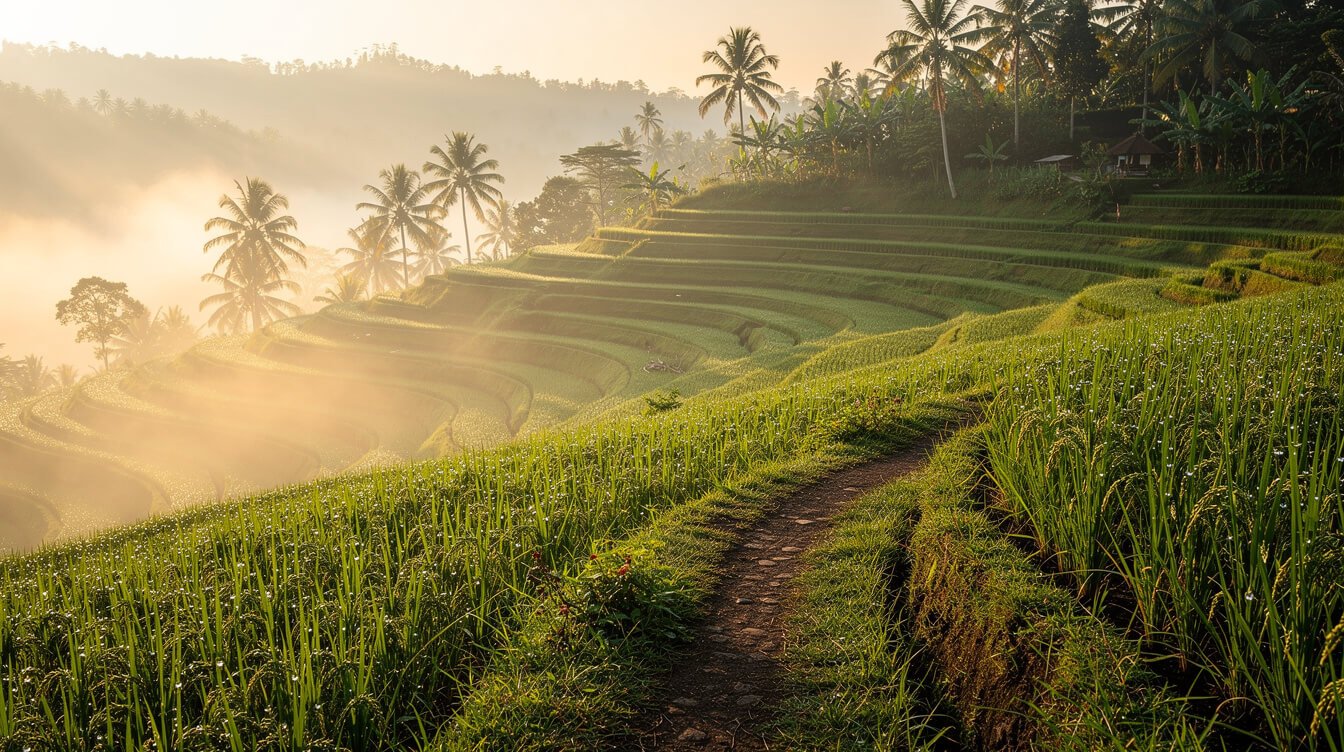
Ubud sits inland, in the foothills that climb toward Bali’s volcanoes. That rise in altitude pulls more moisture out of the clouds, so Ubud usually sees a little more rain than the southern beaches, and sometimes sees it earlier in the afternoon. In return you get softer air, cooler nights and a landscape at its absolute greenest. Down south, the Bukit Peninsula around Uluwatu tends to be the driest corner of the island, while Sanur and the east coast are usually the calmest places to swim.
How February rain actually behaves
The classic February day goes like this: a bright or hazy morning, clouds building over the hills around midday, and a warm, heavy shower in the afternoon or evening. Then the sky clears, and the evening smells of wet earth and frangipani. You’ll also get a few grey, drizzly days and the occasional night when it rains steadily until dawn. The rhythm is a little more forgiving than January’s, and as the month goes on you’ll often notice more sunshine between storms. Plan outings for the morning, keep afternoons loose, and you’ll lose very little. Our full guide to the Bali rainy season goes deeper on the pattern.
Is February a Good Time to Visit Bali? An Honest Answer
It depends on what you’re coming for. If your dream is ten straight days of blue sky and golden beaches, February will test you, and you’d be happier between May and September. But if you want Bali at its most alive, with room to breathe, February is quietly one of the most rewarding months of the year.
The Christmas and New Year rush is over. Apart from a busy stretch around Chinese New Year, visitor numbers dip, roads are calmer, and you’ll often have a temple courtyard or a rice terrace path largely to yourself in the early morning. Rates across the island also tend to soften in the low season, though that varies by property and by week. For a sense of how costs move through the year, see our guide to Bali travel prices.
Who February suits
- Couples and honeymooners who want privacy, long dinners and rainy afternoons with nowhere to be. Our honeymoon villa guide for Ubud has ideas for building a trip around that.
- Wellness travelers booking yoga, spa days, meditation or a quiet reset. The rain fits the mood perfectly.
- Food lovers, because February is deep in tropical fruit season.
- Photographers chasing mist, drama in the sky and the most saturated greens of the year.
- Remote workers and slow travelers settling in for weeks, not days.
Who might prefer another month
If you’re set on climbing Mount Batur for a clear sunrise, diving the Nusa islands in calm water, surfing Bali’s famous west coast, or spending most of each day on a beach, the dry season will serve you better. Families with small children can absolutely enjoy February, but should plan for more indoor time and keep each day’s outings short. Our guide to the best time to travel to Bali compares the seasons side by side.
The local secret: let the rain set your schedule
Here’s what most February guides leave out. The rain is far more predictable than visitors expect. Head out by 7:30 AM and you’ll usually have four or five clear hours for temples, walks or a waterfall. Come home for lunch, then let the afternoon storm be the show. Swim in the warm rain. Book a massage. Nap. By evening the air is cool and the frogs are singing. Stop fighting the weather and February becomes one of the most restful months you’ll ever spend anywhere.
Get a free 3-day sample itinerary
Three unhurried days in Ubud, planned around the rhythm of the season: clear mornings out, slow afternoons in, and the places our team actually loves. Pop in your email and we’ll send it over.
Ubud in February: Planting Season and Rain on the Roof
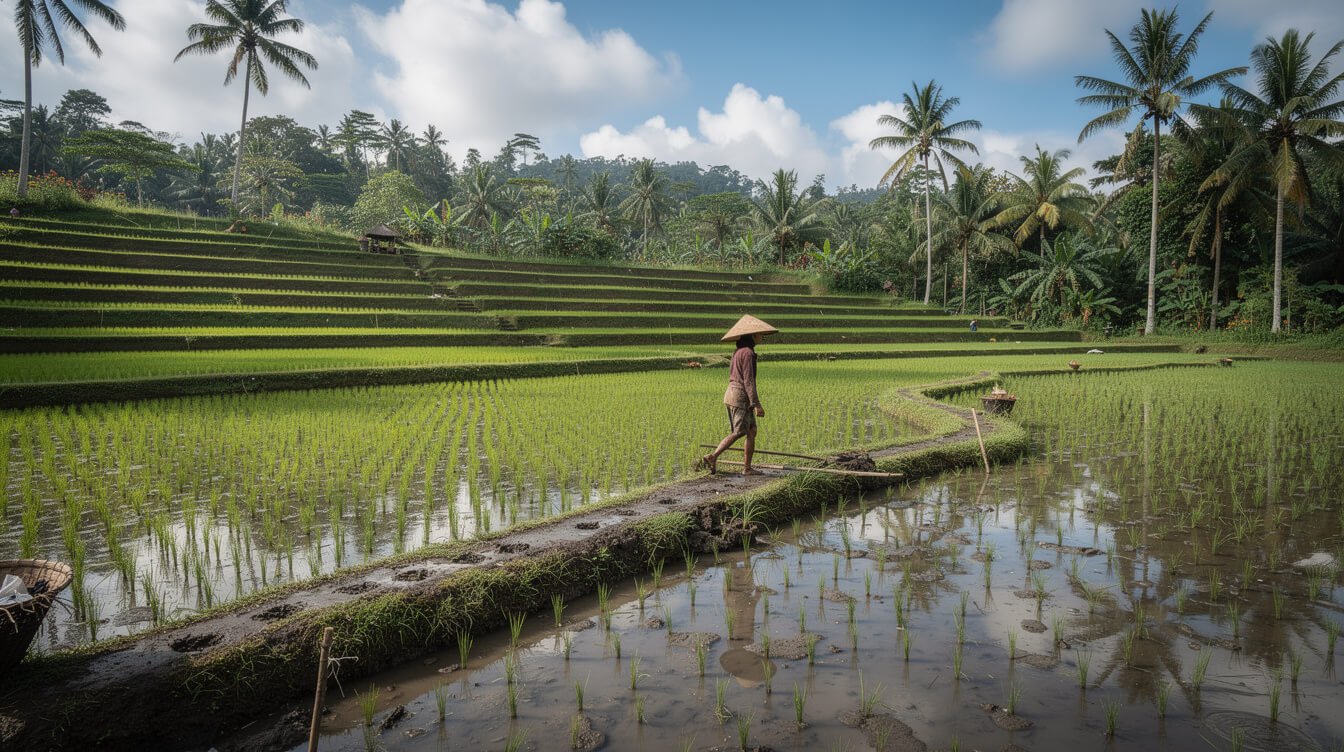
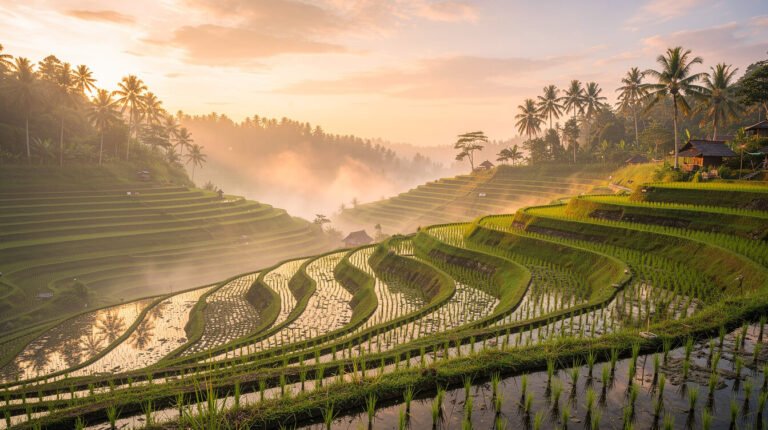
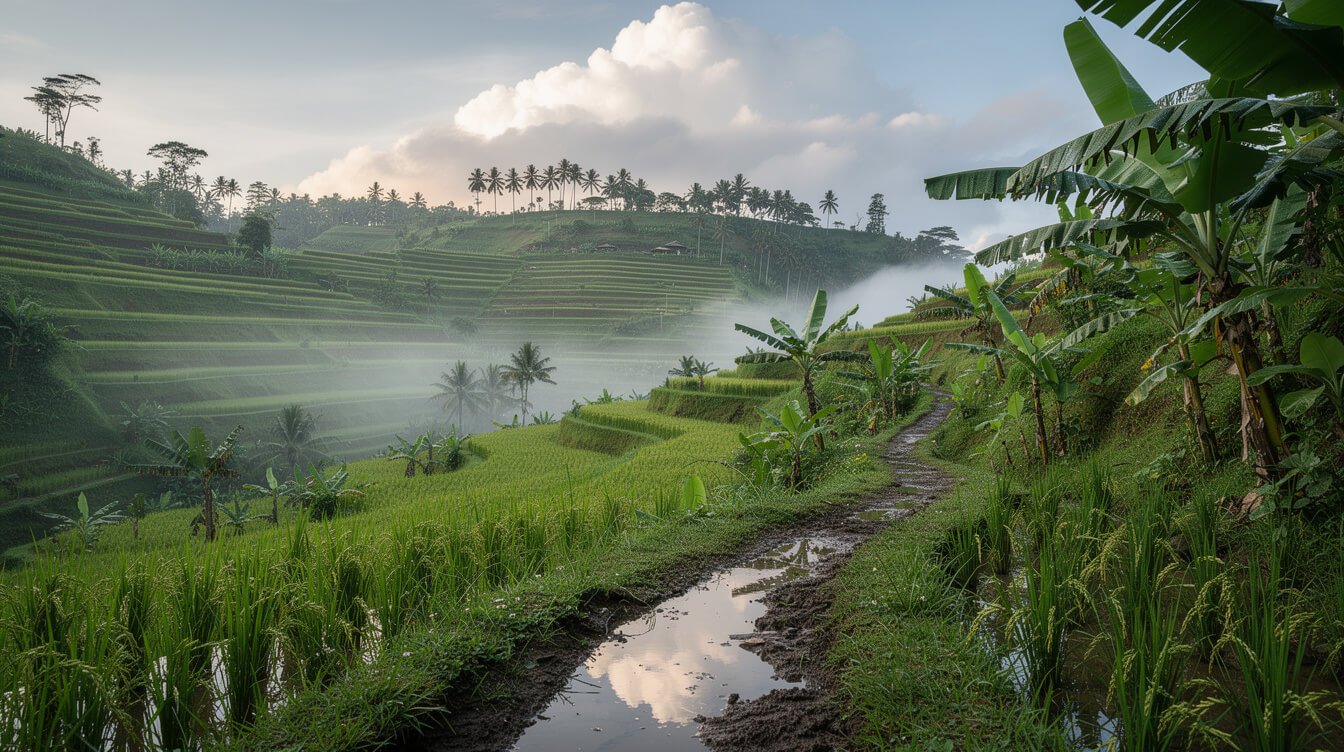
If you only know Ubud from dry-season photos, February will surprise you. The whole valley turns a green so deep it almost hums. The rice fields are flooded mirrors or carpets of new shoots, depending on where each farmer is in the cycle, and the water channels of the subak, Bali’s thousand-year-old cooperative irrigation system, run full and fast. You’ll see farmers knee-deep in mud, transplanting seedlings by hand, and white egrets stepping carefully behind them.
A February morning at the villa
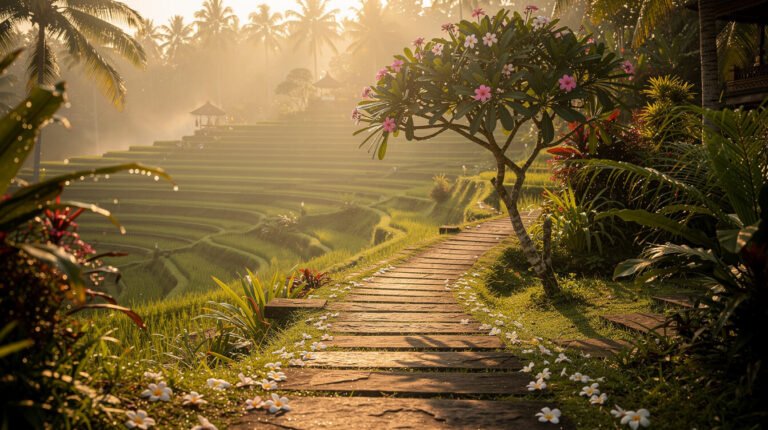
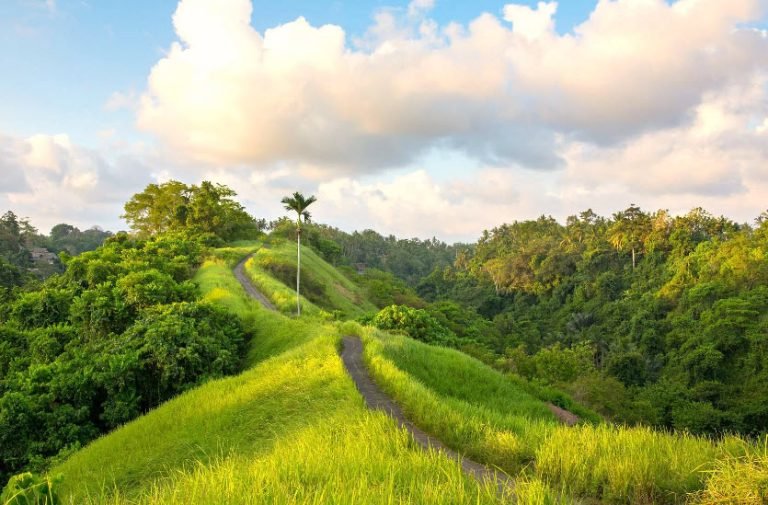
The best hours are early. Mist lies in the river gorges, the air is cool, and the light is soft and silver. This is the time for a rice field walk before breakfast, or the Campuhan Ridge path before the heat builds. Back at the villa, the chef might have black rice pudding with coconut milk waiting, or a plate of fruit picked up at the village market that morning. By midday the clouds stack up over the hills. You have time for a swim and lunch before the first rumble of thunder.
Waterfalls, rivers and temples in the wet
Ubud’s waterfalls are at their most powerful in February: loud, wide and often milky brown with runoff. That makes them spectacular to look at, but not always safe to swim in, and some close their lower pools after heavy rain. Go in the morning, check with your driver or villa manager, and treat any closure as final. Our Ubud waterfall guide covers which ones handle the wet season best. Rafting on the Ayung River is often more exciting at this time of year, but operators will pause trips when the water is too high, which is exactly what you want them to do.
Temples are beautiful in soft rain, with moss on the stone and incense hanging in the damp air. A visit to the holy springs at Tirta Empul on a quiet February morning can feel very different from the crowded summer version.
Rainy afternoon rituals
This is where February in Ubud really shines. Book a traditional massage or flower bath in the villa or at a local spa (our guide to traditional spa in Ubud has favorites). Take a Balinese cooking class under a covered kitchen roof. Drop into a yoga class at one of Ubud’s open-sided studios and listen to the rain on the roof during savasana. Or simply sit on the terrace with a cup of Bali coffee and watch the storm move across the valley. It never gets old.
February Flavors: Fruit Season and the Villa Kitchen
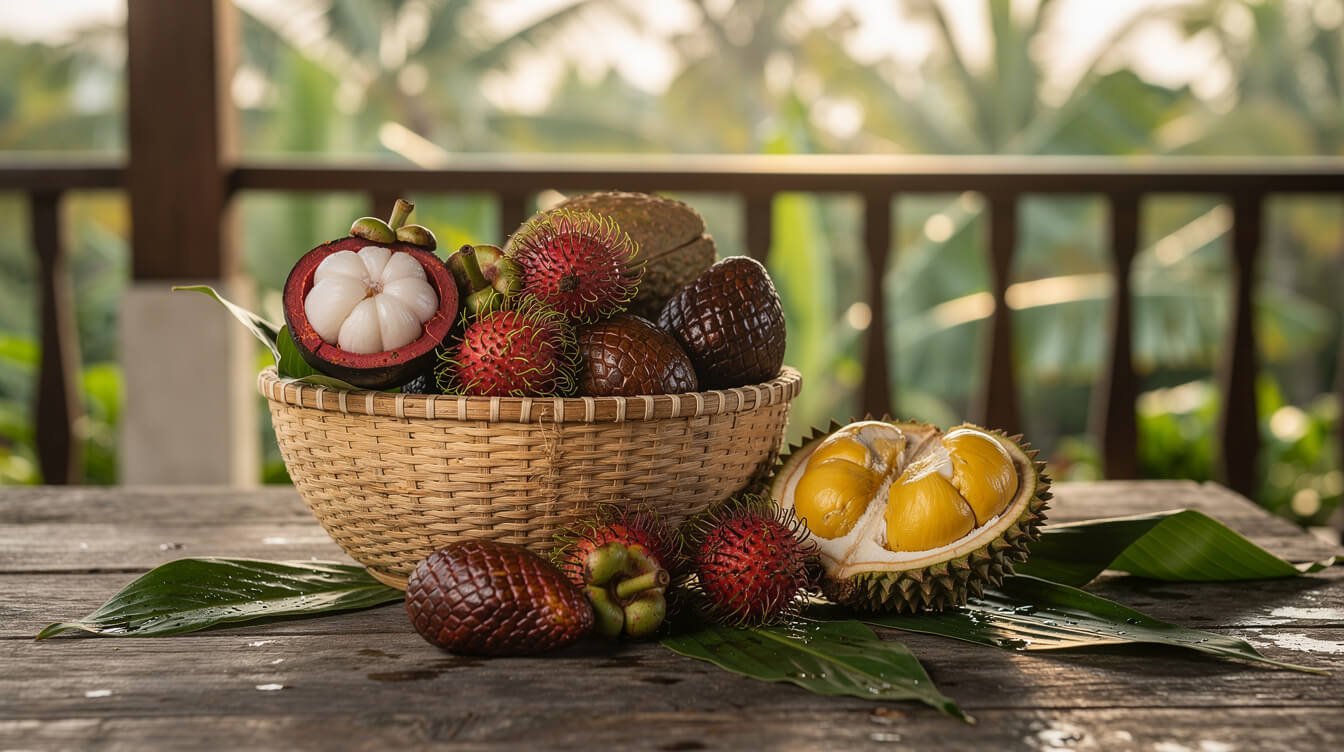
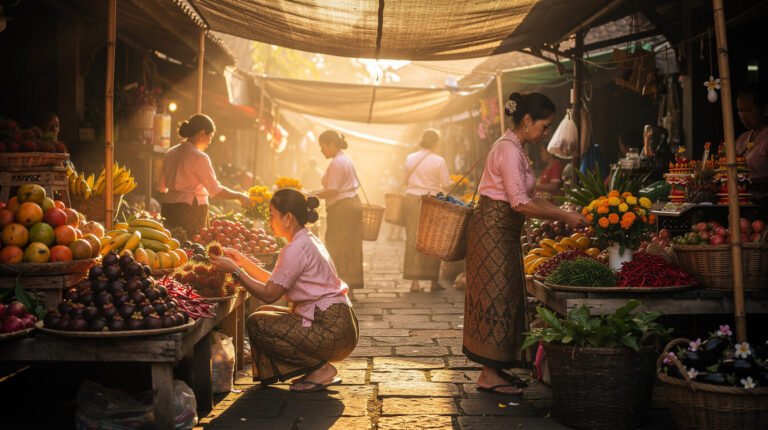
The wet season is fruit season, and February is one of its sweetest months. Walk through any Ubud market and the stalls are heaped with color. Exact timing shifts from year to year with the rains, but these are the fruits you’re most likely to find:
- Mangosteen (manggis): deep purple shells around snow-white, sweet-sour segments. Often called the queen of fruits, and with good reason.
- Rambutan: red and hairy outside, juicy and lychee-like inside. Kids and adults peel them by the bagful.
- Durian: the famous king of fruits, with a smell people either love or flee. Bali’s durian season usually runs through the early months of the year. Try it once, outdoors.
- Salak (snake fruit): scaly brown skin, crunchy, sweet and slightly astringent. Available most of the year, but a classic market snack.
- Jackfruit, papaya, passion fruit and bananas: everyday staples that taste nothing like the export versions back home.
What the wet season does to the menu
Rain changes how Balinese families cook and eat. Expect more soups and warming dishes: be siap (chicken) simmered with lemongrass and galangal, sayur urab made with whatever greens are thriving, and steaming bowls of bubur on cool mornings. When the rain sets in for the evening, a private chef becomes the most valuable person on the island. Instead of chasing a restaurant through flooded lanes, dinner simply appears on your table. If you’re curious how that works, our guide to a villa with a chef in Bali explains it, and our Ubud restaurant guide lists the places worth a dry evening out.
A small tip from the kitchen: ask to visit the morning market with your chef. February is when you’ll see the full abundance of the island’s farms, and you’ll come home knowing exactly what went into lunch.
Chinese New Year, Valentine’s and the Balinese Calendar in February
February is a quieter month on Bali’s ceremonial calendar than January, but it’s far from empty. Here’s what to know for a February 2027 trip. As always in Bali, local ceremony dates can shift, so confirm closer to the time.
Chinese New Year (Imlek): around 6 February 2027
Chinese New Year is a national public holiday in Indonesia, and in 2027 it falls on Saturday, 6 February, welcoming the Year of the Goat. Bali has a long-established Chinese-Balinese community, and you’ll see red lanterns outside shophouses and celebrations at Chinese temples, the klenteng, in Denpasar, Kuta and Singaraja. For travelers, the bigger effect is crowds. The holiday brings a surge of visitors from around Asia and from elsewhere in Indonesia, so flights, rental cars and popular hotels get busier and pricier in the week around it. If you want February at its quietest, aim for the second half of the month.
Valentine’s Day on the island of the gods
Valentine’s Day isn’t a Balinese tradition, but Bali takes it in stride, and restaurants and spas often run special evenings. Honestly, the most romantic version doesn’t need a booking: a candlelit dinner on your own terrace while the rain falls on the garden. Our list of romantic things to do in Ubud has more ideas.
Full moon ceremonies
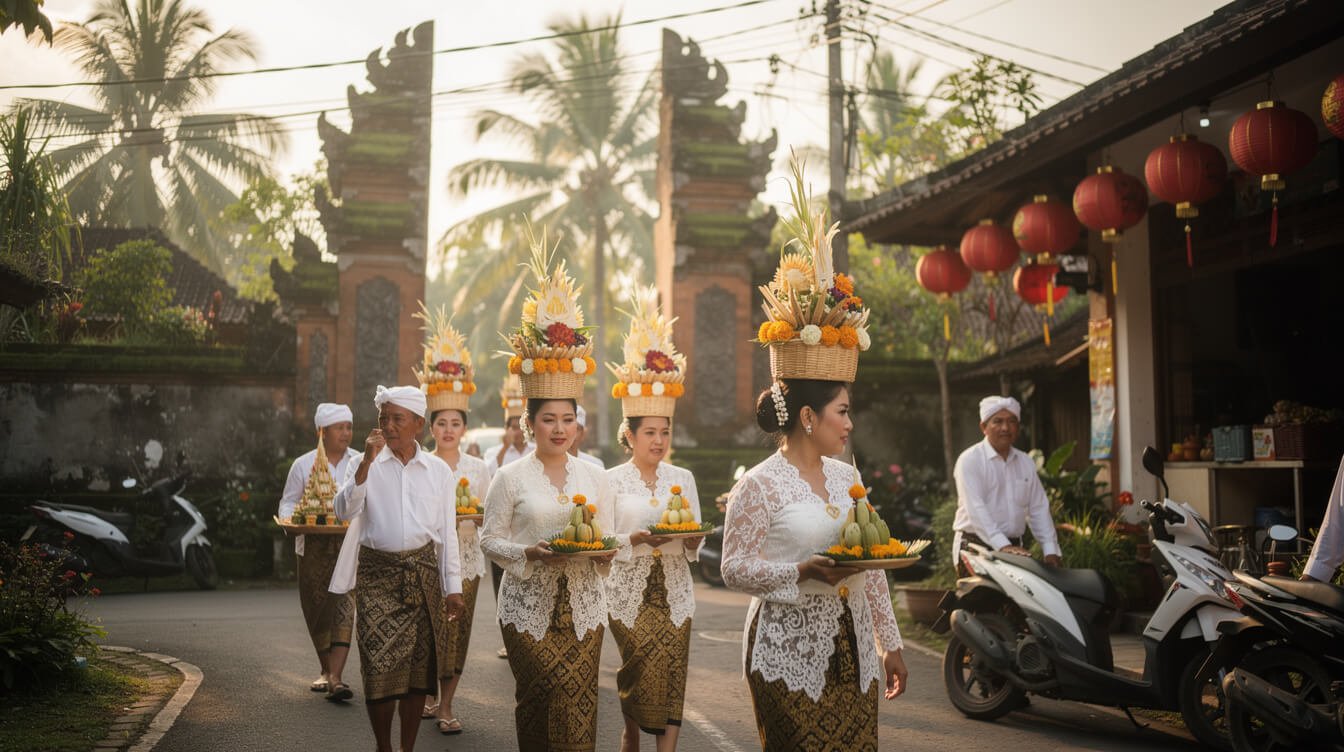
Many Balinese temples hold their anniversary ceremony, the odalan, on the full moon (purnama). In February 2027 the full moon falls around the 20th. You may come across a village temple dressed in yellow and white cloth, with gamelan drifting out over the fields and families arriving with tall towers of fruit and flowers on their heads. If you’re invited in, wear a sarong and sash, keep your shoulders covered, and follow your host’s lead.
The road to Nyepi
Nyepi, Bali’s Day of Silence, is expected on Monday, 8 March 2027. In the weeks before it, you’ll see young men in every banjar (village community hall) building ogoh-ogoh, the huge papier-mâché demon figures paraded through the streets on the eve of Nyepi. A late-February evening walk past a banjar, with music playing and sculptures half-painted, is a wonderful glimpse of village life. If your trip runs into early March, read our Nyepi Day guide first: the whole island, including the airport, shuts down for 24 hours.
A quick note on January’s festivals
Galungan and Kuningan, two of the most important festivals of the Balinese year, are expected in mid-to-late January 2027. If you arrive in early February, you’ll often still see the tall, curved bamboo penjor lining the village roads. Our Galungan guide explains what they mean.
Book the Villa
Three bedrooms, a private pool for swimming in warm rain, a covered terrace for watching the storms roll in, and a team who keeps the kettle on and dinner on the table. Check February availability at Villa Amrita.
Where to Go and How to Get Around in February

Wet-season Bali rewards a little local knowledge. Some corners of the island handle February beautifully. Others are better saved for the dry months.
Where February works well
- Ubud and the central highlands for culture, rice fields, food, wellness and the greenest landscapes of the year.
- The east coast, including Sanur, Amed and the Sidemen valley. In the wet season the prevailing winds favor this side of the island, so the sea is often calmer and the surf at east-coast breaks can be good. A Sanur beach day trip from Ubud is an easy, gentle outing.
- The Bukit Peninsula around Uluwatu, often the driest part of Bali. Pair a cliff-top temple with a late lunch, as in our guide to Pura Luhur Uluwatu.
What to approach with care
- Kuta, Legian and Seminyak beaches. During the wet season, westerly winds and swollen rivers can wash large amounts of plastic and debris onto these beaches. Cleanup crews work hard, but some mornings it’s grim. The west coast surf is also often messy now.
- Mount Batur sunrise. It still runs, but summit views are frequently hidden by cloud and the trail can be slippery. Keep it flexible. Our Mount Batur sunrise guide explains how to judge the forecast.
- Boat crossings to Nusa Penida. Fast boats can be rough and are sometimes cancelled in bad weather. If you go, pick a calm-looking morning and leave a buffer day before your flight. See our Nusa Penida day trip guide.
Getting around safely
February is not the month to learn to ride a scooter. Roads get slick, potholes hide under puddles, and heavy downpours can briefly flood parts of the south, especially low-lying streets around Kuta and Denpasar. A private driver is the calmest way to travel: they know which roads flood, when to set off, and when to wait out a storm. Build extra time into airport transfers, especially in the late afternoon.
Health in the wet season
Mosquitoes breed in standing water, and dengue cases in Indonesia tend to rise in the rainy months. Use repellent morning and evening, especially at dawn and dusk, and wear light long sleeves after dark. Drink bottled or filtered water, wash fruit you buy at the market, and keep any small cuts clean and dry, since wounds heal more slowly in the humidity. Talk to your doctor or a travel clinic before you go about vaccinations and any personal health concerns.
What to Pack for Bali in February

Packing for February is about staying cool, dry enough, and respectful at temples. Leave heavy denim and anything that takes days to dry at home.
- A light, packable rain jacket or poncho. Umbrellas work in town, but a jacket is better on trails and at temples.
- Quick-dry, breathable clothing in linen, cotton or technical fabric. Things will feel damp in the humidity, so bring a few more tops than you think.
- Sandals with grip, plus a pair of light shoes you don’t mind getting muddy. Smooth soles and wet temple stone are a bad combination.
- A sarong and sash for temple visits. Many temples lend them, but your own is nicer and doubles as a beach wrap.
- Insect repellent with DEET or picaridin, plus after-bite cream.
- Sunscreen and a hat. Cloud cover is deceptive this close to the equator, and February mornings can be bright and strong.
- A small dry bag or zip-lock pouches for your phone, passport and cash on boat trips and waterfall walks.
- A light layer for cool Ubud evenings and over-air-conditioned cafés.
- Something to read. A rainy afternoon on a terrace deserves a good book.
For the full list, see our guide to what to pack for Bali. At a staffed villa you can skip a lot: towels, beach towels, toiletries and laundry are usually taken care of, so ask what’s provided before you overpack.
February Weather in Bali: Frequently Asked Questions
Does it rain all day in Bali in February?
Rarely. February brings frequent rain, but the usual pattern is a clear or hazy morning and a heavy shower of an hour or three in the afternoon or evening. A few days each month are grey and drizzly from start to finish, but most days have plenty of usable dry hours.
Is February the wettest month in Bali?
It’s one of the wettest, along with December and January. Depending on the source and the year, January is often slightly wetter, and the rain usually starts to ease through late February and March.
How hot is Bali in February?
Expect daytime highs of around 29–31°C (84–88°F) on the coast and a degree or two less in Ubud, with nights around 23–24°C. High humidity makes it feel warmer, especially just before a storm.
Can you swim in the sea in Bali in February?
Yes, the water is warm at around 28–30°C. The east coast, including Sanur, is usually the calmest choice. West and south coast beaches can have strong currents, rough surf and debris after storms, so always swim near lifeguard flags and check local conditions.
Is February a cheap time to visit Bali?
Often, yes. Outside the busy Chinese New Year week, February is low season, and many hotels, villas and tour operators soften their rates. Flights from some regions can also be better value. Prices vary a lot by property, so compare and book well ahead for the holiday week.
Is Ubud or the beach better in February?
For most travelers, Ubud. The rain suits its rhythm of temples, rice fields, food and wellness, and the landscape is at its most beautiful. If you want beach time too, add a few nights or a day trip to Uluwatu or Sanur rather than basing yourself on the west coast.
February or March: which is better?
March is usually a little drier and sunnier as the wet season winds down, but if your dates cross 8 March 2027, Nyepi will close the island for a day. February is greener and quieter outside Chinese New Year. Compare with our guides to Bali weather in January, Bali weather in December and Bali weather in July, or see the whole year in our month-by-month guide to Ubud.
Final Thoughts: February in Ubud Is Green, Slow and Generous
February weather in Bali is not for everyone. It’s warm, it’s humid, and it rains most afternoons. But for travelers who want the island at its most alive, it’s a gift: rice fields bright with new planting, markets heaped with mangosteen and rambutan, quiet temple mornings, and storms that turn an ordinary afternoon into something you’ll remember for years.
The secret is having a good place to come home to. A covered terrace to watch the rain from. A pool that’s still lovely when it’s pouring. A team who knows when to set off, which roads to avoid, and what to cook when the weather keeps everyone in. Do that, and February in Ubud stops being “rainy season” and becomes simply the green season. If that sounds like your kind of trip, we’d love to help you plan it.

Join our newsletter — fun, new, exciting Bali news
Seasonal notes from Ubud, ceremony days worth knowing about, and small stories from the garden and kitchen. Delivered now and then, always worth opening.