Ubud Bali: Your Complete Guide to the Cultural Heart of the Island
You’ll know you’ve arrived in Ubud, Bali before the car even stops. The air changes first — cooler than the coast, thick with the smell of clove cigarettes and frangipani, threaded with the tok-tok-tok of a wood carver’s mallet somewhere behind a garden wall. Ubud is Bali’s cultural heart, and it has been for decades, long before “wellness retreat” was a category anyone searched for. This guide is written by the team that actually lives here — the ones who wake up in this town every morning, not the ones who visited it for a week and wrote it up on the flight home.
We’re not going to give you a generic “top 10 things to do” list. You can find twenty of those already, and most of them read like they were written from the same three brochures. Instead, we want to tell you what Ubud actually feels like, day to day — the rhythm of it, the texture of it — and then get practical: what to do, where to eat, where the wellness side of town actually delivers, where to stay, when to come, and how to get here and around once you do.
What Ubud, Bali Actually Feels Like When You Arrive
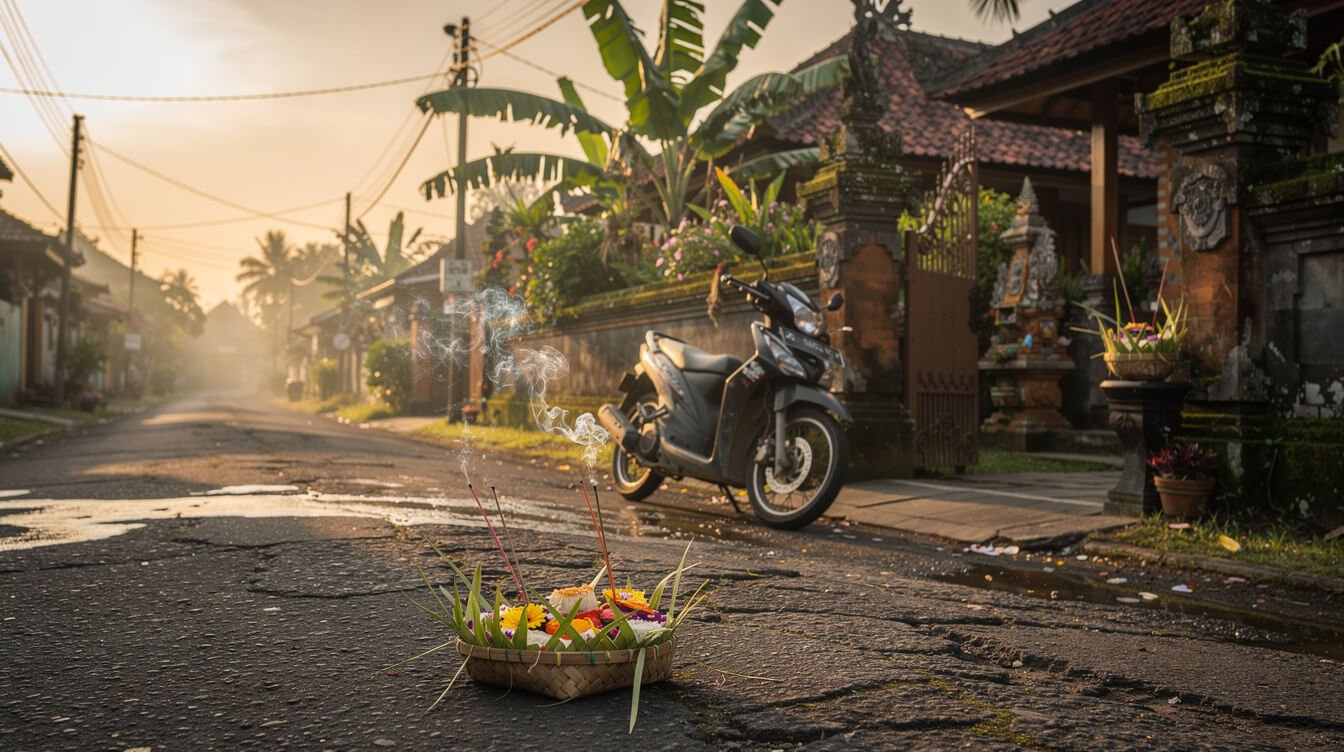
Most visitors expect Ubud to feel like a resort town. It doesn’t. Ubud is a working town first — rice farmers still flood their fields at dawn, offerings still get placed on doorsteps before the shops open, and the traffic on Jalan Raya still stops for temple processions without anyone honking. That friction between “living town” and “global wellness destination” is exactly what makes it interesting.
The center of Ubud — around the Royal Palace and the market — is dense, walkable, and genuinely busy by mid-morning. But you don’t have to stay in the center to feel the town. Most of Ubud’s magic happens in the quieter compounds a ten-minute drive out: rice-field paths, gamelan rehearsals drifting over garden walls at dusk, the particular grey-green light that shows up right before the afternoon rain arrives. If you’re staying at a private villa rather than a hotel block, you get a version of Ubud that’s closer to how the town actually lives — mornings that start with a gardener already at work, not a breakfast buffet line.
The pace is the point
Ubud rewards slowing down. The town’s best moments rarely happen on a schedule — the smell of a neighbor’s incense at 6am, the particular gold light over the rice terraces around 4:30pm, the sound of a gamelan rehearsal in Peliatan on a Tuesday night with no tourists in the room. Build slack into your days here. You’ll use it.
The architecture tells you something too
Look past the cafes and you’ll notice the compounds — walled family homes built around a shared courtyard, each with its own small temple. This is how Ubud has organized itself for generations, and it’s part of why the town absorbed tourism without fully dissolving into it: the family compound structure is durable in a way a hotel district isn’t. Many of the private villas around town, including staffed pool villas like ours, are built on the same compound logic — a walled garden, a central open living space, separate sleeping pavilions — just scaled and adapted for guests rather than an extended family. It’s worth noticing, because it’s the reason a villa stay in Ubud can feel architecturally authentic in a way a resort tower rarely does.
The Best Things to See and Do in Ubud, Bali
Ubud’s sights fall into a few honest categories: sacred sites, living landscape, art and craft, and wildlife. Here’s what’s actually worth your time, organized by what kind of morning or afternoon you’re looking for.
Temples and sacred sites
The Tirta Empul water temple is the one experience we’d put at the top of almost anyone’s list — the ritual purification bathing is open to respectful visitors, and it’s unlike anything else in Bali. Closer to town, the temples of Ubud itself are worth an unhurried half-day, and if you have time to go further afield, the lesser-known temples near Ubud are where you’ll get a quieter version of the same reverence, without the tour buses.
Rice terraces and the living landscape
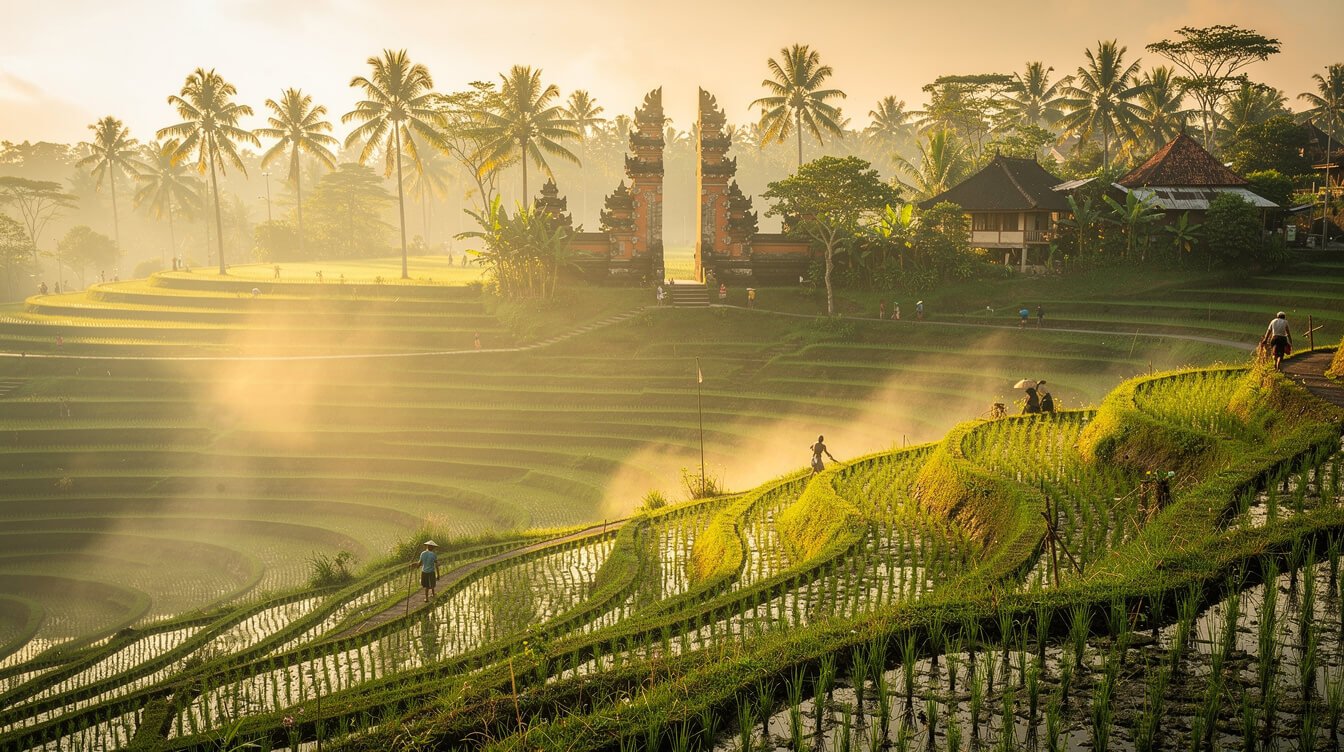
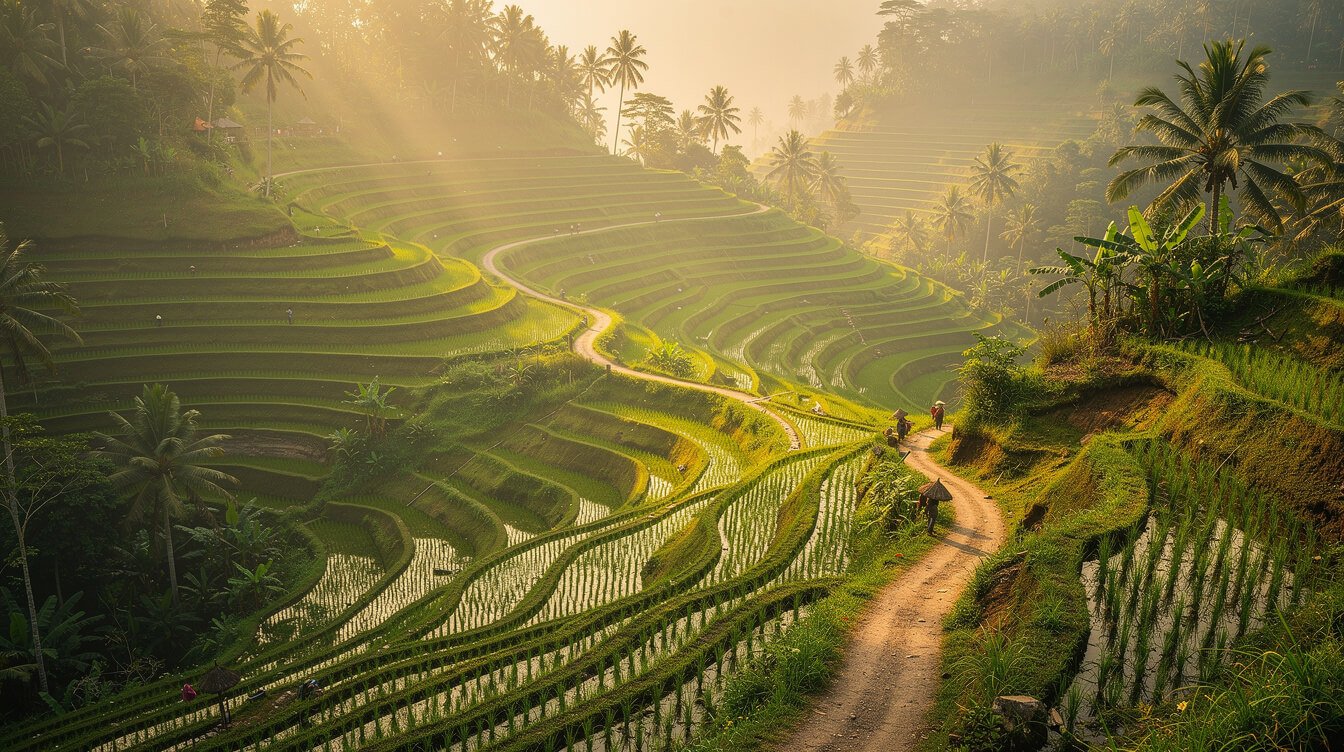
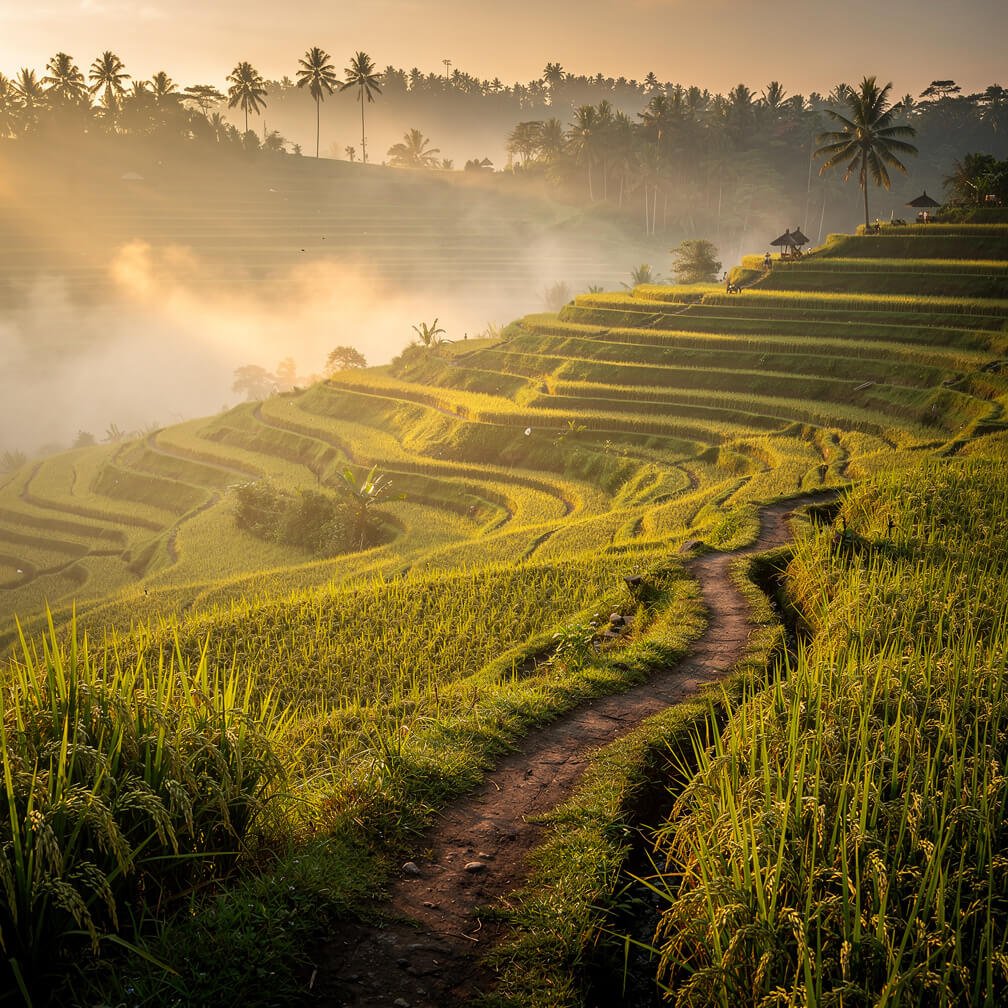
Everyone photographs Tegallalang, and it earns the attention, but it’s busiest by 10am. Go earlier, or take one of the rice field walking trails that loop through working paddies rather than the postcard viewpoint alone. This is Subak irrigation — a UNESCO-recognized, centuries-old cooperative water system — not landscaping. Treat it accordingly: stay on the paths, and consider a small donation if a farmer offers to guide you.
Waterfalls
Ubud isn’t short on waterfalls, but they vary wildly in crowd level and difficulty. Tegenungan is the closest and easiest, which also means the busiest. If you want something further and quieter, the full waterfall guide and the dedicated Ubud waterfall roundup break down which ones are worth the drive.
Markets and shopping
The Ubud Art Market is chaotic in the best way — go for the woodcarving, the textiles, the practiced haggling. Our own team does grocery runs at the local village market most mornings, and if shopping is a priority for your trip, the full Ubud shopping guide covers the art market, the boutiques, and where the actual artisans work versus where the resellers are.
Wildlife
The Sacred Monkey Forest is genuinely worth an hour, both for the nature reserve and the Pura Dalem Agung temple inside it — just secure your belongings and keep sunglasses out of reach.
Art and craft villages
Ubud sits at the center of a cluster of villages that each specialize in a single craft — a tradition that goes back generations and still holds. Mas is known for woodcarving, Celuk for silverwork, Batuan for its distinctive dense, dark painting style. You can visit workshops in any of them, watch the work happen, and buy directly from the maker rather than a resale shop. It’s a half-day well spent if you have any interest in Balinese craft traditions, and it’s a very different experience from the art market stalls in the town center — quieter, more workshop than retail.
Where to Eat in Ubud — From Warung to Fine Dining
Ubud’s food scene runs the full range, from a five-dollar warung plate that will genuinely be one of the best meals of your trip to internationally reviewed fine dining. Our full Ubud restaurant guide goes deep on where to actually eat in 2026, but the short version: don’t skip the warungs for the fine-dining rooms, do both.
Warung culture
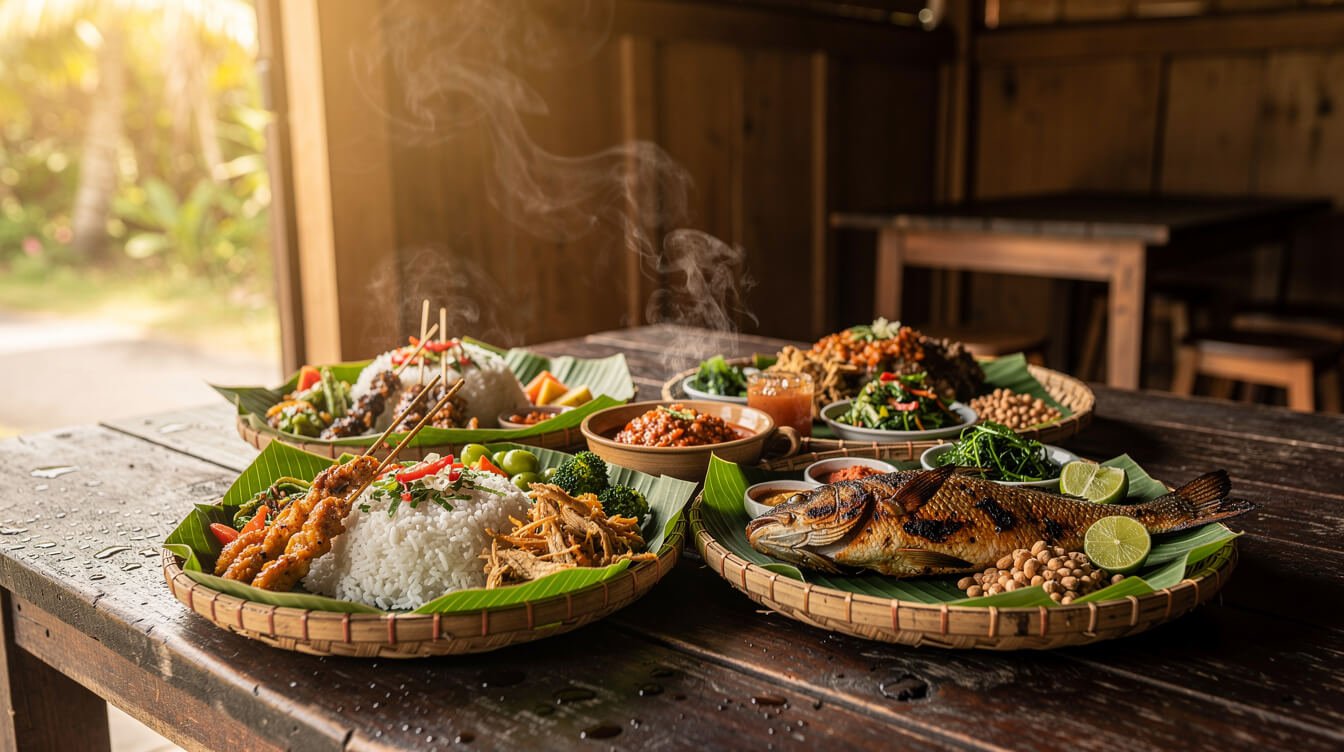
A warung is a small, family-run eatery, and Ubud has hundreds of good ones. Nasi campur — a plate built from whatever’s cooked that day — is the move. Our broader restaurant guide lists specific standouts, but honestly, the best strategy is to walk into whichever warung has the most locals eating lunch at 12:30pm.
Plant-based and dietary needs
Ubud has one of the best plant-based dining scenes in Southeast Asia — a legacy of its wellness-tourism history. The vegan restaurant guide covers the standouts, most of which do excellent work for non-vegans too.
Coffee and the slow-morning ritual
Bali grows its own coffee, and Ubud’s cafe culture takes it seriously — look for kopi Bali served the traditional way, coarsely ground and settled rather than filtered, alongside the more familiar third-wave pour-overs that have shown up in the last decade. Civet coffee (kopi luwak) tours are heavily marketed around town; most are more about the photo opportunity than the coffee, so treat them as entertainment rather than a culinary must-do. A slow coffee on a garden terrace, on the other hand, might end up being one of the more memorable hours of your trip — it’s worth resisting the urge to fill every morning with an activity.
Cooking classes
If you want to take a piece of Ubud’s kitchen home with you, a Balinese cooking class is worth the half-day, and there are several specific class options depending on how hands-on you want to get. If you’re staying with us, our chef will also walk you through the market and the kitchen if you ask — no class fee required, just curiosity.
In-villa dining
One thing a hotel simply can’t replicate: a chef who knows what’s fresh at the market that morning and builds your day’s meals around it. Guests who’ve stayed at a private chef villa in Ubud tend to say the same thing afterward — that eating well stopped being something they had to plan for.
Get a Free 3-Day Sample Itinerary
Tell us what kind of Ubud trip you’re picturing and we’ll send a sample 3-day itinerary built around your pace — slow mornings, temple runs, or somewhere in between.
The Wellness, Yoga, and Retreat Side of Ubud, Bali
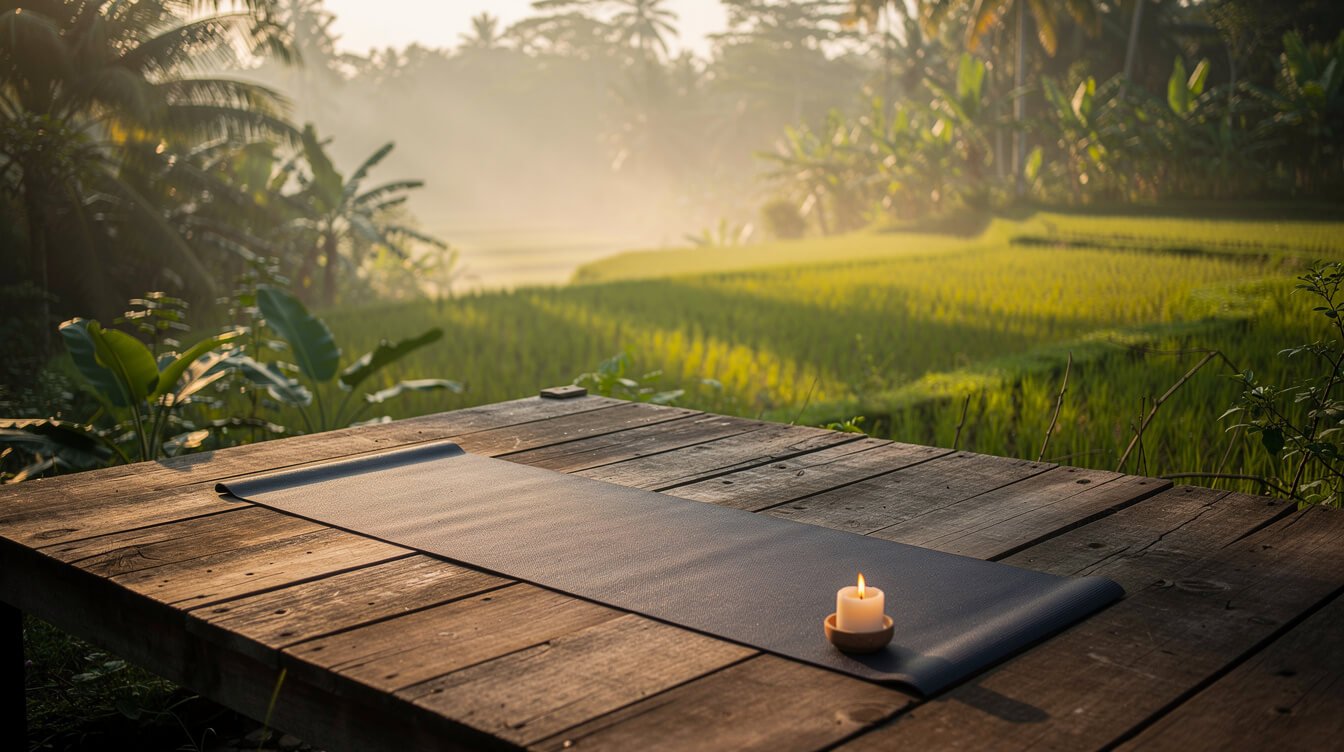
Ubud earned its wellness reputation before it was a marketing category — it’s been a destination for healers, yoga teachers, and quiet reinvention since well before Eat Pray Love put a name to it. That reputation still holds up, if you know where to look.
Yoga studios and classes
Ubud has one of the highest concentrations of serious yoga studios anywhere in Asia. The yoga studio guide covers the established names and the smaller, teacher-led spaces that don’t advertise much but are excellent.
Retreats and teacher training
If you’re considering something longer and more structured, our yoga retreat guide and Bali retreat overview walk through what a proper retreat week looks like, and our YTT guide covers program selection if you’re going deeper still. For groups running their own retreat, a private villa often works better than a shared retreat center — you get the group cohesion of shared meals without losing the privacy to actually rest between sessions. We’ve hosted several retreat groups exactly this way, and the women’s wellness retreat guide and solo traveller retreat guide both cover how that structure plays out for specific group types.
Spas and traditional healing
A traditional Balinese spa treatment is worth doing at least once, ideally from a practitioner who trained locally rather than a resort chain outpost. The Ubud spa guide and the broader wellness retreat guide both cover where that authenticity actually shows up versus where it’s staged. If sound healing interests you, the sound healing guide covers Ubud’s genuinely strong scene for it.
Silence and space, not just programming
It’s worth saying plainly: not every wellness trip needs a class schedule. Some of the most restorative Ubud stays we’ve seen have had almost nothing booked — a villa with a quiet garden, a pool nobody else is using, and enough unstructured time that the nervous system actually gets to downshift. If your version of wellness is closer to “do less” than “attend more,” Ubud accommodates that just as well as it does the retreat crowd. The infrastructure for stillness here — gardens, quiet compounds, a slower daily rhythm — doesn’t require a program fee to access.
Where to Stay in Ubud — And Why It Matters
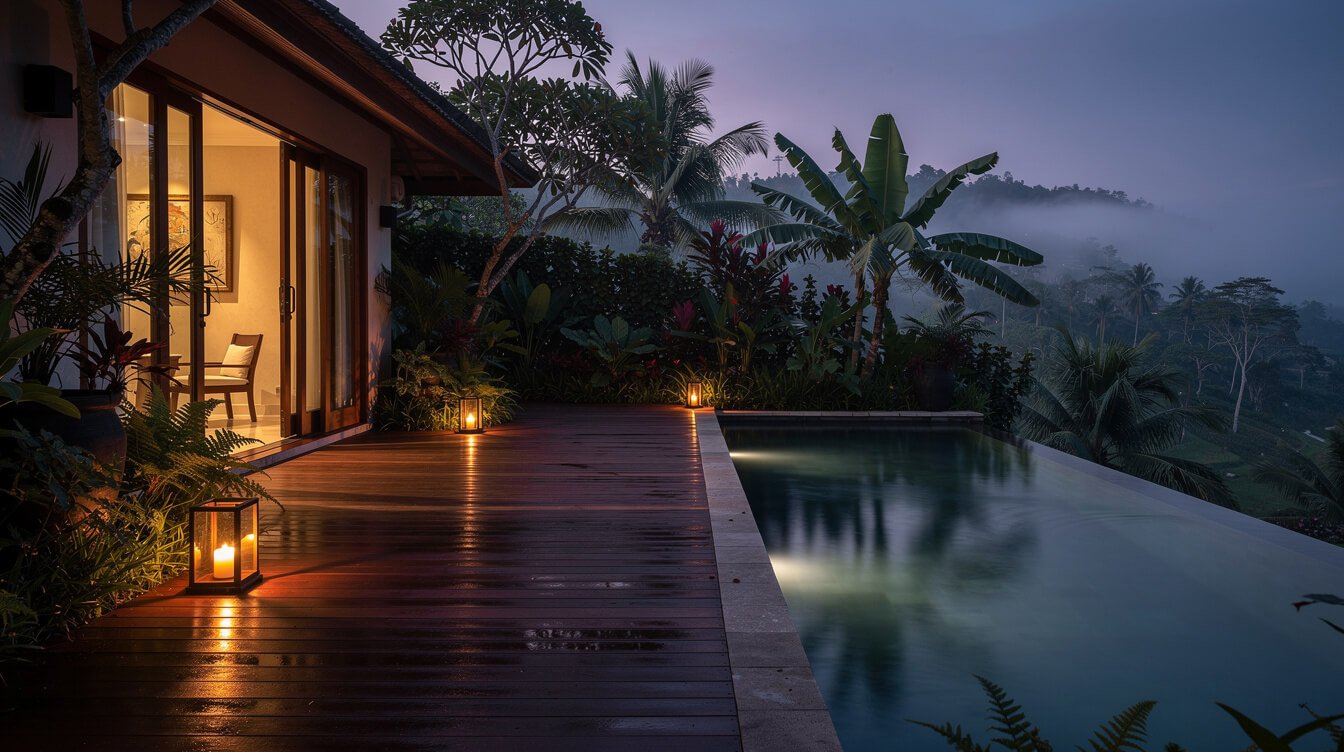
This is the decision that shapes everything else about your trip, more than people expect. Ubud’s accommodation ranges from budget guesthouses to five-star resort chains to private staffed villas, and each one gives you a genuinely different version of the town.
A hotel gives you consistency and a front desk. A private villa gives you a household — a chef who learns what you like by day two, a villa manager who knows which driver is reliable and which restaurant has a table tonight, a garden that’s yours rather than shared with two hundred other guests. Our guide to staying at a villa with a cook and our private chef villa guide both go into what that actually looks like day to day, beyond the marketing language.
If you’re weighing the broader accommodation landscape first, the best accommodation in Bali guide and 5-star accommodation guide lay out the full spectrum. For families specifically, pool safety is worth a real conversation before you book — our pool safety guide covers what to check for. And if you’re planning something more occasion-specific — a honeymoon, a wedding, or an elopement — those each deserve their own research: our Bali honeymoon guide, Bali wedding guide, and elopement guide each cover how a private villa changes those occasions specifically.
We’re biased, obviously — we run a 3-bedroom staffed pool villa here ourselves. But we’d tell you the same thing even if we didn’t: for a stay longer than a few nights, the household model tends to win over the hotel model, especially for families, couples marking something, or groups who actually want to spend time together rather than dispersing to separate hotel rooms each night.

See Villa Amrita for Yourself
Three bedrooms, a private pool, and a full team — chef, housekeeper, gardener, villa manager — held for you alone. Check dates and see what a staffed stay in Ubud actually looks like.
When to Visit Ubud, Bali and How Long to Stay
Ubud doesn’t have a true off-season in the way colder destinations do, but it does have real seasonal shifts worth planning around.
Dry season (April–September)
This is peak season for a reason — consistent sun, comfortable humidity, and the best conditions for rice-terrace walks and temple visits. It’s also the busiest and most expensive stretch, so book villas and popular restaurants ahead.
Rainy season (October–March)
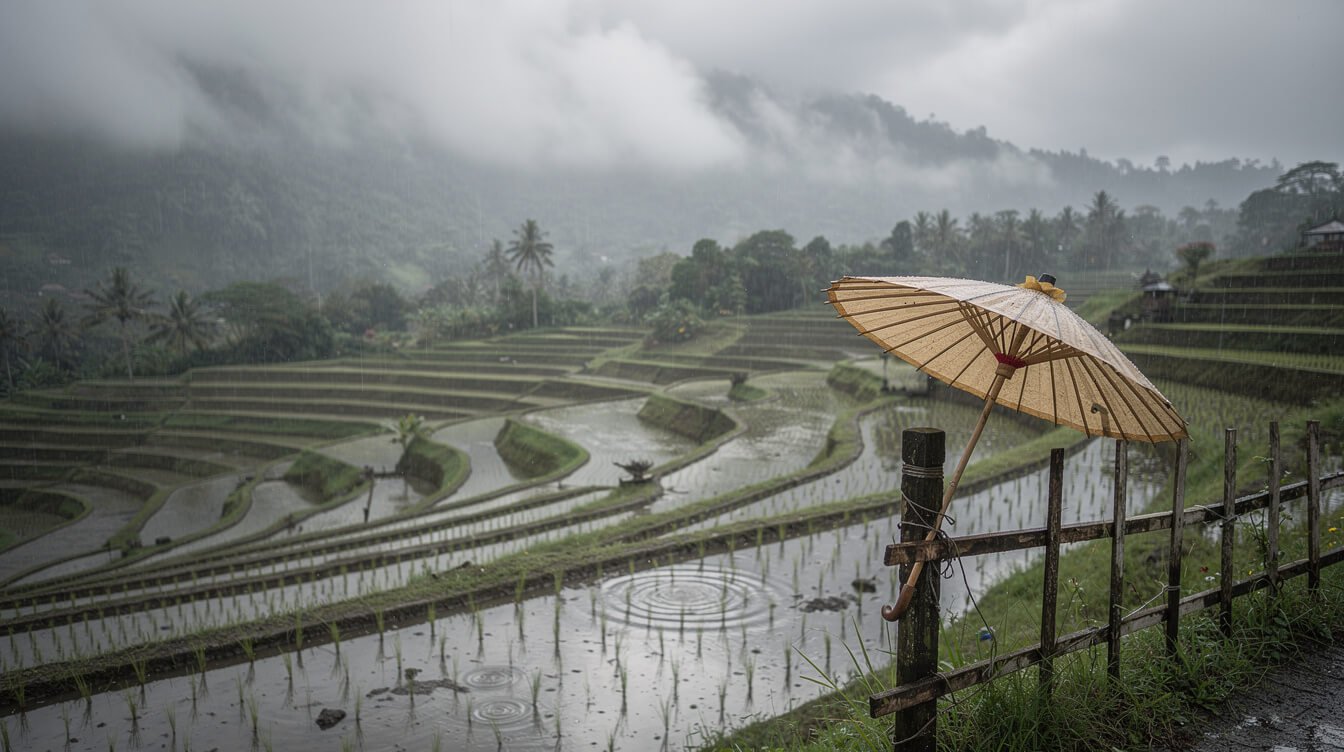
Don’t write it off. Our full rainy season guide covers this in detail, but the short version: the rain tends to arrive in a defined afternoon window rather than all day, the terraces turn a deeper green, and the crowds thin out considerably. Several of our own team’s favorite Ubud memories happen during exactly this season — the specific rhythm of the rain becomes part of the day rather than an interruption to it. Villa rates also tend to soften — our off-season rates guide covers what changes.
How long to stay
Three nights is the practical minimum to see Ubud properly without rushing. Five to seven lets you add a day trip or two without feeling like a checklist. If you’re combining Ubud with the coast, our 7-day Bali itinerary and 10-day Bali itinerary both build in a proper Ubud stretch rather than treating it as a one-night stopover, and our own 3-day Ubud itinerary is built specifically for a shorter, focused visit.
Common questions
Is Ubud safe? Yes, by most measures — our safety guide covers the specifics worth knowing, mostly around traffic and scooter rentals rather than crime.
Should I stay in Ubud or the coast? Depends on what you want from the trip. Our Ubud vs. Canggu and Ubud vs. Seminyak comparisons break down the real differences beyond “cultural” versus “beachy.”
Can I do a day trip to Mount Batur from Ubud? Yes — it’s an early start, but our Mount Batur sunrise guide covers the full 2am-pickup-to-poolside-brunch arc.
Getting to Ubud, Bali and Getting Around
Ubud has no airport of its own — you’ll land at Ngurah Rai International Airport (DPS) near Denpasar and travel overland from there. Our airport transfer guide and distance and timing guide cover exactly what to expect, and our step-by-step transfer guide walks through the options if you’re arranging your own transport. If you’re coming from Seminyak instead, our Seminyak-to-Ubud guide covers that route.
Once you’re here, walking covers the town center well, but you’ll want a driver or scooter for anything further out — temples, waterfalls, and rice terraces are mostly a 20-40 minute drive from central Ubud. Most villas, ours included, can arrange a trusted driver for the length of your stay, which tends to be more relaxed than negotiating rides day to day.
A few local etiquette notes
Small things that go a long way here: dress modestly when entering any temple (a sarong is usually provided or required, and most temples rent them at the entrance), don’t step over offerings on the sidewalk even if they look incidental, and if traffic stops for a ceremony procession, it’s genuinely stopping for a ceremony — not a photo opportunity to weave through. Drivers here are patient with visitors who ask questions; most are happy to explain what a particular offering or ritual means if you’re curious rather than just documenting it for later.
Final Thoughts
Ubud rewards people who slow down enough to notice it. The temples and rice terraces are worth the trip on their own, but the town’s real character shows up in the smaller moments — a market stall you return to twice, a driver who becomes a friend by day three, a chef who starts cooking what you like without being asked. That’s the Ubud we get to see every day, and it’s the one we try to hold open for every guest who stays with us.
If you’re still building your Ubud plan, start with the itinerary form above, browse the guides linked throughout this page for the specific pieces that matter to your trip, and when you’re ready, we’d love to host you.

Join Our Newsletter
Fun, new, exciting Bali news — plus what’s blooming in the garden this week. Straight from the team in Ubud.